Advocate Templates can make recurring work easier. They help professionals organize information, communicate clearly, and maintain a consistent workflow. These templates can support many different tasks.
For example, an advocacy template can help with campaign planning. A child advocate resume template can help with a job application. A cv template for advocate roles can organize professional experience. Advocate health templates can support service documentation. Advocate website templates for lawyers can also help create a professional online presence.
The best choice depends on the purpose. It also depends on the audience and the type of information involved. This guide explains how to choose, customize, and use Advocate Templates in a practical way.

What Are Advocate Templates?
Advocate templates are reusable structures for documents, designs, and workflows. They can help people who represent clients, communities, causes, or professional interests.
A template may be used for many tasks. Examples include a case intake form, client letter, chronology summary, resume, service plan, presentation, website layout, or printable office form.
A useful template does not replace professional judgment. Instead, it provides a clear starting point. This allows the user to focus on facts, strategy, communication, and decisions.
As a result, templates can reduce repeated formatting work. They can also help prevent simple errors. Most importantly, they create a familiar structure that is easier to review and update.

Why Templates Matter in Advocacy
Advocacy often involves several audiences. Each audience may need a different type of communication.
For example, a client may need a simple explanation. A court may require formal documentation. A partner organization may need a short briefing. Meanwhile, the public may respond better to a visual campaign page.
A strong template helps adapt the presentation. However, it should not change the accuracy of the information.
Templates also improve consistency. Names, dates, contact details, headings, case references, and action items can appear in predictable places.
This makes documents easier to review. It also makes updates faster. When several people work on the same project, a consistent format can save valuable time.
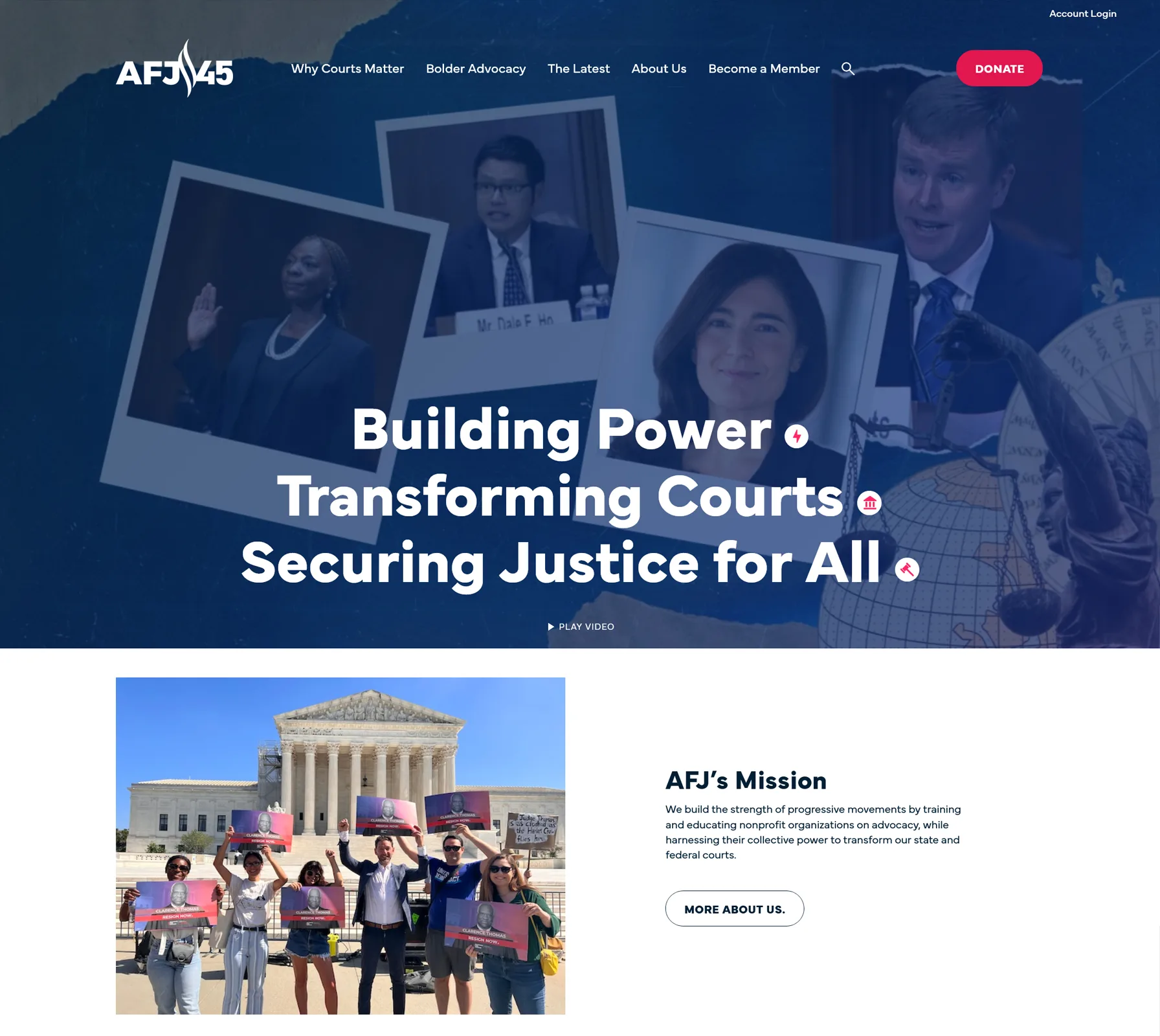
Common Types of Advocate Templates
Legal and Case Documentation
Legal professionals may use templates for client intake, consultation notes, chronology summaries, correspondence, case checklists, and meeting agendas.
These documents should still be customized for the relevant matter. They should also match the applicable jurisdiction. A template is only a starting point. Always check current professional and procedural requirements.
Career and Professional Documents
Career templates include resumes, CVs, cover letters, professional profiles, biographies, and portfolio pages.
For example, a child advocate resume template should highlight relevant experience. This may include work with children, families, safeguarding, education, community programs, or social services.
Advocacy Campaign Materials
An advocacy template can help organize a campaign plan. It can cover the issue, target audience, objective, key message, evidence, partners, timeline, and desired action.
This structure helps a team turn a broad concern into a clear plan. It also makes progress easier to measure.
Website and Digital Presence
A professional website template can organize service descriptions, biography information, practice areas, resources, contact details, and educational content.
For law practices, advocate website templates for lawyers can provide a polished starting structure. The design should then be customized with original branding and accurate information.

Health and Support Services
Advocate health templates can support recurring administrative tasks. They may include appointment preparation sheets, support notes, referral checklists, and client question lists.
The exact format depends on the organization. Sensitive information should always be handled according to applicable privacy and professional requirements.

Choosing the Right Template
Start with the goal rather than the design. First, decide what the document needs to achieve.
Next, identify the intended reader. Then, decide what information must appear. Finally, consider what action should happen after the reader reviews the document.
A beautiful layout is not enough. The reader should be able to find important information quickly.
Consider these criteria:
- Purpose: Does the structure match the task?
- Audience: Is the tone right for clients, courts, employers, partners, or the public?
- Editability: Can you change the headings, fields, and sections?
- Accessibility: Can people with different needs read and navigate the document?
- Privacy: Does the template avoid unnecessary sensitive information?
- Consistency: Can you use the same format for related documents?
- Print readiness: Are the margins, spacing, and typography suitable for printing?

Building a Strong Advocacy Template
A practical advocacy template should begin with a clear title. Add a short purpose statement next. After that, include the essential background and the main issue.
The template can then include supporting information, proposed actions, responsible people, and important dates.
For example, a community campaign template could contain:
- Issue and background
- Target audience
- Advocacy objective
- Key evidence
- Core message
- Stakeholders and partners
- Planned activities
- Timeline
- Measurement criteria
- Review notes
This structure helps prevent a common mistake. Teams can confuse activity with impact. For example, holding a meeting is an activity. Achieving a clear policy, service, awareness, or access outcome is the result.

Creating a Professional CV or Resume
A cv template for advocate roles should make qualifications easy to find. Start with contact information and a short professional profile.
Then add relevant experience, education, credentials, skills, achievements, and memberships when appropriate.
A strong legal or advocacy resume should focus on evidence. Avoid relying on decorative language or vague claims.
For example, instead of saying someone has excellent communication skills, explain what they actually did. They may have prepared client briefings, coordinated stakeholder meetings, supported case preparation, or delivered community education sessions.

Using a Child Advocate Resume Template
A child advocate resume template needs careful editing. Include only accurate experience and qualifications.
Relevant sections may include safeguarding knowledge, case coordination, family support, youth services, education, crisis communication, community outreach, documentation, and professional training.
However, avoid unnecessary personal details about children or families. Only include information that is appropriate for the professional purpose.
Design Principles for Legal Templates
Legal documents should be simple and easy to read. Use clear typography and consistent spacing. Keep headings easy to identify.
White space also matters. It separates sections and helps readers find important details.
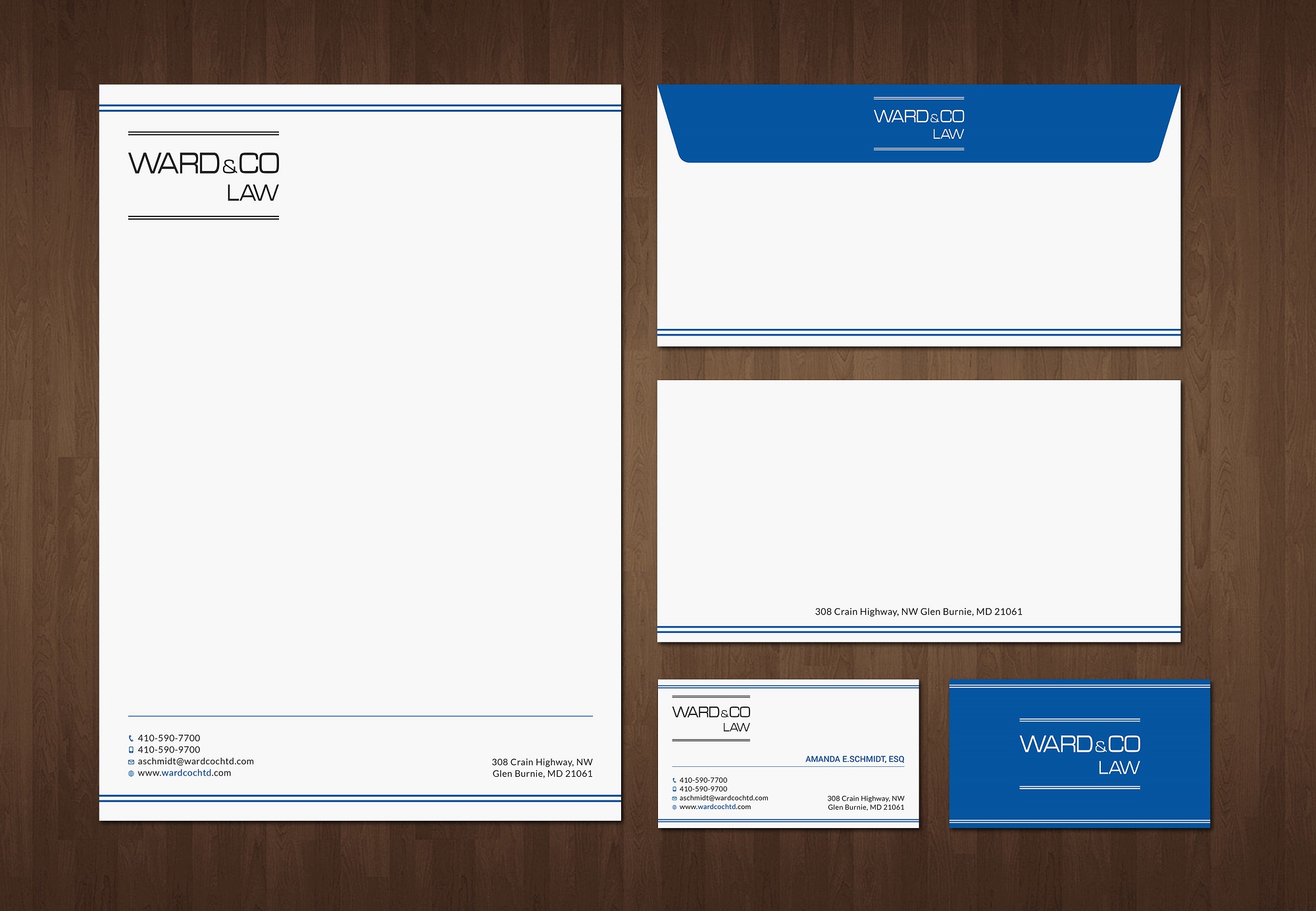
A professional identity can still look distinctive. A law office might use one accent color, a simple logo, and a consistent heading system.
The goal is recognition without reducing readability. Clear communication should always come first.
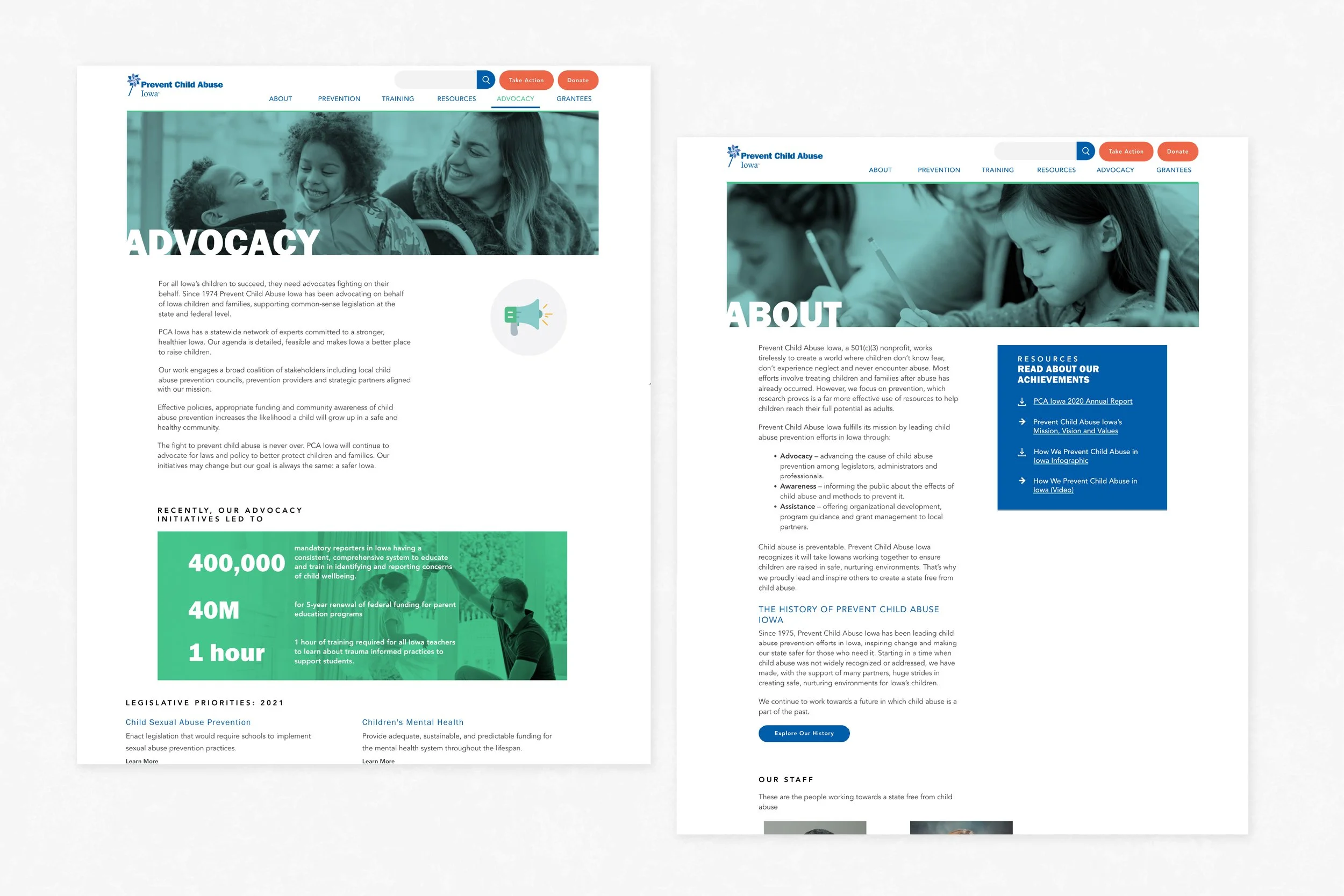
Digital and Website Template Considerations
A website should answer basic questions quickly. Visitors should know who provides the service, what areas are covered, and who the service is for.
They should also know how to make contact. Helpful resources can provide more information before an appointment.
A useful layout may include a homepage, service pages, an about section, educational resources, contact options, and suitable legal notices.
When reviewing advocate website templates for lawyers, check the mobile layout carefully. Also review navigation, page speed, accessibility, typography, and content hierarchy.
A design that looks good on a large screen may be difficult to use on a phone. Likewise, strong visuals cannot fix vague service descriptions or missing contact information.
Printable Template Design
For physical documents, choose a page size that matches the printer or office workflow. Leave enough space around the edges.
Keep headings clear. Avoid large blocks of dense text. Forms should also provide enough writing space for the required information.
Before producing many copies, test one sample page. Check the alignment, text size, contrast, page breaks, and signature areas.
Also check whether important fields remain easy to read in grayscale. This simple test can prevent printing problems later.
Using Public Template Resources Responsibly
Many people search for Advocate Templates that are free or inexpensive. These resources can provide a useful starting point.
However, price should not be the only factor. Check the template’s license, quality, privacy, and suitability before using it.
Before using a public resource, check:
- Whether commercial or organizational use is permitted
- Whether attribution is required
- Whether the template can be edited
- Whether the source is trustworthy
- Whether the terminology is current
- Whether embedded content creates privacy concerns
- Whether the document fits the intended jurisdiction or professional setting
If the license is unclear, choose a resource with clear usage terms. Another option is to create your own template.

Customizing Templates Without Losing Consistency
Customization should make a template more useful. It should not make the document unnecessarily complex.
Start with a simple visual system. Choose one main font family. Use a clear heading style. Then select a restrained color palette.
Keep logos and contact details in consistent locations. This approach makes related documents feel like part of the same system.
For recurring documents, also use standard field names. For example, use the same wording for client reference numbers, matter dates, responsible staff, and review status.
Common Mistakes to Avoid
One common mistake is failing to replace placeholder text. Names, dates, contact details, and sample information can remain in the final document.
Always review every field before using the template.
Another mistake is overdesign. Legal and advocacy documents should focus on clarity. Too many icons, colors, or oversized titles can distract readers.
A third mistake is collecting too much information. Forms should ask for information only when there is a clear reason to collect it.
This point is especially important for child advocacy and health-related work. Privacy should remain a key consideration.
Finally, avoid using old templates without review. Laws, policies, contact details, and procedures can change over time.


A Practical Template Review Checklist
Before approving a template, ask the following questions:
- Is the purpose clear within a few seconds?
- Are all required fields included?
- Is the language easy for the intended audience to understand?
- Are sensitive details limited to what is necessary?
- Are dates, references, and contact fields easy to find?
- Does the design work on screen and on paper when needed?
- Has the document been reviewed against current professional requirements?
- Can another team member use it without extensive explanation?
This checklist can help individuals and organizations maintain a reliable document library.

Advanced Workflow: Build a Template System
Experienced teams can go beyond individual files. They can build a small template system instead.
Group templates into useful categories. These may include intake, communication, case preparation, advocacy campaigns, career documents, health support, and digital publishing.
Give each approved template a clear name and version number. Record the owner, intended audience, review date, and any jurisdiction or policy limits.
Keep master copies separate from working copies. This reduces the risk of accidentally changing an approved template.
Automation can also help with repetitive fields. However, human review should remain part of the process.
Always check names, dates, legal references, client information, and sensitive records before finalizing a document.

Practical Examples
Imagine a community legal organization preparing a housing advocacy campaign. Its advocacy template could identify the affected group, policy issue, evidence, decision-makers, public message, meeting schedule, and follow-up actions.
The same organization could also use a client intake template. A presentation template could support community education at the same time.
A newly qualified advocate applying for a job could use a cv template for advocate applications. The applicant can then tailor the profile and achievement sections to each position.
If the role focuses on child services, a child advocate resume template can highlight relevant safeguarding, communication, and case-support experience.
A small legal practice could combine letterhead, consultation notes, client checklists, presentation slides, and advocate website templates for lawyers into one visual identity.
This approach creates a more consistent client experience. It also reduces the need to design every document from scratch.

Frequently Asked Questions
What should an advocate template contain?
An advocate template should contain only the fields needed for its intended task. Common elements include the purpose, reference information, relevant facts, action items, responsible people, dates, and review notes.
How do I choose a cv template for advocate roles?
Choose a structure that makes qualifications and relevant experience easy to find. Include advocacy skills, professional credentials, and measurable contributions when they are relevant.
What should a child advocate resume template emphasize?
It should emphasize accurate experience and training related to children, families, safeguarding, communication, education, community support, or case coordination.
Avoid unnecessary personal information about service users.
What are advocate health templates used for?
They can organize recurring health advocacy tasks. Examples include appointment preparation, question lists, referral tracking, support notes, and service-navigation records.
The exact fields should follow the organization’s policies and privacy requirements.
Are printable templates suitable for professional use?
Yes, they can be suitable when they are accurate, readable, properly licensed, and appropriate for the professional setting.
Always test printed output before using a template for important work.
How should a legal website template be customized?
Replace sample text with accurate firm information. Define practice areas clearly and verify all contact details.
Also check the mobile experience and accessibility. Only publish claims that can be supported.
What makes an advocacy template effective?
An effective template connects information to action. It explains the issue, identifies the audience and objective, organizes evidence, assigns responsibilities, and creates a clear path for follow-up.
Conclusion
Advocate Templates are useful when they simplify repeatable work without replacing professional judgment.
Whether you need an advocacy template, a child advocate resume template, a cv template for advocate roles, advocate health templates, or advocate website templates for lawyers, start with the purpose and audience.
Next, review accuracy, privacy, accessibility, licensing, and print or digital performance. Then customize the structure around your real workflow.
A small collection of dependable templates can save time. It can also improve consistency and help legal and advocacy professionals communicate more clearly.