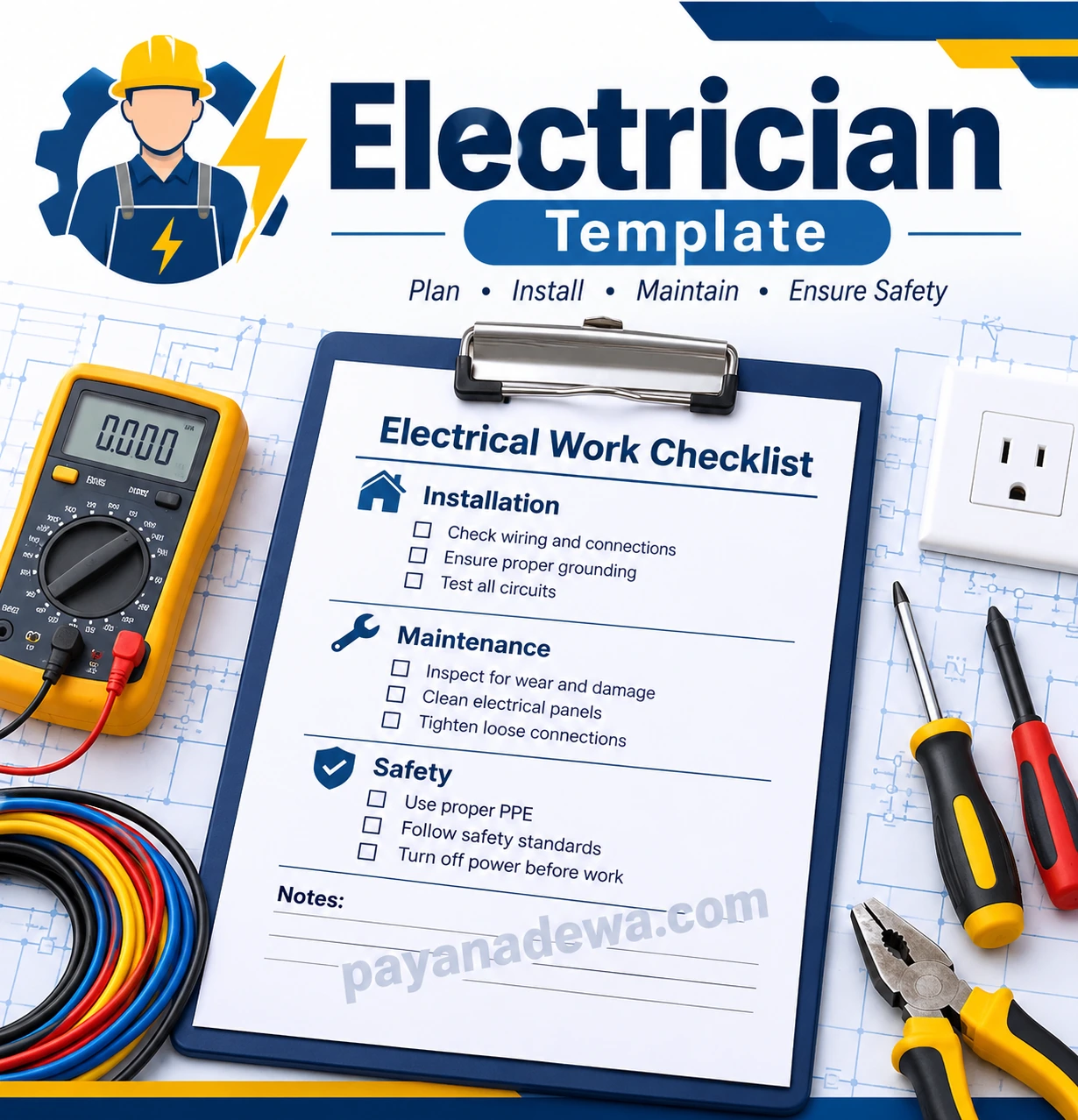
Electricity plays an essential role in modern life. From lighting and household appliances to industrial machinery and advanced technology, almost everything depends on a reliable electrical system. However, electrical installations require proper knowledge, experience, and safety precautions. This is where a professional electrician becomes essential.
An electrician is a trained professional who installs, maintains, inspects, and repairs electrical systems in residential, commercial, and industrial buildings. Whether you need a new electrical installation, a wiring repair, or an electrical safety inspection, hiring a qualified professional can help protect your property and everyone inside it.
In this guide, you will discover what electricians do, the services they provide, the skills they need, essential safety practices, and how to choose the right electrical contractor for your project.
What Is an Electrician?
An electrician is a skilled tradesperson who works with electrical wiring, circuits, power distribution systems, lighting equipment, and other electrical components. Their primary responsibility is to ensure that electrical systems operate safely and efficiently.
Electricians work in different environments, including private homes, offices, factories, construction sites, commercial buildings, and public facilities. Their daily responsibilities depend on their specialization and the type of projects they handle.
Typical electrician responsibilities include:
- Installing electrical wiring, outlets, switches, and circuit breakers.
- Maintaining electrical panels and distribution systems.
- Diagnosing electrical faults and troubleshooting problems.
- Repairing damaged cables and electrical equipment.
- Installing indoor and outdoor lighting systems.
- Inspecting electrical installations for potential hazards.
- Following applicable electrical codes and safety regulations.
Professional electricians also explain technical problems to customers and recommend suitable solutions. Their expertise helps prevent electrical failures, reduce fire risks, and improve energy efficiency.
Different Types of Electricians
Not every electrician performs the same type of work. Some specialize in household wiring, while others focus on industrial equipment or large commercial installations. Understanding these specializations can help you find the right professional.
1. Residential Electrician
A residential electrician works primarily in houses, apartments, and other living spaces. They handle everyday electrical needs and help homeowners maintain safe electrical systems.
Common residential services include:
- Installing electrical outlets and light switches.
- Replacing outdated wiring.
- Installing ceiling fans and lighting fixtures.
- Repairing faulty circuit breakers.
- Adding dedicated circuits for appliances.
- Inspecting home electrical systems.
Homeowners often contact residential electricians when renovating a property, experiencing power problems, or installing new electrical equipment.
2. Commercial Electrician
A commercial electrician specializes in electrical systems used in offices, retail stores, restaurants, schools, hotels, and other business facilities.
Commercial projects can involve more complex electrical distribution systems than typical residential installations. These professionals may install lighting networks, emergency power systems, electrical panels, and specialized equipment.
They also help businesses maintain reliable electrical infrastructure and minimize unexpected interruptions.
3. Industrial Electrician
An industrial electrician works in manufacturing plants, warehouses, processing facilities, and industrial environments. Their work often involves heavy machinery, motors, control panels, automation equipment, and complex power distribution systems.
Industrial electricians must understand technical diagrams, electrical control systems, and equipment maintenance procedures. They also need to follow strict workplace safety requirements.
4. Maintenance Electrician
A maintenance electrician focuses on keeping existing electrical systems in good working condition. Instead of concentrating mainly on new installations, they perform regular inspections, preventive maintenance, and repairs.
Their work helps identify small electrical problems before they develop into expensive failures or dangerous situations.
Common Electrical Services
Electricians provide a wide range of services for homeowners, property managers, and businesses. The right service depends on the condition of the electrical system and the requirements of the property.
Electrical Installation
Electrical installation involves setting up new wiring, outlets, switches, lighting systems, and distribution equipment. This service is commonly required when constructing a new building or renovating an existing property.
A professional electrician evaluates the electrical requirements, selects suitable components, and completes the installation according to applicable standards.
Electrical Repairs and Troubleshooting
Electrical problems can occur because of damaged wiring, overloaded circuits, loose connections, aging equipment, or faulty components.
An electrician uses appropriate testing instruments to identify the source of the problem. Common repair services include replacing damaged outlets, fixing lighting faults, repairing circuit breakers, and investigating unexpected power interruptions.
Electrical Panel Upgrades
An electrical panel distributes electricity throughout a building. When a panel becomes outdated or cannot support additional electrical demand, an upgrade may be necessary.
An electrician can assess the existing panel, determine whether its capacity is adequate, and recommend appropriate improvements. This is particularly important when installing high-power appliances or expanding a property.
Lighting Installation
Lighting affects comfort, visibility, security, and energy consumption. Electricians install various lighting solutions, including LED fixtures, recessed lighting, outdoor security lights, and landscape lighting.
They can also recommend energy-efficient lighting options that reduce electricity consumption without sacrificing performance.
Electrical Safety Inspections
Regular electrical inspections help identify hazards before they cause serious problems. During an inspection, an electrician may examine wiring conditions, electrical panels, grounding systems, outlets, and protective devices.
Inspections are especially useful when purchasing an older property, renovating a building, or investigating recurring electrical issues.
Essential Skills and Tools Every Electrician Needs
Being an electrician requires more than knowing how to connect wires. Successful professionals combine technical knowledge, practical experience, problem-solving abilities, and strong safety awareness.
Important Electrician Skills
- Electrical knowledge: Understanding circuits, voltage, current, resistance, grounding, and electrical components.
- Problem-solving: Identifying the causes of electrical faults and selecting effective solutions.
- Technical reading: Understanding wiring diagrams, blueprints, and electrical schematics.
- Attention to detail: Checking connections, measurements, and installation requirements carefully.
- Communication: Explaining electrical issues and recommendations clearly to customers.
- Physical coordination: Working safely with tools, cables, and equipment in different environments.
Common Electrician Tools
Professional electricians use specialized tools to perform installations, measurements, inspections, and repairs.
- Multimeter: Measures electrical values such as voltage, current, and resistance, depending on the instrument and configuration.
- Wire strippers: Remove insulation from electrical conductors.
- Insulated screwdrivers: Help perform electrical work when appropriately rated and used within their specifications.
- Electrical pliers: Grip, bend, and cut suitable wires.
- Voltage tester: Helps check for the presence of voltage when used according to its instructions.
- Fish tape: Helps route cables through suitable conduits and enclosed spaces.
- Personal protective equipment: Includes safety glasses, suitable gloves, protective footwear, and other task-specific equipment.
Using quality tools and maintaining them properly can improve work accuracy and efficiency. However, tools alone do not replace professional training or safe working procedures.
Electrical Safety Tips for Homeowners and Professionals
Electrical safety should always be a priority. Even a seemingly minor electrical fault can create a risk of electric shock, burns, equipment damage, or fire.
Follow these practical recommendations to reduce electrical hazards:
- Never touch exposed electrical wires or damaged electrical equipment.
- Keep electrical outlets and appliances away from water.
- Avoid overloading outlets, extension cords, and electrical circuits.
- Replace damaged electrical cords and plugs promptly.
- Use suitable circuit protection and properly maintained electrical equipment.
- Keep electrical panels accessible and free from obstructions.
- Schedule professional inspections when electrical problems occur.
- Follow applicable electrical codes and manufacturer instructions.
Importantly, never assume that a circuit is safe simply because a switch has been turned off. Qualified professionals must follow appropriate isolation, lockout, and verification procedures before working on electrical equipment.
If you notice burning smells, sparks, unusual heat, buzzing sounds, or repeated circuit breaker trips, stop using the affected equipment when safe to do so and contact a qualified electrician. If there is smoke or an active fire, move away and contact emergency services.
How to Choose the Right Electrician
Choosing the right electrician is important because electrical work directly affects the safety and reliability of your property. Before hiring someone, take time to evaluate their qualifications, experience, and working practices.
Check Qualifications and Licensing
Look for an electrician who has the qualifications, certifications, and legal authorization required for the specific work in your location. Requirements vary between countries and regions, so verify the relevant local regulations.
Review Experience and Specialization
Choose a professional with experience in the type of project you need. For example, a residential wiring project may require different expertise from an industrial electrical installation.
Request a Written Estimate
Ask for a clear quotation that explains labor costs, materials, project scope, estimated completion time, and any additional charges. A written estimate makes it easier to compare contractors and avoid misunderstandings.
Ask About Safety and Workmanship
A reliable electrician should be able to explain the safety procedures they follow and the standards relevant to the project. Also, ask whether their work includes appropriate testing, documentation, and warranties where applicable.
Read Customer Reviews
Customer feedback can provide useful information about punctuality, communication, workmanship, and overall service quality. Look for consistent feedback rather than relying on a single review.
Electrician Career Opportunities and Professional Development
Becoming an electrician can provide opportunities in construction, property maintenance, manufacturing, renewable energy, and electrical infrastructure. Demand for skilled electrical professionals is influenced by building activity, technology adoption, and investment in energy systems.
People interested in this career generally begin with technical education, vocational training, or an approved apprenticeship pathway, depending on local requirements.
How to Start an Electrician Career
- Learn electrical fundamentals: Study basic electrical theory, circuit behavior, and safety principles.
- Complete relevant training: Enroll in a recognized technical or vocational program.
- Gain practical experience: Develop hands-on skills through supervised training or an approved apprenticeship.
- Obtain required credentials: Meet local licensing, certification, and competency requirements.
- Continue learning: Keep up with electrical standards, new technologies, and industry developments.
Electricians can also develop specialized skills in solar photovoltaic systems, electric vehicle charging installations, smart home technology, energy management, and industrial automation.
Why Professional Electrical Maintenance Matters
Electrical maintenance is an important part of property management. Over time, electrical components can deteriorate because of heat, moisture, vibration, corrosion, or normal wear and tear.
Preventive maintenance helps detect these issues early. It can also improve equipment reliability and reduce unexpected repair costs.
A practical electrical maintenance plan may include:
- Scheduling inspections based on equipment condition and applicable requirements.
- Checking electrical panels for signs of damage or overheating.
- Inspecting accessible wiring and connections for deterioration.
- Testing protective devices according to relevant procedures.
- Keeping maintenance records and documenting completed repairs.
- Replacing defective components with suitable, approved products.
Maintenance intervals should reflect the type of building, equipment, operating conditions, and applicable regulations. A qualified electrician can recommend an appropriate maintenance schedule.
Conclusion
An electrician plays a vital role in keeping homes, businesses, and industrial facilities safe and functional. From electrical installation and troubleshooting to preventive maintenance and safety inspections, these professionals provide services that support reliable power distribution.
Understanding the different types of electricians, their skills, common services, and safety responsibilities can help you make better decisions when planning electrical work. Always prioritize proper qualifications, professional workmanship, and compliance with local electrical regulations.
Whether you need a simple electrical repair, a complete wiring installation, or ongoing maintenance, choosing a qualified electrician is a smart investment in safety, efficiency, and long-term reliability.