In a world where many messages are sent digitally and forgotten within minutes, thoughtfully designed stationery can create a lasting impression. Whether you are communicating with clients, sending invitations, writing thank-you notes, promoting a business, or creating personal correspondence, Unique And Creative Stationery Templates can help transform ordinary communication into something memorable.
Creative stationery is more than decorative paper. It is an opportunity to express personality, reinforce a brand identity, and make important messages feel more thoughtful. With customizable stationery templates, you can create professional and visually appealing letterheads, note cards, invitations, business materials, and other printed or digital designs without starting from scratch.
The best designs balance originality with practicality. A stationery template should attract attention, but it must also make information easy to read and understand. By choosing the right colors, typography, layouts, and decorative elements, you can create stationery that looks distinctive while remaining useful for everyday communication.
Why Choose Unique And Creative Stationery Templates?
Standard stationery can sometimes feel generic and forgettable. When every business letter, invitation, or personal note looks similar, it can be difficult to make a memorable impression. Unique and creative designs provide an opportunity to communicate with more personality.
Unique And Creative Stationery Templates are especially useful because they combine professional design structures with flexibility. You can begin with a ready-made layout and customize important details to suit your purpose, audience, and visual style.
- Create a memorable impression: Distinctive designs are more likely to capture attention.
- Save valuable time: Templates eliminate the need to build every layout from the beginning.
- Express personality: Colors, patterns, and typography can reflect your individual style.
- Strengthen branding: Consistent stationery can make a business appear more professional.
- Adapt to different occasions: One design concept can be customized for multiple purposes.
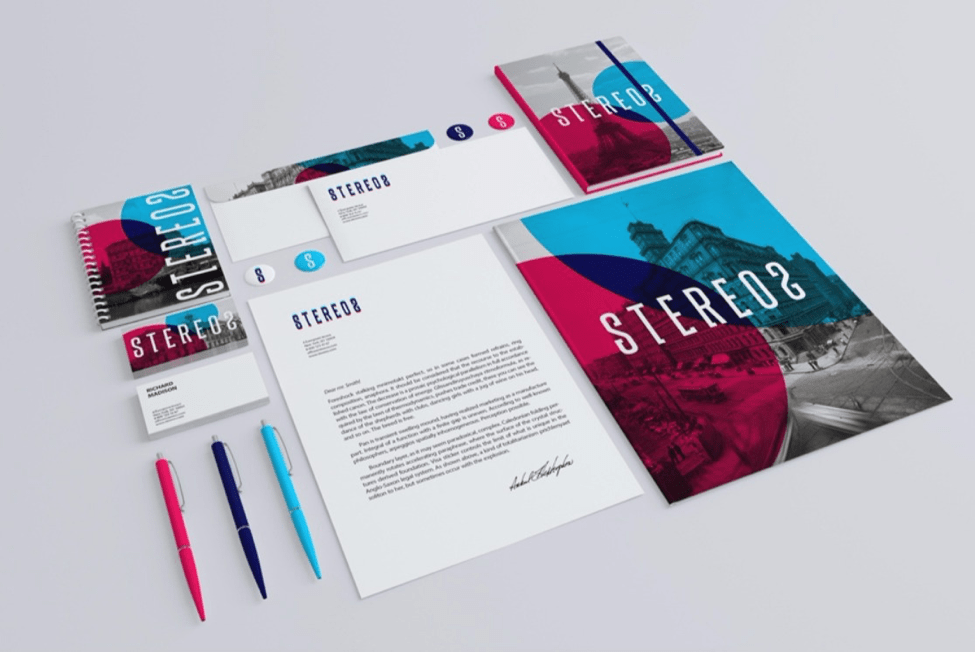
Popular Types of Creative Stationery Templates
Stationery can take many forms, and the right template depends on how you plan to communicate. From professional correspondence to personal celebrations, customizable designs can make many types of materials more attractive and consistent.
Letterhead Templates
A creative letterhead can make professional communication feel more polished. Businesses, freelancers, consultants, and organizations can use customized letterhead templates for proposals, official letters, invoices, announcements, and other documents.
A good letterhead should include important brand elements without distracting from the main content. A logo, business name, contact information, and subtle decorative details are often enough to create a professional appearance.
Personalized Notecard Templates
Notecards are ideal for thank-you messages, greetings, congratulations, and everyday correspondence. Personalized stationery templates can include initials, names, monograms, illustrations, or small decorative patterns.
The design should leave enough empty space for handwritten messages. A beautiful border or illustration can add personality while keeping the written words at the center of the communication.
Invitation Templates
Creative invitation templates can be used for birthdays, weddings, anniversaries, baby showers, business events, and other special occasions. A carefully selected design helps introduce the theme and atmosphere of the event before guests even arrive.
For example, a formal event may benefit from elegant typography and subtle colors, while a casual celebration may use bold graphics and playful design elements. Matching the stationery to the occasion can make the entire experience feel more cohesive.
How to Choose the Right Stationery Design Style
The most effective stationery design reflects the purpose of the communication. Before choosing a template, consider who will receive it and what impression you want to create.
Modern and Minimalist Designs
Modern stationery often uses clean lines, simple typography, balanced spacing, and a limited color palette. This approach can work well for businesses, professionals, creative portfolios, and contemporary personal stationery.
Minimalist does not mean boring. A carefully placed accent color, geometric detail, or distinctive font can create personality without overcrowding the design.
Elegant and Classic Designs
Classic stationery templates often use refined typography, neutral colors, decorative borders, and balanced layouts. This style is suitable for formal invitations, luxury brands, professional correspondence, and timeless personal stationery.
Elegant designs are particularly effective when they use restraint. A small monogram or subtle pattern can create a sophisticated appearance without overwhelming the page.
Bold and Playful Designs
Bright colors, illustrations, expressive typography, and unusual layouts can create a fun and energetic style. These templates may work especially well for creative businesses, children’s events, casual celebrations, and personal projects.
When using bold elements, maintain a clear visual hierarchy. The most important information should remain easy to find even when the design includes colorful or artistic details.
Essential Elements of a Successful Stationery Template
Creative stationery should not focus on decoration alone. The strongest designs combine attractive visuals with practical communication. Several important elements can help achieve this balance.
Clear Typography
Typography plays a major role in both appearance and readability. Decorative fonts can add character, but they should be used carefully. A useful approach is to combine one distinctive font for headings with a simple font for body text.
Before finalizing a template, check whether names, dates, contact details, and other important information remain easy to read at the intended size.
A Consistent Color Palette
Colors can influence how stationery feels. Soft colors may create a calm or elegant mood, while brighter shades can communicate energy and creativity. For professional branding, consistent colors can also improve recognition across multiple materials.
- Choose two to four main colors.
- Use accent colors sparingly.
- Maintain sufficient contrast between text and backgrounds.
- Select colors that match the purpose of the stationery.
- Use similar shades across related templates.
Balanced Layout and White Space
One of the most common design mistakes is trying to fill every empty area. White space is an important part of good stationery design because it helps information stand out and makes the overall layout easier to read.
Allow enough space around headings, text, and decorative elements. A balanced composition often feels more professional than a design filled with too many competing graphics.
Creative Ideas for Personal and Business Stationery
One advantage of customizable stationery templates is their flexibility. You can use a single visual concept across multiple materials or create variations for specific purposes.
- Business stationery: Letterheads, proposal covers, thank-you cards, and branded notes.
- Personal correspondence: Notecards, monogrammed stationery, and greeting cards.
- Event materials: Invitations, menus, place cards, and event information sheets.
- Small business packaging: Thank-you inserts, product information cards, and promotional notes.
- Creative projects: Printable journaling pages, decorative notes, and personalized gift cards.
For businesses, a coordinated stationery collection can strengthen brand identity. For personal use, matching designs can create a recognizable and consistent style that feels unique to you.
How to Customize Stationery Templates Effectively
A template is only the starting point. Customization is what transforms a standard design into something more distinctive. The goal is to add personal or brand-specific details without making the layout unnecessarily complicated.
Add Personal or Brand Elements
Consider including a name, monogram, logo, business slogan, illustration, or signature color. These details can make the stationery more recognizable and meaningful.
For professional designs, keep branding consistent across documents. For personal stationery, choose visual elements connected to your interests, personality, or favorite aesthetic.
Use High-Quality Images and Graphics
If your stationery template includes photographs or illustrations, use clear, high-quality visuals. Low-resolution images may appear blurry or unprofessional when printed.
Remember that images should support the design rather than dominate it. A single strong illustration can often be more effective than several unrelated graphics competing for attention.
Practical Tips Before Printing or Sharing Your Stationery
Before using your final design, review both the appearance and the practical details. What looks attractive on a computer screen may appear different when printed or viewed on another device.
- Proofread carefully: Check spelling, names, dates, and contact information.
- Review the actual size: Make sure text is readable at the final print dimensions.
- Test your colors: Screen colors can appear differently on paper.
- Check margins: Keep important information away from trimming edges.
- Choose suitable paper: Paper texture and thickness can affect the final impression.
- Create a sample: Test one version before printing a large quantity.
Common Mistakes to Avoid
Creative stationery should be distinctive, but excessive decoration can reduce its effectiveness. Avoid using too many fonts, colors, borders, and graphics in one design. When every element demands attention, the important message can become difficult to find.
Another common mistake is ignoring consistency. If your business uses different logos, colors, and typography on every piece of stationery, customers may struggle to recognize your brand. A creative design system should still include visual elements that connect related materials.
Finally, do not sacrifice readability for originality. The purpose of stationery is communication. Even the most artistic design should allow recipients to quickly understand the message and find important details.
Conclusion
Unique And Creative Stationery Templates provide an effective way to make business and personal communication more memorable. From professional letterheads and branded notes to invitations and personalized notecards, creative templates offer a flexible foundation for designs that feel polished and distinctive.
The best stationery combines originality with clarity. Choose a style that matches your purpose, use a balanced color palette, select readable typography, and add meaningful personal or brand elements. By customizing templates thoughtfully and keeping the recipient’s experience in mind, you can create stationery that not only looks beautiful but also leaves a lasting impression.