A small business vision board turns an abstract business dream into something you can see, review, and improve. Instead of keeping ambitious plans only in a notebook or in your head, you can combine images, words, targets, values, milestones, and visual references into one focused board. The result can become a practical reminder of where the business is heading and why each important decision matters.

For a new entrepreneur, the hardest part is often not finding ideas but deciding which ideas deserve attention first. A visual board can help separate long-term aspirations from immediate priorities. It can also make conversations with partners, employees, designers, or advisors easier because everyone has a clearer picture of the desired direction.
This guide explains how to build a useful board, what to place on it, how to create a strong layout, and how to turn visual inspiration into measurable action. You will also find small business vision board examples, practical small business vision board ideas, guidance for digital formats, and suggestions for connecting your board with a broader business strategy.
What Is a Small Business Vision Board?
A visual representation of your business direction
A small business vision board is a collection of visual and written elements that represents what you want your company to become. It can include photographs, brand references, customer experiences, product concepts, revenue milestones, market ambitions, lifestyle goals, team values, and statements about the impact you want to create.
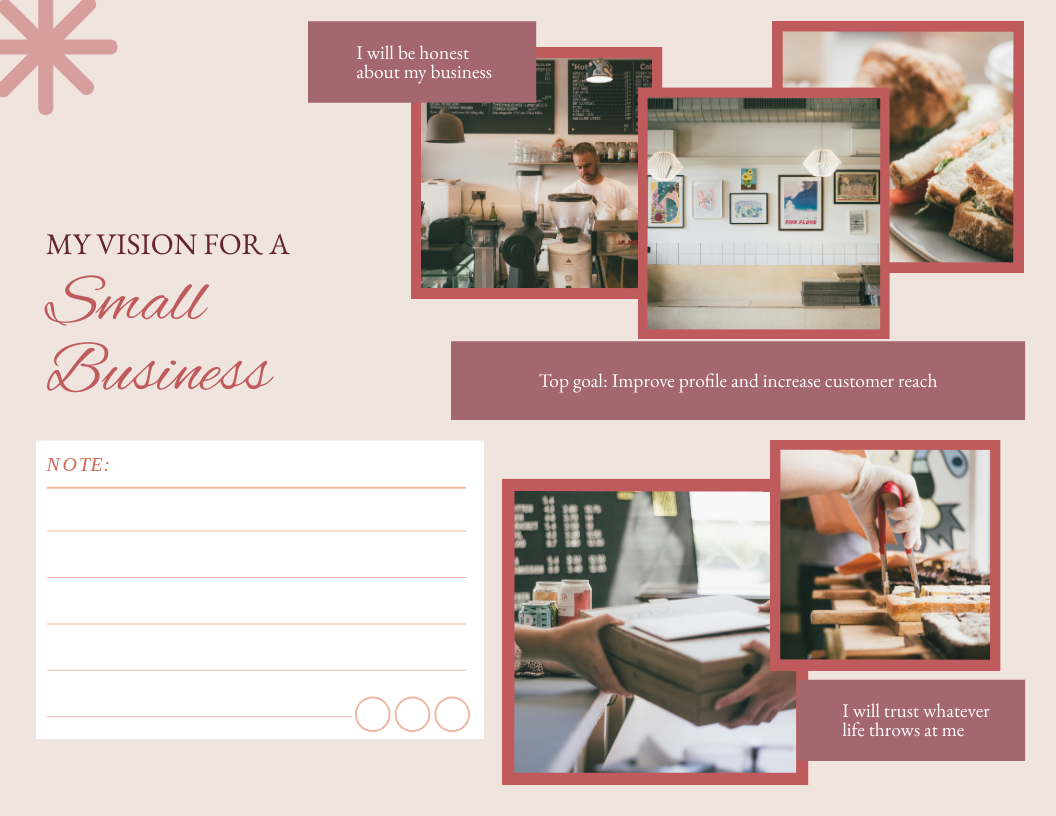
The board is different from a traditional business plan. A business plan usually explains operations, finances, marketing, competition, and forecasts in detail. A vision board is more visual and directional. It gives you a quick way to answer a simple question: What are we trying to build?
It can be physical, digital, or a combination of both. A physical board might use printed photographs, magazine clippings, sketches, notes, and cards. A digital board can combine images, typography, diagrams, brand colors, and strategic information in a presentation or design workspace.
Why visual direction matters
Small businesses frequently operate under pressure. Customer requests, invoices, marketing tasks, staffing issues, inventory, and daily administration can consume most of the owner’s attention. A visible vision provides a reminder to step back and evaluate whether current activities are moving the company toward its desired future.
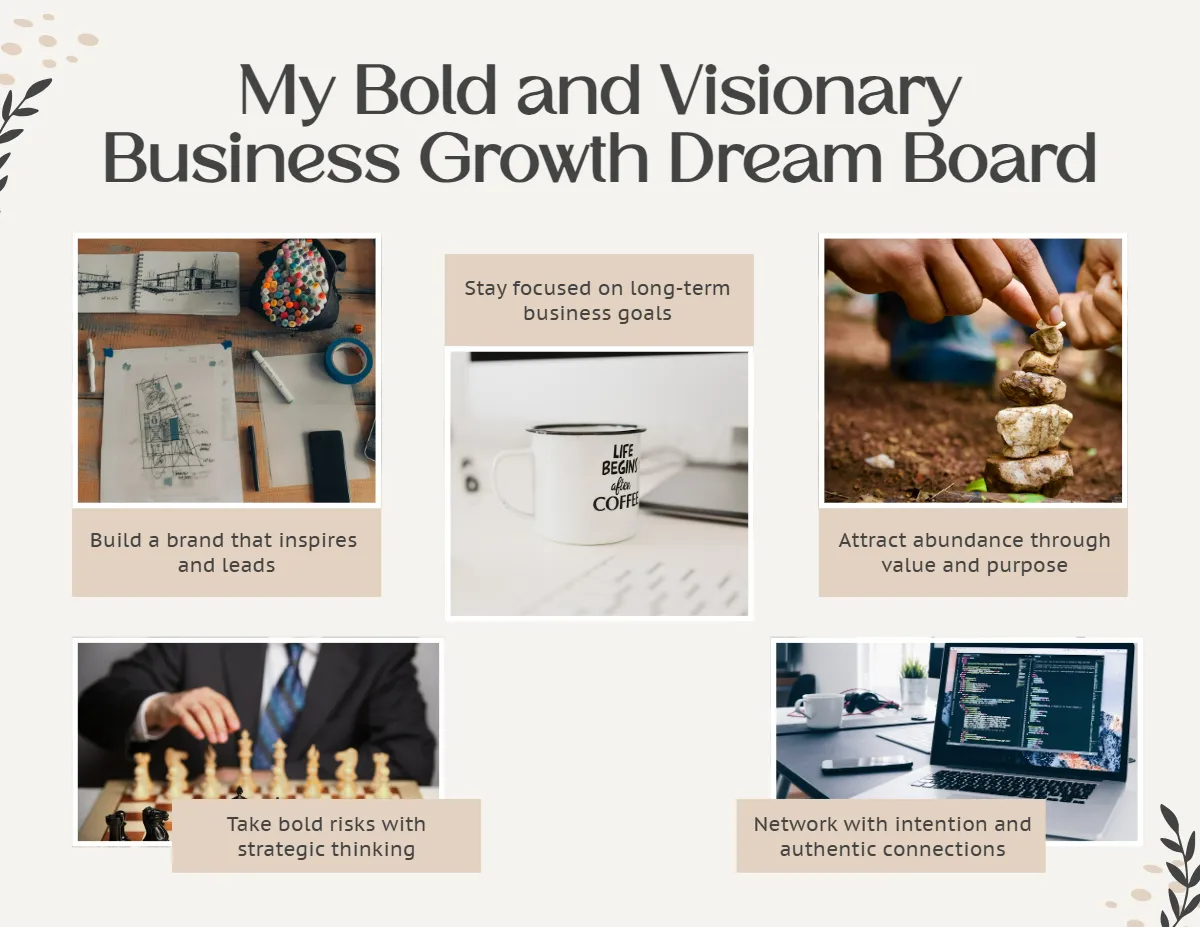
The most useful board therefore does more than look attractive. It should help you prioritize. If the main ambition is to become known for exceptional customer service, for example, the board might show the desired customer experience, service principles, team behaviors, review goals, and operational improvements that support that ambition.
What Should Go on a Small Business Vision Board?
Start with the future you want to create
Begin with the business itself rather than choosing attractive pictures at random. Ask what the company should look like after one year, three years, or five years. Consider the products you want to offer, the customers you want to serve, the reputation you want to build, and the type of working environment you want to create.

Your board can contain several categories, but each category should support the central vision. Useful areas include revenue, customers, products, marketing, brand identity, team development, operations, technology, community impact, and the owner’s preferred lifestyle.
- Business direction: Show what the company should become and what makes it distinctive.
- Customer experience: Represent the type of service, relationship, or transformation customers should receive.
- Growth: Visualize expansion into new products, locations, audiences, or distribution channels.
- Financial priorities: Include meaningful targets such as profitability, cash-flow stability, or reinvestment.
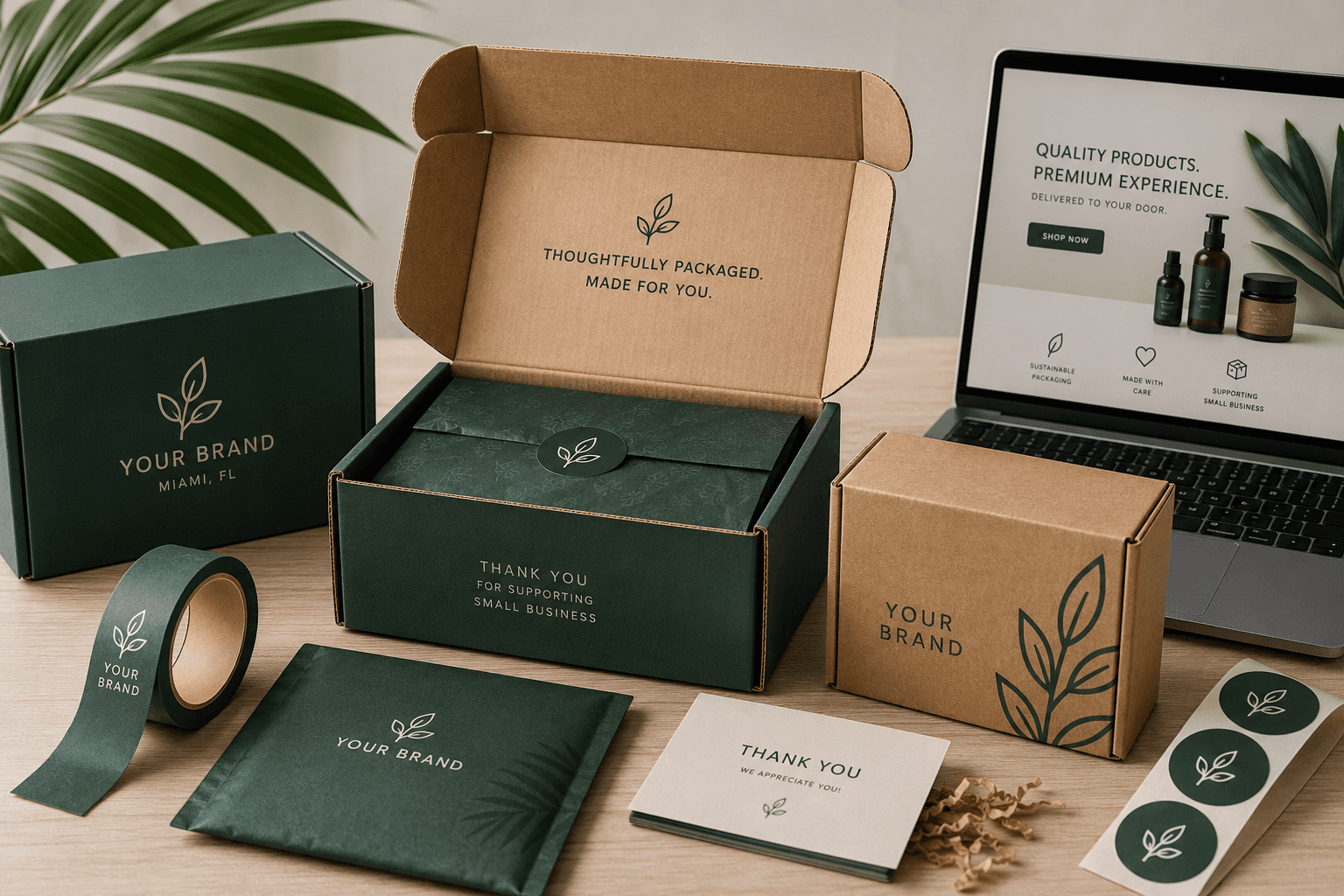
- Brand identity: Use colors, typography, photography, packaging, and design references that express the desired personality.
- Team and culture: Show the behaviors, collaboration style, and working environment you want to encourage.

Small Business Vision Board Ideas That Feel Practical
Build the board around measurable themes
One of the strongest small business vision board ideas is to connect every inspirational image with an action or measurement. Instead of using a generic photograph representing success, choose a visual that reflects a specific business outcome. A picture of a retail storefront could represent your target location. A product shelf could represent a product-line expansion. A conference room could represent your first dedicated team space.
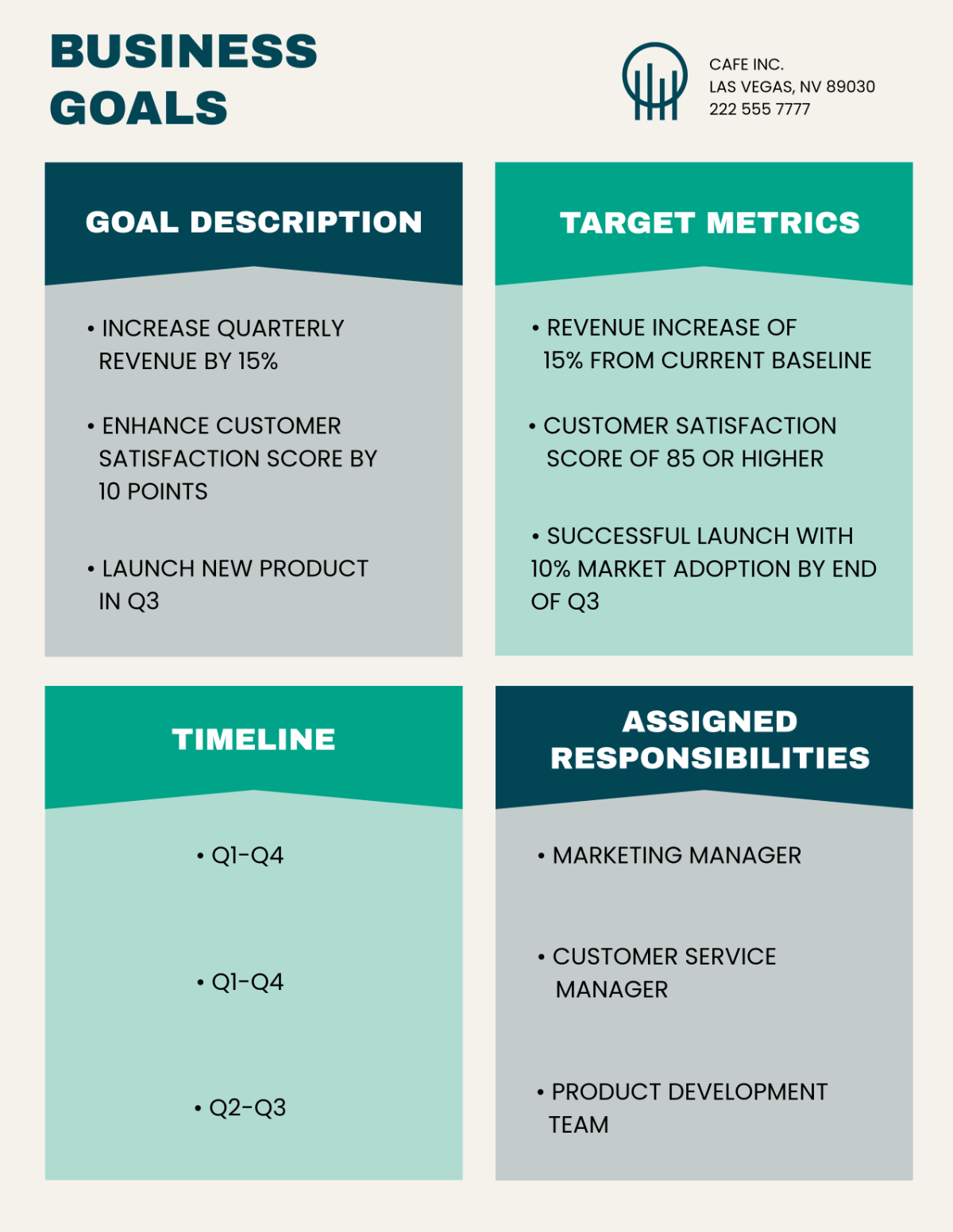
You can also divide the board into time horizons. The first section can represent what needs to happen within the next 90 days. The second can represent the next year. The final area can represent the longer-term destination. This approach keeps ambitious goals visible without allowing distant dreams to overwhelm immediate priorities.
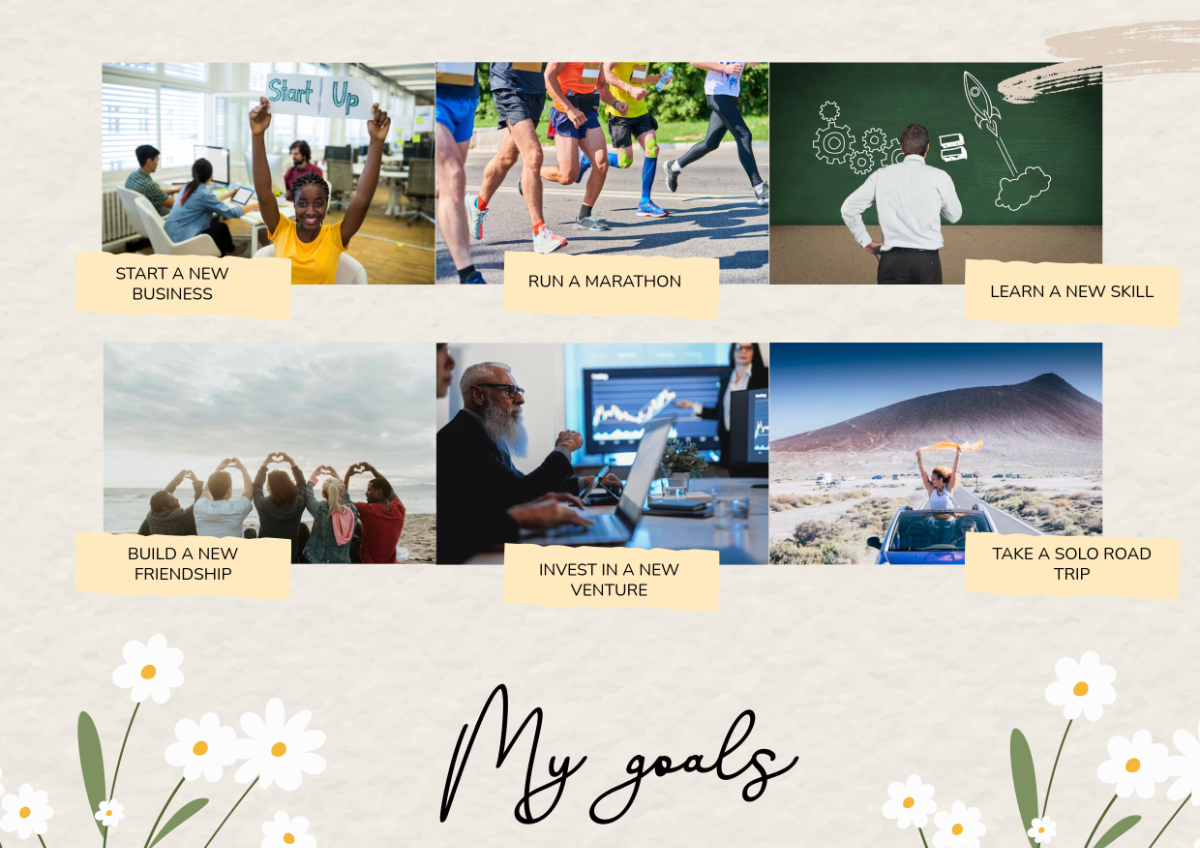
Another useful approach is to organize the board around the customer journey. Place the ideal customer in the center, then surround that image with discovery, purchase, delivery, support, retention, and advocacy. This can help a service business or online company connect its vision with the experience it wants customers to remember.
Use visual symbols instead of excessive text
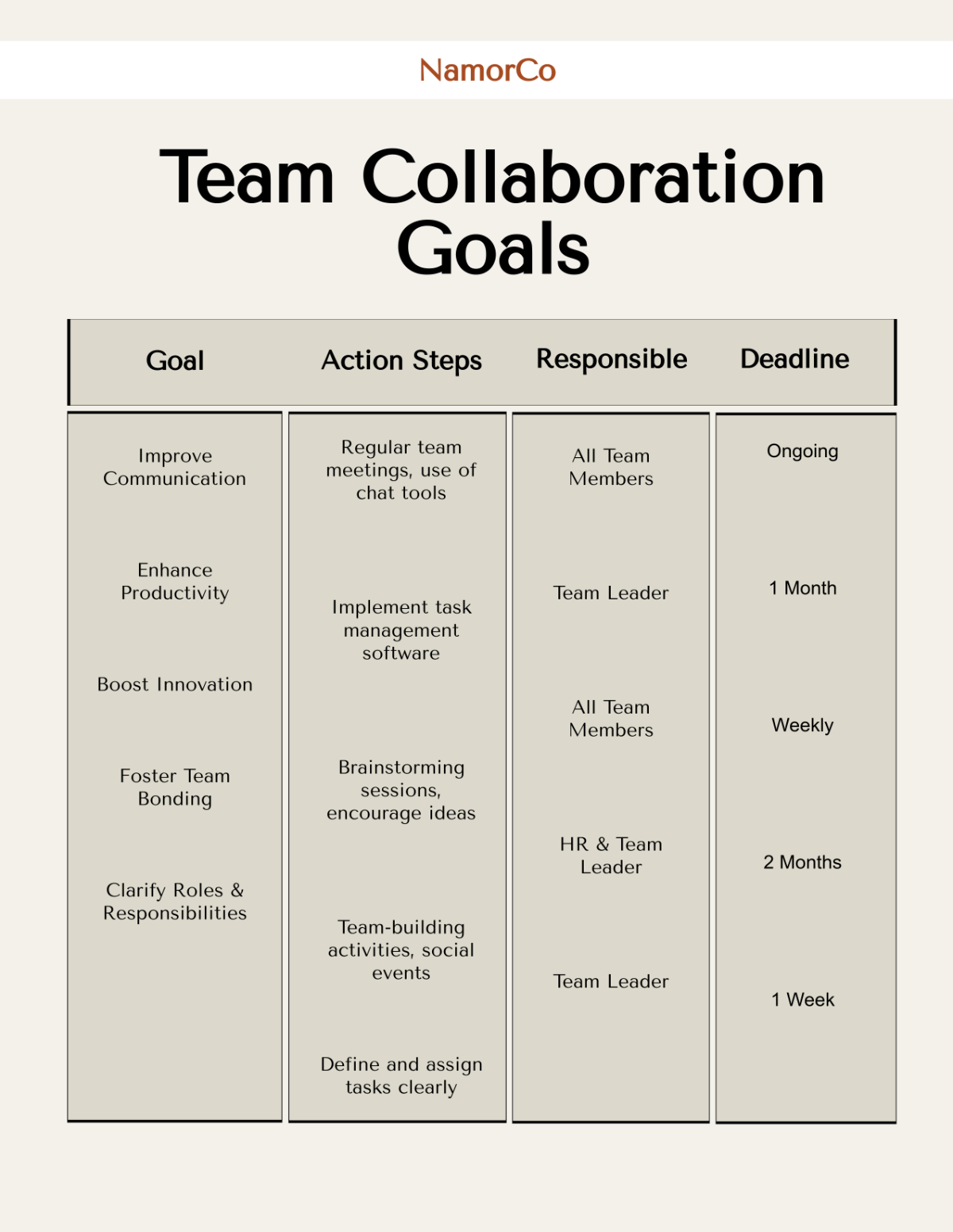
A strong board should be understandable quickly. Long paragraphs can make it feel like another business document. Use short phrases, numbers, symbols, photographs, and visual references to communicate the main ideas. You can keep detailed explanations in your business plan or project management system while the board remains focused on direction.
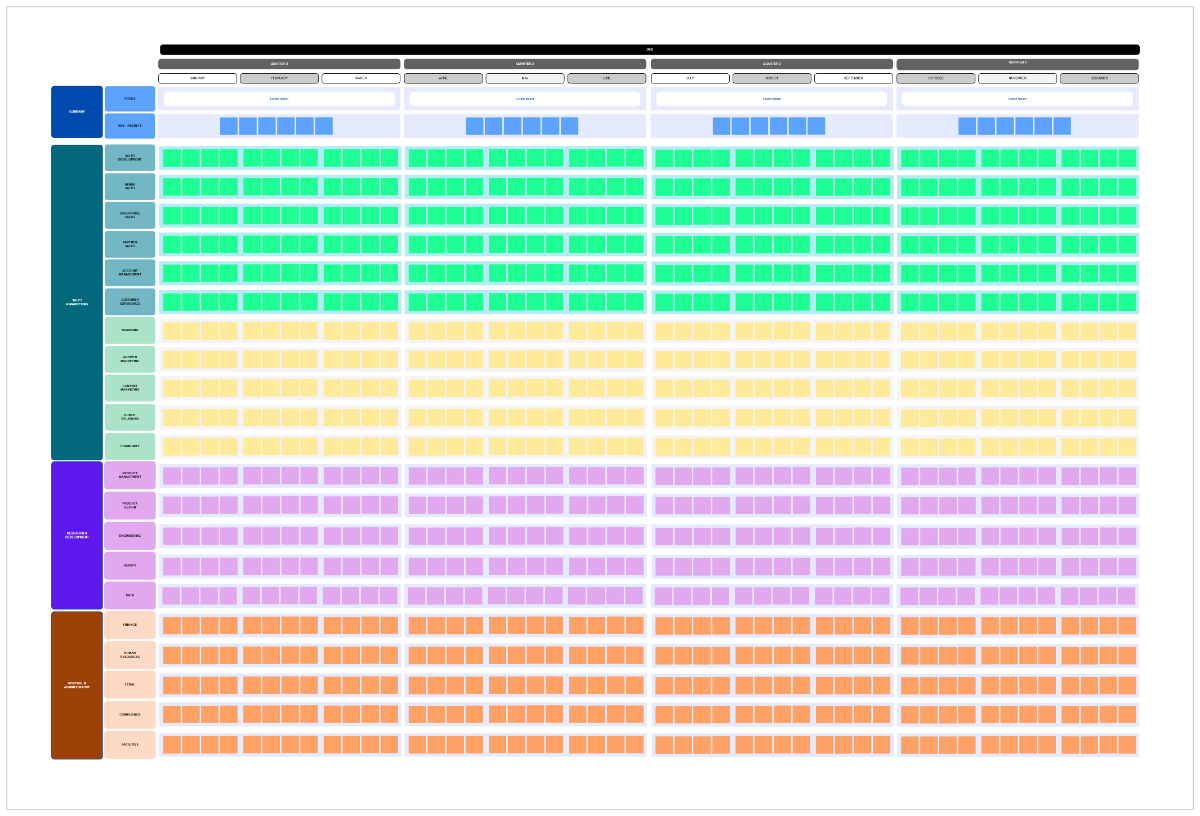
For example, a coffee company might use an image of a welcoming café, a product package, a map showing desired distribution areas, a phrase describing its customer promise, and a simple annual growth target. Those elements tell a strategic story without requiring several pages of explanation.
Small Business Vision Board Examples for Different Businesses
Retail and product businesses
A retail board can focus on store atmosphere, product presentation, customer experience, packaging, merchandising, and expansion. Include images that represent the ideal shopping environment as well as references for product collections and brand personality.
A product-based company can also create a board around its next product family. Show materials, colors, packaging concepts, customer use cases, distribution ideas, and the emotional experience you want the product to create.
Creative and service businesses
For consultants, agencies, designers, photographers, coaches, and freelancers, the board can focus less on physical products and more on positioning. Useful elements include the type of client you want, the quality level you want to deliver, the visual character of your portfolio, preferred projects, collaboration style, and professional milestones.
A service business can also use customer testimonials as visual prompts, provided that the material is used appropriately. The purpose is not to create a wall of praise but to identify the qualities customers value most and turn those qualities into future standards.
Digital businesses and startups
A digital company might emphasize user growth, product development, customer segments, technology priorities, partnerships, and geographic reach. A digital board can be especially useful when the team works remotely because it provides a shared visual reference that everyone can access.
If your business is preparing for expansion, include a map, customer profiles, product concepts, team roles, and a timeline. This helps transform the board from a collection of dreams into a visual roadmap.

How to Create a Small Business Vision Board
Step 1: Define the central vision
Write one sentence describing the future you want. It should be specific enough to guide decisions but broad enough to remain useful as the business develops. For example, a handmade skincare company might aim to become a trusted regional brand recognized for thoughtful ingredients and exceptional customer care.
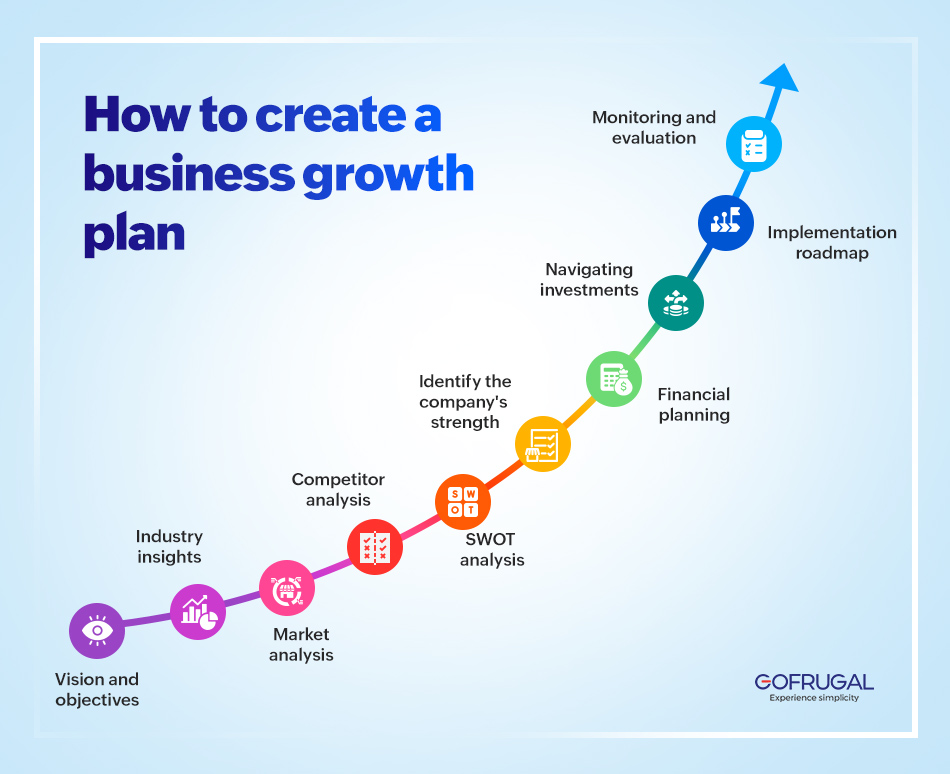
Step 2: Choose five to seven priorities
Too many priorities make a board difficult to interpret. Select the areas that matter most. Revenue, customer loyalty, brand recognition, product development, team capability, operational efficiency, and personal flexibility are possible categories. Choose only those that actually relate to your business.
Step 3: Collect meaningful visuals
Look for images that represent outcomes rather than vague ambition. If your goal is stronger branding, collect references for packaging, typography, photography, storefronts, or digital experiences. If your goal is expansion, use maps, locations, distribution concepts, or customer environments.
When researching ideas, you may encounter small business vision board Pinterest collections. These can be useful for discovering visual styles, layouts, color combinations, and composition ideas. However, use them as inspiration for your own board rather than simply reproducing someone else’s design.
Step 4: Turn inspiration into action
For every major visual, identify the business behavior behind it. A picture of a larger office might mean reaching a certain team size or revenue level. A picture of a new product could mean completing research, testing prototypes, validating demand, and preparing production. This connection is what makes the board strategically useful.

Small Business Vision Board Template: Choosing the Right Format
Physical board
A physical board works well when creativity and team participation are important. You can use a corkboard, poster board, magnetic surface, printed photographs, handwritten notes, sketches, and product samples. The advantage is that the board occupies physical space and can become part of the working environment.
Digital board
A digital small business vision board template is convenient when your team works across locations. A presentation, whiteboard, design file, or collaborative workspace can contain multiple pages for the overall vision, brand direction, customer experience, financial priorities, milestones, and action plans.

A presentation-style board can also become useful during planning meetings. One page might communicate the central vision, another might show the customer, another could show the desired market position, and additional pages can visualize milestones and strategic priorities.

Small Business Vision Board PPT format
A small business vision board ppt format is useful when the board needs to be presented to a team, partner, investor, or leadership group. Keep each slide visually focused. Use one major concept per slide and avoid filling the layout with dense business-plan text.

A good presentation can include a title slide, central vision, brand personality, ideal customer, major goals, growth roadmap, customer experience, team culture, and a final action page. The visual system should remain consistent so the presentation feels like one connected story.

Writing the Vision Statement Behind the Board
What makes a useful vision statement?
Your board becomes stronger when it has a clear statement at its center. A vision statement describes the future state you are working toward. It is not simply a slogan and it should not describe every operational task. Instead, it should communicate the company’s desired direction and the value it hopes to create.

When looking at small business vision statement examples, focus on the underlying structure rather than copying the wording. A useful statement can answer three questions: who do you want to serve, what change do you want to create, and what should the business be known for?
For example, a local education company might describe a future in which accessible learning helps more young people develop practical skills. A sustainable clothing brand might focus on making thoughtfully designed products while encouraging more responsible purchasing habits. The strongest statements are relevant to the company’s actual purpose.
How to Connect a Vision Board With Business Strategy
Move from aspiration to measurement
A board should inspire, but inspiration alone does not manage a company. Add a small number of measurable indicators to the visual system. These might include recurring revenue, customer retention, product launches, qualified leads, conversion rates, repeat purchases, delivery performance, or team-development milestones.

The objective is not to turn the board into a dashboard. Instead, use selected measurements to check whether the business is moving in the intended direction. If a visual represents stronger customer loyalty, for example, decide which customer behavior will demonstrate that progress.
Create a timeline
A timeline helps connect the present with the desired future. Break a large ambition into stages. A new store might require market research first, followed by financial preparation, location selection, setup, launch, and post-launch improvement. Each stage can have a visual marker on the board.

Review the timeline regularly. A vision board should be allowed to evolve as new information appears. Some goals may become more important, while others may no longer make sense. Updating the board is not a sign that the original vision failed; it is part of responsible planning.
Business Vision Board Examples and Advanced Ideas
Use a customer-centered board
Instead of starting with what you want to achieve financially, start with the customer transformation. Put the ideal customer experience at the center and build supporting elements around it. This approach can reveal gaps between what the business wants and what customers actually value.

Build a brand mood board inside the vision
A brand-focused section can contain colors, packaging references, typography, photography styles, storefront concepts, website inspiration, and examples of tone. This is especially helpful when multiple people create marketing materials because everyone can refer to the same visual direction.
Use milestones as evidence of progress
One of the most practical business vision board ideas is to reserve space for completed milestones. When a product launches, important customer relationship develops, new capability is introduced, or major operational improvement is completed, represent it visually. This creates a record of progress and keeps the board connected to reality.

This approach can also support internal motivation. Rather than showing only distant ambitions, the board demonstrates that meaningful progress is already happening. Over time, the board becomes both a direction-setting tool and a visual history of the company’s development.
Small Business Vision Board Success Stories: What to Learn
Focus on the process, not magical outcomes
Searches for small business vision board success stories often focus on dramatic transformations. A more useful lesson is to examine the process behind those stories. A board is most valuable when it helps an owner clarify priorities, communicate direction, review progress, and consistently make decisions that support the chosen destination.
Imagine a small bakery that wants to become known for premium custom celebration cakes. Its board might show the desired product style, customer experience, packaging, photography direction, production workspace, marketing channels, and training goals. Each image becomes a prompt for an operational decision rather than a passive wish.
After several months, the owner can review which parts of the vision have moved forward and which have stalled. That review may reveal that the real constraint is production capacity rather than marketing. The board has therefore helped expose a strategic priority that might otherwise have been overlooked.
Small Business Vision Insurance Is a Different Search Intent
Do not confuse vision planning with insurance
The phrase small business vision insurance refers to a different subject from a business vision board. Vision insurance generally relates to coverage for eye examinations, corrective lenses, or related services, depending on the policy and provider. It does not describe a planning method for defining a company’s future.
If you are researching business direction, goals, brand identity, or strategic planning, a vision board is the relevant concept. If your research concerns employee benefits or insurance coverage, evaluate the policy details separately. Keeping these two search intents distinct makes your research more accurate and prevents unrelated information from entering your planning process.
Common Mistakes to Avoid
Making the board attractive but vague
A visually beautiful board can still be strategically weak. If every image represents an undefined idea such as success, wealth, growth, or freedom, it may be difficult to know what action should follow. Replace vague aspirations with concrete visual references whenever possible.
Another mistake is including too many goals. A company cannot pursue every opportunity at the same time. Select the priorities that matter most and let the board communicate those priorities clearly.
Never reviewing the board
Putting a board on a wall and forgetting about it defeats much of its purpose. Schedule a short monthly review. Ask what has changed, what has been completed, what is blocked, and whether the original direction still reflects the business.
You should also distinguish between a vision and a prediction. A vision describes a direction you want to pursue. It does not guarantee that every element will happen exactly as imagined. Market conditions, customer needs, resources, and opportunities can change, so flexibility is essential.
FAQ About Small Business Vision Boards
What should a small business vision board include?
It can include a central vision statement, customer references, business goals, brand inspiration, product concepts, growth milestones, team values, financial priorities, and images representing the desired future. Choose only elements that support the company’s actual direction.
How often should I update my vision board?
A monthly review is practical for most small businesses, while a deeper revision can be performed quarterly or annually. Update the board whenever a major strategic change makes part of the existing vision outdated.
Can a vision board replace a business plan?
No. A vision board and a business plan serve different purposes. The board communicates direction visually, while the business plan provides detailed information about execution, operations, finances, marketing, and other strategic areas.
Is a digital board better than a physical board?
Neither format is universally better. A physical board can be highly visible and engaging for a local team, while a digital board is convenient for remote collaboration and presentation. Choose the format that your team will actually review and use.
What are good business vision board examples based on goals?
Useful examples include boards centered on customer growth, product launches, brand repositioning, market expansion, team development, improved customer experience, operational efficiency, or a balanced owner lifestyle. The best example is one that connects the desired outcome with specific actions.
How can I make my board more actionable?
Attach an action or measurement to every major goal. If an image represents expansion, define the milestone that signals progress. If an image represents stronger customer loyalty, select an appropriate customer metric. This turns visual inspiration into a practical management tool.
Final Takeaway
A small business vision board works best when it combines imagination with strategic clarity. Start with a meaningful vision, select a small number of priorities, choose visuals that represent specific outcomes, and connect those visuals with actions and measurements. Whether you prefer a physical board, a digital workspace, or a business vision board template in presentation format, the goal remains the same: make the future direction of the business easier to see and easier to act on. When reviewed consistently, your board can become a simple but powerful companion to everyday decision-making, helping you keep short-term tasks connected to the larger business you want to build.