A Market Research Methodology Template gives businesses, researchers, marketers, procurement teams, and product managers a structured way to plan research before collecting information. Instead of starting with a survey, interview, spreadsheet, or presentation without a clear direction, a methodology template helps define the research problem, objectives, audience, methods, data sources, analysis process, and final recommendations.

The search intent behind a market research methodology template is usually practical and informational. People want a reusable framework that tells them what information to include and how to organize a research project from beginning to end. A useful template should therefore do more than provide empty headings. It should help the researcher make better decisions about what to study, who to study, which methods to use, and how findings will influence business actions.
This guide explains how to build and use a strong methodology template, with practical market research examples, guidance for product development and procurement, and suggestions for document, PDF, and presentation formats.
What Is a Market Research Methodology Template?
A market research methodology template is a structured document that explains how research will be conducted. It is the operating plan behind the research project. While a market research report focuses on findings and recommendations, the methodology explains the process used to produce those findings.

A complete template normally covers the research objective, key questions, target market, research design, primary and secondary data sources, sampling approach, data collection methods, analysis techniques, timeline, limitations, and reporting format. The exact structure can change depending on whether the project involves customer research, competitor analysis, product validation, supplier research, or government procurement.
The main advantage of using a repeatable framework is consistency. Teams can compare projects more easily, identify missing information before fieldwork begins, and make sure research is connected to an actual business decision.
Why a Structured Research Methodology Matters
Research can become expensive and confusing when the process begins with a method instead of a problem. For example, a team may decide to send a survey because surveys are easy to create, even though the real challenge is understanding why customers abandon a product after purchase. In that situation, interviews or customer journey research may provide more useful evidence.

A methodology template encourages researchers to work in the correct order. First, define the decision. Next, identify what must be learned. Then choose the method that can produce reliable evidence. This approach reduces wasted effort and helps stakeholders understand why particular research methods were selected.
- Creates clear research objectives.
- Connects research questions to business decisions.
- Improves consistency across projects.
- Helps control research scope and budgets.
- Documents assumptions and limitations.
- Makes findings easier to evaluate and reproduce.
- Improves communication between researchers and stakeholders.

Core Sections of a Market Research Methodology Template
The best template is detailed enough to guide the work but flexible enough to support different industries. The following sections form a practical foundation.
1. Research Background and Business Context
Start by describing the situation that created the need for research. Explain the market, product category, customer challenge, competitive issue, procurement requirement, or strategic decision. This section gives future readers context and prevents the project from becoming a collection of disconnected data.
2. Research Objective
Define what the research must accomplish. A strong objective is specific and decision-focused. For example, “Understand customer preferences” is too broad. A stronger objective would be “Determine which three product features most influence purchase intention among first-time buyers in the target market.”
Useful objectives often answer questions about demand, awareness, pricing, customer needs, satisfaction, competitors, distribution channels, supplier capability, or product-market fit.

3. Research Questions
Research questions turn a broad objective into specific areas of investigation. Each question should lead to information that can support a decision. Examples include:
- Who is most likely to purchase the product?
- What problems are customers trying to solve?
- Which competitor alternatives are customers considering?
- What price range appears acceptable?
- Which factors influence supplier selection?
- What barriers prevent adoption?

4. Target Population and Segmentation
Specify who or what will be studied. Depending on the project, this may include consumers, business buyers, existing customers, former customers, suppliers, distributors, industry experts, or internal stakeholders.
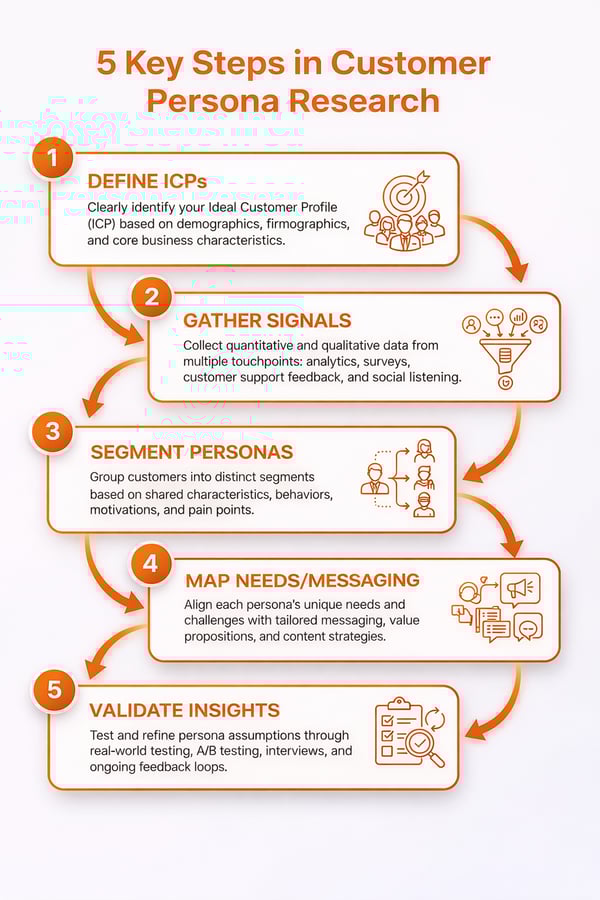
The template should document relevant segmentation criteria such as location, industry, company size, purchasing behavior, income level, product usage, or customer lifecycle stage. Clear segmentation prevents the research from collecting opinions from people who are not relevant to the decision.
Choosing the Right Research Design
A Market Research Methodology Template should include a section explaining the overall research design. The three common approaches are exploratory, descriptive, and causal research.
Exploratory research is useful when the problem is not yet fully understood. Interviews, focus groups, observation, and secondary research can reveal motivations and unknown issues.

Descriptive research measures characteristics, behaviors, preferences, and market conditions. Surveys, structured observation, and market databases are common tools.
Causal research examines whether one factor causes another. For example, a company may test whether changing product packaging increases purchase intention.
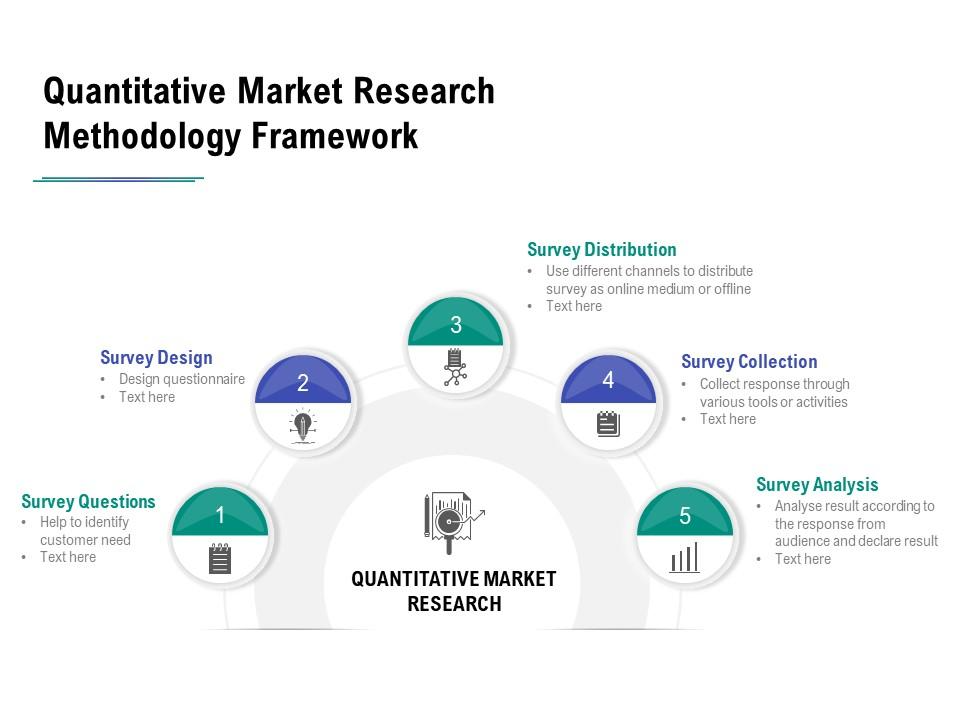
Many strong projects use a mixed-method approach. Qualitative research may first identify important themes, followed by quantitative research to measure how widely those themes apply across a larger population.
Primary and Secondary Data Sources
Primary data is collected specifically for the current project. Examples include surveys, interviews, focus groups, product tests, experiments, and observation. Secondary data already exists and may include industry reports, public statistics, company records, market databases, trade publications, and competitor information.

A practical methodology often begins with secondary research. Existing information can reveal market size, industry trends, competitor positioning, and unanswered questions. Primary research can then focus on gaps that secondary sources cannot answer.
The template should record every major source category and explain why it is relevant. Researchers should also assess source quality, publication date, potential bias, and geographic relevance.

Sampling and Data Collection
The sampling section explains how participants or data points will be selected. A good methodology identifies the target population, estimated sample size, selection criteria, recruitment method, and possible sources of sampling bias.
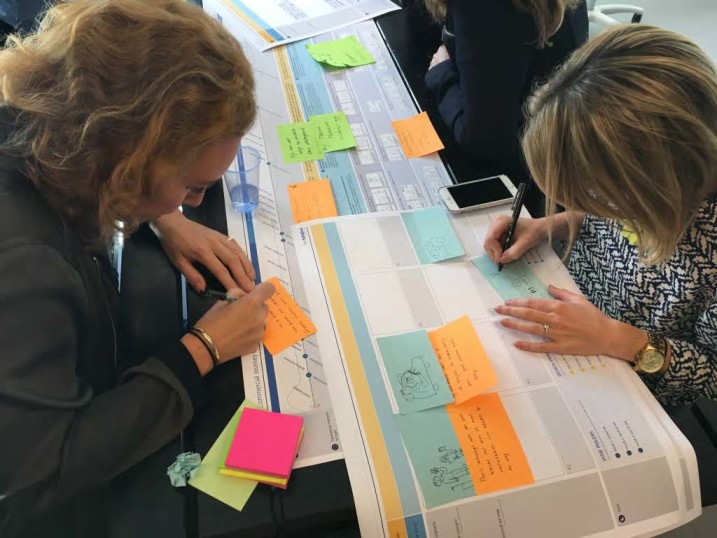
For quantitative studies, sample size should reflect the level of confidence and precision required. For qualitative research, the goal is usually depth and diversity of relevant experiences rather than statistical representation.
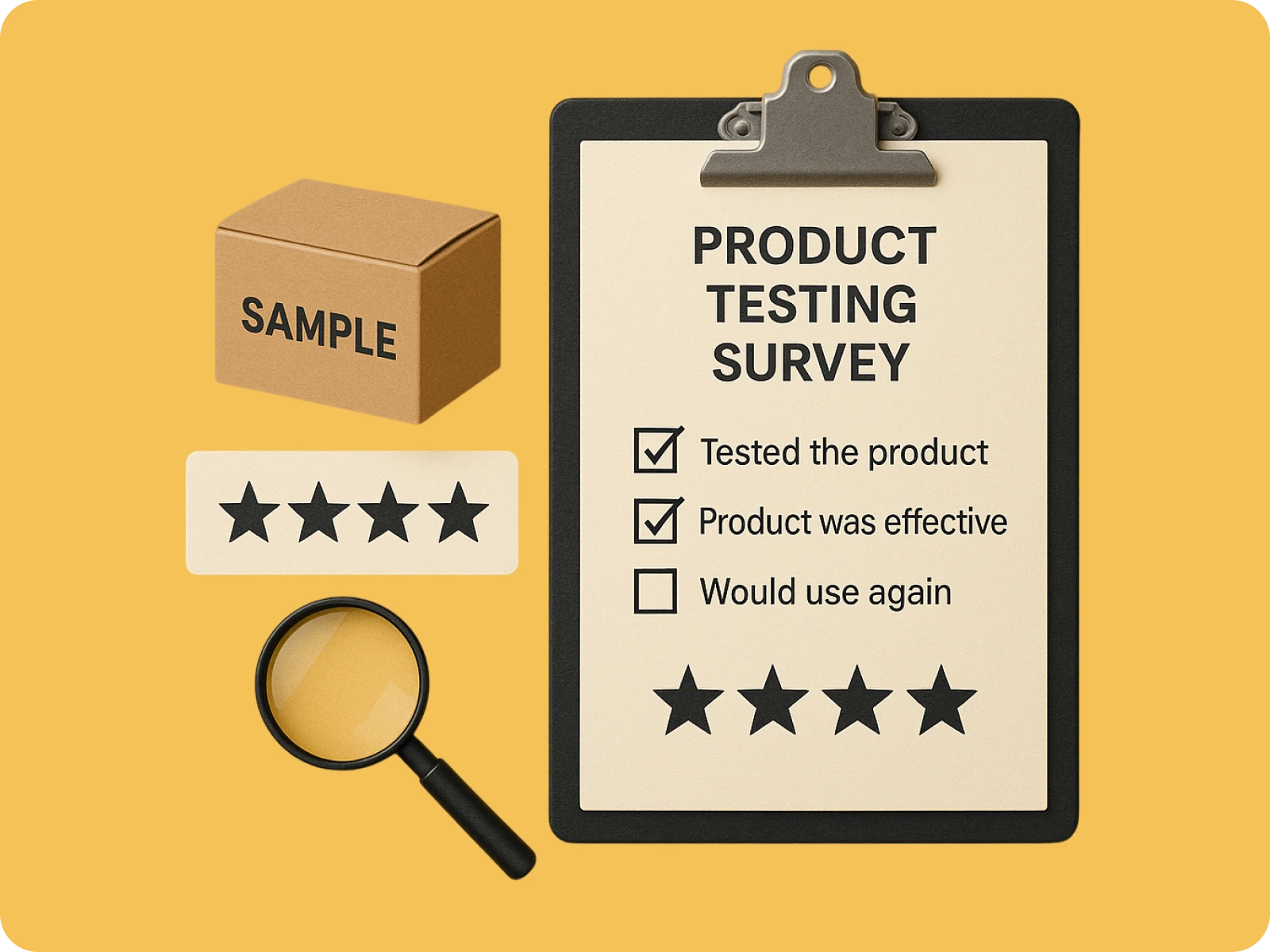
The data collection section should specify the instrument being used. For example, document whether the study uses an online questionnaire, telephone interview, in-person discussion, usability test, observation checklist, or product testing form.
How to Build a Product Market Research Template
A product market research template should focus on the relationship between a product idea and real customer demand. It is especially useful before launching a new product, adding features, changing positioning, or entering a new category.
Include sections for customer problem definition, target segments, existing alternatives, product concept, feature priorities, expected benefits, willingness to pay, purchase barriers, competitor comparison, and success criteria.

For example, a software company considering a new subscription feature could interview customers to discover unmet needs, test a prototype with selected users, then run a larger survey to estimate demand. The methodology would document how each stage contributes to the launch decision.
Market Research Examples for Different Business Needs
Practical market research examples help teams understand how the same framework can support different decisions. A retail company may study customer demographics and pricing. A software company may examine product usability. A manufacturer may analyze suppliers and raw-material availability.
Consider a new coffee brand entering a competitive city market. The methodology might begin with secondary research on local competitors and price ranges. Researchers could then conduct interviews to understand purchasing habits, followed by a survey measuring flavor preferences and price sensitivity. Finally, the company could test several product concepts before deciding which offer to launch.
The lesson is that methodology should follow the decision. There is no single method that works equally well for every market question.
Using a Procurement Market Research Template
A procurement market research template has a different emphasis from customer-focused research. Procurement teams need information about suppliers, pricing structures, market capacity, supply risk, geographic conditions, technology changes, regulations, and alternative sources.

The methodology should define the procurement category, scope of supply, supplier landscape, market concentration, cost drivers, sourcing risks, evaluation criteria, and data sources. It should also explain how information will be validated before influencing supplier strategy.

For procurement projects, a useful approach is to combine supplier interviews, published market intelligence, historical purchasing data, cost analysis, and competitive supplier benchmarking.
Specialized Templates: DoD, Documents, PDF, and PowerPoint
A methodology framework can be adapted to organizational requirements. For example, a dod market research template may require more formal documentation, traceability, defined requirements, approved data sources, and evidence supporting acquisition or sourcing decisions.
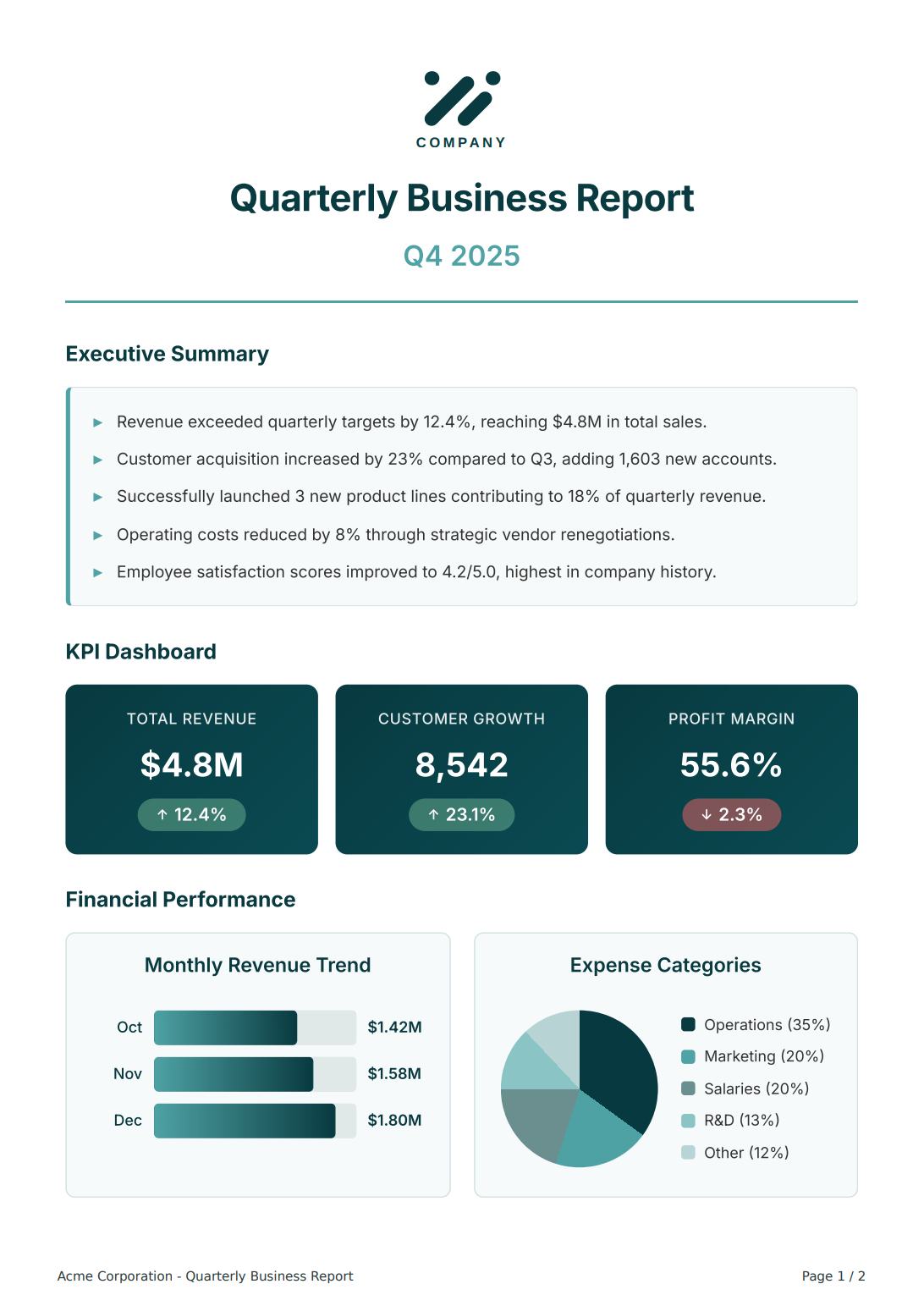
A market research document template is useful when teams need a complete written record. It can include the background, objectives, methodology, instruments, findings, limitations, conclusions, and appendices in one consistent structure.
A market research template pdf is useful when the final methodology or report needs to be shared in a stable, professional format. PDF files help preserve formatting when documents are distributed across teams, departments, or external stakeholders.
A market research template ppt is more appropriate when presenting insights to executives or project teams. Slides should not simply copy every detail from the research document. Instead, they should summarize objectives, methods, key findings, evidence, implications, and recommended actions.
Can You Use a Free Printable Market Research Template?
A free printable market research template can be valuable for workshops, classroom projects, startup planning sessions, product brainstorming, or small business research. A printable version is most useful when it contains guided prompts rather than empty boxes.
A simple printable worksheet can include these prompts:
- What business decision will this research support?
- What do we already know?
- What information is missing?
- Who should provide the information?
- Which research method is most appropriate?
- How will participants or sources be selected?
- How will results be analyzed?
- What decision will be made after reviewing the findings?
This structure helps small teams avoid the common mistake of collecting information without knowing how it will be used.
How to Analyze and Interpret the Results
Data collection is only one stage of the methodology. The template should also explain how information will be cleaned, organized, analyzed, and interpreted.
Quantitative analysis may include percentages, averages, cross-tabulations, trend analysis, segmentation, correlations, or other statistical methods. Qualitative analysis may involve transcription, coding, theme identification, comparison of responses, and interpretation of recurring patterns.
Researchers should distinguish between a finding and an implication. A finding describes what the evidence shows. An implication explains why the finding matters to the business. Recommendations should then identify what action should be considered.
Common Mistakes to Avoid
Even a well-designed template can produce weak research when the process is poorly managed. One common mistake is starting with a preferred method instead of a clear objective. Another is using leading survey questions that encourage respondents to confirm what the business already believes.
Other mistakes include selecting an irrelevant sample, treating outdated secondary information as current evidence, ignoring contradictory findings, and presenting percentages without considering sample limitations.
- Do not collect data without defining the decision first.
- Do not confuse opinions with representative market evidence.
- Do not rely on one data source when validation is possible.
- Do not hide important limitations.
- Do not turn research findings into recommendations without explaining the connection.
Best Practices for Creating a Reusable Template
The strongest Market Research Methodology Template is modular. Keep core sections consistent, but allow teams to add specialized modules for pricing research, product testing, procurement, customer experience, competitor analysis, or geographic expansion.
Use clear language so non-research stakeholders can understand the methodology. Define ownership for each stage, establish a realistic timeline, and decide in advance how results will be reviewed. It is also helpful to include a final quality-check section covering source credibility, sample relevance, data completeness, analysis accuracy, and alignment with the original objective.
Final Takeaway
A well-designed Market Research Methodology Template turns market research from an unstructured information-gathering exercise into a repeatable decision-making process. Whether you need a customer study, a product market research template, a procurement market research template, a formal dod market research template, a market research document template, or a presentation-ready market research template ppt, the essential principle remains the same: start with the decision, define the questions, select appropriate methods, collect credible evidence, analyze it carefully, and translate the results into practical action. A flexible template built around those steps will save time, improve consistency, and help research produce insights that are genuinely useful.