An Ethnographic Research Template gives researchers, students, and professionals a practical structure for studying people in their natural social environments. Ethnography can produce rich insights into everyday behavior, relationships, routines, values, language, and cultural meaning, but the research process can become difficult to manage without a clear framework.
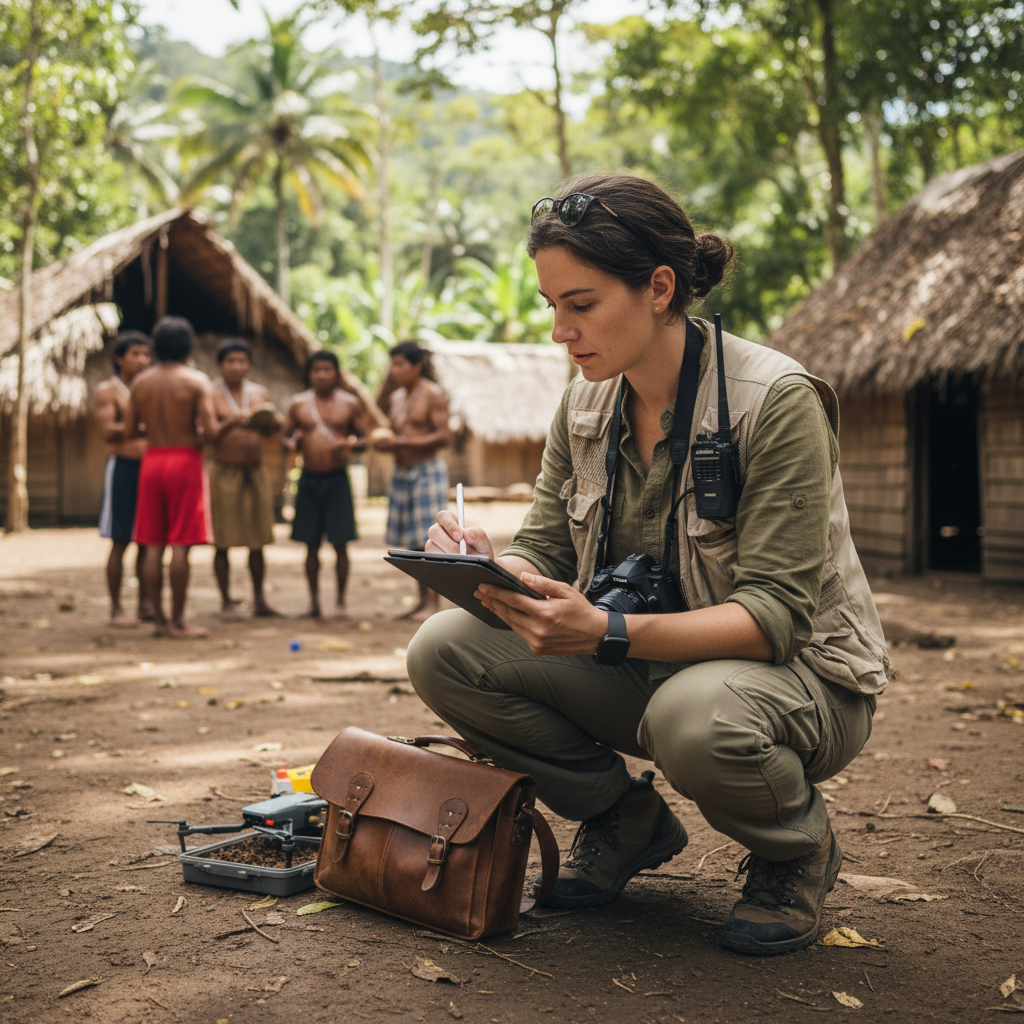
A useful template does not force every ethnographic project into the same rigid format. Instead, it provides a flexible roadmap for defining a research problem, entering the field, building rapport, observing participants, recording field notes, conducting interviews, analyzing patterns, and writing meaningful findings.
This guide explains how to create and use an effective ethnographic research structure from beginning to end. It also provides practical examples, advice for students, common mistakes to avoid, and guidance for anyone searching for an ethnography research sample pdf, ethnographic research paper examples pdf, or a reliable framework for completing an original field study.
What Is an Ethnographic Research Template?
An ethnographic research template is a structured planning and documentation framework used to organize an ethnographic study. Ethnography is a qualitative research approach focused on understanding people within their everyday environments. Rather than studying behavior only through surveys or controlled experiments, the researcher spends time observing and interacting with participants in context.
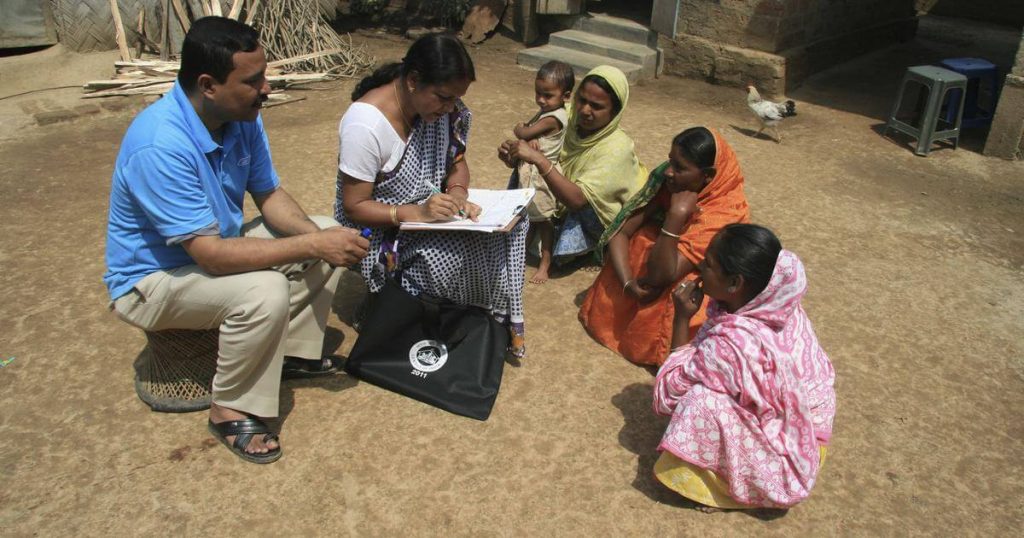
The template helps researchers organize several important parts of the process, including the research question, field setting, participant group, observation plan, interview strategy, ethical considerations, field notes, coding process, and final interpretation.
Ethnography is especially valuable when researchers need to understand not only what people do, but also why their actions make sense within a particular social or cultural context. A person may describe one behavior during an interview while acting differently during daily life. Observation allows the researcher to examine these differences without assuming that either source of information is automatically more accurate.
For example, a researcher studying how university students collaborate may discover through observation that informal conversations before and after class are more important to group learning than formal assignments. This type of contextual discovery is one reason ethnography remains useful across anthropology, sociology, education, healthcare, business, design, organizational studies, and digital communities.
Why Use an Ethnographic Research Template?
Ethnographic research can generate large amounts of unstructured information. A researcher may collect observations, conversations, interview recordings, photographs, documents, maps, digital interactions, personal reflections, and descriptive field notes. Without a consistent system, important details can easily be forgotten or disconnected from the original research question.

A template creates consistency while still allowing the researcher to respond to unexpected discoveries in the field. Good ethnography is often iterative. Early observations may reveal that the original assumptions were incomplete, causing the researcher to revise questions and explore new patterns.
The main benefits include:
- Creating a clear research focus before entering the field.
- Organizing observation sessions and field notes consistently.
- Helping researchers distinguish description from interpretation.
- Supporting ethical planning and participant protection.
- Making it easier to compare observations collected on different days.
- Improving transparency during qualitative data analysis.
- Providing a logical structure for writing the final research paper.
Students can also use a template as a starting point when reviewing a sample of ethnographic research paper. Instead of copying the structure of another author’s work blindly, they can identify the essential components and adapt them to their own research setting.
Core Components of an Ethnographic Research Template
1. Research Title and Topic
Begin with a focused but flexible title. The title should identify the social setting, group, practice, or phenomenon being explored.

Examples include:
- Everyday Collaboration Among First-Year University Students.
- An Ethnographic Study of Customer Interaction in Independent Coffee Shops.
- Remote Work Culture and Informal Communication in Distributed Teams.
- Social Learning Practices in an Online Gaming Community.
A strong title does not need to explain every research detail. Its purpose is to provide a clear indication of the setting and central phenomenon.
2. Background and Research Problem
The next section explains why the topic deserves investigation. Describe the social, educational, organizational, or cultural issue that creates the need for the study. A good problem statement identifies what is already known, what remains unclear, and why direct observation may provide useful insight.

Avoid beginning with the assumption that the research already knows the answer. Ethnography works best when the researcher remains open to discovering meanings that participants themselves consider important.
3. Research Questions
Ethnographic questions are usually open-ended. They focus on experiences, meanings, interactions, routines, relationships, and practices rather than attempting to prove a narrow hypothesis.
Useful questions include:
- How do participants organize their everyday activities within this setting?
- What meanings do participants attach to their routines?
- How do newcomers learn the informal rules of the group?
- What interactions shape relationships and decision-making?
- How do physical or digital environments influence behavior?
A strong research question should be broad enough to allow discovery but focused enough to guide observation. Asking only, “What happens in this community?” may be too broad. Asking, “How do new members learn informal communication norms during their first month?” provides a clearer direction.
Choosing the Field Site and Participants
The field is the social environment where ethnographic research takes place. It may be a neighborhood, classroom, hospital, workplace, retail store, online community, religious organization, hobby group, or any other setting where people develop shared practices and meanings.

When choosing a field site, consider accessibility, relevance, ethics, time, and the potential to observe meaningful interactions. A site does not have to be geographically distant. Contemporary ethnography frequently examines familiar settings close to the researcher’s everyday life.
Your template should include:
- A description of the setting.
- The reason the site is relevant to the research question.
- The expected participant group.
- How access will be obtained.
- Potential gatekeepers or organizational contacts.
- Expected observation period and schedule.

Researchers should also consider their own relationship with the field. An insider may understand local language and routines quickly but may overlook behaviors considered normal. An outsider may notice unfamiliar details but require more time to develop trust. Reflexivity helps researchers examine how their position influences the study.
Participant Observation in an Ethnographic Research Template
Participant observation is one of the most important parts of ethnography. The researcher observes people while participating in the social environment to an appropriate degree. The balance between participation and observation can change throughout the study.

A useful observation section should include practical prompts such as:
- What activities are taking place?
- Who is involved?
- Where do interactions occur?
- What language, gestures, routines, or symbols appear important?
- What seems ordinary to participants but meaningful to the researcher?
- What changes across time, situations, or participant groups?
Observation should involve more than simply recording isolated actions. Ethnographers look for context. A short conversation may have a different meaning depending on location, relationships, previous events, organizational rules, or cultural expectations.

How to Record Effective Field Notes
Field notes are the central written record of an ethnographic project. A good Ethnographic Research Template should separate different forms of notes so that direct observations are not confused with later interpretations.
A practical field-note structure can include:
- Date and time: When did the observation occur?
- Location: Where did the interaction take place?
- Participants: Who was present, using pseudonyms when necessary?
- Description: What happened?
- Direct language: Important words, phrases, or quotations.
- Context: Environmental and social factors surrounding the event.
- Researcher reflections: Questions, emotions, uncertainties, and possible interpretations.

Researchers should write expanded notes as soon as possible after leaving the field. Small details such as pauses, humor, body language, physical arrangements, background conversations, and emotional atmosphere can disappear from memory quickly.
At the same time, avoid writing interpretations as unquestionable facts. A statement such as “the employee was angry” may be an interpretation. A stronger descriptive note might say that the employee spoke loudly, interrupted twice, and left the room before the discussion ended. Interpretation can follow later when additional evidence is available.
Using Interviews Alongside Observation
Interviews allow participants to explain their own experiences and interpretations. They are particularly useful for understanding motivations, memories, values, and meanings that may not be visible through observation alone.

Ethnographic interviews are often semi-structured. The researcher prepares broad questions but remains flexible enough to follow unexpected topics.
Examples include:
- Can you describe what usually happens during this activity?
- How did you learn that this was the normal way of doing things?
- Has this practice changed over time?
- What would a newcomer need to understand about this group?
- What do outsiders often misunderstand about this setting?
When possible, compare interview accounts with observations, documents, and informal conversations. This does not mean trying to identify contradictions as mistakes. Differences between what people say and what they do can reveal important social pressures, ideals, expectations, or changing circumstances.
Ethnographic Research Methods and Data Sources
Researchers searching for ethnographic research methods pdf resources often find lists of methods without guidance about how those methods work together. The strength of ethnography usually comes from combining complementary forms of evidence.

Possible data sources include participant observation, informal conversations, semi-structured interviews, field notes, personal journals, organizational documents, photographs, maps, online interactions, and relevant digital records.
The template should clearly explain which sources will be collected and why. Collecting every possible type of data is not automatically better. Each source should help answer the research questions.

Example of an Ethnographic Research Study
An example of ethnographic research study might explore how freelance workers create a sense of community in a shared coworking space.
The researcher could spend eight weeks visiting the space at different times of day. Field notes could document seating patterns, informal conversations, shared routines, technology use, and interactions between regular members and newcomers. Semi-structured interviews could explore why workers choose the space and how they define professional relationships.
During analysis, the researcher might discover that the official networking events are less important than informal coffee breaks. This finding could become a central theme because repeated observations and interviews suggest that spontaneous interaction helps workers exchange advice, build trust, and develop professional opportunities.
This example demonstrates why ethnography is useful: important social patterns may not be obvious when the study begins.
How to Analyze Ethnographic Data
Ethnographic analysis often begins during fieldwork. Researchers notice patterns, ask new questions, and adjust future observations. After data collection, the process becomes more systematic.

A practical analysis process includes reviewing all field notes, organizing materials by date or source, identifying repeated actions and ideas, creating descriptive codes, comparing similarities and differences, developing broader themes, and connecting themes to the research question.
For example, notes from a classroom study might initially receive codes such as “peer assistance,” “informal humor,” “teacher absence,” and “group problem-solving.” Later analysis might reveal a broader theme involving informal peer networks as an important learning system.

Researchers should remain open to negative cases. Not every participant will behave in the same way. Exceptions may reveal that a cultural practice is conditional rather than universal.
Examples of Ethnographic Research Across Different Fields
There are many examples of ethnographic research because ethnography can be adapted to different social environments.

- Education: Studying how students create informal learning communities.
- Healthcare: Observing communication between patients, families, and medical staff.
- Business: Understanding customer behavior inside retail environments.
- Workplace research: Examining informal organizational culture.
- Digital ethnography: Studying online communities and digital interaction.
- Urban studies: Exploring how people use public spaces.
- Consumer research: Observing how products become part of everyday routines.
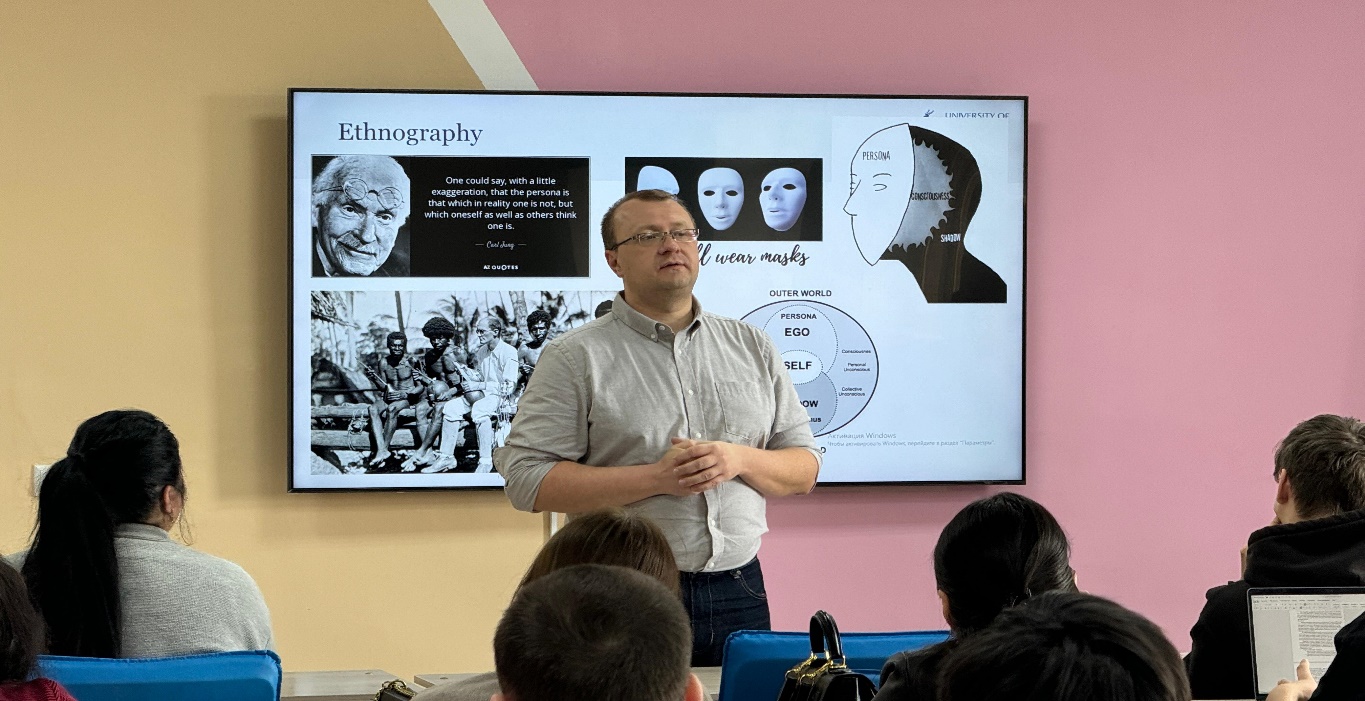
These applications differ in setting, but all involve systematic attention to context, meaning, interaction, and lived experience.
Ethics and Researcher Reflexivity
Ethnographic researchers may spend substantial time around participants, making ethical planning especially important. Participants should understand the research when consent is required, and researchers must protect privacy, confidential information, and potentially sensitive identities.
Your template should address informed consent, confidentiality, pseudonyms, secure data storage, recording permissions, photography permissions, possible risks, and procedures for participants who decide to withdraw.
Reflexivity is equally important. Researchers should regularly ask how their identity, assumptions, relationships, expectations, and emotions may influence the research process. A reflexive journal can document these issues and help distinguish participant perspectives from the researcher’s assumptions.
How to Write the Final Ethnographic Research Paper
A final paper should transform field material into a clear and meaningful account rather than simply presenting a diary of everything observed.
A practical writing structure includes an introduction, background and research problem, research questions, methodology, field setting, participants, researcher role, data collection methods, ethical considerations, findings, interpretation, limitations, and conclusion.
Students looking for ethnographic research paper examples pdf should examine published or educational examples to understand how researchers connect evidence with interpretation. However, examples should be used for learning structure, not for copying language or findings.
The same principle applies when searching for an ethnographic research sample. A useful sample can demonstrate organization, but every field site produces unique evidence.
Ethnography Paper Examples for Students: What to Learn From Them
Ethnography paper examples for students can be especially useful for understanding the difference between observation and interpretation. Many beginners write only descriptions of events or make broad claims without sufficient evidence.
A strong paper connects specific evidence with larger patterns. For example, instead of writing that “students value friendship,” an ethnographer can describe repeated interactions, direct participant explanations, shared routines, and moments where relationships affected group decisions.
When reviewing a sample of ethnographic research paper, look for how the author introduces the setting, explains the researcher’s role, presents evidence, uses participant voices responsibly, and develops themes from multiple observations.
Common Mistakes to Avoid
- Entering the field with fixed conclusions: Allow evidence to challenge assumptions.
- Taking vague notes: Record concrete actions, language, context, and sensory details.
- Confusing description with interpretation: Separate what happened from what you think it means.
- Relying only on interviews: Ethnography benefits from contextual observation.
- Ignoring ethical responsibilities: Protect participants throughout the project.
- Collecting too much unrelated information: Keep the research question visible.
- Writing findings as universal truths: Recognize the limits of a particular setting and participant group.
Final Thoughts on Using an Ethnographic Research Template
An effective Ethnographic Research Template provides structure without removing the flexibility that makes ethnography valuable. It helps researchers plan access, develop open-ended questions, conduct participant observation, record detailed field notes, combine interviews with contextual evidence, analyze emerging patterns, and write findings responsibly.
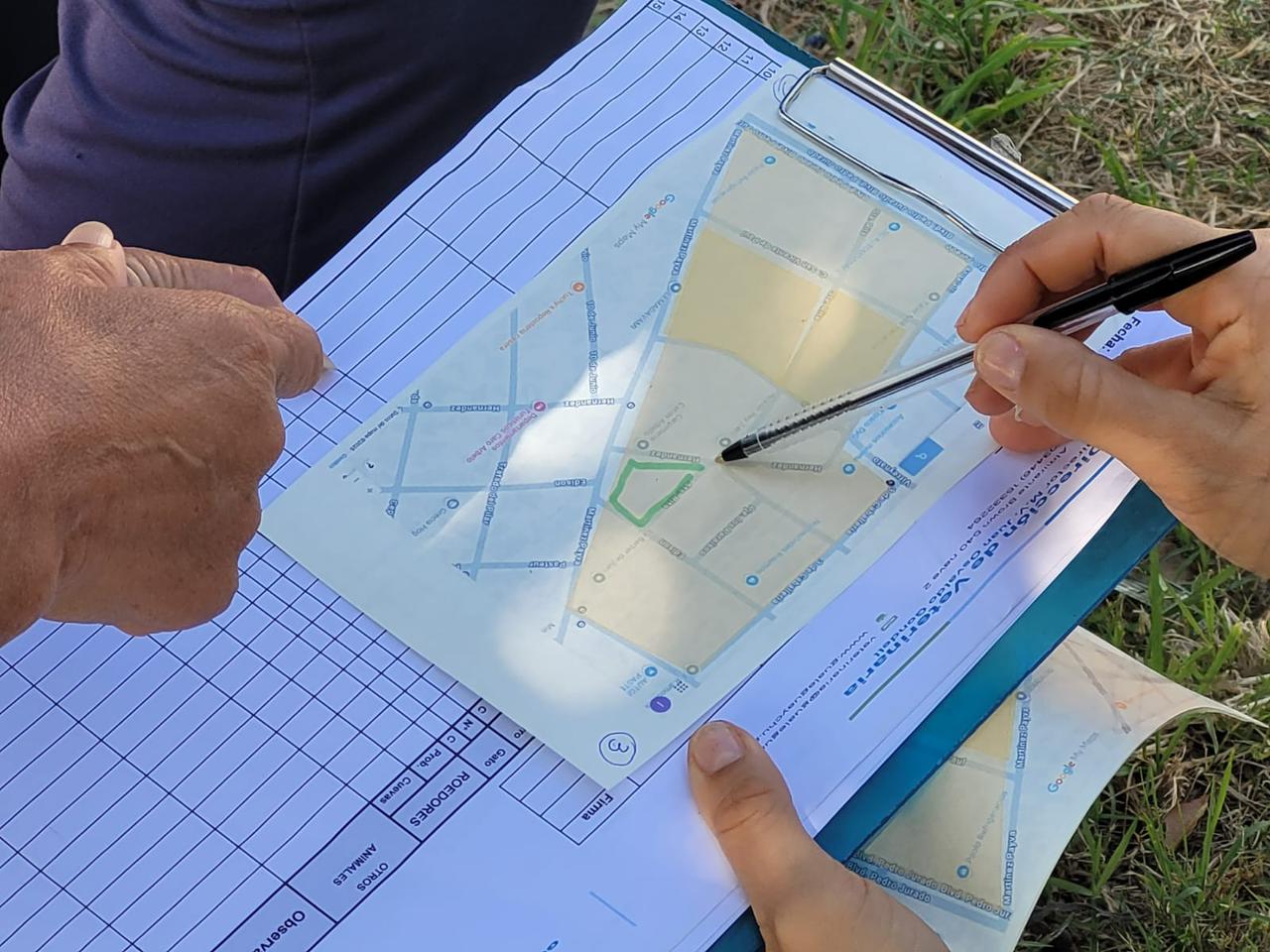
Whether you are a student completing your first field assignment or an experienced researcher designing a larger qualitative project, the strongest approach is to remain systematic, curious, ethical, and reflective. Use examples and research samples to understand good practice, but allow your own observations and participant perspectives to shape the study. A well-designed template will not replace ethnographic judgment; it will give that judgment a reliable framework and help transform everyday human experience into meaningful, carefully supported research.