Accurate time tracking is essential for businesses and professionals who charge clients based on hours worked. When project time is recorded manually, it can be easy to overlook hours, enter incorrect figures, or spend too much time preparing invoices. Invoice Template Tools For Efficient Time Tracking can simplify this process by combining time tracking with invoice creation, helping businesses turn recorded work hours into organized and professional billing documents.
The source material explains that efficient time tracking helps organizations account for hours worked, bill clients correctly, monitor productivity, and identify areas for improvement. It also highlights invoice tools with built-in time tracking as a way to reduce administrative work and save resources.
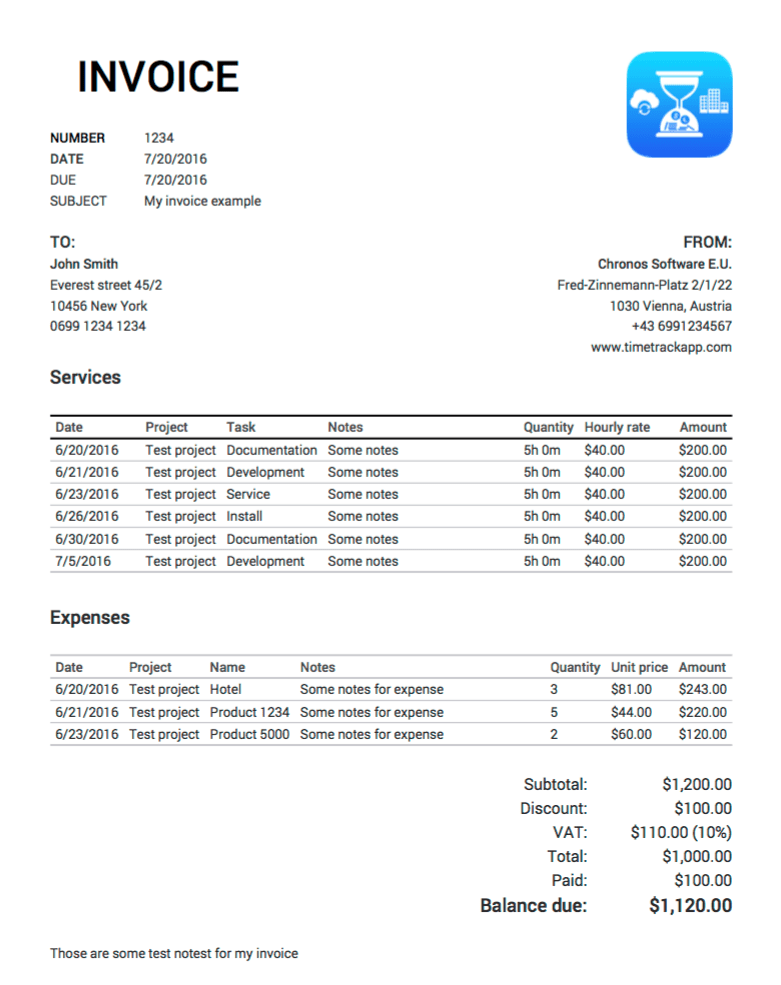
For freelancers, agencies, consultants, contractors, and service-based companies, the right invoicing workflow can make a noticeable difference. Instead of tracking hours in one place and creating invoices somewhere else, an integrated tool can connect these steps into a more efficient process.
What Are Invoice Template Tools For Efficient Time Tracking?
An invoice template tool is software or an online service that provides pre-designed invoice templates for businesses. According to the source, these tools may also include features such as time tracking to streamline invoicing.
Time tracking generally works by recording the amount of time spent on a specific task or project. The source describes a typical process in which users start and stop a timer, after which the recorded time can be added to the corresponding invoice.
This creates a practical connection between project time tracking and client invoicing. Instead of manually calculating billable hours at the end of a project, the recorded information can become part of the billing workflow.
Why Efficient Time Tracking Matters for Invoicing
Businesses that bill by the hour depend on accurate records. Even small inconsistencies can make invoices harder to verify and may result in missed billable time. Efficient tracking provides a clearer record of the work completed and the hours associated with each project.
The source notes that accurate time tracking helps ensure that all hours worked are accounted for while also supporting productivity monitoring and identifying opportunities for improvement.
A reliable system can therefore support several parts of the business at once:
- Accurate billing: Recorded hours provide a clearer basis for hourly invoices.
- Better project visibility: Teams can see how much time is being spent on different tasks.
- Reduced manual work: Less time is required to transfer information between tracking and invoicing.
- Improved productivity: Time records can reveal where projects consume the most resources.
- Professional billing: Templates create a consistent format for client invoices.
Key Benefits of Invoice Template Tools
Automated Time Tracking
One of the main advantages is automated time tracking. The source explains that these tools can reduce the need for manual tracking, which may lower the chances of errors and inaccuracies.
For example, a freelancer working on several client projects can track each task separately rather than trying to remember the hours worked at the end of the week. This creates a more reliable record for billing.
Real-Time Monitoring
Real-time monitoring allows businesses to see how much time is being spent on individual tasks or projects. According to the source, this can help organizations monitor progress and make adjustments when necessary to meet deadlines and client expectations.
Faster Invoice Creation
Another important advantage is simplified invoice preparation. Instead of manually creating an invoice from scratch, the source explains that invoice template tools can generate professional-looking invoices using tracked time. Templates can also be customized with branding and specific business details.
This is especially useful when a business sends many invoices each month. A reusable format creates consistency while reducing repetitive administrative tasks.
Seamless Software Integration
Many invoice template tools can integrate with other business software, including project management platforms, accounting systems, and payment gateways. The source explains that these connections can streamline the process from time tracking through payment collection.
Integration is particularly useful for growing businesses because it reduces the need to repeatedly copy information between different applications.
Better Client Collaboration
Some tools also provide client collaboration features. Businesses may be able to share project progress and time tracking reports with clients, creating greater transparency around the work being billed. The source notes that this can help strengthen client relationships.
Features to Look for in a Time Tracking Invoice Tool
Not every invoicing application offers the same capabilities. Before selecting an invoice template tool, consider how well its features match your workflow.
- Built-in time tracking: Look for simple timers and project-based tracking.
- Custom invoice templates: Make sure you can add your logo, company details, and preferred layout.
- Automatic calculations: The tool should reduce manual calculations when converting hours and rates into totals.
- Project organization: Separate time records by client, project, or task.
- Accounting integration: Integration can simplify financial recordkeeping.
- Payment integration: Payment gateways can make it easier for clients to complete transactions.
- Expense tracking: Some tools allow expenses to be tracked alongside billable time.
- Recurring invoices: Useful for ongoing services and regular client billing.
- Security: Choose a reputable service that protects sensitive business and client information.
How to Use Invoice Template Tools More Efficiently
Start by Organizing Projects
Create separate projects or clients before beginning time tracking. This makes it easier to connect each recorded hour with the correct customer and invoice.
Track Time Consistently
Start the timer when beginning a billable task and stop it when the task ends. Consistent tracking is more reliable than estimating hours later. If your workflow involves multiple tasks, use clear project or task names so the resulting records remain understandable.
Review Time Before Sending an Invoice
Automation can save time, but reviewing an invoice is still important. Check the client name, project, recorded hours, hourly rate, descriptions, invoice date, and total amount before sending it.

Customize the Invoice Template
Most invoice template tools allow customization. The source notes that users can add a logo, company information, and select a layout or color scheme that represents their brand.
Keep the design professional and easy to read. The purpose of customization is not simply to make an invoice attractive but to make essential billing information clear to the client.
Time Tracking for Freelancers and Service Businesses
Freelancers can benefit significantly from combining time tracking and invoicing. A designer, writer, developer, consultant, or virtual assistant may work on several assignments simultaneously. Recording time by client and project creates a useful foundation for accurate billing.
The source specifically identifies freelancers as a group that can benefit from invoice template tools because these tools help track time accurately, create professional invoices, streamline billing, and support getting paid for completed work.
Service businesses can also use these systems for ongoing client relationships. When a company provides recurring services, time records can help establish the amount of work performed during each billing period.

Recurring Invoices and Expense Tracking
Some invoice template tools can generate recurring invoices, which can be useful for businesses providing ongoing services and billing clients regularly.
Some platforms also provide expense tracking alongside time tracking. This allows businesses to record relevant expenses and include them accurately when preparing an invoice.
These features can be particularly helpful when a project includes both billable hours and reimbursable expenses. Keeping the information together can make the final invoice easier to prepare and review.
Free vs. Paid Invoice Template Tools
Free invoice template tools can be a practical starting point for freelancers and small businesses. However, the source notes that free options may have limitations in features and customization. Businesses with more complex requirements may prefer paid tools that provide additional capabilities and support.
When comparing options, focus on the features you actually need rather than choosing solely based on price. A simple tool may be sufficient for occasional invoices, while a growing service business may benefit from automation, integrations, recurring billing, expense tracking, and collaboration features.
Security and Software Integration
Invoice systems can contain sensitive information, so security should be part of the selection process. The source states that invoice template tools often use encryption and secure servers to protect user data and recommends choosing a reputable tool that complies with applicable data protection regulations.
Integration is another important consideration. Connecting time tracking with project management, accounting, and payment software can create a smoother workflow and reduce repetitive data entry.
Frequently Asked Questions About Invoice Template Tools For Efficient Time Tracking
What is an invoice template tool?
An invoice template tool is software or an online service that provides pre-designed invoices and may include additional functions such as time tracking.
How does time tracking work with invoice templates?
Typically, users start and stop a timer for a task or project. The tool records the time and can then add the tracked amount to the appropriate invoice.
Can invoice templates be customized?
Yes. The source states that most invoice template tools allow users to customize templates with branding, company information, layouts, and color schemes.
Can invoice template tools generate recurring invoices?
Some tools can generate recurring invoices, making them useful for businesses that provide ongoing services and bill clients regularly.
Can these tools track expenses as well as time?
Some invoice template tools offer expense tracking in addition to time tracking, allowing businesses to include relevant expenses in invoices.
How can time tracking improve productivity?
Automated time tracking and real-time monitoring can reduce administrative tasks while allowing employees to focus more on their work. The source identifies these capabilities as ways invoice tools can improve productivity and save time.
Conclusion
Invoice Template Tools For Efficient Time Tracking bring time recording and billing closer together, creating a more streamlined process for businesses that charge for services. Automated tracking can reduce manual errors, real-time monitoring can improve project visibility, and invoice templates can make billing faster and more consistent. Integration with accounting, project management, and payment systems can further simplify the workflow.
For freelancers and service-based businesses, the most useful approach is to choose a tool that fits the way you work, track billable time consistently, review records before invoicing, and customize templates with clear business information. With the right combination of time tracking, invoice templates, automation, and integrations, businesses can spend less time on repetitive administration and more time delivering valuable work to their clients.