Running an event planning business involves more than creating memorable experiences. You also need to manage payments, track services, and keep financial records organized. This is where Invoice Template Examples For Event Planners can help.
A professional invoice makes billing easier for you and your clients. It clearly shows the services provided, costs, payment terms, and important event details. In addition, a well-designed invoice can strengthen your brand and create a more professional impression.
With the right invoice template, you can spend less time creating documents and more time planning successful events. You can also create a consistent billing process that works for weddings, corporate events, birthdays, and other occasions.
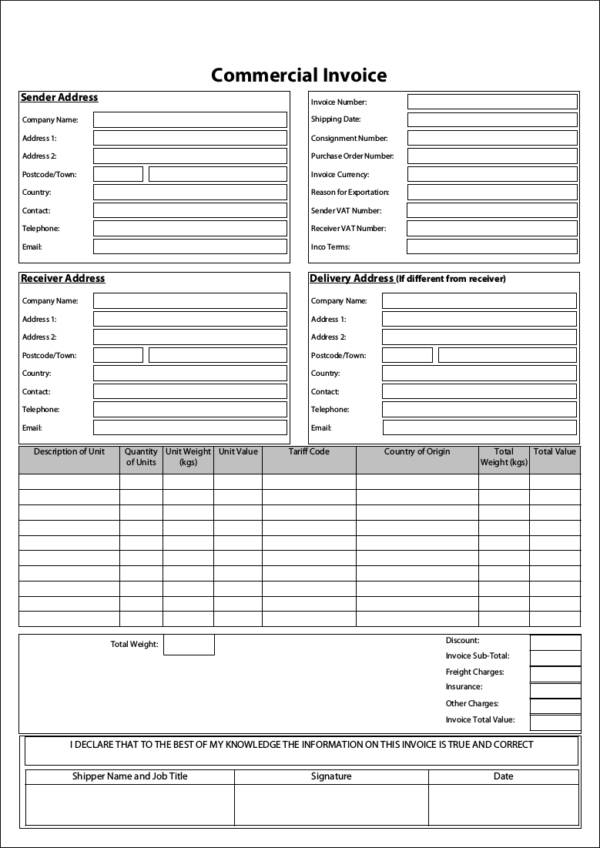
Why Event Planners Need Professional Invoice Templates
Event planning often involves many services and expenses. You may coordinate venues, decorations, catering, entertainment, transportation, and event-day support. Therefore, your invoices need to present this information clearly.
A good invoice template keeps everything in one place. It also helps clients understand what they are paying for. Most importantly, it gives your business a professional appearance.
- Professional image: A polished invoice shows attention to detail.
- Clear billing: Clients can quickly review services and charges.
- Better organization: Event costs stay in a structured format.
- Stronger branding: Your logo, colors, and fonts can appear on every invoice.
- Time savings: You can reuse the same template for future projects.
The source material also highlights professionalism, easier payment processes, and branding as major benefits of using a well-designed invoice template.
What Should an Event Planner Invoice Include?
A useful invoice should be simple to understand. At the same time, it should contain enough information to avoid confusion. Start with the basic business and client details. Then, add the event information and payment details.
Business and Client Information
First, add your business name and contact information. You can also include your business address, email address, phone number, and logo.
Next, add the client’s name and contact information. For corporate events, include the company name and billing contact when needed.
Invoice and Event Details
Every invoice should have a unique invoice number. You should also include the invoice date and payment due date.
For event planning work, add useful event details as well. These may include the event name, event date, venue, and type of event. This information helps both you and your client identify the project quickly.

Itemized Services and Charges
Clear itemization makes an invoice easier to review. Instead of showing one large amount, separate the main services and expenses.
For example, an event planner invoice may include:
- Event planning services
- Event coordination
- Venue coordination
- Decoration and design
- Catering coordination
- Entertainment arrangements
- Equipment rentals
- Transportation services
- Additional event services
Clear descriptions can reduce questions from clients. They also make your invoice easier to review later.
Payment Terms
Payment terms should be easy to find. Clearly state the total amount due and the payment deadline.
You should also explain the available payment methods. If your business requires a deposit or installment payment, include those details as well.
Clear payment terms can help prevent confusion. The source material also recommends including clear payment information to reduce potential disputes.
Popular Invoice Template Examples For Event Planners
Every event planning business has a different style. Therefore, your invoice should match your brand and target clients. Several invoice styles can work well for event planners.
Classic and Elegant Invoice
A classic invoice works well for wedding planners and luxury event specialists. It can use clean typography, subtle design elements, and a balanced layout.
This style looks professional without becoming too complicated. It also gives clients a clear view of the event services and costs.
Modern and Stylish Invoice
A modern invoice can use bold fonts, vibrant colors, and a clean layout. It works especially well for creative event planners.
You can include separate sections for event details, services, costs, and payment information. The source material also describes this approach as a suitable option for planners who prefer a contemporary look.

Minimalist and Clean Invoice
A minimalist invoice focuses on simplicity. It uses plenty of white space and straightforward typography.
This design makes important information easy to find. Clients can quickly see the event details, charges, total amount, and payment instructions.
As a result, a minimalist invoice can look both modern and professional. The source also describes this style as a clean option with sections for event details, charges, and payment instructions.
Creative and Artistic Invoice
Creative event planners may want an invoice that reflects their personality. In this case, you can use artistic elements, unique typography, or custom illustrations.
However, the design should never make the invoice difficult to read. Keep the service descriptions and payment details clear.
The source material describes creative templates as options that can combine artistic elements with event details, services, costs, and payment terms.
Corporate and Professional Invoice
Corporate event planners often need a more formal invoice. A professional layout can work well for conferences, business meetings, company events, and large projects.
Use clear headings and organized pricing information. Avoid unnecessary decorations that could distract from the financial details.

How to Choose the Right Event Planning Invoice Template
Choosing the right template does not have to be difficult. Start by considering your business style and your clients.
- Match your brand: Use colors and fonts that fit your business.
- Keep it readable: Make prices, dates, and totals easy to find.
- Show services clearly: Use separate lines for major services.
- Consider your clients: Choose a formal style for corporate clients and a creative style for artistic events.
- Save time: Pick a template that you can reuse easily.
- Check compatibility: Make sure the format works with your accounting tools.
How to Customize an Event Planner Invoice Template
Customization can make a standard template feel like part of your brand. Fortunately, you do not need to redesign the entire invoice.
Add Your Business Branding
Start with your logo. Then, add your brand colors and preferred fonts. Keep the design consistent with your website and other marketing materials.
A consistent visual identity helps clients recognize your business. It can also make your invoices look more professional.
Adapt the Service Sections
Every event is different. Therefore, your invoice should reflect the services you actually provide.
For example, a wedding planner may need sections for ceremony coordination, reception planning, decorations, and event-day management. A corporate planner may need sections for conference planning, logistics, and venue coordination.
Make Payment Instructions Clear
Do not hide payment instructions. Place them in a visible section near the total amount.
Include the due date and accepted payment methods. If you require a deposit, explain when it is due and how much the client needs to pay.
Using Invoice Templates for Different Events
One template can work for many types of events. You simply need to adjust the service descriptions and event details.
For example, wedding planners can highlight planning packages and coordination services. Corporate event planners can focus on logistics and professional services. Birthday planners can include decoration, entertainment, and event-day services.
The source material confirms that invoice templates can be adapted for weddings, corporate conferences, birthdays, and other events.
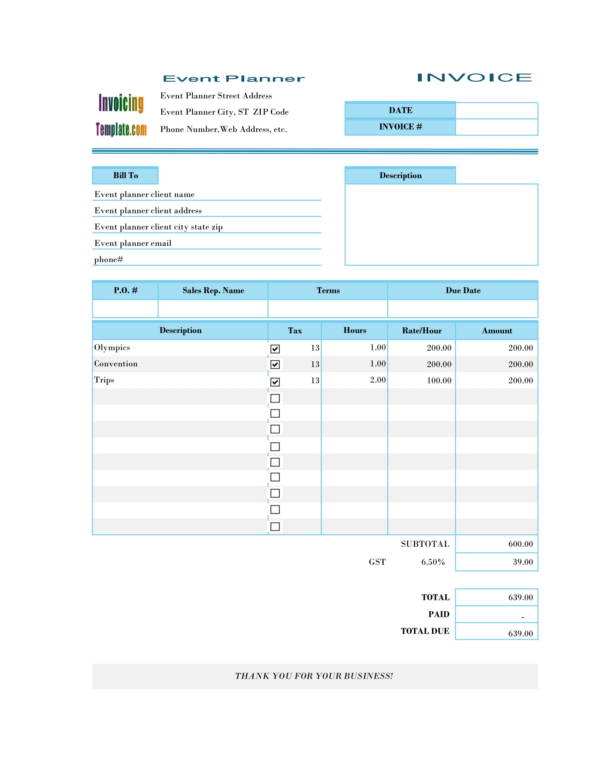
Tips for Creating Better Event Planner Invoices
A template is only useful when you use it correctly. Follow a simple invoicing routine to reduce mistakes.
- Use unique invoice numbers: This makes your records easier to organize.
- Check client details: Make sure names and contact information are correct.
- Confirm event details: Review the event date and venue before sending the invoice.
- Itemize services: Show clients exactly what each charge represents.
- Set a clear due date: Clients should know when payment is expected.
- Review the total: Check all calculations before sending the invoice.
- Keep copies: Save invoices for your business records.
Can Event Planner Invoice Templates Work With Accounting Software?
Many event planners use accounting software to manage their finances. Therefore, template compatibility can be important.
The source material notes that many invoice templates can work with popular accounting platforms such as QuickBooks, Xero, and FreshBooks. However, you should check the compatibility of your chosen template before using it.
A compatible workflow can reduce duplicate work. It can also help you keep invoices and financial records organized.
Are Event Planner Invoices Legally Binding?
An invoice is mainly a formal request for payment. It should not replace a proper contract when your project requires one.
For example, contracts may cover deposits, cancellations, refunds, responsibilities, and other important terms. The source material also notes that an invoice is not legally binding by itself.
For this reason, use a clear contract when appropriate. Then, use your invoice to document the amount that the client needs to pay.
Frequently Asked Questions About Invoice Template Examples For Event Planners
Can I customize an event planner invoice template?
Yes. You can customize many templates with your logo, colors, fonts, and business information. You can also change the service sections to match each event.
What should an event planner invoice include?
An event planner invoice should include business information, client details, invoice information, event details, services, charges, totals, and payment instructions.
Can I use one invoice template for different events?
Yes. A reusable template can work for weddings, birthdays, corporate conferences, and other events. Simply update the event information and services for each client.
Can I use an invoice template with accounting software?
Many templates can work with accounting software. However, compatibility depends on the file format and the software you use. Always check the specific requirements before choosing a template.
Should an invoice include payment terms?
Yes. Payment terms are important because they tell clients when and how to pay. Clear terms can also reduce misunderstandings.
Conclusion
Invoice Template Examples For Event Planners can make billing simpler, clearer, and more professional. A good template helps you present services, charges, event information, and payment terms in an organized way.
Choose a design that matches your brand and your clients. You can use a classic style for weddings, a modern design for creative events, a minimalist layout for simple billing, or a corporate format for business clients.
Most importantly, keep your invoices easy to read. Use short descriptions, clear headings, itemized services, and visible payment information. With the right template and a consistent process, invoicing can become a simple part of your event planning workflow.
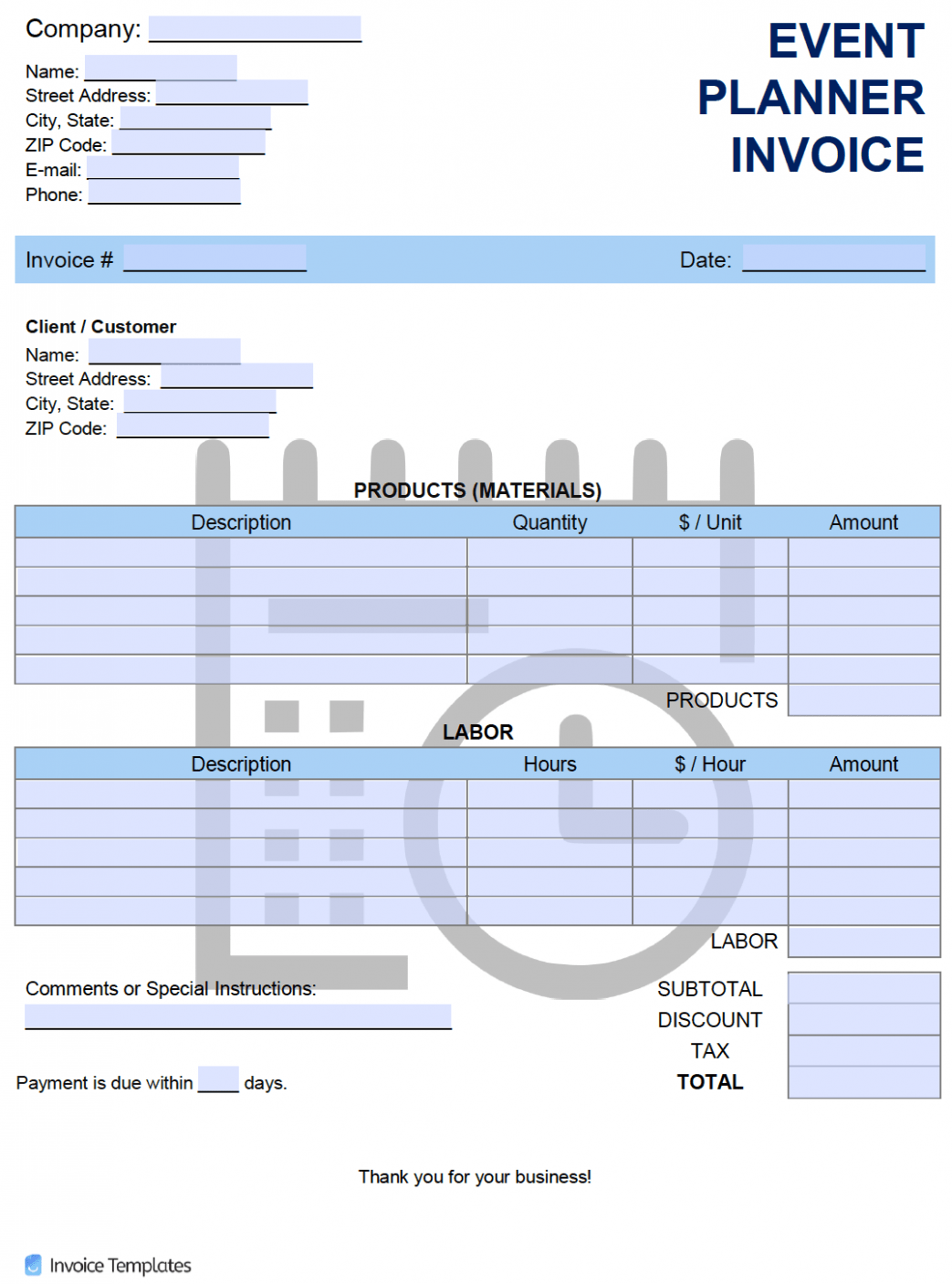
By using a professional invoice format, you can save time, improve organization, and give clients a better billing experience. That makes a well-designed invoice more than a payment request. It becomes another professional touchpoint for your event planning brand.