The eye is one of the most important sensory organs in the human body. It allows us to explore our surroundings, recognize faces, read information, appreciate colors, and experience the world through vision. From everyday activities to complex tasks, healthy eyes play an essential role in maintaining independence and quality of life.
Although the eye may appear relatively small, its structure is remarkably complex. Different parts work together to receive light, process visual information, and send signals to the brain. Understanding how the eye works can help you appreciate its importance and develop better habits for protecting your eyesight.
Whether you want to learn about eye anatomy, understand common vision problems, or discover practical eye care tips, this guide covers the essential information you need to know.
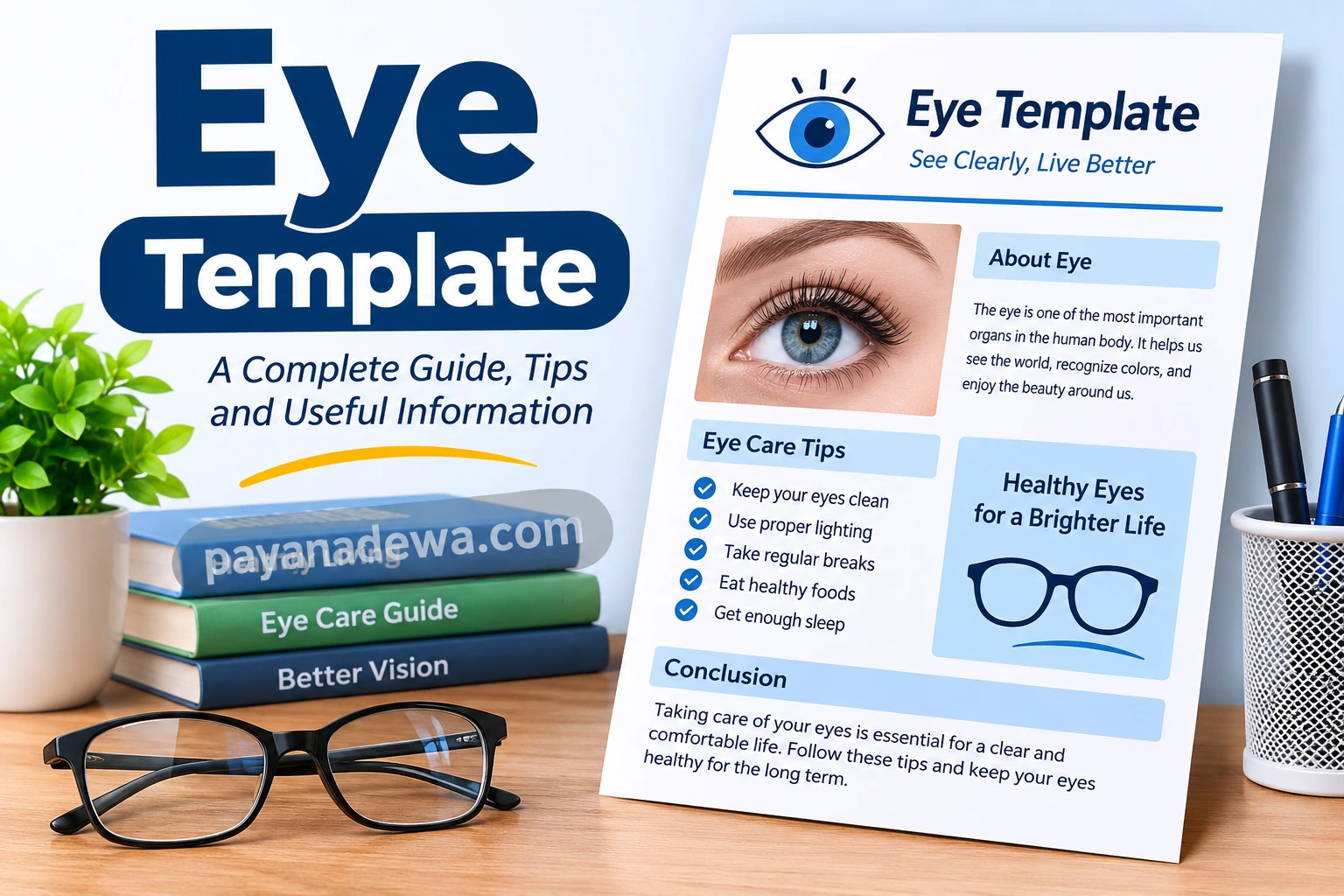
What Is an Eye?
The eye is a specialized sensory organ responsible for detecting light and converting it into electrical signals that the brain interprets as images. It works closely with the nervous system to help people understand their surroundings and respond to visual information.
Human eyes are designed to recognize different levels of brightness, colors, shapes, movement, and distance. Both eyes generally work together to provide depth perception and a wider field of view.
Vision is not produced by the eyes alone. The brain also plays a major role by interpreting the signals received through the optic nerves. This cooperation makes it possible to recognize objects and understand what we see.
Understanding the Main Parts of the Eye
The human eye contains several important structures. Each part has a specific function that contributes to clear and comfortable vision.
1. Cornea
The cornea is the transparent outer layer at the front of the eye. It helps protect internal structures and bends incoming light so that it can be focused toward the retina.
2. Iris
The iris is the colored part of the eye. It controls the size of the pupil, helping regulate how much light enters the eye. The amount of light available in the environment influences how the iris adjusts the pupil.
3. Pupil
The pupil is the dark opening in the center of the iris. It becomes smaller in bright conditions and larger in dim environments. This adjustment helps manage the amount of light entering the eye.
4. Lens
The lens is a transparent structure located behind the iris. It changes shape to help focus objects at different distances onto the retina. This process is known as accommodation.
5. Retina
The retina is a light-sensitive layer at the back of the eye. It contains specialized cells called rods and cones. Rods help with vision in low-light conditions, while cones are responsible for color vision and detailed central vision.
6. Optic Nerve
The optic nerve carries visual information from the retina to the brain. Without this communication pathway, the brain would not receive the signals needed to create visual experiences.
How Does the Human Eye Work?
The process of seeing begins when light enters the eye through the cornea. The light then passes through the pupil, while the iris regulates how much light can enter.
Next, the lens adjusts its shape to help focus incoming light onto the retina. When the light reaches the retina, specialized photoreceptor cells convert it into electrical signals.
These signals travel through the optic nerve to the brain. The brain processes the information and creates the images that allow us to recognize objects, people, and movement.
This entire process happens continuously and usually without conscious effort. It demonstrates how effectively the eye and brain work together.
Common Eye Problems You Should Know
Many people experience vision changes or eye discomfort during their lifetime. Some conditions are relatively common and can be managed with appropriate treatment, while others require regular medical monitoring.
1. Nearsightedness
Nearsightedness, also known as myopia, makes distant objects appear blurry while nearby objects remain clearer. Glasses, contact lenses, and certain medical procedures may help correct this condition.
2. Farsightedness
Farsightedness, or hyperopia, can make nearby objects difficult to see clearly. The degree of difficulty depends on the severity of the condition and the person’s ability to adjust focus.
3. Astigmatism
Astigmatism occurs when the cornea or lens has an irregular curvature. This can cause blurred or distorted vision at different distances.
4. Dry Eye
Dry eye occurs when the eyes do not produce enough tears or when tears evaporate too quickly. Common symptoms include irritation, burning, redness, and a gritty sensation.
5. Cataracts
Cataracts develop when the natural lens becomes cloudy. They are commonly associated with aging and may cause blurry vision, glare, and difficulty seeing at night.
6. Glaucoma
Glaucoma refers to a group of eye conditions that damage the optic nerve. It may develop without noticeable symptoms during its early stages, making regular eye examinations important.
Practical Tips for Maintaining Healthy Eyes
Taking care of your eyes does not have to be complicated. Small daily habits can support eye comfort and help protect your vision over time.
1. Follow the 20-20-20 Rule
When using computers or digital devices for extended periods, try looking at something approximately 20 feet away for at least 20 seconds every 20 minutes. This simple habit can help reduce digital eye strain.
2. Maintain Proper Lighting
Use comfortable lighting when reading, studying, or working. Avoid excessive glare and position your screen to reduce reflections that may cause visual discomfort.
3. Eat a Balanced Diet
Nutrition plays an important role in overall eye health. Include foods containing nutrients that support normal eye function, such as:
- Leafy green vegetables such as spinach and kale.
- Carrots and sweet potatoes containing beta-carotene.
- Fish containing omega-3 fatty acids.
- Eggs and other foods containing essential vitamins.
- Fresh fruits containing vitamin C and other antioxidants.
4. Wear Sunglasses Outdoors
Choose sunglasses that provide 100% UVA and UVB protection. Proper sunglasses help protect the eyes from harmful ultraviolet radiation when spending time outdoors.
5. Avoid Rubbing Your Eyes
Rubbing your eyes can cause irritation and may introduce dirt or microorganisms. If your eyes feel uncomfortable, wash your hands and consider using appropriate lubricating eye drops when needed.
6. Get Enough Sleep
Quality sleep supports general health and helps your eyes recover from daily activities. Maintaining a consistent sleeping schedule can also improve overall comfort.
7. Schedule Regular Eye Examinations
Professional eye examinations can identify vision changes and certain eye diseases before noticeable symptoms appear. Follow an examination schedule recommended by an eye care professional based on your age and individual risk factors.
How Digital Devices Affect Eye Comfort
Computers, smartphones, and tablets have become essential parts of modern life. However, spending long periods looking at digital screens may contribute to digital eye strain.
Common symptoms include tired eyes, temporary blurred vision, headaches, dry eyes, and difficulty focusing. These symptoms can become more noticeable when people work for extended periods without taking breaks.
Fortunately, several practical adjustments can improve screen comfort:
- Keep your screen at a comfortable viewing distance.
- Adjust brightness to match the surrounding environment.
- Increase text size when necessary.
- Take regular breaks from close-up screen activities.
- Remember to blink regularly.
- Reduce screen glare by adjusting your monitor position.
These habits can make working, studying, and browsing more comfortable without requiring major changes to your daily routine.
When Should You Visit an Eye Doctor?
Some eye symptoms should never be ignored. Although occasional tiredness or mild dryness may improve with simple adjustments, persistent or unusual symptoms deserve professional attention.
Consider scheduling an eye examination if you experience:
- Frequent blurred vision.
- Persistent eye discomfort or redness.
- Difficulty seeing clearly at night.
- Frequent headaches associated with visual activities.
- Sudden changes in your ability to focus.
- Ongoing dryness or irritation.
Seek immediate medical attention if you experience sudden vision loss, severe eye pain, a sudden increase in flashes or floaters, or a curtain-like shadow across your vision. Prompt assessment can be important for protecting eyesight.
Why Eye Health Matters in Everyday Life
Healthy vision supports many aspects of daily living. It helps people read, drive, work, study, recognize familiar faces, and participate in activities they enjoy.
Good eye health can also support independence, confidence, and overall well-being. When vision problems are identified early, appropriate treatment and lifestyle adjustments may help prevent further complications.
Children, adults, and older people all benefit from paying attention to their eyesight. However, their eye care needs may differ depending on age, daily activities, and individual health conditions.
Conclusion
The eye is an extraordinary sensory organ that allows us to experience and understand the world through vision. Its different structures work together to receive light, focus images, and communicate visual information to the brain.
Understanding eye anatomy, recognizing common vision problems, and practicing healthy daily habits are important steps toward maintaining good eyesight. Simple actions such as eating nutritious foods, taking screen breaks, wearing UV-protective sunglasses, and scheduling regular eye examinations can make a meaningful difference.
Remember that protecting your vision is an ongoing responsibility. Pay attention to changes in your eyesight and consult a qualified eye care professional whenever necessary.
What daily habits do you follow to maintain healthy eyes? Share your thoughts and experiences, and help others discover practical ways to take better care of their vision.