Understanding your expense habits is one of the most important steps toward achieving financial stability. Whether you manage personal finances, run a small business, or handle household budgets, knowing where your money goes can help you make better financial decisions. Without proper expense management, even a healthy income can disappear quickly.
An expense is any money spent to purchase goods, pay for services, or cover financial obligations. These costs can include everyday purchases, monthly bills, transportation, groceries, business operations, and unexpected payments. Tracking each expense allows you to understand your spending patterns, control unnecessary costs, and build a more reliable financial plan.
In this guide, you will learn what an expense means, the different types of expenses, how to track spending, and practical ways to manage your money. You will also discover how an expense tracker template can simplify financial planning and help you stay organized.
What Is an Expense?
An expense is the money an individual or organization spends to obtain products, services, or other resources. In personal finance, expenses represent the amount of money used to maintain a lifestyle and meet daily needs. In business accounting, expenses are costs incurred while operating a company and generating revenue.
For example, paying rent, purchasing groceries, buying office supplies, and paying electricity bills are all common expenses. Although these payments serve different purposes, they share one important characteristic: they reduce the amount of money available for other financial goals.
Understanding your expenses helps you identify where your income goes. It also makes it easier to determine whether your spending supports your priorities.
Different Types of Expenses
Expenses can be divided into several categories. Knowing these categories makes budgeting easier and helps you recognize which costs deserve more attention.
1. Fixed Expenses
Fixed expenses are regular payments that generally remain the same each month. They are often predictable, making them easier to include in a monthly budget.
Common examples include:
- Monthly rent or mortgage payments.
- Insurance premiums.
- Internet and subscription services.
- Car loan payments.
- School or tuition fees.
Although fixed expenses are usually predictable, reviewing them regularly is still important. You may discover opportunities to negotiate better rates or cancel services you no longer need.
2. Variable Expenses
Variable expenses change depending on your activities, lifestyle, or consumption habits. Unlike fixed costs, these payments may increase or decrease from month to month.
Typical variable expenses include:
- Groceries and household supplies.
- Fuel and transportation.
- Restaurant meals and entertainment.
- Clothing and personal care.
- Shopping and recreational activities.
These expenses are often the easiest place to make spending adjustments. Setting reasonable limits can help you save money without sacrificing essential needs.
3. Essential Expenses
Essential expenses cover the basic requirements of everyday life. These costs should receive priority when creating a household budget.
Examples include housing, food, utilities, healthcare, and necessary transportation. Paying attention to these obligations helps protect your financial well-being.
4. Non-Essential Expenses
Non-essential expenses are purchases that improve comfort or entertainment but are not necessary for daily survival. Examples include luxury products, premium subscriptions, expensive hobbies, and frequent dining out.
These purchases are not necessarily bad. However, controlling them can free up additional money for savings, debt repayment, and future financial goals.
Why Is Expense Tracking Important?
Tracking your expenses gives you a clear picture of your financial situation. Instead of guessing how much you spend, you can use actual records to understand your habits and make informed decisions.
Here are several important benefits of maintaining an expense record.
- Better financial awareness: You can see exactly where your money goes each day.
- Improved budgeting: Spending records help you create realistic monthly budgets.
- Reduced unnecessary spending: Identifying expensive habits makes it easier to cut costs.
- More consistent savings: You can allocate available money toward specific savings goals.
- Better financial planning: Organized records make it easier to prepare for future expenses.
- Greater financial control: Regular reviews help you avoid spending more than you earn.
Expense tracking does not need to be complicated. Even a simple spreadsheet or printable expense template can make a meaningful difference.
How to Track Your Expenses Effectively
Building an effective expense tracking routine starts with a few simple steps. The goal is to create a system that is easy to maintain and provides useful financial information.
Step 1: Record Every Transaction
Start by recording every payment you make. Include small purchases because they can add up over time. Write down the date, description, category, and amount for each transaction.
For example, a daily coffee purchase may seem insignificant. However, recording it throughout the month can reveal how much you spend on small convenience purchases.
Step 2: Organize Expenses Into Categories
Group similar transactions into categories such as housing, food, transportation, utilities, healthcare, entertainment, and personal shopping.
Organizing your records makes it easier to identify spending patterns. You can also compare categories to determine which areas consume the largest portion of your income.
Step 3: Set a Monthly Spending Limit
After reviewing your spending history, establish a realistic limit for each expense category. Make sure your budget covers essential obligations before allocating money to optional purchases.
A monthly spending limit gives you a clear target. It also helps prevent small purchases from gradually exceeding your available budget.
Step 4: Review Your Spending Regularly
Check your expense records at least once a week. Compare your actual spending with your planned budget and identify any differences.
If a category exceeds its limit, consider adjusting your spending during the following week. Regular reviews help you solve small problems before they become larger financial challenges.
Step 5: Calculate Your Total Expenses
At the end of each month, add all recorded transactions to calculate your total expenses. Compare this figure with your monthly income to understand how much money remains available.
This simple calculation helps you determine whether your spending is sustainable and whether you need to make adjustments.
Use an Expense Template to Simplify Financial Management
An expense template is a practical tool for recording and organizing financial transactions. Instead of keeping scattered notes or relying on memory, you can use one organized document to monitor your spending.
A printable expense tracker is especially useful for people who prefer writing information by hand. Digital spreadsheets are another option for users who want automatic calculations and flexible reporting.
A useful expense template should include the following information:
- Date: The day the transaction occurred.
- Description: A short explanation of the purchase or payment.
- Category: The type of expense, such as food, rent, or transportation.
- Amount: The exact amount of money spent.
- Notes: Additional details, such as payment methods or transaction references.
- Total expense: The combined amount of all recorded transactions.
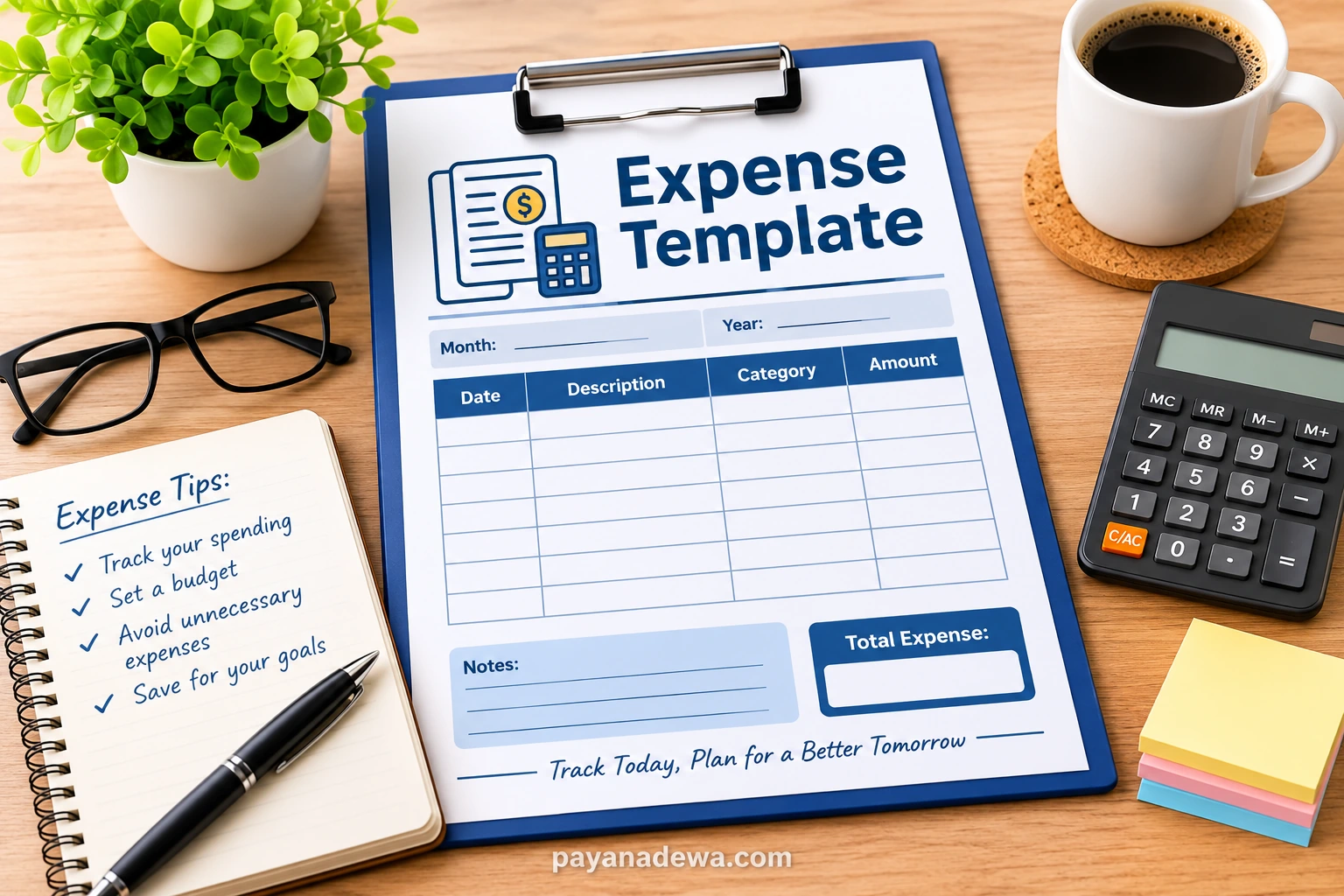
Using a consistent template makes financial tracking easier. You can print a new copy every month or create separate sheets for different spending categories.
Practical Tips to Reduce Your Expenses
Managing expenses is not simply about spending less. It is about making sure your money is used wisely. Small improvements can create meaningful results when practiced consistently.
1. Create a Realistic Budget
Build a monthly budget based on your actual income and spending habits. Avoid setting unrealistic limits because they can make financial planning difficult to maintain.
2. Separate Needs From Wants
Before making a purchase, ask yourself whether it is necessary or optional. Prioritizing essential expenses helps prevent impulse buying and unnecessary spending.
3. Compare Prices Before Purchasing
Take time to compare prices, product quality, and available discounts. A little research can help you find better value without compromising important needs.
4. Review Recurring Payments
Check your subscriptions, memberships, and automatic payments regularly. Cancel services you rarely use and look for more affordable alternatives when possible.
5. Build an Emergency Fund
Unexpected expenses can disrupt even a carefully planned budget. Set aside a portion of your income regularly to create an emergency fund. This financial cushion can help cover urgent repairs, medical bills, or temporary income disruptions.
6. Make Expense Tracking a Habit
Consistency is more important than complexity. Spend a few minutes each day recording transactions and reviewing your financial activity. Over time, this habit can improve your financial awareness and decision-making.
Common Expense Tracking Mistakes to Avoid
Even with a good tracking system, certain mistakes can make your records less useful. Being aware of these problems can help you maintain accurate financial information.
- Forgetting small transactions: Minor purchases can accumulate and affect your monthly budget.
- Mixing personal and business expenses: Keep separate records to maintain clearer financial information.
- Using unclear categories: Consistent categories make spending reports easier to understand.
- Recording transactions too late: Delayed entries increase the chance of missing important details.
- Ignoring monthly reviews: Recording expenses without analyzing them limits the benefits of tracking.
- Setting unrealistic budgets: A practical budget is easier to follow over the long term.
Remember that an effective expense tracking system should be simple, accurate, and easy to maintain. Choose a method that fits your lifestyle and financial needs.
Personal Expenses vs Business Expenses
Although personal and business expenses both involve spending money, they serve different purposes and should be managed separately.
Personal expenses relate to an individual’s everyday needs and lifestyle. These include groceries, housing, transportation, clothing, and entertainment.
Business expenses are costs associated with running a company. Examples include employee salaries, office rent, marketing, software subscriptions, equipment, and professional services.
For business owners, maintaining detailed expense records is particularly important. Accurate documentation helps with financial reporting, cash flow management, and preparing information for tax reporting.
Keep receipts, invoices, and payment records whenever possible. Tax treatment depends on local regulations and the nature of each transaction, so consult a qualified tax professional when necessary.
How to Build a Better Monthly Expense Management Routine
A successful financial routine does not require complicated software or advanced accounting knowledge. A few consistent actions can help you maintain better control over your money.
- Daily: Record purchases and payments as they happen.
- Weekly: Review transactions and check your remaining budget.
- Monthly: Calculate total expenses and compare spending with income.
- Quarterly: Review recurring payments and identify opportunities to reduce costs.
- Yearly: Evaluate your financial progress and update your long-term goals.
This routine creates a clear overview of your financial activity. It also helps you recognize changes in spending habits and make adjustments before they affect your financial goals.
Conclusion: Take Control of Your Expenses Today
Understanding and managing your expense habits is essential for building a healthier financial future. Whether you are managing household spending or organizing business costs, keeping accurate records helps you make smarter decisions and avoid unnecessary financial pressure.
Start by recording your transactions, organizing them into categories, and setting realistic monthly spending limits. Then review your financial activity regularly to identify opportunities for improvement.
A simple expense template can make the entire process easier. With consistent tracking and practical budgeting habits, you can gain better control over your money, increase your savings, and work toward your financial goals with greater confidence.
Start tracking your expenses today. Small financial habits can lead to meaningful long-term results.