Whether you are planning your first exhibition or preparing to participate in a major industry event, understanding the essential elements can make a significant difference. A successful exhibition requires careful planning, an attractive presentation, effective communication, and a memorable visitor experience.
In this guide, you will discover what an exhibition is, the different types of exhibitions, how to organize one, and practical ways to attract visitors and achieve your event goals.
What Is an Exhibition?
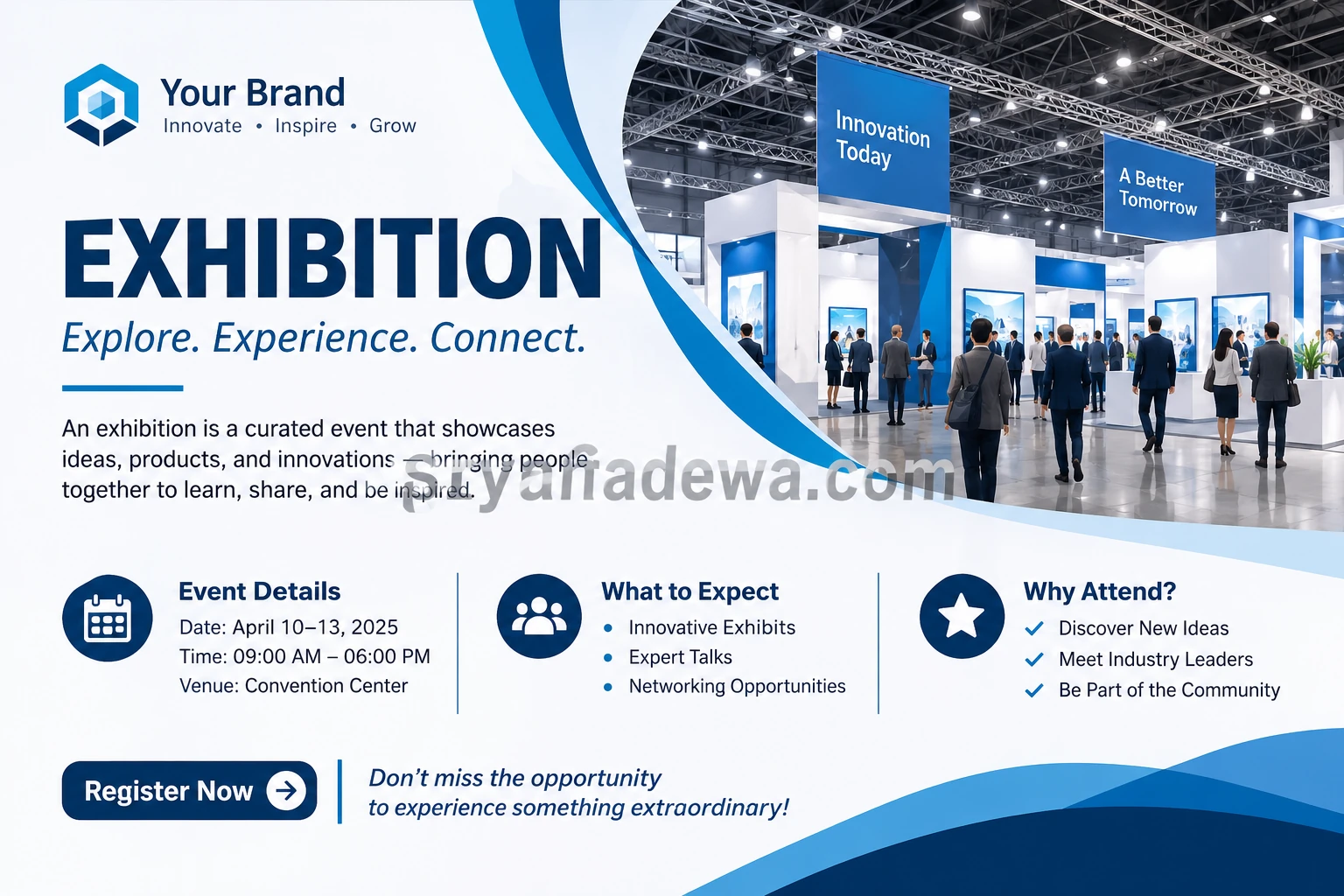
An exhibition is an organized event where individuals, businesses, artists, institutions, or organizations present products, services, artwork, information, or innovations to an audience. It usually takes place in a dedicated venue, such as a convention center, gallery, museum, or exhibition hall.
The main purpose of an exhibition is to display something valuable and allow visitors to explore it. Depending on the event, visitors may learn about new products, meet industry professionals, discover creative works, or experience the latest developments in a particular field.
Exhibitions can be open to the general public or designed specifically for professionals and invited guests. Some last only a few hours, while others continue for several days or weeks.
Different Types of Exhibitions
Exhibitions come in many forms. Each type has a different purpose, audience, and presentation style. Understanding these categories can help organizers choose the right format for their objectives.
1. Trade Exhibitions
A trade exhibition is an event where companies showcase products, services, and business solutions to professionals within a particular industry. These events are especially useful for building business relationships and finding potential customers.
Common industries represented at trade exhibitions include technology, manufacturing, construction, fashion, agriculture, and healthcare. Businesses often use exhibition booths to demonstrate products and discuss partnership opportunities.
2. Art Exhibitions
An art exhibition presents creative works such as paintings, photography, sculptures, illustrations, and installations. Artists use these events to introduce their work, communicate ideas, and connect with collectors and art enthusiasts.
Art exhibitions can be hosted in galleries, museums, cultural centers, or temporary exhibition spaces. Their presentation often focuses on visual storytelling, lighting, arrangement, and atmosphere.
3. Educational Exhibitions
Educational exhibitions are designed to share information and encourage learning. Schools, universities, museums, and research institutions frequently organize these events.
Visitors may explore science projects, historical displays, environmental topics, cultural collections, and student achievements. Interactive activities can make educational exhibitions more engaging and memorable.
4. Commercial Exhibitions
Commercial exhibitions focus on promoting products and services to potential customers. Companies use these events to increase brand awareness, introduce new collections, and generate sales opportunities.
Product demonstrations, promotional materials, special offers, and direct conversations help businesses communicate their value to visitors.
5. Cultural and Historical Exhibitions
Cultural and historical exhibitions highlight traditions, heritage, historical objects, and important events. They help communities preserve their identity while allowing visitors to understand different cultures and historical periods.
These exhibitions often include photographs, artifacts, documents, traditional clothing, and multimedia presentations.
Why Are Exhibitions Important?
Exhibitions offer benefits that go beyond simply displaying products or information. They create opportunities for direct interaction, professional development, and public engagement.
Building Brand Awareness
For businesses, an exhibition provides an opportunity to introduce a brand to a targeted audience. A well-designed booth, consistent visual identity, and informative displays can help visitors remember a company long after the event.
Creating Networking Opportunities
Exhibitions bring together business owners, professionals, customers, artists, and industry experts. These interactions can lead to partnerships, collaborations, new clients, and valuable professional relationships.
Introducing New Products and Ideas
Companies and creators can use exhibitions to present new products, test audience reactions, and explain innovative concepts. Visitors can ask questions and experience demonstrations directly.
Sharing Knowledge and Inspiration
Educational and cultural exhibitions make information more accessible. They encourage curiosity, support learning, and allow people to discover subjects they might not encounter in everyday life.
How to Plan a Successful Exhibition
Organizing an exhibition requires a clear strategy. Good planning helps prevent unnecessary expenses, improves visitor satisfaction, and keeps the event running smoothly.
1. Define Your Exhibition Goals
Start by identifying the main purpose of your event. Do you want to promote products, sell artwork, educate visitors, introduce a new brand, or create networking opportunities?
Clear objectives will guide your decisions about the venue, audience, budget, marketing, and event activities. They also provide measurable standards for evaluating success.
2. Identify Your Target Audience
Understanding your audience is essential. Consider their interests, professional backgrounds, age groups, and expectations.
For example, a technology exhibition may attract business owners, developers, investors, and technology enthusiasts. In contrast, an art exhibition may appeal to collectors, students, designers, and the general public.
3. Choose the Right Venue
Your venue should match the exhibition’s size, theme, and expected attendance. Consider accessibility, parking, public transportation, lighting, electricity, internet connectivity, and available facilities.
Before making a booking, inspect the location and confirm its capacity. A suitable venue improves visitor comfort and makes the event easier to manage.
4. Create an Effective Exhibition Layout
A good exhibition layout makes it easy for visitors to explore different displays. Organize booths, information areas, entrances, and walkways carefully.
Use clear signage to guide visitors. Make sure important displays are visible and that visitors have enough space to move comfortably.
5. Prepare Your Budget
Budget planning helps organizers control costs and avoid unexpected financial problems. List all expected expenses before confirming major arrangements.
Common exhibition expenses include:
- Venue rental and facility charges.
- Booth construction and decoration.
- Lighting, sound systems, and technical equipment.
- Marketing, advertising, and promotional materials.
- Staff salaries and event management services.
- Transportation, accommodation, and logistics.
- Security, cleaning, and insurance where required.
It is also wise to reserve an emergency fund for unexpected costs.
6. Promote the Exhibition
Even a well-organized event needs effective promotion. Start advertising early so potential visitors have enough time to learn about the exhibition and make arrangements to attend.
Consider using these promotional channels:
- Social media platforms such as Instagram, Facebook, and LinkedIn.
- Official websites and event registration pages.
- Email newsletters and invitations.
- Local media, community groups, and industry publications.
- Posters, brochures, and digital advertising.
- Partnerships with relevant organizations and influencers.
Use attractive visuals and clear event information. Always include the date, location, registration instructions, and reasons why people should attend.
Essential Elements of an Attractive Exhibition Booth
An exhibition booth is often the first point of contact between a business and potential customers. Therefore, its design should be visually appealing, informative, and easy to navigate.
Professional Branding
Display your company name, logo, and brand message clearly. Consistent colors and typography help create a professional appearance and strengthen brand recognition.
Clear Product Displays
Arrange products so visitors can see them easily. Avoid overcrowding the booth with too many items. Instead, highlight the most important products and provide concise descriptions.
Interactive Experiences
Interactive demonstrations can attract attention and encourage visitors to spend more time at your booth. Depending on your industry, you could offer product trials, live presentations, digital displays, or hands-on activities.
Knowledgeable Staff
Friendly and well-trained staff make a positive impression. They should understand the products, answer common questions, and communicate confidently with visitors.
Practical Tips for Exhibition Visitors
Visitors can also benefit from preparing before attending an exhibition. A little planning makes it easier to explore the event and get the most value from the experience.
- Review the event schedule: Check opening hours, presentations, workshops, and special activities.
- Set clear priorities: Identify the exhibitors or displays you most want to visit.
- Register in advance: Online registration may save time at the entrance.
- Bring essential materials: Carry business cards, a notebook, or a device for recording useful information.
- Ask questions: Speak with exhibitors to understand their products, services, and ideas.
- Wear comfortable clothing: Large exhibition venues often require considerable walking.
- Follow up afterward: Contact useful connections and review the information you collected.
How to Measure Exhibition Success
After the event, organizers should evaluate whether the exhibition achieved its original objectives. Measuring results provides useful information for improving future events.
Some important performance indicators include:
- Total attendance: The number of people who visited the exhibition.
- Visitor engagement: Participation in demonstrations, discussions, and activities.
- Business leads: The number of potential customers or professional contacts generated.
- Sales performance: Revenue or purchase inquiries connected to the event.
- Visitor feedback: Reviews, surveys, and suggestions from attendees.
- Marketing performance: Website visits, social media engagement, and registration conversions.
Compare these results with your original goals and budget. This will help you identify successful strategies and areas that need improvement.
Common Exhibition Planning Mistakes to Avoid
Even experienced organizers can encounter challenges. Fortunately, many common problems can be avoided through preparation and clear communication.
- Starting too late: Begin planning early to secure suitable venues, exhibitors, and suppliers.
- Ignoring visitor flow: Design walkways and booth arrangements to prevent congestion.
- Weak promotion: Use a consistent marketing strategy across relevant channels.
- Unclear information: Provide accurate schedules, signage, and registration instructions.
- Insufficient staff preparation: Brief your team about responsibilities and emergency procedures.
- No evaluation process: Collect feedback and review performance after the event.
The Future of Exhibitions
Exhibitions continue to evolve as technology changes the way people communicate and experience events. Digital tools are creating new opportunities for organizers, exhibitors, and visitors.
Virtual exhibitions allow people to explore displays and attend presentations remotely. Hybrid exhibitions combine physical events with online participation, helping organizers reach wider audiences.
Other developments include augmented reality, interactive touchscreens, digital registration systems, and environmentally responsible event practices. These innovations can improve accessibility, engagement, and operational efficiency.
However, personal interaction remains one of the most valuable parts of an exhibition. Meeting people, experiencing products firsthand, and exchanging ideas continue to make physical events important.
Conclusion
An exhibition is much more than an event for displaying products or creative works. It is a valuable platform for communication, education, networking, innovation, and business development.
Whether you are organizing a trade exhibition, art exhibition, educational display, or commercial event, success depends on clear objectives, careful preparation, attractive presentation, and effective promotion.
By choosing the right venue, understanding your audience, designing engaging displays, and evaluating your results, you can create an exhibition that delivers meaningful experiences and lasting value.
With the right strategy and attention to detail, your next exhibition can become an excellent opportunity to inspire visitors, build connections, and showcase new possibilities.