An employee contract is one of the most important documents in any professional working relationship. It establishes clear expectations between an employer and an employee before employment begins. By putting important terms in writing, both parties can better understand their responsibilities, rights, and obligations.
Whether you are a business owner hiring your first employee or a professional preparing to accept a new position, understanding an employment agreement can help you avoid unnecessary misunderstandings. A well-prepared contract also creates a stronger foundation for communication, accountability, and workplace cooperation.
However, employment agreements are not simply documents containing job titles and salary information. They may also cover working hours, benefits, confidentiality, performance expectations, leave policies, and termination procedures. Each section serves a purpose in protecting the interests of both parties.
This guide explains what an employee contract is, what it should include, how to prepare one, and what employees should review before signing. You will also learn about common mistakes and practical ways to create an effective employment agreement.
By understanding these essential elements, employers and employees can approach the hiring process with greater confidence and clarity.
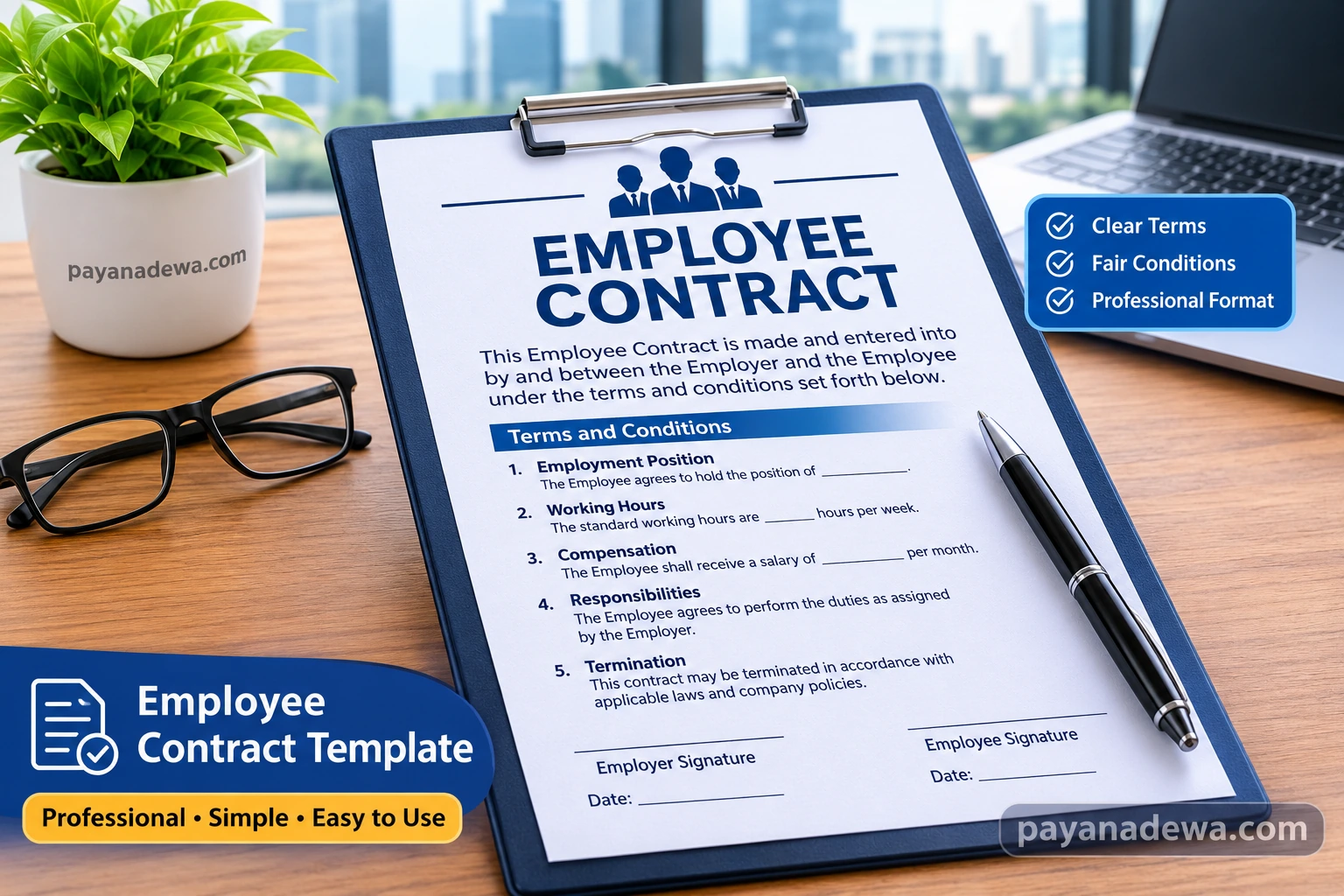
What Is an Employee Contract?
An employee contract is a formal agreement between an employer and an individual hired to perform specific work. It describes the conditions of employment and explains what each party agrees to do throughout the working relationship.
This document is commonly known as an employment agreement or employment contract. Depending on the country and applicable laws, it may be required in writing or supported by other employment records.
An employee contract usually identifies the employer, the employee, the position, the starting date, compensation, and other important workplace conditions. It can also explain company policies and procedures that apply to the employee.
The main purpose is to establish a shared understanding. When expectations are documented clearly, employers and employees have a useful reference if questions or disagreements arise.
Why Is an Employee Contract Important?
A written employment agreement provides several practical benefits. First, it helps prevent confusion about job responsibilities and compensation. Second, it gives employees a clearer understanding of their workplace rights and obligations.
For employers, a properly prepared contract supports consistent hiring practices. It also helps businesses communicate their expectations and maintain organized employment records.
For employees, the agreement provides an opportunity to review important conditions before accepting a position. They can ask questions about unclear clauses and request clarification when necessary.
Essential Elements of an Employee Contract
A professional employee contract should contain clear and relevant information. Although requirements vary between jurisdictions and employment arrangements, several sections are commonly included.
1. Employer and Employee Information
The agreement should identify both parties accurately. Include the employer’s legal business name and relevant contact details. The employee’s full legal name and appropriate contact information should also appear in the document.
Accurate identification helps establish who is entering the agreement. It also makes employment records easier to manage.
2. Job Title and Responsibilities
Every employment agreement should describe the employee’s position. Include the official job title, department, reporting manager, and main responsibilities.
A useful job description explains what the employee is expected to accomplish. It should be specific enough to guide daily activities without creating unnecessary restrictions on reasonable workplace changes.
3. Employment Start Date and Duration
The contract should clearly state when employment begins. If the agreement is for a fixed period, include the expected end date and any applicable renewal conditions.
For ongoing employment, explain the employment arrangement according to local legal requirements. Avoid using unclear language that could create confusion about the duration of the agreement.
4. Salary and Compensation
Compensation is one of the most important parts of an employee contract. The agreement should explain the employee’s salary or wage rate, payment frequency, and applicable payment arrangements.
It may also describe bonuses, commissions, overtime payments, allowances, and other financial benefits. Make sure every amount and condition is understandable.
Employers should ensure that compensation arrangements comply with applicable minimum wage, overtime, and payroll regulations.
5. Working Hours and Schedule
Working hours determine when employees are expected to perform their duties. Include the normal working schedule, rest periods, weekly days off, and relevant arrangements for overtime.
If employees follow rotating shifts or flexible schedules, explain how those arrangements work. Clear scheduling information helps employees organize their personal responsibilities while meeting business requirements.
6. Employee Benefits and Leave Entitlements
An employment agreement should explain the benefits available to employees. These may include paid annual leave, sick leave, health insurance, retirement contributions, parental leave, or other benefits.
Eligibility conditions and application procedures should be described clearly. Employers must also ensure that the agreement does not reduce benefits or legal entitlements required by applicable employment laws.
7. Confidentiality and Company Property
Some employees have access to confidential business information, customer records, financial documents, or internal company systems. A confidentiality clause can explain how sensitive information must be handled.
The agreement may also describe responsibilities involving company equipment, electronic devices, access cards, and other workplace property.
Any confidentiality or restrictive covenant provision should be reasonable and enforceable under the relevant local laws.
8. Termination and Notice Period
The contract should explain how the employment relationship may end. Relevant provisions can include resignation procedures, notice requirements, dismissal processes, and final payment arrangements.
Employers should avoid including termination clauses that conflict with statutory employee protections. Local laws may establish specific requirements for notice, severance, consultation, or other procedures.
Different Types of Employee Contracts
Employment arrangements can differ depending on the nature of the job, business requirements, and local regulations. Understanding the available contract types helps employers select an appropriate arrangement.
Permanent Employment Contract
A permanent employment contract generally describes an ongoing working relationship without a predetermined end date. Employees may receive regular compensation and benefits according to their employment terms.
This arrangement is often suitable for positions that support the company’s continuing operations. However, permanent employment does not mean that the relationship can never end. Termination must follow applicable contractual and legal requirements.
Fixed-Term Employment Contract
A fixed-term employment contract establishes an employment period with a specified end date or completion condition. Businesses may use this arrangement for temporary projects, seasonal activities, or other time-limited needs.
The agreement should explain the duration, renewal conditions, and what happens when the agreed period ends. Local employment laws may restrict the use or renewal of fixed-term arrangements.
Part-Time Employment Contract
A part-time employment agreement applies to employees who work fewer hours than the relevant full-time schedule. It should identify the expected working hours, payment arrangements, and applicable benefits.
Employers should explain how additional working hours are handled. Part-time status does not automatically remove statutory employment rights.
Probationary Employment Agreement
Some employment arrangements include a probationary period. During this time, the employer evaluates the employee’s performance, skills, and suitability for the position.
The agreement should explain the duration, evaluation criteria, and applicable employment conditions. Probationary arrangements must comply with local rules, including any restrictions on duration or termination.
How to Create an Effective Employee Contract
Preparing an employment agreement does not need to be complicated. A structured process can help employers produce a professional document that communicates important information clearly.
Step 1: Identify the Employment Requirements
Start by identifying the position and the business requirements. Determine the job title, main responsibilities, reporting structure, working schedule, and expected qualifications.
Having this information ready makes the contract easier to prepare. It also reduces the possibility of missing important employment conditions.
Step 2: Define Compensation and Benefits
Prepare a clear compensation structure before drafting the agreement. Identify the salary, payment schedule, additional incentives, and applicable benefits.
Review relevant employment regulations to ensure that the proposed arrangements meet legal requirements. Avoid promising benefits or payments without clearly defining their conditions.
Step 3: Prepare the Contract Document
Use a professional employee contract template as a starting point. Organize the information into sections with clear headings and straightforward language.
A template can save time and provide a useful structure. However, it should always be customized to reflect the actual position, business requirements, and applicable employment laws.
Step 4: Review Legal and Company Requirements
Before presenting the agreement, check whether its provisions comply with local employment regulations. Pay particular attention to wages, working hours, leave, employee protections, and termination procedures.
Company policies should also be consistent with the contract. If a provision is unclear or legally complex, consider obtaining advice from a qualified employment professional.
Step 5: Give Employees Time to Review
Employees should receive sufficient time to read the agreement before signing. Encourage them to ask questions about compensation, responsibilities, benefits, and other conditions.
Employers should address reasonable concerns and explain any unfamiliar terminology. A transparent review process supports trust from the beginning of employment.
Step 6: Sign and Store the Agreement
Once both parties agree to the terms, complete the signing process. Each party should receive an accessible copy of the finalized agreement.
Store the signed document securely. Employers should maintain appropriate records while respecting privacy and data protection requirements.
Common Employee Contract Mistakes to Avoid
Even a professional-looking employment agreement can create problems if important details are missing. Employers should review their documents carefully before using them.
- Unclear job descriptions: Vague responsibilities can create disagreements about employee expectations.
- Missing compensation details: Salary, payment dates, and additional payments should be explained clearly.
- Incorrect working hours: The agreement should accurately describe schedules and applicable overtime arrangements.
- Unreasonable restrictions: Confidentiality and restrictive clauses should be appropriate and legally enforceable.
- Outdated legal provisions: Employment agreements should be reviewed when relevant laws or regulations change.
- Missing signatures: Proper documentation helps demonstrate that the parties agreed to the stated terms.
- Using generic templates without customization: Every employment arrangement should reflect its actual requirements.
Avoiding these mistakes can make employment agreements more useful. It also helps businesses establish clearer and more consistent employment practices.
What Employees Should Check Before Signing an Employment Contract
Employees should never feel pressured to sign an agreement without understanding its contents. Reading the document carefully is an important part of accepting a new position.
Before signing, consider reviewing the following points:
- Confirm that the job title and responsibilities match the position offered.
- Check the salary, payment frequency, and any additional compensation.
- Understand the normal working schedule and overtime arrangements.
- Review annual leave, sick leave, and other available benefits.
- Check whether the agreement includes a probationary period.
- Understand confidentiality requirements and responsibilities involving company property.
- Review resignation, termination, and notice provisions.
- Ask for clarification about any unfamiliar or ambiguous language.
If a provision seems unfair or conflicts with applicable employment protections, seek appropriate professional advice before agreeing to it.
Why Businesses Should Use an Employee Contract Template
An employee contract template provides a structured starting point for preparing employment agreements. Instead of creating every document from scratch, businesses can use a consistent format for important employment information.
This approach can save administrative time, improve document organization, and reduce the possibility of overlooking essential sections.
Templates are particularly useful for small businesses that need a straightforward hiring process. They can also help larger organizations maintain consistency across departments.
Benefits of a Professional Contract Template
- Better organization: Important employment information appears in clearly defined sections.
- Time efficiency: Employers can adapt an existing document instead of starting from the beginning.
- Consistent formatting: Employment agreements can follow a professional company standard.
- Easier revisions: Standardized documents are easier to review and update.
- Improved communication: Employees can locate important conditions more easily.
Nevertheless, a template is not a substitute for legal review. Employers should customize every agreement and verify that its provisions meet the requirements of the relevant jurisdiction.
Conclusion: Build Better Working Relationships with a Clear Employee Contract
An employee contract is more than a document used during the hiring process. It is an important foundation for establishing clear expectations, responsibilities, and workplace conditions between employers and employees.
A well-written agreement should explain the job position, compensation, working hours, benefits, confidentiality requirements, and termination procedures. Each section should use understandable language and comply with applicable employment laws.
Employers can simplify the preparation process by using a professional employee contract template. However, every template should be reviewed and customized before it is signed.
Employees should also take the time to understand the agreement and ask questions about unclear provisions. Both parties benefit when employment conditions are transparent from the beginning.
Ultimately, a clear and carefully prepared employee contract helps create a more professional working relationship. It supports better communication, reduces misunderstandings, and provides a useful reference throughout the employment journey.
Are you preparing an employment agreement for your business or reviewing a contract before starting a new job? Share your thoughts and experiences, and explore more practical business document templates at payanadewa.com.