Starting a business can be exciting, but managing finances can quickly feel overwhelming. One of the first administrative tasks many new business owners encounter is invoicing. An invoice is more than a request for payment; it records what you provided, how much the customer owes, and when payment is expected. The source article similarly presents invoicing as an important part of financial management and recommends a beginner-friendly system for smoother transactions and timely payments.
A Beginner-Friendly Invoice makes this process easier by using a clear structure, straightforward wording, and an organized layout. Whether you are a freelancer, new entrepreneur, consultant, or small business owner, a simple invoice can help you look professional while keeping your billing process manageable.
What Is a Beginner-Friendly Invoice?
A beginner-friendly invoice is a simple billing document designed to be easy to create, understand, and manage. It identifies the seller and customer, describes the products or services provided, shows the amount due, and explains how and when the customer should pay.
For someone new to invoicing, simplicity is especially important. A complicated layout can make it easier to overlook important information. A clean invoice template provides a structured starting point instead, helping you create consistent documents without needing advanced accounting knowledge.
The source material recommends a simple and intuitive interface that allows users to create invoices without technical expertise or a steep learning curve.
Why Do Beginners Need a Simple Invoice?
Streamline the Billing Process
Creating every invoice from scratch takes unnecessary time. A reusable invoice template gives you a consistent format for each customer. You can simply update the client information, invoice number, services, prices, and payment details.
This structured approach can make billing faster and reduce the chance of forgetting important details. The source specifically highlights streamlined billing and consistency as key benefits of a beginner-friendly invoice system.
Build a Professional Image
Your invoice is part of your communication with customers. A well-organized document can make your business appear more established and trustworthy, even if you are just starting out.
A professional invoice does not need elaborate graphics. Clear headings, readable text, accurate figures, and complete contact information are usually more useful than excessive decoration.
Stay Organized
Keeping track of invoices is essential when you are monitoring payments and maintaining financial records. A consistent invoice numbering system and a centralized place for storing documents can make it much easier to find past transactions.

Key Features of a Beginner-Friendly Invoice
1. A Simple Layout
A good beginner invoice should be easy to scan. The customer’s information, invoice number, itemized charges, total amount, and payment instructions should be clearly separated.
Avoid adding unnecessary sections simply because a template offers them. Include the information that your business and customers actually need.
2. Customizable Templates
Customization allows you to add your business name, logo, contact information, and branding. You can also include payment terms that are relevant to your business.
According to the source, customizable templates can help businesses personalize an invoice while including specific payment terms and conditions.
3. Automated Calculations
Calculating subtotals, taxes, discounts, and final totals manually can create unnecessary opportunities for mistakes. Beginner-friendly invoice software with automated calculations can handle these figures for you.
This feature saves time while reducing calculation errors. The source specifically identifies automated calculations as a useful feature for calculating the total amount owed, including taxes and discounts.
4. Multiple Payment Options
Customers may prefer different ways to pay. Depending on your business, you may accept bank transfers, credit cards, or online payment platforms.
Including clear payment options directly on the invoice removes uncertainty and makes the payment process more convenient. The source recommends multiple payment methods as a feature of beginner-friendly invoicing.
5. Payment Reminders
Even a correctly prepared invoice can be overlooked. Payment reminders can help customers remember upcoming or overdue payments without requiring you to manually contact every client.
Automated reminders are particularly useful for improving payment consistency and maintaining healthier cash flow.
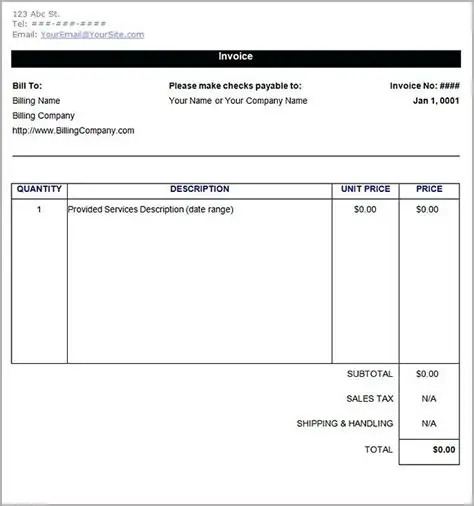
What Should You Include on a Beginner-Friendly Invoice?
A basic invoice does not need to be complicated. Start with the essential information and organize it logically.
- Business information: Include your business name, address, contact information, and logo.
- Customer information: Add the customer’s name, company, and relevant contact details.
- Invoice number: Give every invoice a unique identification number.
- Invoice date: Clearly state when the invoice was issued.
- Itemized services or products: Describe what was provided, including quantities and individual prices.
- Taxes and discounts: Show applicable additions or deductions clearly.
- Total amount due: Make the final amount easy to locate.
- Payment terms: State the due date and any applicable conditions.
- Payment instructions: Explain how the customer can pay.
The source article recommends these same fundamental elements, including business details, a unique invoice number, an itemized list, payment terms, the total amount due, and payment instructions.
How to Create Your First Invoice
Step 1: Add Your Business Details
Begin with your business name and contact information. Adding your logo can also make the document more recognizable and professional.
Step 2: Enter the Customer Details
Make sure the customer’s name and contact information are accurate. If you are invoicing a company, use the appropriate business name and billing contact.
Step 3: Add an Invoice Number and Date
Assign a unique invoice number to every document. A simple sequence such as INV-001, INV-002, and INV-003 can be enough for a new business.
Always include the invoice date so you can track when the billing request was issued.
Step 4: Describe Your Products or Services
Create an itemized list rather than providing one vague description. For example, instead of writing “Design work,” specify the type of design service, quantity, and price.
A detailed breakdown helps customers understand exactly what they are paying for and can prevent misunderstandings.

Step 5: Calculate the Amount Due
Add the applicable prices, taxes, and discounts. If you use invoice software, let its calculation features handle the arithmetic and then review the result before sending.
Step 6: Explain How to Pay
Clearly state the payment methods you accept. Include the necessary account or payment information so the customer does not have to contact you to ask where to send the money.
Step 7: Set the Due Date
Make the payment deadline prominent. Clear payment terms give your customer a specific expectation and make future follow-ups easier.
Tips for Making Your Invoice Easier to Understand
A beginner-friendly invoice should be simple for both the person creating it and the person receiving it. Use these practical guidelines:
- Use short and specific descriptions for products or services.
- Keep the most important figures visually easy to find.
- Use consistent formatting for dates, quantities, and prices.
- Avoid excessive colors, graphics, or decorative elements.
- Proofread the customer’s information before sending.
- Double-check the invoice number and payment due date.
- Make accepted payment methods obvious.
- Save a copy of every invoice you send.
Do You Need Special Software to Create an Invoice?
No. You can create a basic invoice with word-processing or spreadsheet software. However, specialized invoice software can simplify the process and provide additional features such as automated calculations, payment reminders, and invoice tracking.
For a beginner, the best choice depends on how many invoices you create and how much automation you need. If you only send a few invoices, a simple template may be sufficient. If your customer list is growing, specialized invoicing software can make recurring billing and payment tracking easier.
How to Handle Late Payments
Late payments are an important part of learning how to manage invoices. If a customer misses the due date, start with a polite reminder rather than immediately assuming there is a problem.
Check whether the invoice was received and confirm that the payment details were clear. A short, professional follow-up can often resolve the issue.
For ongoing relationships, automated due-date reminders can reduce the need for manual follow-ups. The source recommends reminders as a way to encourage timely payment and support healthy cash flow.
Beginner-Friendly Invoice FAQs
What is an invoice?
An invoice is a document a business sends to a customer requesting payment for products or services. It records the transaction and identifies the amount owed.
Can I customize a beginner invoice template?
Yes. Beginner-friendly invoice templates can be customized with your logo, business information, branding, payment terms, and other relevant details.
What payment methods should I include?
Offer payment methods that are practical for your business and convenient for your customers. Common options include bank transfers, credit cards, and online payment platforms.
How can I track invoices?
Keeping invoices in one centralized system can help you identify paid and outstanding invoices. Specialized invoice software may also provide payment tracking and reporting features.
Final Thoughts on Beginner-Friendly Invoice Templates
A Beginner-Friendly Invoice does not need to be complicated to be effective. The goal is to create a document that clearly communicates what was provided, how much the customer owes, when payment is due, and how the customer can pay.
For new business owners, starting with a simple invoice template can make financial administration much less intimidating. Choose a clean layout, include all essential information, use accurate calculations, and keep your invoice records organized.
As your business grows, you can add useful features such as customizable templates, multiple payment options, automated calculations, payment reminders, and centralized invoice tracking. These features can turn a basic billing document into a more efficient invoicing workflow while keeping the process approachable for beginners.