Finding reliable Affidavit Templates & Print resources can make the preparation of a sworn statement much easier, especially when a document must be completed accurately and presented in a formal setting. An affidavit is more than an ordinary letter. It is a written statement in which a person declares that specified facts are true under an oath or affirmation before an authorized official.
The right template can provide a useful structure for identifying the person making the statement, describing relevant facts, adding a signature section, and completing the required jurat or certification area. However, a template is only a starting point. Requirements can vary considerably according to the court, agency, state, country, document type, and purpose of the affidavit.
This guide explains how to select and prepare affidavit forms, what information normally belongs in them, how to approach printing and signing, and what to consider for specialized situations such as marriage, divorce, name changes, court proceedings, and South African requirements.
What Are Affidavit Templates & Print Resources?
Affidavit templates are structured documents designed to help organize a sworn statement. They commonly include areas for the affiant’s identity, address, relevant facts, date, signature, and certification by a notary public, commissioner for oaths, or another authorized person. The exact structure depends on the jurisdiction and intended use.
The printing stage is equally important because a document can contain the correct information but still create problems if pages are missing, signatures are placed incorrectly, or the certification section is incomplete. A clear printed copy should be easy to read, logically organized, and consistent from the first page to the last.
Why a Template Helps
A well-structured form reduces the chance of overlooking basic components. Instead of starting with a blank page, the writer can work through clearly labeled sections and concentrate on presenting accurate facts. Templates are particularly helpful when the person preparing the affidavit is unfamiliar with legal document formatting.
At the same time, a template should never be treated as universally valid. A general affidavit may not satisfy a court that has issued its own prescribed form. Before preparing the final document, check the instructions of the organization or court that will receive it.
Key Elements of a Well-Prepared Affidavit
Although formats differ, many affidavits contain several recognizable components. Understanding these parts makes it easier to evaluate an affidavit template word document, a PDF-based form, or a printable blank form.

- Title: The document should clearly identify itself as an affidavit or another required form of sworn declaration.
- Venue: The jurisdiction or location associated with the oath may need to be stated.
- Affiant information: The person’s full legal name and other identifying information should be entered accurately.
- Statement of facts: The main body should explain relevant facts in a clear, logical order.
- Signature section: The affidavit normally includes a designated area for the person making the statement.
- Jurat or certification: The authorized official completes the applicable section confirming the oath or affirmation.
- Supporting exhibits: Some proceedings require attachments or evidence to be identified and referenced within the statement.
The writer should distinguish facts from arguments. An affidavit generally works best when it explains what the person personally knows, observed, experienced, or can properly establish rather than turning the document into a lengthy legal argument.
How to Choose Affidavit Templates Printable for Your Situation
Searching for affidavit templates printable options can produce many different layouts. The most attractive design is not necessarily the most appropriate one. Start with the purpose of the document and the rules of the receiving authority.

Start With the Intended Use
Ask why the affidavit is needed. Is it supporting a court application, confirming identity, correcting information, establishing a fact, documenting a witness statement, or satisfying an administrative requirement? The answer determines which type of form is appropriate.
For example, an affidavit prepared for a court case may need a case caption, case number, names of the parties, numbered paragraphs, and specific certification language. An administrative affidavit may use a simpler structure but still require a particular oath or signature procedure.
Check Whether an Official Form Exists
One of the most important selection rules is to check the receiving authority first. Some courts and government agencies publish prescribed forms that must be used. In such circumstances, a generic form may be unsuitable even when its wording appears correct.
This is particularly important for specialized proceedings. A family court, immigration authority, property registry, or government department may have its own formatting requirements. Always compare a general template against the latest instructions from the organization receiving the document.
Understanding Affidavit Templates PDF and Editable Formats
People often search for affidavit templates pdf because PDF files preserve page layout and are convenient for printing. PDFs are useful when the document needs to retain consistent spacing, headings, signature lines, and certification blocks.

An editable document can be more practical during drafting because paragraphs, names, dates, and other fields can be revised before the final version is produced. A PDF can then be created for review and printing once the content is complete.
Regardless of format, inspect the final pages before signing. Make sure no text has been cut off, no fields have shifted, and every page is present. A document that looks correct on a computer screen can occasionally produce unexpected margins or page breaks when printed.
Affidavit Templates for Court Proceedings
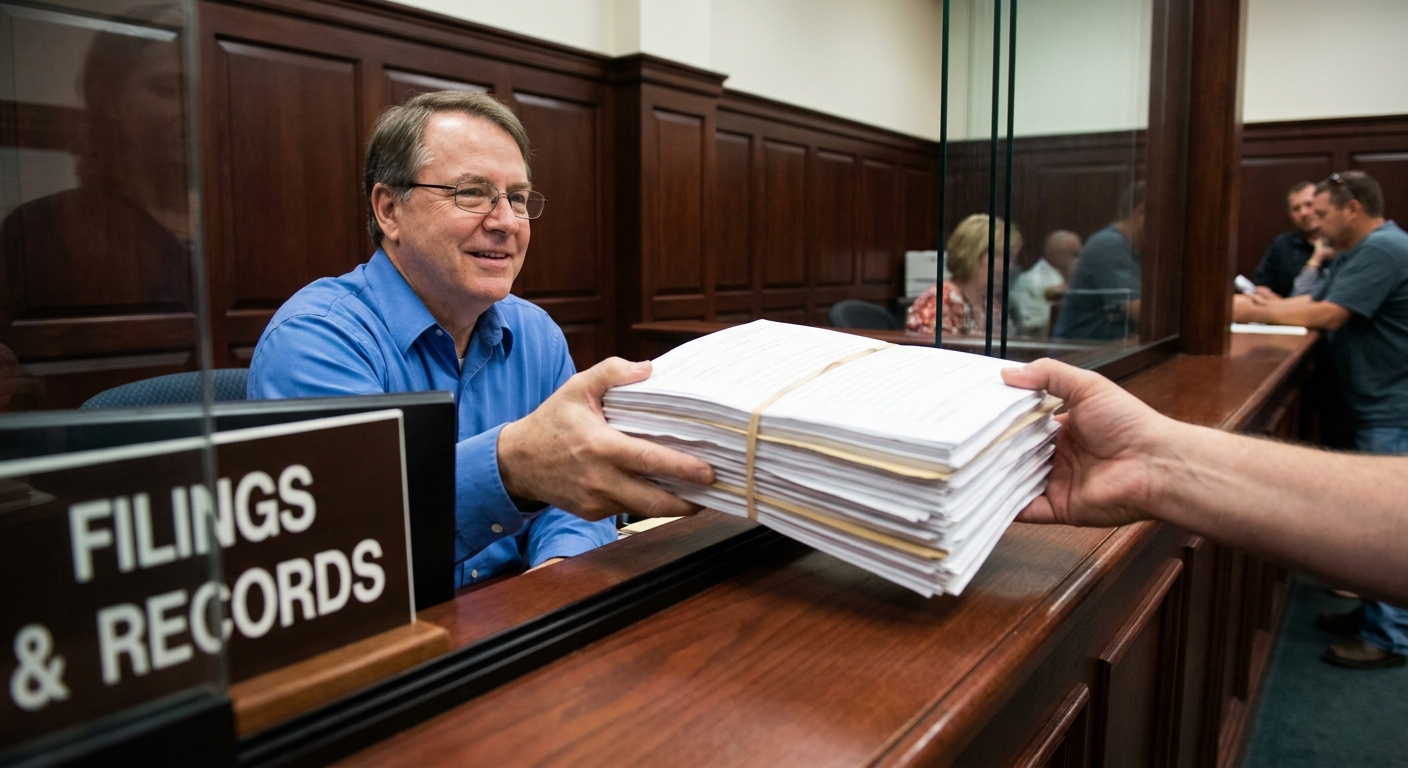
Affidavit templates for court use should receive particular attention because courts often have procedural rules governing evidence, formatting, filing, service, and sworn statements. A generic structure may help with drafting, but the court’s own rules take priority.

What a Court Affidavit May Contain
A court affidavit may identify the court, case number, parties, and person making the statement. The factual portion is often organized into numbered paragraphs so individual statements can be referenced easily. Supporting documents may be attached as exhibits when permitted by the applicable rules.
The wording should remain factual and precise. Instead of writing several paragraphs about what another person supposedly believes, identify the source of information when relevant and distinguish personal knowledge from information obtained elsewhere.
Before Filing
- Confirm the correct court and case information.
- Review the court’s current affidavit instructions.
- Check paragraph numbering and page order.
- Confirm that required exhibits are properly identified.
- Do not sign until you know where and before whom the oath must be administered.
- Keep a complete copy for your records.
Affidavit Templates for Legal Documents and Legal Purposes
Searches for affidavit templates for legal documents and affidavit templates for legal purposes often reflect a broad need for a structured sworn declaration. The same basic concept can be adapted to different situations, but the wording and formal requirements should match the specific legal purpose.

A useful affidavit should answer the essential questions without unnecessary material. Who is making the statement? What facts are being declared? How does the person know those facts? When did the relevant events occur? What supporting documents exist? Where and how must the statement be sworn?
Keeping these questions in mind helps produce a document that is easier for a court officer, government employee, lawyer, or other authorized recipient to review.
Affidavit Templates for Name Change Matters
Affidavit templates for name change situations can be useful when an organization requires a sworn statement explaining a difference between names appearing on records. However, the exact process varies. Some jurisdictions require a court petition, while others may use an administrative correction process or a specific statutory form.
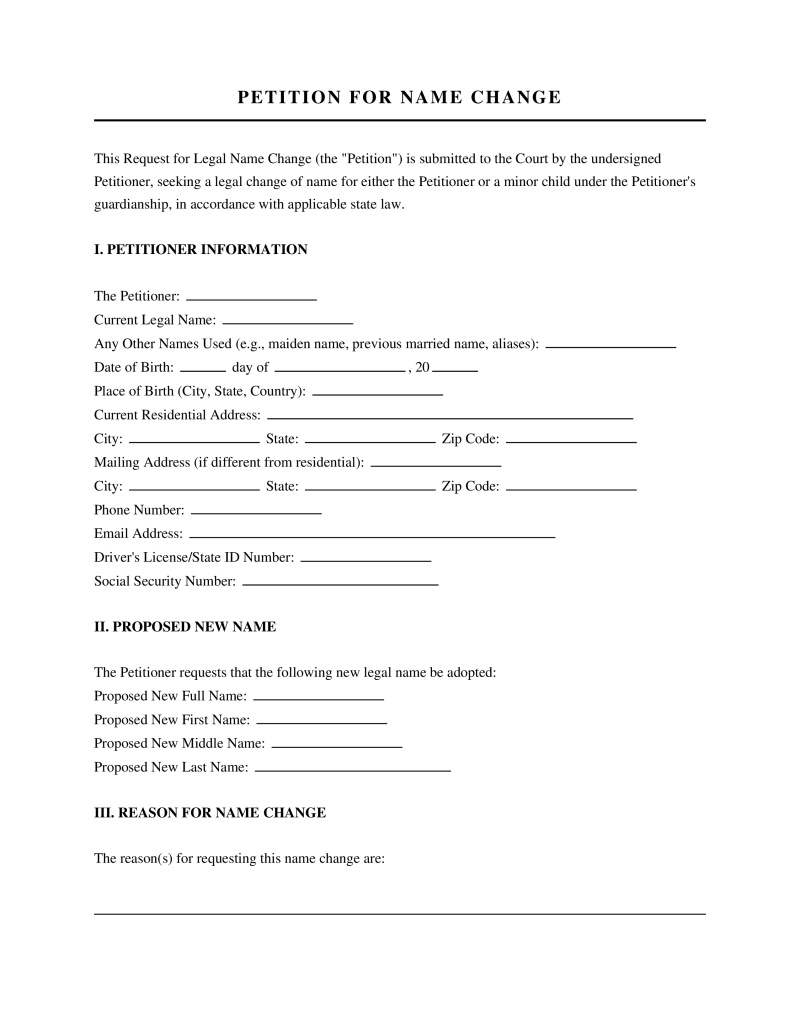
A name-related affidavit should clearly distinguish the current name, former or alternate name, relevant dates, and the reason the statement is being made. Avoid inconsistent spelling. The name on the affidavit should match the identification documents unless the discrepancy itself is the subject of the declaration.

When a name correction involves birth records, marriage records, immigration documents, financial accounts, or court records, check each institution’s requirements separately. One affidavit may explain the situation, but it may not replace a formal application required by a particular authority.
Affidavit Templates Marriage: What to Consider
Affidavit templates marriage searches can refer to several different documents. A person might need an affidavit concerning marital status, consent, identity, a marriage-related correction, or another declaration associated with a marriage process.
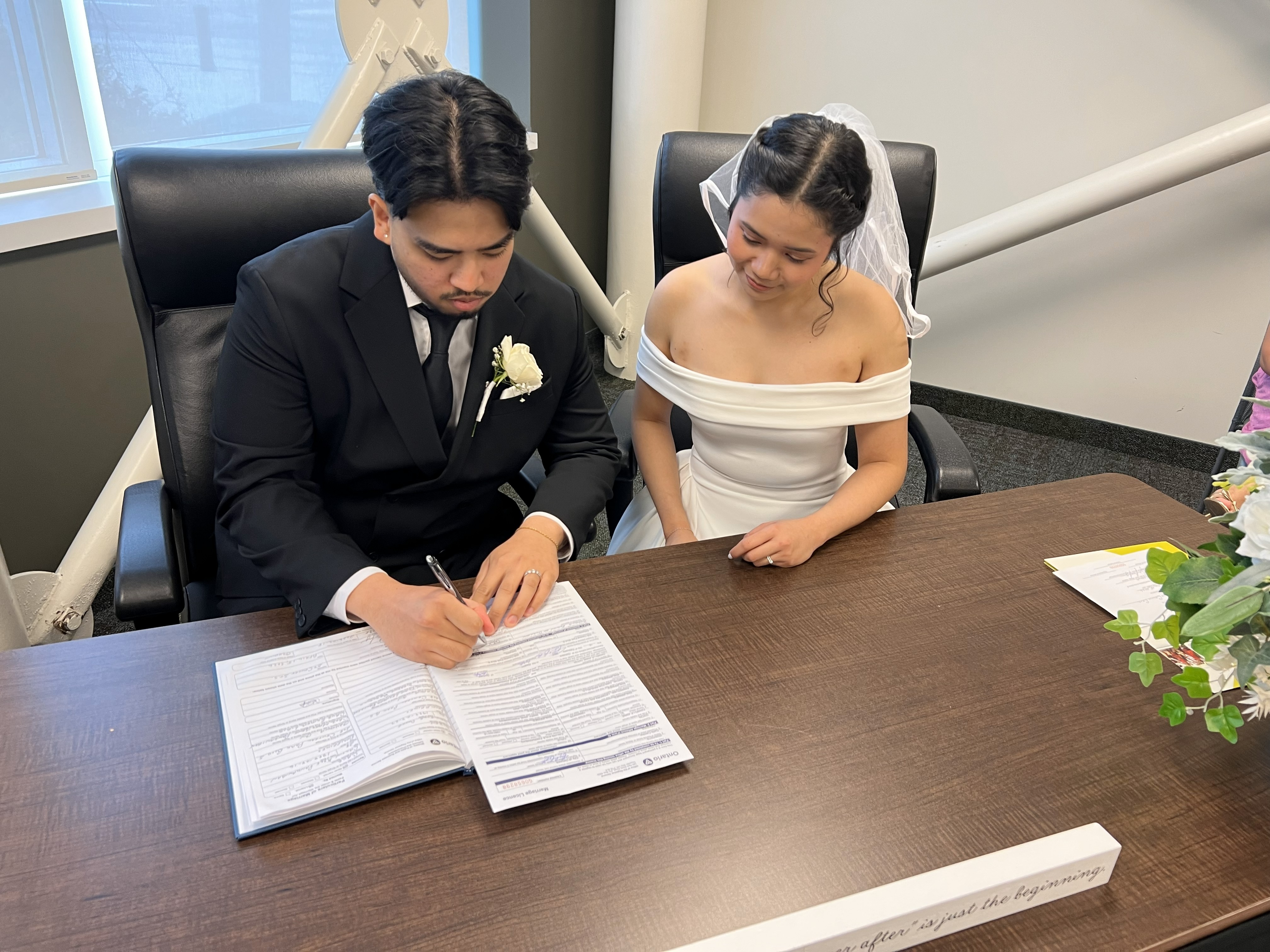
The important point is to identify the exact purpose before choosing a form. Marriage-related affidavits can involve different authorities and legal procedures. A form intended for one type of declaration should not automatically be reused for another.

Check whether the receiving organization specifies the wording, supporting identification, witnesses, oath administrator, or document authentication method. These details can determine whether a particular template is appropriate.
Affidavit Templates for Divorce
Affidavit templates for divorce can help organize information in family-law proceedings, but divorce procedures differ significantly between jurisdictions. A court may require a prescribed family-law affidavit, financial statement, evidence affidavit, or another specific form.

When preparing a divorce-related affidavit, focus on relevant facts and use dates consistently. Financial matters may require careful presentation of income, assets, liabilities, expenses, and supporting records. Parenting-related matters may require factual information concerning children, schedules, living arrangements, and other issues identified by the court.
A divorce affidavit should not become a place for personal attacks or unrelated complaints. Clear, factual writing generally makes the document easier to understand and helps separate relevant evidence from emotional commentary.
Affidavit Templates South Africa: Important Local Considerations
Affidavit templates south africa searches require special attention to local procedure. South African affidavits commonly involve a deponent making a statement under oath or affirmation before a Commissioner of Oaths or another authorized official, depending on the circumstances.
A South African form may contain identifying information, the declaration itself, a signature section, and certification by the official administering the oath. The appropriate procedure depends on the reason for the affidavit and the institution receiving it.
When using a South African template, confirm whether the document is intended for a police matter, court proceeding, government department, immigration matter, property issue, or another purpose. A generic layout may not contain every field required for a particular process.
How to Prepare an Affidavit Before Printing
Preparing the content before placing it on paper is one of the simplest ways to reduce errors. Begin with the facts rather than the formatting. Write a concise outline of the events or circumstances that must be established, then arrange them chronologically or in another logical order.

A Simple Preparation Process
- Identify the purpose: Write down exactly why the affidavit is required.
- Confirm the jurisdiction: Determine which court, agency, country, state, or province controls the procedure.
- Gather supporting records: Collect identification, correspondence, certificates, receipts, photographs, or other relevant materials.
- Draft the facts: Use direct sentences and distinguish personal knowledge from information received from others.
- Review names and dates: Check every spelling, number, date, address, and case reference.
- Check the certification section: Make sure the form provides the appropriate place for the authorized official.
- Print a review copy: Examine the physical pages before attending the signing appointment.
How to Print a Blank Affidavit Form
A blank affidavit form to print should be reviewed carefully before any handwriting or signature is added. Use a readable paper size and ensure the printer preserves the complete margins. If the form contains multiple pages, confirm that the pages remain in the correct order.
Do not assume that a printed form is ready for signing simply because every visible field has been completed. Some affidavits must be signed only in the presence of the person administering the oath. Signing beforehand can require the document to be redone.
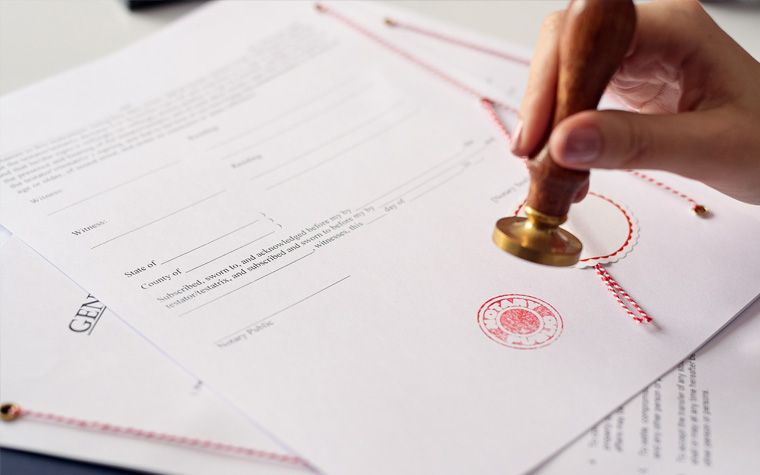
After printing, inspect the signature area, jurat, date fields, page numbers, and any exhibit references. If the form has been modified electronically, compare the printed version with the final digital version to make sure nothing shifted during conversion or printing.
Signing, Oaths, and Notarization
The signing procedure is one of the most important parts of an affidavit. In many situations, the person making the statement must personally appear before an authorized official, take an oath or affirmation, and sign the document as directed.
The official may verify identity, administer the oath or affirmation, observe the signature, and complete the certification or jurat. Requirements vary, so the person preparing the affidavit should confirm the exact process in advance.

Avoid signing simply because the form has a signature line. If the instructions require the signature to occur in the official’s presence, wait until the signing appointment. Bring appropriate identification and any supporting documents requested by the official.
Common Mistakes When Using Affidavit Templates
A template can simplify preparation, but it cannot prevent every mistake. The most common problems involve using the wrong form, entering inconsistent information, signing at the wrong time, or leaving important sections incomplete.
Another frequent issue is including assumptions as though they were established facts. A sworn statement should be carefully limited to information the affiant can properly support. If information comes from another person or record, the source may need to be identified depending on the applicable rules.
- Using a generic form when an official form is required.
- Leaving the court name or case number inconsistent with the filing.
- Adding opinions where factual statements are expected.
- Signing before the authorized official when the procedure requires signing in their presence.
- Failing to attach or identify required exhibits.
- Printing an incomplete or incorrectly formatted final copy.
- Ignoring local rules because a template worked in another jurisdiction.
How to Make an Affidavit Easier to Review
Clarity matters. Use short paragraphs, numbered statements when appropriate, and precise dates. Introduce people by their full names the first time they appear, then use consistent references afterward. If an event occurred in a particular location, include the location when it helps establish the context.
Supporting documents should be easy to identify. If exhibits are permitted, label them consistently and refer to them clearly in the relevant paragraph. Avoid attaching large amounts of unrelated material merely because it might be useful someday.
For lengthy affidavits, consider whether each paragraph establishes a distinct fact or group of closely connected facts. This approach can make the document more useful to the person reviewing the evidence and can reduce confusion during a hearing or administrative review.
FAQ About Affidavit Templates & Print
Can I use a general affidavit template for any legal matter?
Not necessarily. A general template can provide a structure for a sworn statement, but some courts and agencies require specific forms. Always check the instructions of the receiving authority before preparing the final version.
Is an affidavit the same as an ordinary written statement?
No. An affidavit is normally made under an oath or affirmation before a person authorized to administer it. An ordinary letter or personal statement does not automatically have the same formal status.
Can I edit an affidavit template before printing?
Yes, when the template is intended to be editable. Review all changes carefully and make sure the final document still contains the required identification, factual statement, signature, and certification sections.
What should I check before printing an affidavit?
Check names, dates, addresses, case numbers, paragraph numbering, exhibits, margins, page order, and the signature and certification areas. Also confirm that the form matches the requirements of the relevant jurisdiction.
What should I bring when signing an affidavit?
Bring the completed unsigned document, valid identification, and any supporting records requested by the authorized official. If the document must be signed in their presence, wait until the oath or affirmation procedure begins.
Are affidavit templates for court different from general forms?
They can be. Court forms may include a case caption, specific formatting, filing information, numbered paragraphs, exhibit requirements, and other procedural elements. The rules of the particular court determine what is acceptable.
What should I consider when using affidavit templates south africa?
Confirm the applicable South African procedure, the purpose of the affidavit, and the person authorized to administer the oath or affirmation. A form should match the requirements of the institution or proceeding where it will be submitted.

Final Checklist for Affidavit Templates & Print
Before considering an affidavit complete, perform one final review from the perspective of the person receiving it. Confirm that the document answers the purpose for which it was requested, contains accurate facts, identifies the correct parties and jurisdiction, and follows the applicable signing procedure.

- Confirm that the correct affidavit type was selected.
- Verify every name, date, address, and reference number.
- Make sure the factual statement is clear and relevant.
- Check whether supporting exhibits are required.
- Review the court or agency’s current instructions.
- Print the complete document and inspect every page.
- Leave the signature blank when the procedure requires signing before an authorized official.
- Bring identification to the signing appointment.
- Keep a complete copy after execution and filing.
For people searching for affidavit templates & print resources, the most important principle is to treat the template as a framework rather than a guarantee of legal compliance. Choose a form based on its purpose and jurisdiction, write only accurate and relevant facts, review every field before printing, and follow the required oath, signature, certification, and filing procedures. A carefully prepared affidavit is clearer, easier to review, and more likely to satisfy the formal requirements that apply to the specific matter.