An advertising poster is one of the most direct ways to communicate a message visually. Whether the goal is to promote a product, announce an event, build brand awareness, attract visitors, or encourage a specific action, a strong poster can communicate its main idea within seconds. The most effective posters combine visual hierarchy, memorable imagery, readable typography, persuasive messaging, and a clear purpose.
Understanding how successful poster campaigns work can help beginners create stronger promotional materials and help experienced designers refine their creative process. This guide explores advertising poster design, practical concepts, historical inspiration, modern marketing techniques, poster formats, audience considerations, and professional methods for developing visuals that stand out in physical and digital environments.
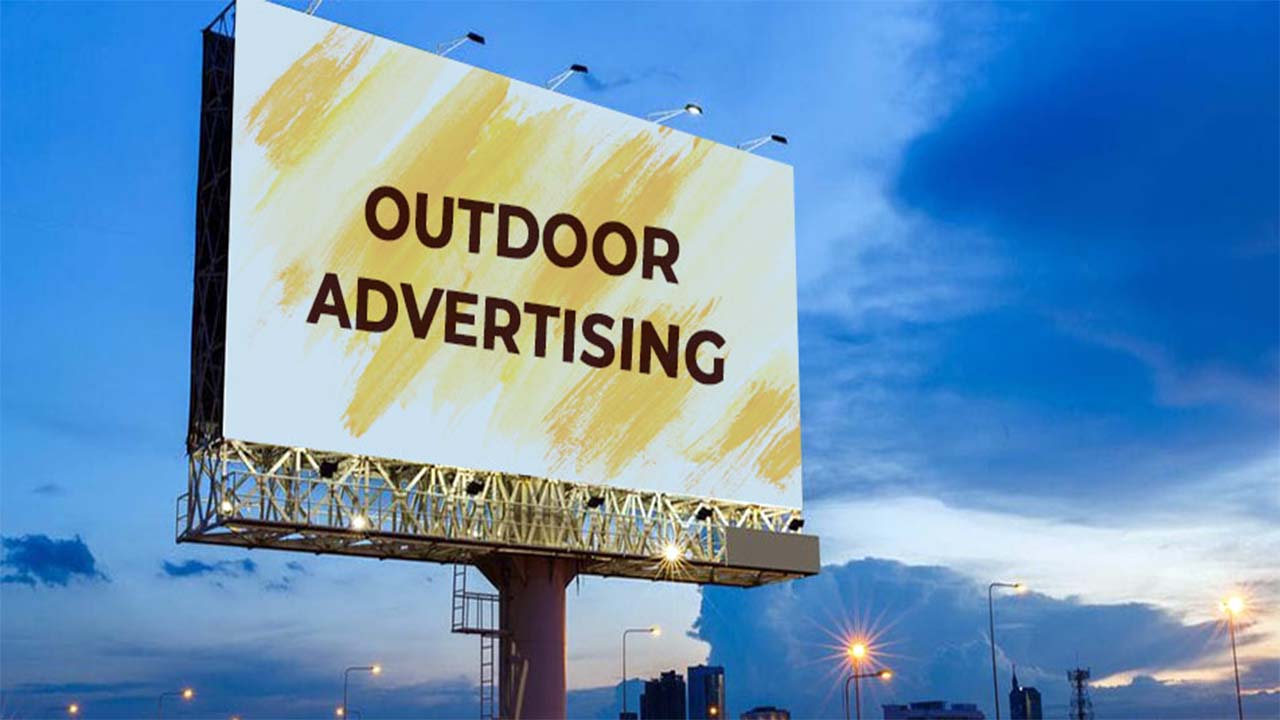
What Is an Advertising Poster?
An advertising poster is a visual marketing asset created to promote a product, service, event, organization, campaign, location, or idea. Unlike a long brochure or detailed sales page, a poster must communicate quickly. The viewer may only spend a few seconds looking at it, especially when it appears on a street, shop window, transport shelter, notice board, or busy public wall.
A successful poster usually answers several questions almost immediately: What is being promoted? Why should the audience care? What makes it appealing? What should the viewer do next? The answers do not need to appear as long paragraphs. A strong image, short headline, offer, and call to action can often communicate more effectively than excessive text.

The difference between a simple notice and a marketing poster is intention. A notice primarily informs. A marketing poster is designed to influence attention, perception, interest, and action. It uses composition strategically to guide the eye toward the most important message.
Why Advertising Posters Still Matter
Posters remain valuable because they create physical visibility in places where audiences live, travel, shop, study, and socialize. A poster can also become part of a wider campaign, appearing alongside social media graphics, packaging, email promotions, video advertising, and in-store displays.
One major advantage is visual immediacy. People often recognize colors, shapes, products, faces, and logos before reading detailed information. A poster can therefore build recognition even when the audience does not stop long enough to read every word.
Another advantage is flexibility. A single creative concept can be adapted into a small advertising post for a digital channel, a window display, a large-format street poster, or a billboard. The key is maintaining the central message while adjusting layout and typography for the viewing distance.
Essential Elements of Advertising Poster Design
Strong advertising poster design is rarely the result of adding more elements. In many cases, effectiveness improves when the designer removes anything that competes with the main message. The viewer should understand where to look first, second, and third.
A Clear Main Message
Every poster needs one dominant idea. Trying to promote five products, three events, multiple offers, and several unrelated messages usually creates confusion. Before beginning the layout, define the single most important statement the audience should remember.
Visual Hierarchy
Visual hierarchy determines the order in which the audience notices information. Size, position, contrast, color, spacing, and typography all influence this process. A typical hierarchy might include a dominant headline, a hero image, supporting information, and a final call to action.
A Relevant Hero Visual
The main visual should support the message rather than simply decorate the page. A food campaign might use an appetizing close-up, a travel campaign might use a recognizable landscape, and a product launch might focus attention directly on the product.
Readable Typography
Typography must match both the brand personality and viewing environment. Decorative lettering may work beautifully for a luxury event but become difficult to read from across a street. Before finalizing the design, test whether the headline remains understandable at the expected viewing distance.
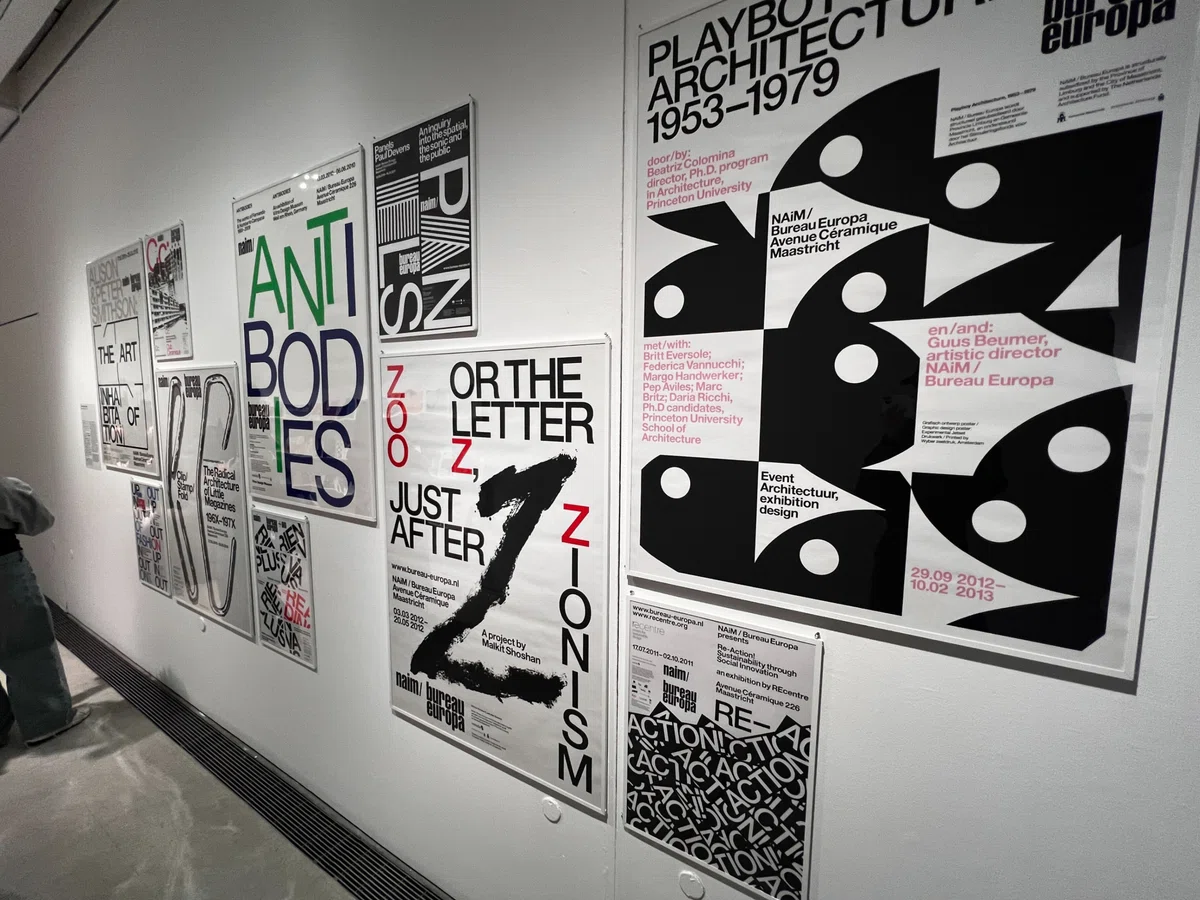
Advertising Poster Examples and What They Teach
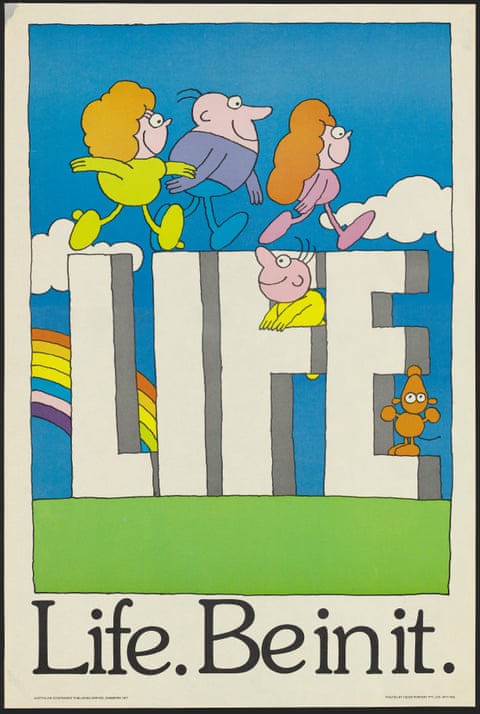
Studying advertising poster examples helps designers understand how composition influences attention. The strongest examples do not all look alike. Some depend on dramatic photography, while others use illustration, bold lettering, minimal geometry, humor, nostalgia, or unusual color combinations.
Historical advertising is particularly useful because successful posters often demonstrate timeless principles. Vintage campaigns frequently used a clear product focus, expressive illustration, and strong typography that could remain visible in crowded environments.

Advertising Poster by Alphonse Mucha
The phrase advertising poster by alphonse mucha often refers to the highly decorative commercial posters associated with Art Nouveau. Mucha’s work is a useful lesson in creating visual identity through flowing lines, ornamental borders, distinctive typography, elegant figures, and rich composition.
The important lesson is not to copy a historical style. Instead, examine how a recognizable visual language can make an advertisement feel different from competing messages. Strong campaigns develop their own atmosphere through consistent color, imagery, shape, and type choices.

Modern Commercial Poster Examples
Modern advertising posters examples often use strong contrast and simplified composition. A product may sit against a bold background with only a few supporting words. This approach works especially well when the product shape or brand identity is already visually distinctive.

Advertising Poster Design Ideas for Different Goals
Generating effective advertising poster design ideas begins with understanding the campaign objective. A poster intended to build awareness should not necessarily look like a poster designed to generate an immediate purchase.
- Product launch: Make the product the dominant visual element and create curiosity around what makes it different.
- Retail promotion: Emphasize the offer, deadline, and category with strong visual contrast.
- Event promotion: Prioritize the event name, date, location, and emotional atmosphere.
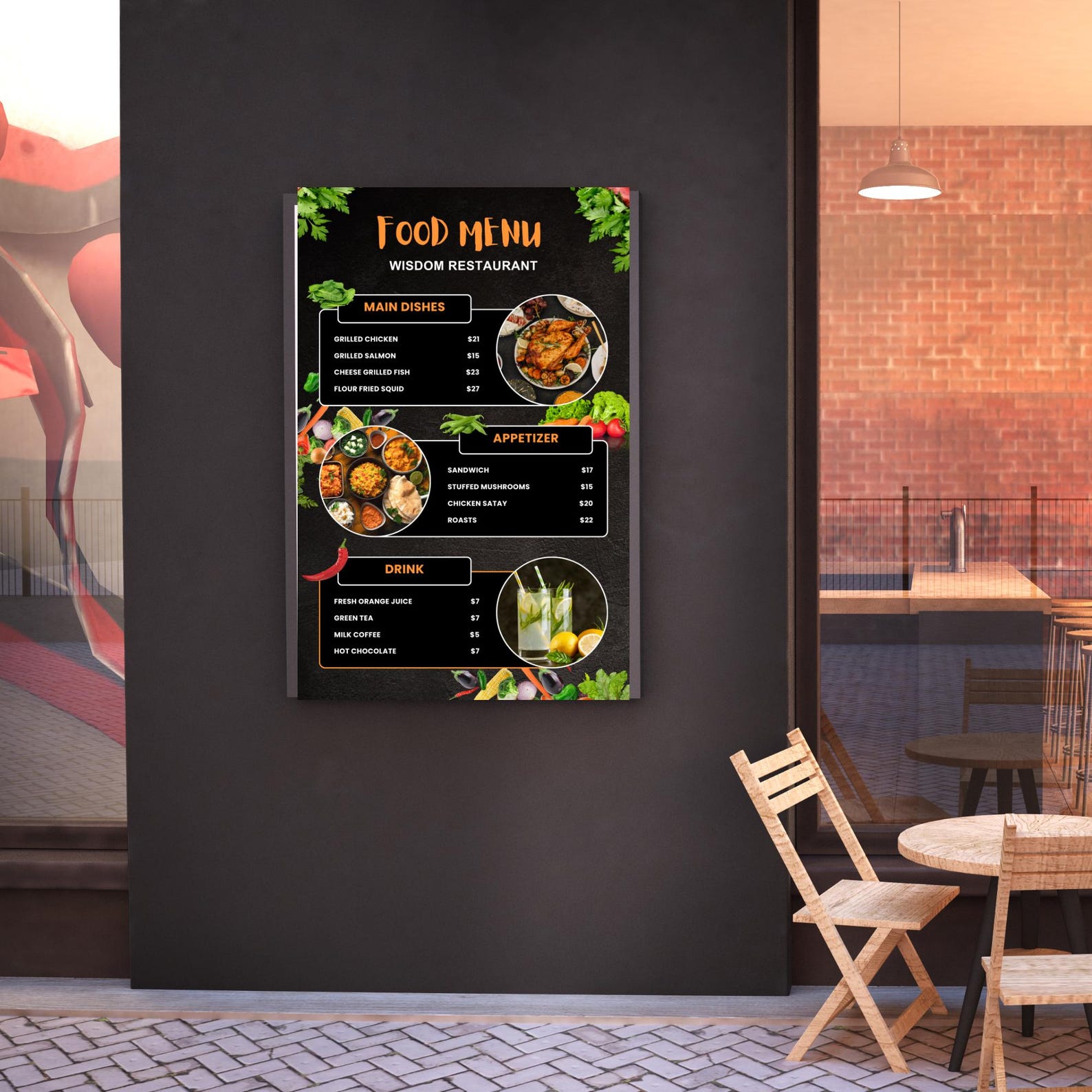
- Restaurant promotion: Use appetizing imagery and make the offer easy to understand.
- Public campaign: Focus on a memorable message that encourages awareness or participation.
- Brand awareness: Use a distinctive visual system that can be recognized repeatedly.

When exploring advertising poster ideas, avoid beginning with software. Start with the message and audience. Write down the main action you want the viewer to take, then identify the strongest visual metaphor for that action.

How to Use an Advertising Poster Template Effectively
An advertising poster template can provide a useful starting structure, especially when the designer needs consistency across multiple campaigns. However, replacing the text and image without reconsidering hierarchy can produce a generic result.
Use the structure as a foundation, then customize the composition around the actual campaign. Replace placeholder colors with the brand palette, adjust text length, choose relevant imagery, and remove elements that do not support the message.
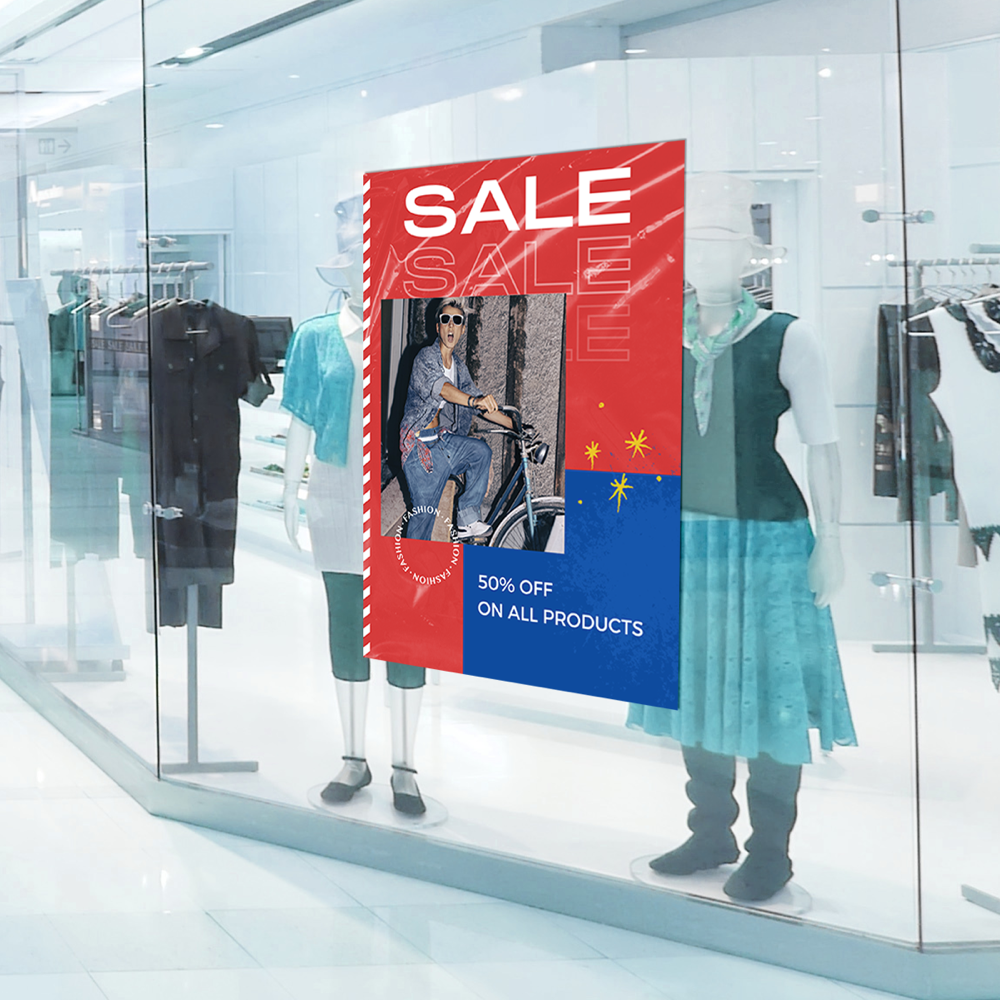
When searching for free advertising poster templates, the more useful approach is to focus on adaptability rather than choosing the most decorative layout. A flexible template should allow changes to imagery, typography, spacing, and message priority without making the campaign look like a collection of unrelated components.
How Can I Design Advertising Posters Like a Pro?
How can I design advertising posters like a pro? Start by treating the design as a communication problem rather than a decoration exercise. Professional-looking work comes from deliberate decisions.
Step 1: Define the Audience
Consider who will see the poster, where they will see it, and how much time they will have to process it. A poster aimed at commuters requires different priorities from a poster placed inside a boutique or classroom.
Step 2: Write the Core Message
Reduce the campaign idea to one sentence. If the message cannot be explained clearly before designing, the layout will usually become complicated later.
Step 3: Choose a Visual Direction
Select one visual personality. It might be energetic, elegant, playful, minimal, nostalgic, technical, luxurious, or youthful. Mixing too many styles weakens recognition.
Step 4: Create a Strong Headline
The headline should carry the emotional or practical value of the campaign. Avoid making the audience work too hard to understand what is being offered.
Step 5: Add Supporting Details Carefully
Dates, locations, product details, prices, contact information, and campaign terms should remain secondary to the main idea. The poster should still communicate its central purpose when viewed quickly.
Step 6: Test at Realistic Size
Zooming in on a screen can hide problems. Review the design at approximately the size and distance at which people will actually encounter it.
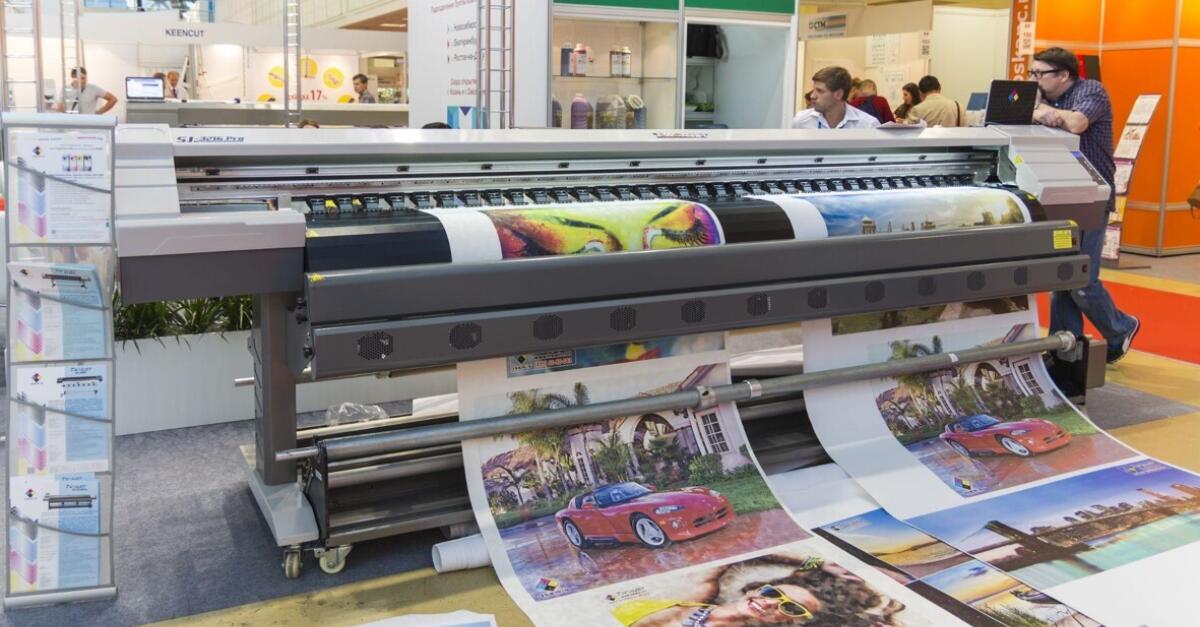
Color, Contrast, and Composition
Color is one of the fastest ways to establish mood. Warm colors can create energy and urgency, while restrained palettes can suggest sophistication or calm. Contrast is equally important because the audience must quickly distinguish the headline, imagery, and call to action.
A useful composition principle is to create visual breathing room. Empty space is not wasted space. It can make the important elements more noticeable and prevent the design from feeling crowded.
Advertising Posters for Kids and Educational Audiences
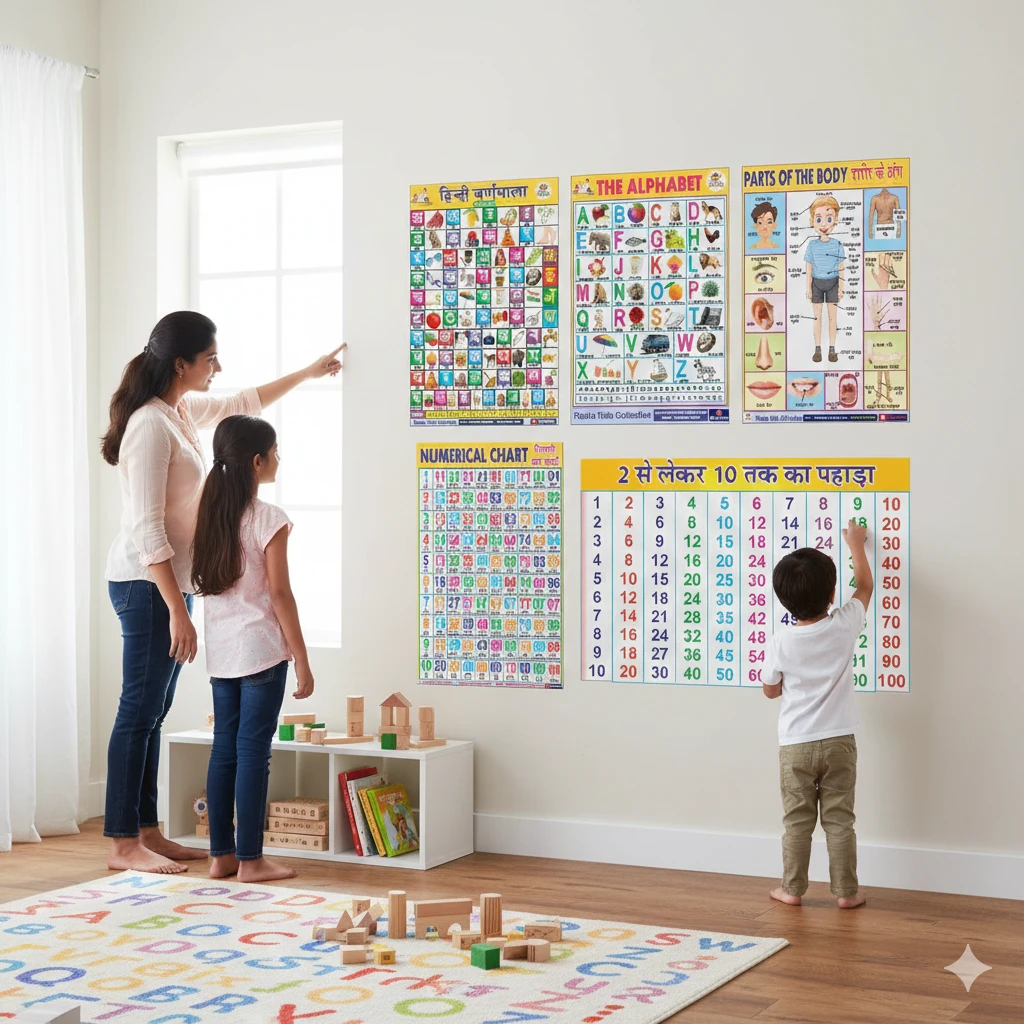
Advertising posters for kids require special attention to clarity, age appropriateness, and visual simplicity. Young audiences generally benefit from recognizable imagery, readable lettering, clear organization, and an engaging theme.
For educational projects, posters should encourage understanding rather than overwhelm the viewer. Color can help organize categories, while illustrations can explain concepts that would otherwise require long text.
Advertising Posters KS1
Advertising posters ks1 are often used to teach younger pupils how promotional messages work. A useful classroom exercise is to compare two simple posters and ask what viewers notice first, what product or event is being promoted, and which design elements make the message memorable.
Regional Considerations: Advertising Posters Australia and the UK
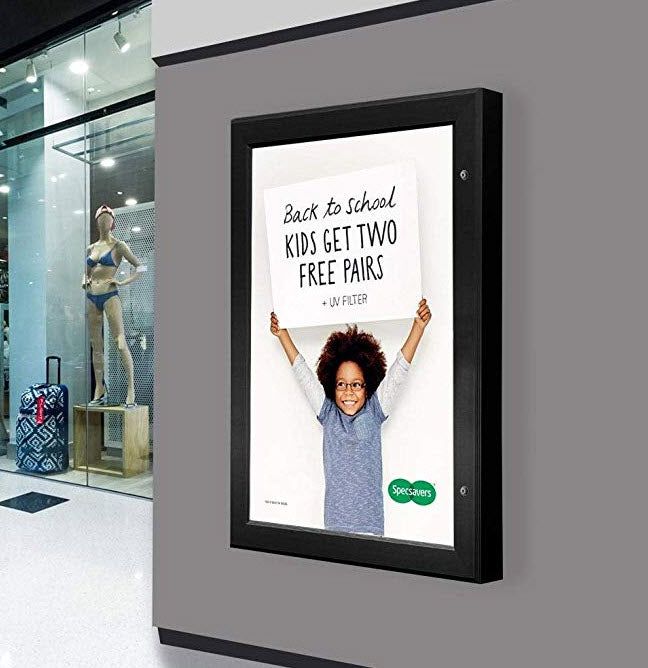
When researching advertising posters australia, consider where the poster will appear, local visual culture, environmental conditions, and the expectations of the target audience. Outdoor campaigns may need layouts that remain readable in bright daylight and busy urban surroundings.
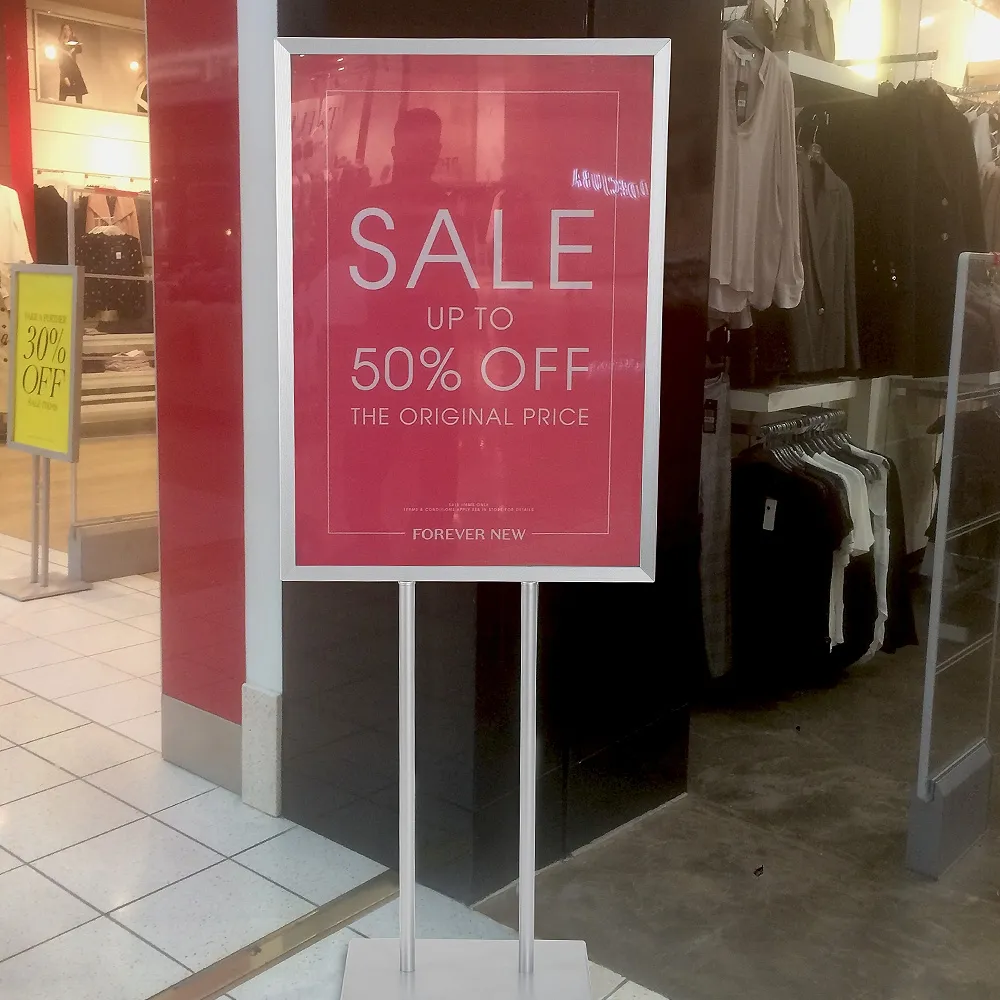
For advertising posters uk, designers may encounter retail displays, transport locations, cultural events, city streets, and community notice spaces. Each environment changes the design requirements. A poster viewed while walking needs a different information density from one placed in a waiting area.
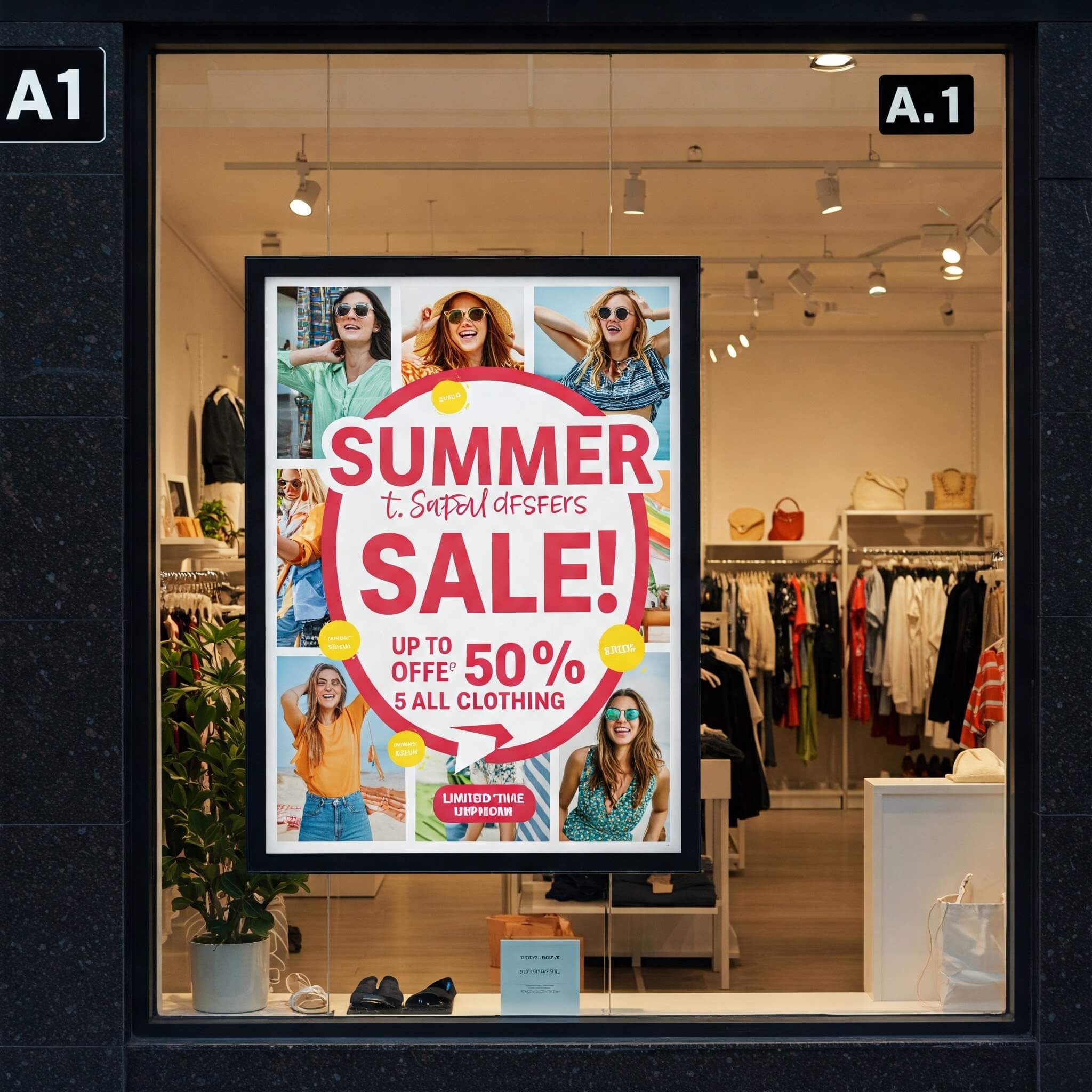
The most important rule is to design for context rather than geography alone. Consider lighting, viewing distance, movement, surrounding visual clutter, and audience behavior.
From Advertising Post to Complete Campaign
A modern campaign can begin with a single advertising post concept and expand into multiple formats. The headline, color system, hero image, and typography can remain consistent while dimensions change for different channels.
This creates a stronger brand experience because audiences encounter recognizable visual signals repeatedly. The poster does not need to contain every detail from every campaign channel. Its role is often to attract attention and lead the audience toward the next interaction.
What Is Advertising Poster Generator?
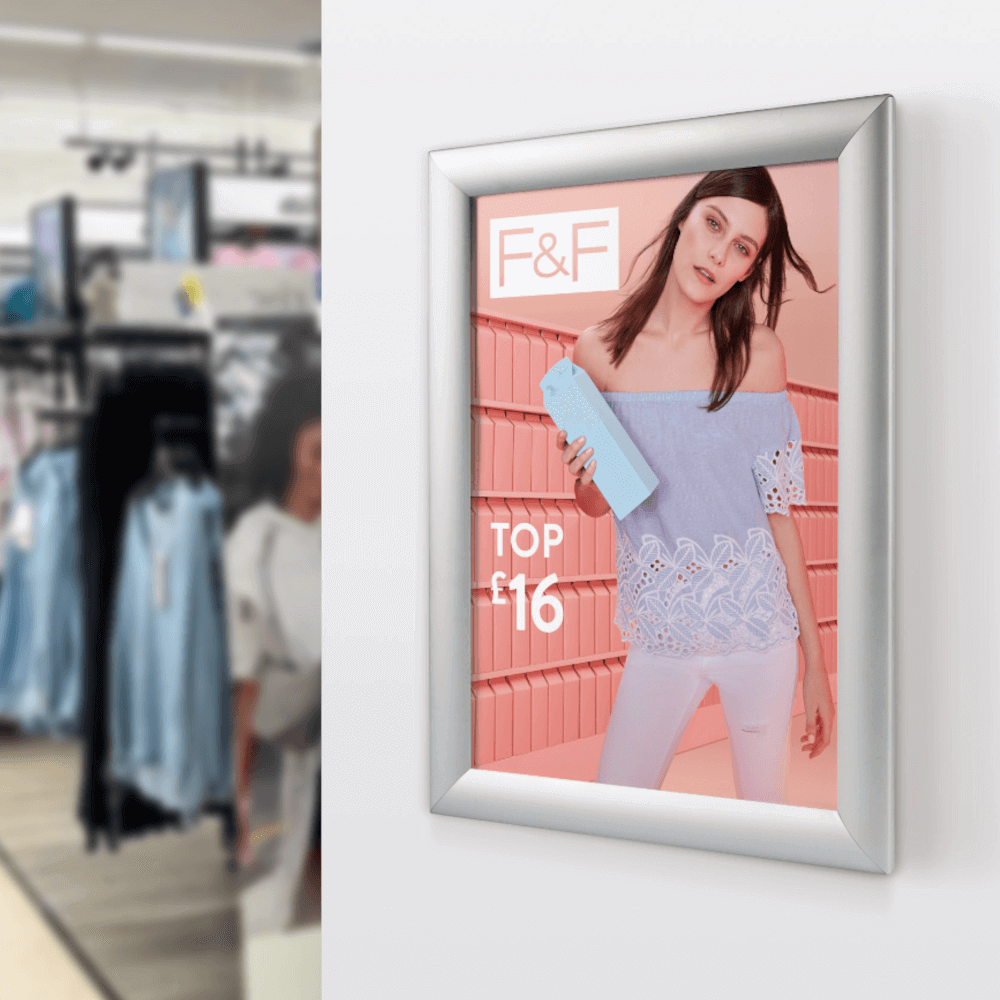
What is advertising poster generator? An advertising poster generator is a design system that helps users create promotional poster layouts using editable templates, automated composition tools, visual assets, text controls, and sometimes AI-assisted suggestions.
These systems can speed up production, particularly when a business needs multiple campaign variations. However, automation does not replace strategic thinking. The user still needs to define the audience, prioritize the message, review the hierarchy, and ensure the final design reflects the brand.
Common Advertising Poster Mistakes
Even visually attractive posters can fail when communication is unclear. Common mistakes include:
- Using too many fonts without a clear relationship.
- Trying to communicate several major messages at once.
- Choosing an image that looks attractive but does not support the campaign.
- Using low contrast between text and background.
- Making important details too small for the intended viewing distance.
- Adding decorative elements that distract from the product or offer.
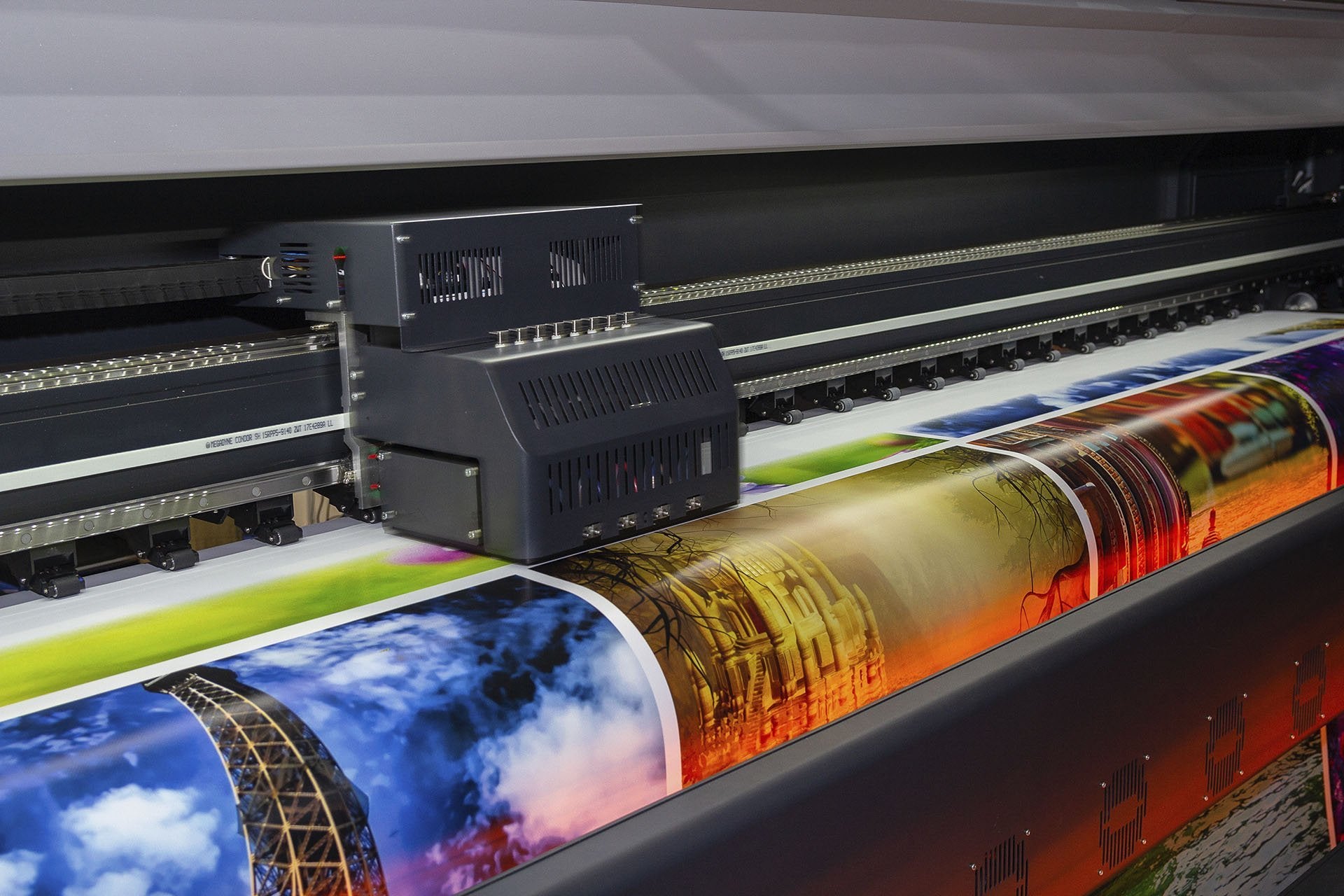
- Ignoring how the design will appear after printing or installation.
- Using inconsistent colors or visual styles across a campaign.
Advanced Tips for Stronger Poster Campaigns
Experienced designers can improve results by testing multiple concepts before committing to a final direction. Instead of changing minor colors repeatedly, create several genuinely different compositions. One might focus on photography, another on typography, and another on illustration.
Also consider the surrounding environment. A visually quiet poster may stand out in a crowded, colorful street, while a highly detailed poster may disappear when surrounded by competing advertisements.
Another advanced technique is message testing. Show the poster briefly to someone unfamiliar with the campaign, then ask what they remember. If they cannot identify the product, event, or main action, the hierarchy may need improvement.
Practical Advertising Poster Design Ideas
When creative direction feels unclear, use practical starting concepts instead of staring at a blank canvas:
- Create a product-centered composition with one dominant object.
- Build a typographic poster around a memorable phrase.
- Use a dramatic close-up to create emotional impact.
- Design around one bold geometric shape that frames the message.
- Use a before-and-after concept to communicate transformation.
- Place the main offer in an unexpected but highly visible position.
- Create a visual metaphor that represents the campaign benefit.
- Develop a poster series with consistent branding and changing visuals.
FAQ About Advertising Poster
What makes an advertising poster effective?
An effective poster has a clear purpose, strong visual hierarchy, relevant imagery, readable typography, and a message that can be understood quickly. The most important information should receive the greatest visual emphasis.
How much text should an advertising poster contain?
Use only the text needed to communicate the message and guide the next action. Posters generally work better when detailed information is secondary to a short, memorable main message.
What are good advertising poster examples to study?
Study posters from product campaigns, retail promotions, travel advertising, public campaigns, cultural events, and historical design movements. Compare how each example uses scale, contrast, typography, and imagery to influence attention.
Should I use photography or illustration?
Choose the format that best supports the message. Photography can create realism and immediate product recognition, while illustration can create a distinctive visual identity or explain an abstract idea.
How can I make a marketing poster more memorable?
Focus on one central idea and connect it with a distinctive visual. Memorable posters often combine a simple message with an unexpected image, bold composition, or recognizable color system.
Final Thoughts
A successful advertising poster does more than fill space with images and text. It organizes attention around a specific purpose. Start with the audience, define one central message, choose visuals that support that message, create clear hierarchy, and test the design in its real viewing environment. Whether you are exploring advertising poster design ideas, reviewing advertising posters examples, building a marketing poster, or creating a campaign for children, retail, events, or public spaces, the strongest result comes from clarity, relevance, and confident visual decisions.