A distributor plays an important role in connecting manufacturers with retailers, businesses, and customers. In today’s competitive marketplace, distribution is essential for ensuring products reach the right locations at the right time. Whether a company sells consumer goods, electronics, industrial equipment, or food products, working with the right distributor can significantly improve business performance.
Understanding what a distributor does, how distribution networks operate, and how to select a reliable distribution partner can help businesses build stronger supply chains and achieve sustainable growth. This guide explores the meaning of a distributor, different distribution models, key benefits, and practical strategies for choosing the right distributor for your business.
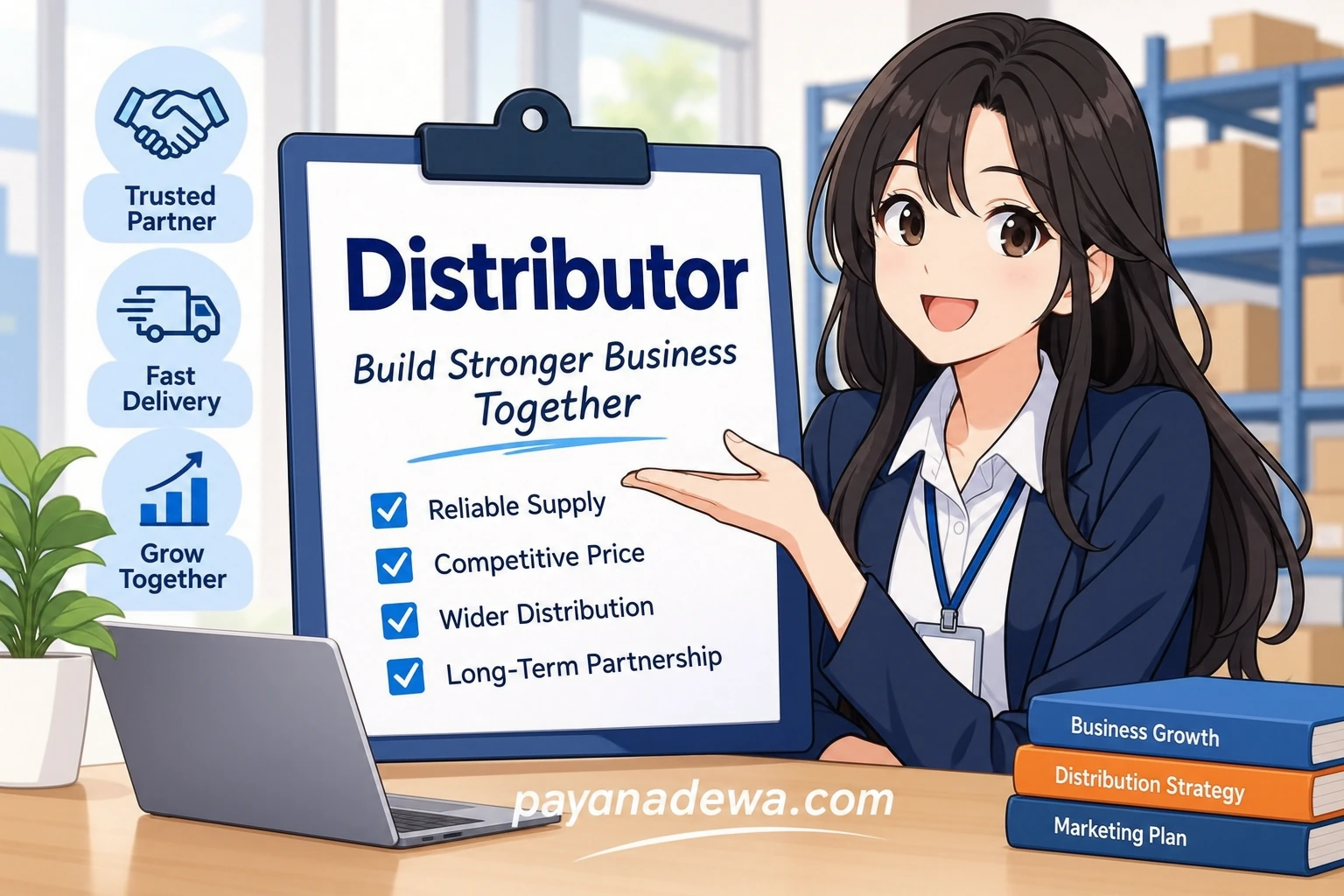
What Is a Distributor?
A distributor is a business or individual that purchases products from manufacturers or suppliers and resells them to retailers, wholesalers, businesses, or other customers. Distributors act as intermediaries in the supply chain, helping products move efficiently from production facilities to the marketplace.
Unlike manufacturers, distributors typically focus on purchasing, storing, marketing, and delivering products rather than producing them. Their responsibilities may include inventory management, transportation, customer support, and maintaining relationships with suppliers and buyers.
For example, a beverage manufacturer may produce thousands of bottles daily but lack the resources to deliver products to every supermarket. A beverage distributor can purchase those products, store them in a warehouse, and deliver them to retailers across multiple locations.
This arrangement allows manufacturers to focus on production while distributors concentrate on market coverage and logistics.
How Does a Distributor Work?
A distributor operates through a structured process that connects suppliers with customers. Although business models vary across industries, most distribution operations follow several essential stages.
1. Purchasing Products From Manufacturers
The distribution process begins when a distributor purchases products directly from manufacturers or authorized suppliers. Depending on the agreement, distributors may receive wholesale pricing, volume discounts, or exclusive distribution rights.
2. Managing Inventory and Warehousing
After purchasing products, distributors store inventory in warehouses or distribution centers. Effective inventory management helps maintain product availability while minimizing storage costs and unnecessary stock accumulation.
3. Marketing and Selling Products
Distributors promote products to retailers, wholesalers, commercial customers, and other businesses. They may provide product catalogs, sales representatives, promotional campaigns, and technical information to support purchasing decisions.
4. Delivering Products to Customers
Distribution companies coordinate transportation and delivery to ensure customers receive products efficiently. Reliable logistics and accurate order fulfillment are essential for maintaining customer satisfaction.
5. Providing Customer Support
Many distributors also provide after-sales services, product information, warranty assistance, and account management. These services strengthen relationships and encourage repeat business.
Types of Distributors in Business
Different distribution models serve different industries and commercial requirements. Understanding these models helps businesses identify the most appropriate distribution strategy.
Wholesale Distributor
A wholesale distributor purchases products in large quantities and sells them in smaller quantities to retailers or other businesses. Wholesale distribution is common in consumer goods, groceries, clothing, and household products.
Exclusive Distributor
An exclusive distributor receives the right to distribute specific products within a defined territory or market. Manufacturers often use exclusive distribution agreements to strengthen brand control and establish dedicated market coverage.
Authorized Distributor
An authorized distributor is officially approved by a manufacturer to sell its products. This arrangement is particularly common in electronics, automotive components, industrial equipment, and technology products.
Industrial Distributor
Industrial distributors supply equipment, machinery, tools, spare parts, and materials to manufacturing companies, construction businesses, and industrial facilities.
Online Distributor
An online distributor sells products through digital platforms, business websites, or e-commerce marketplaces. Online distribution can expand geographic reach and simplify purchasing for customers.
Benefits of Working With a Distributor
Partnering with a professional distributor can create substantial advantages for manufacturers, retailers, and growing businesses.
Wider Market Reach
Distributors often maintain established relationships with retailers and business customers across multiple regions. These networks help manufacturers enter new markets without building their own sales infrastructure from the beginning.
Lower Operational Costs
Businesses can reduce expenses associated with warehousing, transportation, sales personnel, and regional logistics by utilizing an existing distribution network.
Improved Product Availability
Distributors maintain inventory and coordinate deliveries, helping retailers and commercial customers access products more consistently.
Faster Business Expansion
Working with experienced distribution partners can accelerate expansion into new territories. Their local market knowledge, customer relationships, and logistics capabilities provide valuable support.
Professional Supply Chain Management
Reliable distributors help businesses improve order fulfillment, inventory planning, transportation coordination, and product handling.
How to Choose the Right Distributor
Selecting a distribution partner requires careful evaluation. A distributor should offer more than competitive pricing; it should also demonstrate reliability, financial stability, and strong business capabilities.
Evaluate Industry Experience
Choose a distributor with relevant experience in your product category. Industry knowledge helps ensure better product handling, market understanding, and customer service.
Check Distribution Coverage
Review the distributor’s geographical reach and customer network. Make sure its coverage aligns with your target market and business expansion plans.
Assess Financial Stability
A financially stable distributor is more likely to maintain sufficient inventory, fulfill orders consistently, and support long-term business relationships.
Review Logistics Capabilities
Evaluate warehouse capacity, delivery infrastructure, inventory systems, and order processing efficiency. Strong logistics capabilities reduce delays and improve customer satisfaction.
Compare Pricing and Contract Terms
Consider wholesale pricing, minimum order quantities, payment conditions, delivery charges, exclusivity clauses, and return policies. A transparent agreement helps prevent misunderstandings.
Verify Reputation and Reliability
Ask for references, review customer feedback, and assess the distributor’s history of fulfilling commitments. A trustworthy partner should communicate clearly and maintain consistent service standards.
Distributor vs. Wholesaler: What Is the Difference?
Although distributors and wholesalers share similarities, their business responsibilities and relationships with manufacturers can differ.
- Distributor: Often works directly with manufacturers, may receive authorization or exclusive rights, and can provide marketing, technical support, and strategic distribution services.
- Wholesaler: Primarily purchases products in bulk and resells them to retailers or other businesses, generally focusing on trading and volume sales.
In practice, the distinction is not always strict. Some businesses perform both distributor and wholesaler functions depending on their industry, agreements, and customer requirements.
Tips for Building a Successful Distributor Partnership
A successful distribution relationship requires communication, planning, and shared business objectives. The following practices can help both parties achieve better results.
- Set clear expectations: Establish sales targets, delivery schedules, product availability requirements, and service standards.
- Maintain regular communication: Share forecasts, inventory updates, promotional plans, and market feedback.
- Monitor performance: Track sales growth, delivery accuracy, customer satisfaction, and inventory turnover.
- Support product knowledge: Provide training, product documentation, and marketing materials.
- Build mutual trust: Maintain transparent pricing, fair agreements, and consistent business practices.
- Review agreements periodically: Adjust distribution arrangements when market conditions or business objectives change.
Common Challenges in Distribution Business
Despite its advantages, distribution involves challenges that businesses must manage carefully.
Inventory shortages can disrupt sales, while excess inventory increases storage expenses and financial pressure. Transportation delays, changing customer demand, price competition, and supplier disruptions can also affect distribution performance.
Modern distributors increasingly rely on inventory management software, demand forecasting, digital ordering systems, and real-time logistics tracking to address these challenges.
Businesses can improve distribution efficiency by maintaining accurate sales forecasts, establishing dependable supplier relationships, and regularly reviewing operational performance.
The Future of Distribution Business
The distribution industry continues to evolve as technology changes how products are purchased, stored, and delivered. Digital transformation is becoming increasingly important for companies seeking operational efficiency and competitive advantages.
Automation, artificial intelligence, data analytics, and cloud-based inventory systems are helping distributors improve demand forecasting, warehouse operations, and customer service.
E-commerce growth is also creating new opportunities for distributors to reach customers through online channels. Businesses that combine efficient logistics with digital sales capabilities can respond more effectively to changing market expectations.
Sustainability is another emerging priority. Many distribution companies are exploring optimized transportation routes, environmentally responsible packaging, and energy-efficient warehouses to reduce operational impact.
Conclusion
A distributor is an essential business partner that connects manufacturers with retailers, commercial buyers, and customers through efficient product distribution. By managing purchasing, inventory, logistics, sales, and customer relationships, distributors help businesses expand market reach and improve supply chain performance.
Understanding distributor types, evaluating potential partners, and developing strong distribution relationships are important steps toward sustainable business growth. Whether you are a manufacturer looking to expand sales or a retailer seeking dependable product suppliers, choosing the right distributor can create long-term value and competitive advantages.
With the right distribution strategy, businesses can improve product availability, strengthen customer relationships, and build a more efficient and successful operation.