A doctor certificate is an important medical document that confirms a person’s health condition, medical examination, or need for temporary rest. It is commonly required by employers, schools, universities, insurance providers, and other institutions when someone needs to provide official medical information.
Whether you need a medical certificate for sick leave, school absence, workplace requirements, or personal documentation, understanding how this document works can help you avoid unnecessary delays. It is also important to know what information a legitimate certificate should contain and who is authorized to issue one.
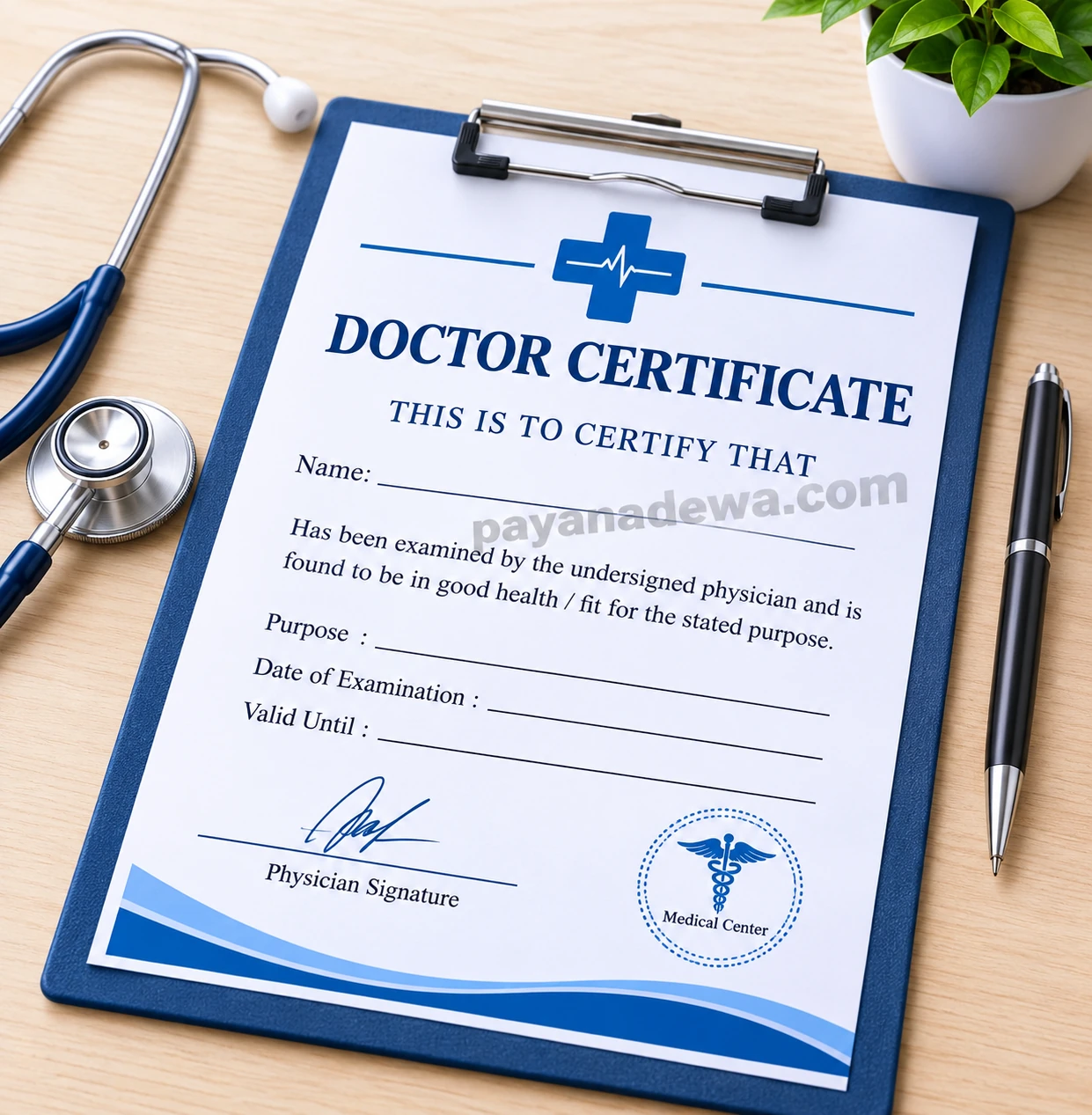
In this guide, we explain everything you need to know about a doctor certificate, including its purpose, essential details, different types, and how to obtain one. We also discuss how to use a doctor certificate template as a visual reference for understanding the document’s structure.
Read on to discover practical tips for requesting and verifying a medical certificate.
What Is a Doctor Certificate?
A doctor certificate, also known as a medical certificate or doctor’s note, is a document issued by a licensed medical professional following an appropriate medical assessment. It provides written confirmation of relevant medical information, depending on the patient’s circumstances.
For example, a doctor may issue a certificate confirming that a patient attended a medical appointment, experienced an illness, or requires time away from normal activities to recover.
In many situations, employers and educational institutions request this document to support an absence or explain a temporary limitation. However, the information included should be appropriate for the intended purpose and comply with applicable privacy requirements.
Common Reasons People Need a Doctor Certificate
There are several situations in which a medical certificate may be requested. The exact requirements depend on the organization, workplace policy, and local regulations.
1. Medical Leave from Work
One of the most common reasons for obtaining a doctor certificate is requesting sick leave. Employees may need medical documentation when an illness or injury prevents them from performing their usual duties.
A medical certificate can help an employer understand the recommended recovery period and determine whether temporary workplace adjustments are necessary.
2. School and University Absences
Students sometimes need a medical certificate when they miss classes, examinations, or important academic activities because of illness.
Schools and universities may use this documentation when reviewing attendance records or considering requests for examination rescheduling.
3. Medical and Insurance Documentation
Insurance companies may request medical documentation when processing certain claims. A doctor certificate can provide relevant information about an examination, diagnosis, or treatment when disclosure is medically appropriate and authorized.
However, insurance providers may require additional documents, such as medical reports, hospital records, or claim forms.
4. Fitness for Work or Other Activities
Some employers and organizations request medical assessments before allowing someone to return to work or participate in particular activities.
In these situations, a healthcare professional may assess whether the individual can safely perform specific duties or activities.
What Information Should a Doctor Certificate Include?
A properly prepared medical certificate should contain accurate information that supports its intended purpose. Although the layout can differ between healthcare providers, several details are commonly included.
- Patient information: The patient’s full name and other necessary identifying details.
- Examination date: The date when the medical assessment or consultation took place.
- Medical statement: Relevant information about the patient’s condition or examination, subject to privacy requirements.
- Recommended absence: The medically supported period of rest or absence, when applicable.
- Purpose of the certificate: An explanation of why the document is being issued.
- Doctor’s information: The issuing professional’s name, qualifications, and relevant registration details.
- Healthcare facility details: The clinic or hospital’s name and contact information.
- Authentication: The authorized doctor’s signature and any required official verification.
Not every certificate needs all these details. The issuing healthcare professional should include only information that is relevant, accurate, and permitted under applicable rules.
Different Types of Doctor Certificates
Medical certificates serve different purposes. Understanding the differences can help you request the correct document from your healthcare provider.
Medical Leave Certificate
This document supports a request for time away from work or other responsibilities because of a medical condition. It may include the recommended recovery period when medically appropriate.
Sick Note or Doctor’s Note
A sick note is commonly used to explain an illness-related absence. Depending on local requirements, it may confirm that a person was assessed by a healthcare professional and needed time to recover.
Fitness Certificate
A fitness certificate provides an assessment of whether someone is medically suitable for a particular activity, job, or responsibility. The assessment depends on the specific requirements involved.
Medical Examination Certificate
This certificate confirms that a medical examination has taken place. It may be requested for employment, educational enrollment, travel, or other administrative purposes.
Return-to-Work Certificate
Some workplaces require medical confirmation before an employee resumes their duties after an illness or injury. This document may also identify temporary restrictions or recommended workplace adjustments.
How to Get a Doctor Certificate
Obtaining a legitimate doctor certificate generally involves visiting an authorized healthcare provider and explaining why you need medical documentation.
Step 1: Schedule a Medical Appointment
Contact a licensed clinic, hospital, or qualified healthcare professional. Explain your symptoms and the reason you need a medical certificate.
Step 2: Attend the Medical Assessment
During your appointment, provide accurate information about your symptoms, medical history, and daily activities. The doctor may perform a physical examination or request additional tests when necessary.
Step 3: Explain the Certificate Requirements
Tell the healthcare provider whether the document is intended for an employer, school, university, or another organization.
If the receiving organization has specific requirements, bring those instructions to your appointment. This can help ensure that the certificate contains the appropriate information.
Step 4: Obtain the Official Document
If the healthcare professional determines that a certificate is appropriate, they can prepare and issue the document according to applicable medical and administrative requirements.
Step 5: Check the Information
Before submitting the certificate, review the patient’s details, examination date, issuing doctor’s information, and any other required information.
If you notice an error, contact the issuing healthcare provider and request an authorized correction.
How to Use a Doctor Certificate Template
A doctor certificate template can help readers understand the common structure and appearance of a medical document. It can also be useful for educational purposes, document design, or preparing a checklist of information to discuss with a healthcare provider.
However, downloading or editing a template does not make it an official medical certificate. A legitimate certificate must be based on an appropriate medical assessment and issued or authenticated by an authorized healthcare professional.
Important Design Elements
When reviewing a sample doctor certificate template, pay attention to the following elements:
- A clear and professional document heading.
- Space for the patient’s relevant information.
- A section describing the medical purpose.
- Examination and issue dates.
- Healthcare provider identification.
- An authorized signature or verification section.
For better readability, use a simple layout, consistent typography, sufficient spacing, and clear section headings. Avoid unnecessary decorative elements that make medical information difficult to understand.
Remember that a sample template should never be used to impersonate a doctor, fabricate medical information, or create a certificate without proper authorization.
Tips for Requesting a Medical Certificate
Getting the right medical documentation can be easier when you prepare before visiting a healthcare provider.
- Check the requirements first: Ask your employer or educational institution what type of certificate they accept.
- Be honest about your condition: Explain your symptoms and circumstances accurately.
- Bring relevant medical records: Previous prescriptions or examination results may help the doctor understand your situation.
- Ask about processing time: Find out when the official document will be available.
- Protect your privacy: Share medical information only with authorized recipients.
- Keep a copy: Retain a secure copy for your personal records.
- Verify submission deadlines: Submit the document within the timeframe required by the receiving organization.
How to Verify a Doctor Certificate
Verification is important because employers, schools, and other institutions need to ensure that submitted medical documents are legitimate.
If you receive a certificate, check whether the healthcare provider’s details are consistent and whether the document contains the necessary authentication.
When additional verification is required, contact the issuing healthcare facility using independently verified contact information. Follow applicable privacy laws and obtain appropriate authorization before requesting confidential medical information.
Organizations should also establish clear procedures for reviewing medical documents. These procedures should respect employee privacy while ensuring that documentation meets legitimate administrative requirements.
Frequently Asked Questions About Doctor Certificates
Is a doctor certificate the same as a medical certificate?
Yes. The terms are often used interchangeably. Both generally refer to documentation issued by a qualified healthcare professional to confirm relevant medical information or an examination.
Can I get a doctor certificate online?
Some licensed healthcare providers offer online consultations and digital medical certificates where permitted by local regulations. However, the doctor must conduct an appropriate assessment before issuing documentation. Not every medical condition can be evaluated remotely.
How long is a doctor certificate valid?
There is no universal validity period. It depends on the certificate’s purpose, the medical circumstances, local regulations, and the receiving organization’s requirements.
Does a doctor certificate need a signature?
Many medical certificates require an authorized signature or an approved digital authentication method. The exact requirements depend on the issuing healthcare provider and applicable regulations.
Can I use a doctor certificate template?
You can use a sample template as a visual or educational reference. However, an official medical certificate must be issued or authenticated by an appropriately authorized healthcare professional. A self-created document cannot replace a genuine medical assessment.
What should I do if my doctor certificate contains incorrect information?
Contact the healthcare provider who issued the document. Explain the error and request an official correction. Do not change medical details or signatures yourself.
Conclusion
A doctor certificate is an important document that helps confirm medical information for workplace absences, school requirements, insurance matters, and other administrative purposes.
Understanding its different types, essential details, and verification requirements can make the process easier. Most importantly, always obtain medical documentation from an appropriately qualified healthcare professional following a suitable assessment.
A doctor certificate template can provide a useful visual reference, but it should never replace an officially issued medical document. By following the correct procedures and protecting personal medical information, you can ensure that your documentation is accurate, appropriate, and trustworthy.