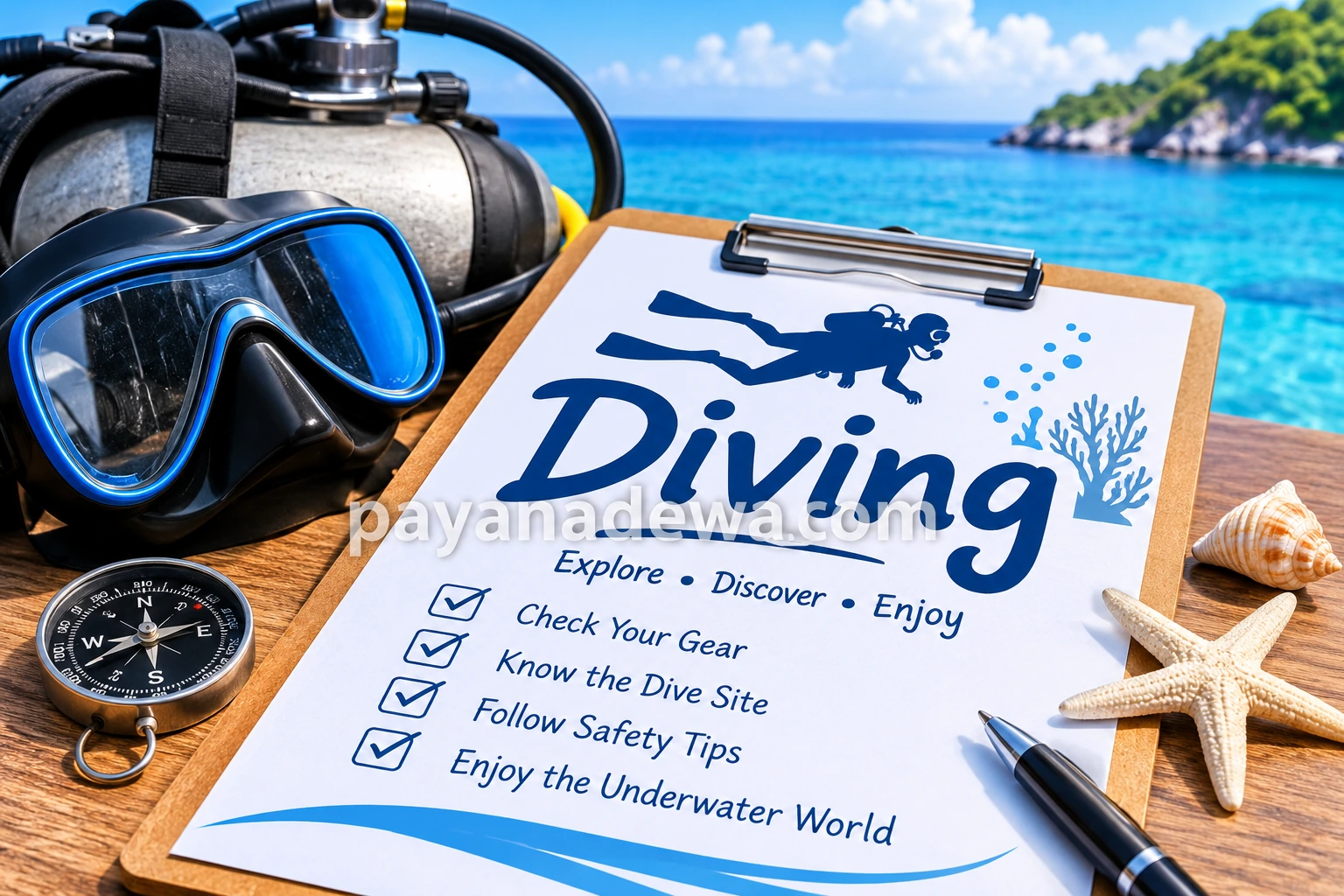
Diving is one of the most exciting ways to explore the natural world. Beneath the ocean’s surface lies an incredible environment filled with colorful coral reefs, fascinating marine animals, mysterious underwater landscapes, and breathtaking scenery. Whether you dream of swimming alongside tropical fish or discovering beautiful underwater caves, diving offers an unforgettable adventure.
For beginners, learning about diving can seem overwhelming at first. You may have questions about equipment, safety, training, and the best places to experience underwater exploration. Fortunately, getting started becomes much easier when you understand the basics.
This complete diving guide explains everything you need to know before your first underwater adventure. From choosing the right equipment to understanding essential safety practices, you will discover how to enjoy diving responsibly and confidently.
What Is Diving?
Diving is the activity of entering underwater environments to explore, observe marine life, or participate in recreational and professional activities. People dive in oceans, lakes, rivers, and other bodies of water.
There are several types of diving, each offering a different experience. Some require specialized equipment, while others depend primarily on breathing techniques and physical ability.
Scuba Diving
Scuba diving allows people to breathe underwater using a self-contained underwater breathing apparatus. Divers carry a compressed air cylinder connected to a regulator, which supplies air while exploring beneath the surface.
This type of diving is especially popular among travelers because it provides opportunities to explore coral reefs, underwater rock formations, shipwrecks, and marine ecosystems.
Freediving
Freediving is underwater exploration performed while holding your breath. Unlike scuba diving, it does not involve an air cylinder. Instead, freedivers rely on breathing preparation, relaxation, and specialized techniques.
Freediving requires proper instruction and should always be practiced with a trained buddy. Breath-hold diving alone can be extremely dangerous.
Snorkeling
Snorkeling is a simple way to discover underwater beauty without diving deeply. Participants use a mask, snorkel, and swimming fins to observe marine life while floating near the surface.
It is an excellent starting point for people who want to experience the ocean before taking professional scuba diving lessons.
Why Is Diving So Popular?
Diving attracts millions of enthusiasts because it combines adventure, relaxation, exploration, and a closer connection with nature. Every underwater experience can reveal something new.
Discover Amazing Marine Life
One of the biggest attractions of diving is the opportunity to observe marine animals in their natural habitats. Depending on the location, divers may encounter sea turtles, tropical fish, rays, reef sharks, seahorses, and many other fascinating creatures.
Observing these animals underwater creates a unique experience that is difficult to find anywhere else.
Explore Beautiful Coral Reefs
Coral reefs are among the most diverse marine ecosystems on Earth. Their colorful structures provide shelter and food for countless underwater species.
Exploring healthy coral reefs allows divers to appreciate the beauty of marine biodiversity while understanding why ocean conservation matters.
Experience Relaxation and Adventure
Many divers enjoy the peaceful feeling of floating underwater. The slow movements, gentle sounds, and beautiful surroundings can create a relaxing atmosphere.
At the same time, discovering unfamiliar underwater locations provides excitement and a sense of adventure.
Essential Diving Equipment for Beginners
Having suitable diving equipment is essential for comfort and safety. Beginners should learn how each piece of equipment works before entering the water.
1. Diving Mask
A diving mask allows you to see clearly underwater by creating an air space in front of your eyes. Choose a mask that fits comfortably and forms a reliable seal around your face.
2. Snorkel
A snorkel allows you to breathe while floating face-down at the surface. It is commonly used during surface swimming and snorkeling activities.
3. Diving Fins
Fins help divers move through the water more efficiently. Properly fitted fins reduce unnecessary effort and improve underwater movement.
4. Wetsuit
A wetsuit helps maintain body temperature by reducing heat loss in the water. The thickness you need depends on water temperature, dive duration, and personal comfort.
5. Buoyancy Control Device
A buoyancy control device, commonly called a BCD, helps scuba divers control their buoyancy underwater. It connects to the air supply system and allows divers to add or release air when necessary.
6. Regulator and Air Cylinder
The regulator delivers breathing gas from the cylinder at a pressure suitable for breathing. The cylinder stores the breathing gas used during a scuba dive.
7. Dive Computer
A dive computer monitors important information such as depth, dive time, and decompression limits. Beginners should learn how to understand and follow its information under the guidance of a qualified instructor.
How to Start Diving as a Beginner
Starting your diving journey does not require previous underwater experience. However, proper training and preparation are essential before attempting independent scuba diving.
Step 1: Learn the Basic Principles
Start by understanding underwater pressure, buoyancy, breathing techniques, and basic diving terminology. Learning these concepts will help you feel more comfortable during your first lessons.
Step 2: Choose a Recognized Diving Course
Enroll in a beginner scuba diving course offered by a recognized training organization and a qualified instructor. Training typically includes classroom or online learning, confined-water practice, and supervised open-water dives.
Step 3: Check Your Health and Fitness
Diving requires a reasonable level of physical ability. Certain medical conditions and medications can affect diving safety.
Complete the required medical screening honestly. Consult a diving medicine professional if you have any concerns about your fitness to dive.
Step 4: Practice With Your Instructor
During training, you will learn how to use your equipment, communicate underwater, control buoyancy, and respond to common situations.
Take your time and practice each skill until you feel comfortable. Never rush into deeper or more challenging dives before completing the required training.
Step 5: Start With Easy Diving Locations
Choose a calm, suitable training location with good supervision. Beginner-friendly conditions can make your first underwater experience more enjoyable and less stressful.
Important Diving Safety Tips
Safety should always be the highest priority when exploring underwater environments. Even experienced divers need to follow established procedures and respect their personal limits.
- Never dive alone: Always follow the buddy system and stay within the agreed distance of your diving partner.
- Check your equipment: Inspect your mask, fins, regulator, cylinder, BCD, and other essential equipment before entering the water.
- Monitor your air supply: Check your remaining breathing gas regularly and end the dive according to your planned limits.
- Ascend slowly: Follow your training, dive computer, and established ascent procedures. Never hold your breath while ascending.
- Equalize early: Equalize your ears gently and frequently during descent. Never force equalization or continue descending when experiencing pain.
- Stay within your training: Avoid deep dives, overhead environments, strong currents, and other advanced conditions without appropriate training.
- Check weather conditions: Pay attention to currents, visibility, waves, and local weather before every dive.
- Know emergency procedures: Understand how to communicate problems and access appropriate emergency assistance.
Remember that diving should never feel rushed. If you feel uncomfortable, unwell, or uncertain about conditions, postpone the dive.
Best Diving Destinations Around the World
Some destinations are famous for their beautiful coral reefs, excellent marine biodiversity, and unforgettable underwater landscapes. Your ideal destination depends on your experience, interests, and preferred diving conditions.
Raja Ampat, Indonesia
Raja Ampat is internationally recognized for its extraordinary marine biodiversity. Located in Southwest Papua, Indonesia, this destination features colorful coral reefs, tropical fish, and stunning island scenery.
It is an exceptional destination for divers who want to experience one of the world’s richest marine environments. Some sites have strong currents, so appropriate experience and local guidance are important.
Komodo National Park, Indonesia
Komodo National Park offers dramatic underwater landscapes, coral gardens, and opportunities to encounter manta rays and other marine animals.
Currents can be challenging in certain areas, making professional local guidance especially important.
Great Barrier Reef, Australia
The Great Barrier Reef is one of the world’s most famous coral reef systems. It offers numerous diving locations with diverse marine habitats and beautiful underwater scenery.
Maldives
The Maldives is known for clear tropical waters, colorful reefs, and encounters with manta rays and whale sharks in suitable locations and seasons.
Palau
Palau attracts experienced divers with its impressive reef systems, marine life, and underwater landscapes. Some dive sites involve challenging currents and require suitable experience.
How to Protect the Ocean While Diving
Responsible diving helps protect the underwater environments that make these experiences possible. Every diver has a role in preserving marine ecosystems for future generations.
- Never touch, stand on, or damage coral reefs.
- Maintain proper buoyancy to avoid accidental contact with marine life.
- Never chase, feed, or disturb underwater animals.
- Do not collect coral, shells, or other protected marine materials.
- Use reef-conscious products and follow local environmental guidelines.
- Take all trash and personal belongings back to shore.
- Choose responsible dive operators that support marine conservation.
Remember that the best underwater photographs are taken without disturbing the environment. Observe marine animals respectfully and allow them to behave naturally.
Practical Tips for Your First Diving Adventure
A little preparation can make your first diving experience much more enjoyable. Before traveling to your destination, organize your equipment and understand the local diving conditions.
- Book your diving course or guided experience in advance.
- Bring comfortable swimwear, towels, sunscreen, and drinking water.
- Get enough sleep before your diving session.
- Eat a light meal and stay properly hydrated.
- Listen carefully to your instructor’s briefing.
- Ask questions whenever you do not understand a procedure.
- Keep a record of your dives in a personal dive log.
- Follow recommended surface intervals and post-dive flying guidance.
After diving, allow enough time before flying. Follow the recommendations of your training organization, dive computer, and recognized diving safety guidance. Repetitive dives and multiple diving days may require longer intervals before flying.
Conclusion: Discover a New World Through Diving
Diving offers an extraordinary opportunity to discover the beauty of the underwater world. From colorful coral reefs and fascinating marine animals to peaceful underwater landscapes, every experience can create unforgettable memories.
For beginners, the most important steps are choosing proper training, understanding essential equipment, and following diving safety procedures. With the right preparation and a responsible attitude, you can gradually develop the confidence and skills needed to explore new underwater destinations.
Whether you choose to dive in Raja Ampat, Komodo, the Maldives, or another beautiful destination, remember to respect marine life and protect the ocean. The underwater world is a remarkable natural treasure, and responsible diving helps keep it beautiful for generations to come.
Start learning, prepare carefully, and discover the incredible adventure that awaits beneath the surface. Happy diving!
Image placement: