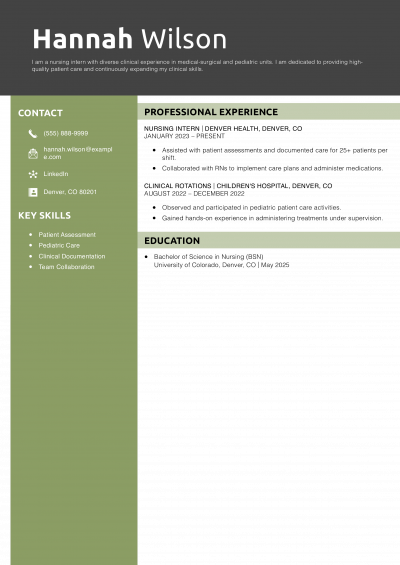
Starting a nursing internship can feel exciting and overwhelming at the same time, especially when you need to create a resume that stands out to hospitals, clinics, and healthcare organizations. A strong Nursing Intern ATS Resume Template can make the process much easier by providing a clear structure for your education, clinical experience, certifications, skills, and career goals. Because many employers use Applicant Tracking Systems (ATS) to screen applications, your resume should also be easy for recruiting software to read. A well-organized resume helps present your qualifications clearly while keeping the design professional and appropriate for a nursing internship.
For students and recent graduates, an AI Resume Builder can be a useful tool for creating a polished resume without spending hours worrying about formatting. AI-powered tools can help organize information, improve wording, and suggest relevant skills based on the position you want. However, the best results come from combining AI assistance with your own accurate information. Your clinical rotations, coursework, volunteer activities, certifications, and personal strengths should remain authentic and specific to your nursing background.
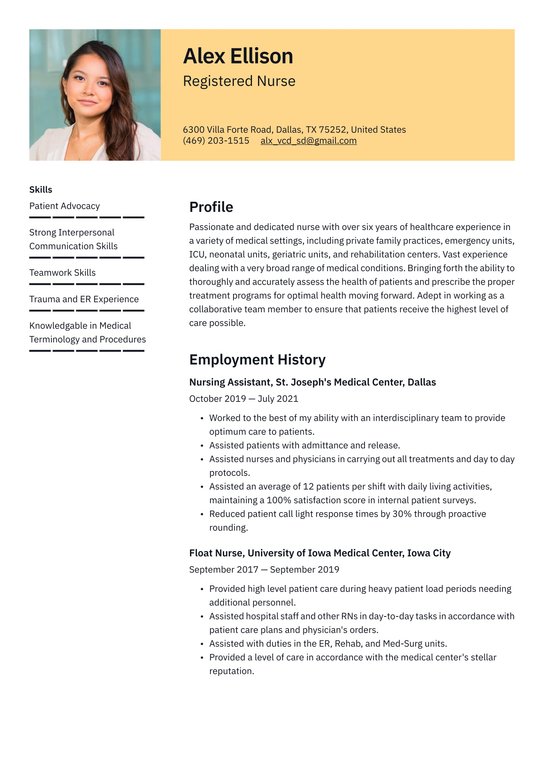
A good nursing intern resume should focus on relevance rather than simply adding as much information as possible. Recruiters want to quickly understand what you have learned and how your education has prepared you for a clinical environment. Using straightforward headings, readable formatting, and relevant nursing keywords can improve both readability and ATS compatibility. Whether you are applying for your first hospital internship or seeking additional clinical experience, a thoughtful resume template can give you a strong foundation and help you communicate your potential with confidence.
How to Build an ATS-Friendly Nursing Intern Resume
Essential Resume Sections for Nursing Students
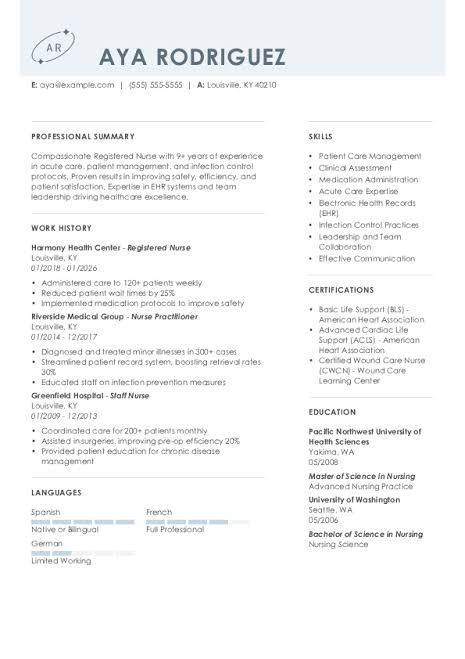
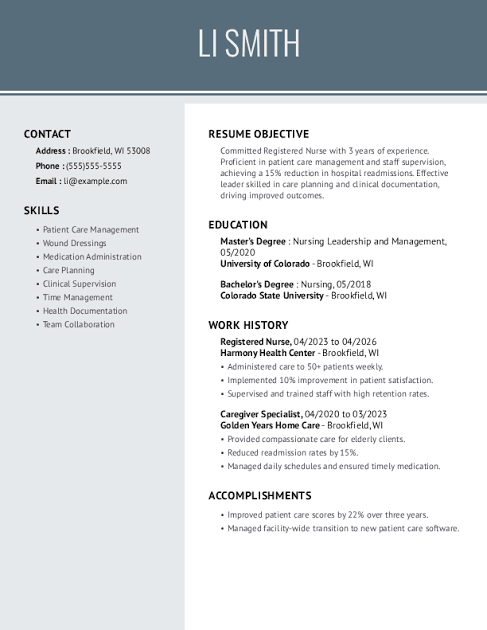
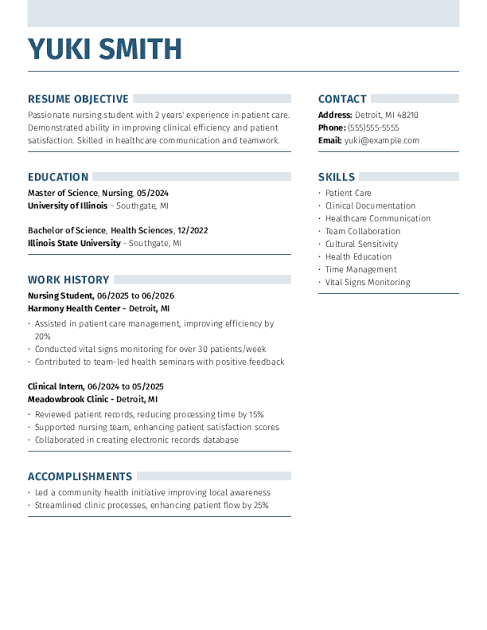
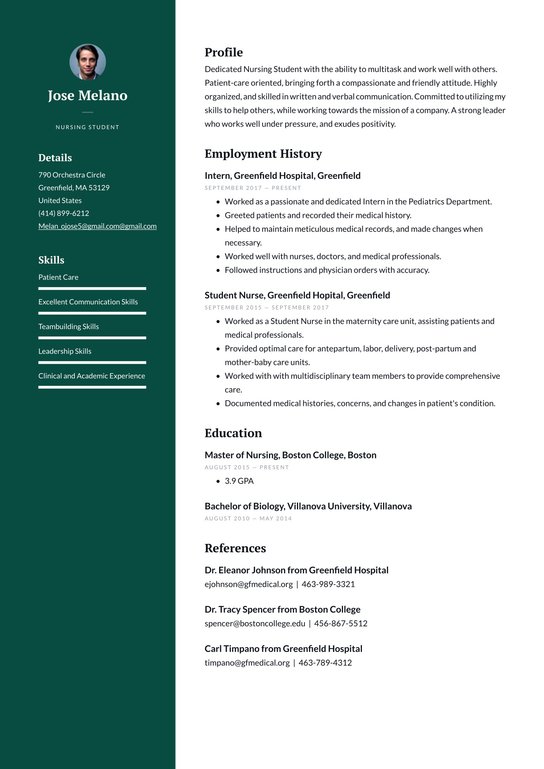
The first step is to include the essential sections that employers expect to see. Begin with your full name and professional contact information, followed by a concise resume summary or objective. Next, highlight your nursing education, clinical experience, certifications, relevant skills, and additional experience. If you have completed clinical rotations in areas such as medical-surgical nursing, pediatrics, maternity, community health, or mental health, list them clearly. Even when you have limited professional experience, clinical training can demonstrate practical knowledge, teamwork, communication, patient interaction, and familiarity with healthcare environments.
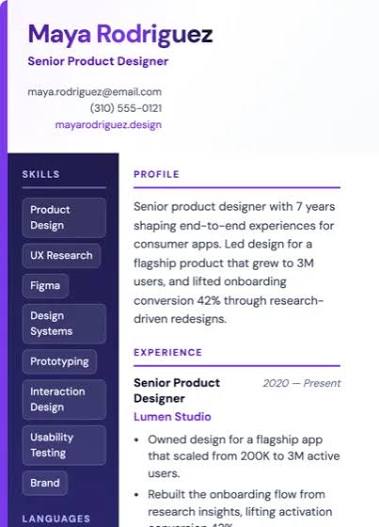
ATS compatibility also depends on simple and consistent formatting. Avoid excessive graphics, complicated tables, text boxes, decorative fonts, and information placed inside headers or footers. Use conventional section titles such as “Education,” “Clinical Experience,” “Certifications,” and “Skills” so automated systems can recognize the information more easily. Include keywords naturally when they accurately describe your qualifications. For example, relevant terms may include patient care, vital signs, clinical assessment, documentation, infection control, communication, teamwork, and patient safety. Always adjust your keywords according to the internship description.
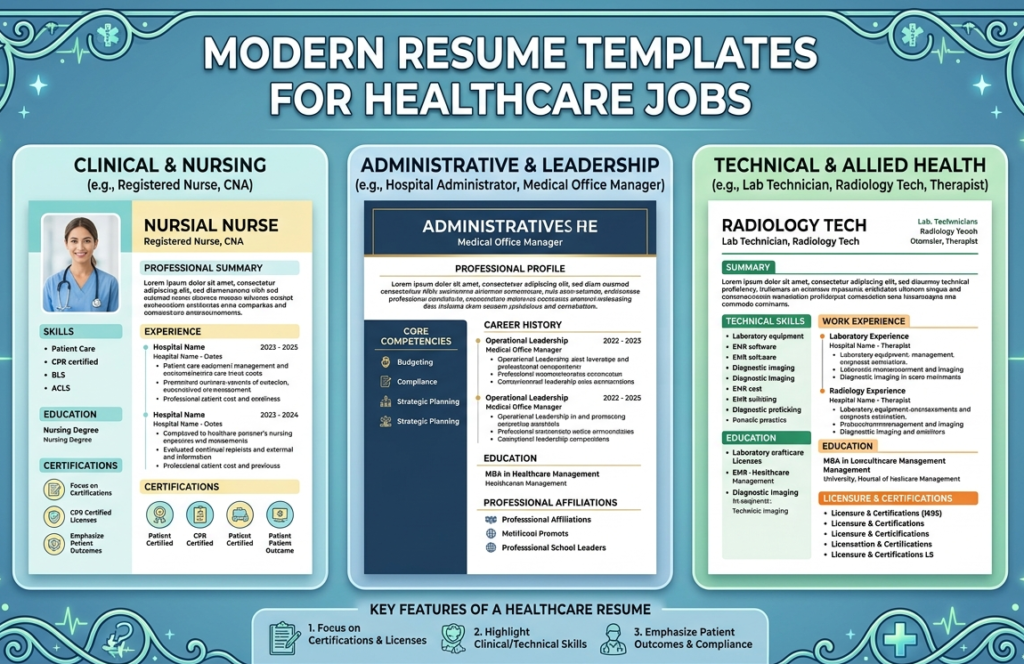
Your resume should also be easy for a human recruiter to scan. Use concise bullet points to describe responsibilities and accomplishments instead of writing long blocks of text inside the resume itself. Whenever possible, explain what you did and what skills you developed during clinical experiences. For example, instead of simply writing “Completed hospital rotation,” you could describe experience supporting patient assessments, recording vital signs, communicating with healthcare professionals, and following safety procedures under supervision. Specific details make a nursing intern resume more informative while helping recruiters understand your readiness for a professional healthcare environment.
Using an AI Resume Builder for Your Nursing Internship
Make Your Resume More Relevant and Professional
An AI Resume Builder can simplify the resume creation process by helping you organize your information into a professional structure. You can provide details about your nursing program, clinical rotations, certifications, volunteer activities, technical abilities, and career goals, then use AI suggestions to improve the wording. This can be particularly helpful when you know what you have accomplished but are unsure how to describe those experiences professionally. The goal is not to let AI create an unrealistic resume, but to use it as a writing and organization assistant.
When using an AI resume tool, carefully review every recommendation before submitting your application. AI-generated content can sometimes sound generic or include skills that you have not actually developed. Nursing is a field where accuracy and honesty are especially important, so never claim clinical experience, certifications, procedures, or professional responsibilities that you do not have. Personalize the suggested content with real examples from your education and clinical training. A customized resume is generally more convincing than a generic document created with the same wording used by many other applicants.
Finally, compare your completed resume with the internship job description before applying. Identify important qualifications and incorporate relevant terms only when they genuinely match your background. Check your contact details, spelling, dates, education information, certifications, and formatting carefully. A strong Nursing Intern ATS Resume Template combined with an AI Resume Builder can save time while helping you create a polished application. If you have found a useful resume strategy, share your experience or discuss your favorite nursing resume tips with other students and aspiring healthcare professionals.