Camping is one of the best ways to escape a busy routine, enjoy fresh air, and reconnect with nature. Whether you are planning a weekend in the mountains, a peaceful night beside a lake, or a family adventure at a local campground, spending time outdoors can create unforgettable memories. Best of all, camping can be enjoyable for beginners and experienced outdoor enthusiasts alike.
However, a successful camping trip requires more than packing a tent and heading into the wilderness. You also need the right equipment, a suitable campsite, enough food and water, and a basic understanding of outdoor safety. With proper preparation, you can spend less time worrying about problems and more time enjoying your surroundings.
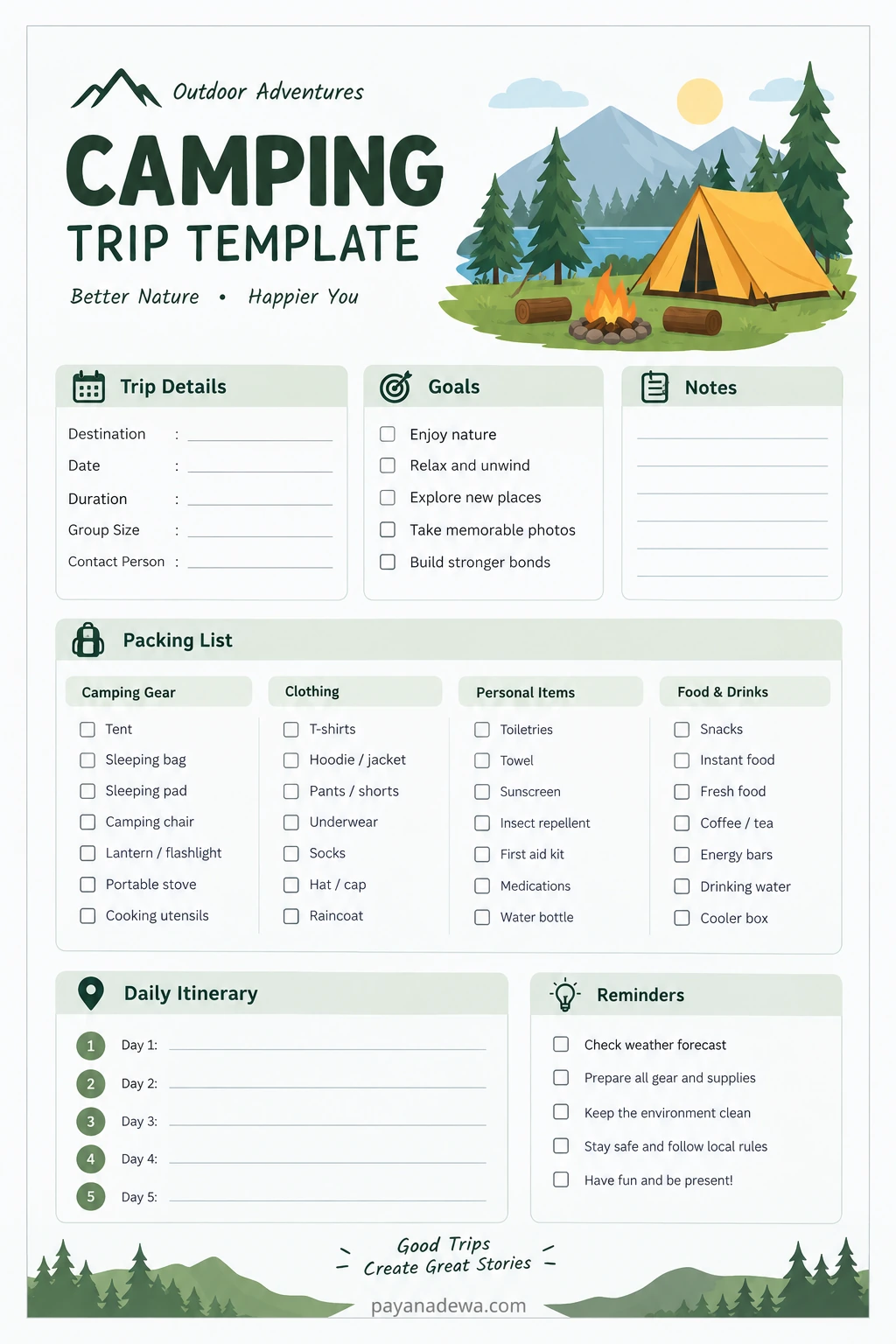
This complete camping guide explains how to plan your trip, choose essential gear, prepare meals, stay safe, and protect the environment. Follow these practical tips to make your next outdoor adventure comfortable, organized, and memorable.
What Is Camping?
Camping is an outdoor activity that involves staying overnight in a natural or designated outdoor area. Campers usually sleep in tents, recreational vehicles, cabins, or other temporary shelters. Depending on your destination and preferences, camping can range from a simple weekend getaway to a challenging wilderness expedition.
Many people enjoy camping because it offers a break from screens, traffic, and everyday responsibilities. It also provides opportunities to explore hiking trails, observe wildlife, cook outdoors, and spend quality time with family and friends.
Furthermore, camping does not have to be expensive. You can begin with basic equipment, choose an affordable campground, and gradually invest in additional gear as your experience grows.
Popular Types of Camping
Before planning your adventure, consider which camping style best matches your interests, budget, and experience level.
1. Tent Camping
Tent camping is a classic choice for beginners and outdoor lovers. You bring a tent, sleeping equipment, food, and other essentials to a campsite. Many established campgrounds provide toilets, drinking water, picnic tables, and designated fire areas.
This option offers a balance between comfort, affordability, and outdoor adventure. It is also a practical way to learn basic camping skills before exploring more remote locations.
2. Car Camping
Car camping allows you to transport your equipment directly to or near your campsite. As a result, you can bring larger tents, comfortable sleeping pads, coolers, and additional cooking supplies without carrying everything on your back.
It is particularly suitable for families, groups of friends, and people who prefer a more comfortable outdoor experience.
3. Backpacking
Backpacking combines hiking with overnight camping. Campers carry essential supplies in a backpack and travel along trails to reach their overnight destinations. Since every item adds weight, careful packing is especially important.
Beginners should start with short, well-marked trails and learn navigation, weather awareness, and wilderness safety before attempting longer journeys.
4. Family Camping
Family camping focuses on shared experiences and activities for different ages. Children can enjoy nature walks, simple outdoor games, stargazing, and supervised campfire activities.
Choose a campsite with suitable facilities, accessible water, and enough space for everyone. Additionally, bring familiar snacks, extra clothing, and activities that keep younger campers comfortable and entertained.
Essential Camping Gear Checklist
Having the right camping equipment helps you stay comfortable and prepared for changing conditions. Your packing list will depend on the destination, season, trip length, and available facilities. Nevertheless, most campers should prepare the following essentials.
Shelter and Sleeping Equipment
- Tent: Choose a tent with enough sleeping space and suitable weather protection.
- Sleeping bag: Select one rated for temperatures you may encounter overnight.
- Sleeping pad: Use an insulated pad to improve comfort and reduce heat loss to the ground.
- Groundsheet: Protect your tent floor when the manufacturer recommends one.
- Pillow: Bring a compact camping pillow or a suitable alternative.
Clothing and Personal Items
- Moisture-wicking shirts and comfortable trousers.
- Warm layers and a waterproof jacket.
- Extra socks and suitable walking shoes.
- Sun hat, sunscreen, and insect repellent.
- Personal toiletries, necessary medication, and a small towel.
Cooking and Food Supplies
- Portable camping stove and appropriate fuel.
- Cooking pot, utensils, plates, and reusable cups.
- Food containers and a cooler when necessary.
- Safe drinking water and a reliable water treatment method for untreated sources.
- Trash bags and supplies for cleaning cooking equipment.
Safety and Navigation Equipment
- First-aid kit with supplies appropriate for your group.
- Headlamp or flashlight with spare batteries.
- Fully charged phone and an offline map.
- Power bank and emergency communication equipment when appropriate.
- Whistle, multi-tool, and emergency shelter for more remote trips.
Before leaving home, check every item and test unfamiliar equipment. Also, review your destination’s regulations to determine whether campfires, portable stoves, or particular supplies are permitted.
How to Choose the Best Campsite
Your campsite can significantly influence the comfort and safety of your trip. Therefore, spend time researching your options before making a reservation.
Consider Location and Accessibility
Choose a destination that matches your travel time, physical ability, and experience. Beginners often benefit from established campgrounds with clear directions, nearby facilities, and accessible emergency services.
Check the Terrain and Drainage
Look for a level, durable surface in an authorized camping area. Avoid depressions where rainwater can collect, dry riverbeds that may flood, and locations beneath unstable branches or rock faces. Keep a safe distance from cliffs, waterways, and other hazards.
Research Weather and Facilities
Check the forecast before departure and monitor changing conditions during your stay. Find out whether the campground provides drinking water, toilets, waste disposal, and cooking facilities. If you plan to camp in a remote area, identify the nearest access road and emergency contact options.
Finally, confirm reservation requirements, permitted camping dates, and local fire restrictions. A little research can prevent unnecessary delays and unpleasant surprises.
Easy Camping Meal Ideas
Outdoor meals can be simple, nutritious, and delicious. Plan your menu around your equipment, available storage, trip duration, and the needs of your group.
Breakfast Ideas
- Oatmeal with dried fruit and nuts.
- Eggs with bread or tortillas.
- Granola with shelf-stable milk alternatives.
- Fresh fruit and easy-to-carry snacks.
Lunch and Dinner Ideas
- Wraps filled with vegetables and suitable protein.
- One-pot pasta or rice dishes.
- Pre-prepared meals that require minimal cooking.
- Grilled vegetables and other permitted campfire meals.
Food Storage and Hygiene
Food safety matters even when you are far from home. Keep perishable ingredients at safe temperatures, wash your hands before preparing meals, and use clean cooking equipment. Separate raw meat from ready-to-eat foods.
Store food and scented products according to local wildlife guidance. In bear country, use approved bear-resistant storage or designated lockers. Never leave food scraps around your campsite, and dispose of wastewater as local regulations require.
Important Camping Safety Tips
Camping becomes more enjoyable when everyone understands basic safety practices. Although risks vary by destination, a few simple precautions can prevent many common problems.
- Check the weather: Postpone or change your plans when severe storms, flooding, extreme heat, or dangerous winds threaten your campsite.
- Tell someone your itinerary: Share your destination, expected return time, and emergency plan with a trusted person.
- Stay hydrated: Carry sufficient drinking water and adjust your needs to the weather and activity level.
- Prevent injuries: Wear suitable footwear, use equipment correctly, and keep a first-aid kit accessible.
- Practice fire safety: Follow local restrictions, use designated fire areas, and never leave a fire unattended. Extinguish it completely when permitted fires are allowed.
- Respect wildlife: Observe animals from a safe distance and never feed them.
- Prepare for emergencies: Know your location, understand evacuation options, and carry suitable navigation and communication tools.
For camping in hot or humid climates, including tropical destinations, pay particular attention to hydration, insect protection, sudden rain, and ventilation. Use a tent suitable for local conditions and secure it properly before storms arrive.
How to Make Your Camping Trip More Enjoyable
Camping does not require a packed schedule. In fact, leaving room for relaxation often makes the experience more rewarding.
Plan a Flexible Itinerary
Write down your arrival time, meals, planned activities, and departure schedule. However, keep your plans flexible enough to accommodate weather changes or unexpected discoveries.
Enjoy Simple Outdoor Activities
Try hiking, birdwatching, nature photography, fishing where permitted, or identifying constellations on clear nights. Families can also organize scavenger hunts and storytelling sessions. Always supervise children around water, cooking equipment, and campfires.
Disconnect and Recharge
Use some of your time outdoors to slow down and enjoy your surroundings. Read a book, talk with your companions, or sit quietly and listen to the sounds of nature. Keep your phone available for navigation, weather updates, and emergencies, even when you limit recreational screen time.
Practice Leave No Trace Camping
Responsible camping helps preserve natural areas for future visitors. Follow the principles of Leave No Trace and respect the rules established by park managers and landowners.
- Plan ahead and camp only in permitted locations.
- Stay on established trails and durable camping surfaces.
- Pack out rubbish, leftover food, and other waste.
- Leave plants, rocks, historical objects, and natural features undisturbed.
- Observe wildlife quietly and maintain appropriate distances.
- Minimize campfire impacts and follow all fire regulations.
- Respect other campers by keeping noise at a reasonable level.
Whenever possible, use reusable containers, avoid unnecessary single-use products, and carry everything you bring into the campsite back out again. Small responsible choices can make a meaningful difference to the places we enjoy.
Common Camping Mistakes to Avoid
Even a short outdoor trip can become stressful when basic preparations are overlooked. Fortunately, most beginner mistakes are easy to prevent.
- Packing too much: Bring items that serve a clear purpose and avoid unnecessary weight.
- Ignoring the weather: Prepare for realistic temperature changes and rain, not just the forecast at departure.
- Arriving after dark: Aim to reach your campsite with enough daylight to set up safely.
- Skipping equipment tests: Practice pitching your tent and operating your stove before leaving home.
- Underestimating water needs: Plan drinking water and treatment capacity carefully, especially on remote routes.
- Forgetting reservations: Confirm access rules, permits, and booking details in advance.
- Leaving food unsecured: Follow local wildlife-safe storage requirements every night.
Learning from these common mistakes helps you become a more confident camper. With each trip, review what worked well and update your packing list for the next adventure.
Conclusion: Start Planning Your Next Camping Adventure
Camping offers a rewarding way to explore the outdoors, spend meaningful time with loved ones, and take a break from everyday routines. Whether you choose tent camping, car camping, backpacking, or a family campground, good preparation makes the experience safer and more enjoyable.
Start by selecting a suitable destination, checking the weather, and preparing a practical camping checklist. Pack essential shelter, sleeping gear, clothing, food, water, and safety supplies. Then, follow local regulations, respect wildlife, and leave your campsite clean.
You do not need expensive equipment or extensive experience to begin. Start with a simple trip, learn from each experience, and gradually develop your outdoor skills. With thoughtful planning and a responsible attitude, your next camping adventure can become a memorable experience worth repeating.