A well-designed lunch menu can shape a guest’s first impression of a hotel restaurant before the first dish even reaches the table. A Hotel Lunch Food Menu Template provides a practical starting point for presenting meals, prices, descriptions, and restaurant branding in a clear and attractive format. Instead of building every menu page from scratch, hotel staff and designers can customize an existing layout to suit the property, dining concept, and lunch service.
Hotel menus often need to change according to meal times, special events, seasonal offerings, and restaurant concepts. The source material specifically notes that hotel menus may change for different events and that morning and evening menus can also differ. This makes a flexible printable menu template especially useful for hotel restaurants.
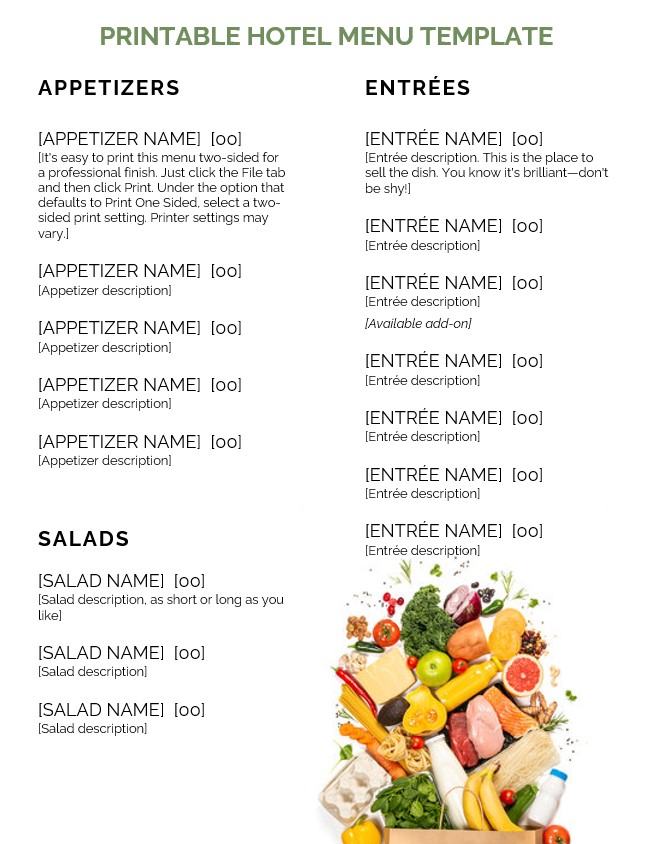
Why a Hotel Lunch Food Menu Template Matters
A hotel restaurant serves a wide range of guests, from business travelers and families to conference attendees and vacationers. Because guests may have different expectations, the menu needs to communicate information quickly while maintaining a professional appearance.
The menu is also part of the restaurant experience. According to the source material, an attractive menu can influence customer interest, while the menu design should correspond with the restaurant’s concept and decoration. It is one of the first elements that can shape a customer’s expectations.
Using a hotel lunch menu template can make this process easier by providing an organized foundation. You can then replace sample content with your hotel’s dishes, prices, logo, colors, and other brand elements.
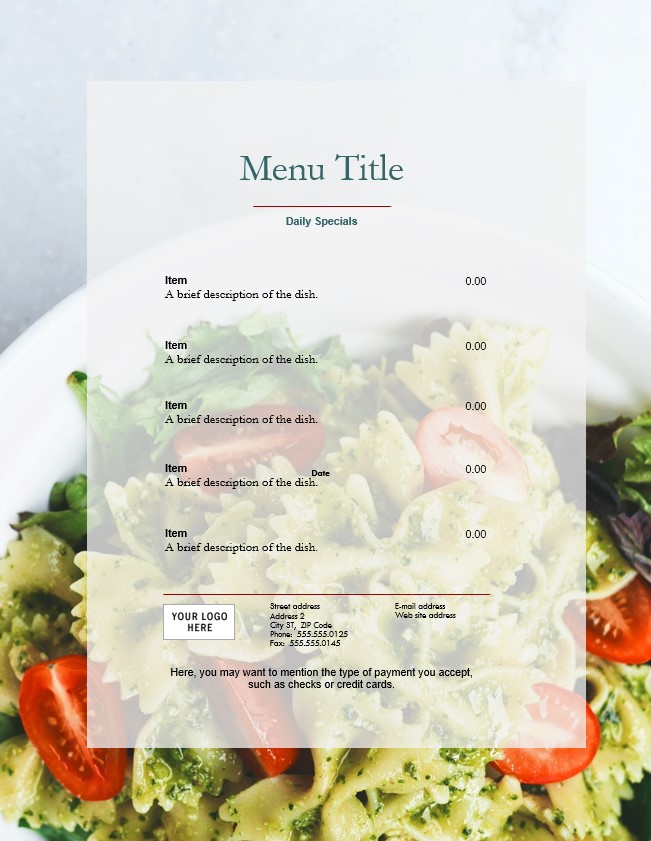
What Should a Hotel Lunch Menu Include?
A lunch menu should make it easy for guests to understand what is available. While the exact dishes depend on the hotel and restaurant concept, a useful menu can divide food into logical categories and provide concise descriptions.
- Starters: Soups, salads, appetizers, or light bites.
- Main Courses: Meat, seafood, vegetarian, and regional specialties.
- Side Dishes: Rice, vegetables, potatoes, or other accompaniments.
- Light Meals: Sandwiches, wraps, pasta, or smaller lunch portions.
- Desserts: Cakes, pastries, fruit, or signature sweets.
- Beverages: Coffee, tea, juices, soft drinks, and other refreshments.
Clear categories are particularly useful when a hotel offers a diverse selection. The source material explains that a diverse menu can support different restaurant concepts and help expand the target market, while food details presented attractively can improve the overall menu experience.
Designing a Professional Hotel Lunch Menu
Choose a Layout That Is Easy to Scan
Guests should not have to work hard to find a dish or its price. Use clear headings, consistent spacing, and a logical reading order. Avoid filling every available area with text or decorative graphics. White space can make a menu feel more elegant and easier to navigate.
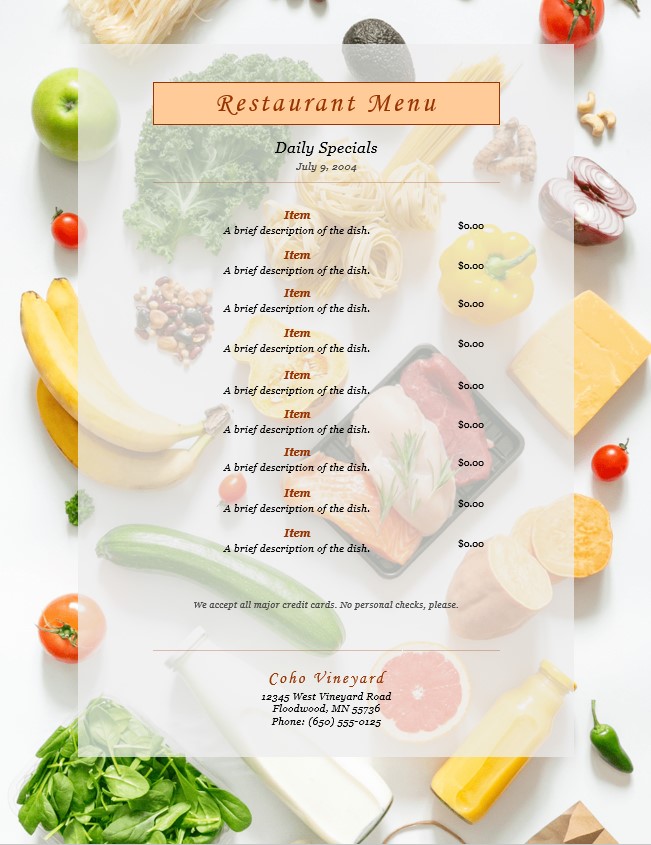
Match the Hotel’s Brand
A hotel lunch food menu should look connected to the property. Use colors, typography, imagery, and decorative elements that complement the hotel’s existing identity. A luxury hotel may prefer a refined and understated layout, while a resort restaurant might use brighter imagery and a more relaxed presentation.
The source material emphasizes that menu design commonly corresponds with a restaurant’s concept and can harmonize with its decoration. This principle is particularly useful for hotels where the dining environment is an important part of the guest experience.
Use Food Images Carefully
Images can give guests a visual preview of the dishes they are considering. However, photographs should be high quality and used selectively. Too many images can make a menu feel crowded, while a few well-positioned visuals can make featured dishes more noticeable.
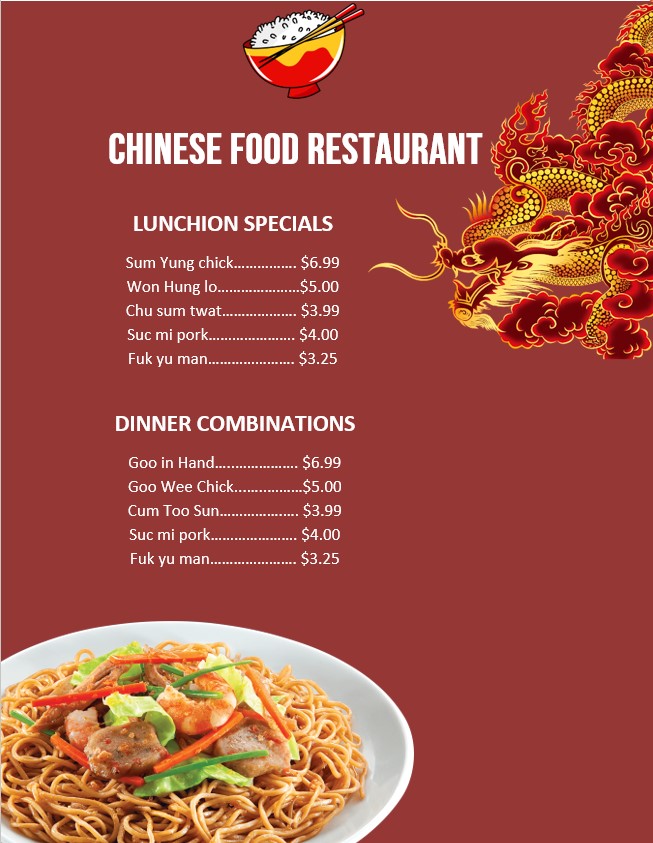
Make the Lunch Menu Flexible for Different Occasions
One advantage of a printable hotel menu template is that it can be adapted for different dining situations. Hotel restaurants frequently serve more than everyday guests. They may also host conferences, private functions, celebrations, seasonal promotions, and other events.
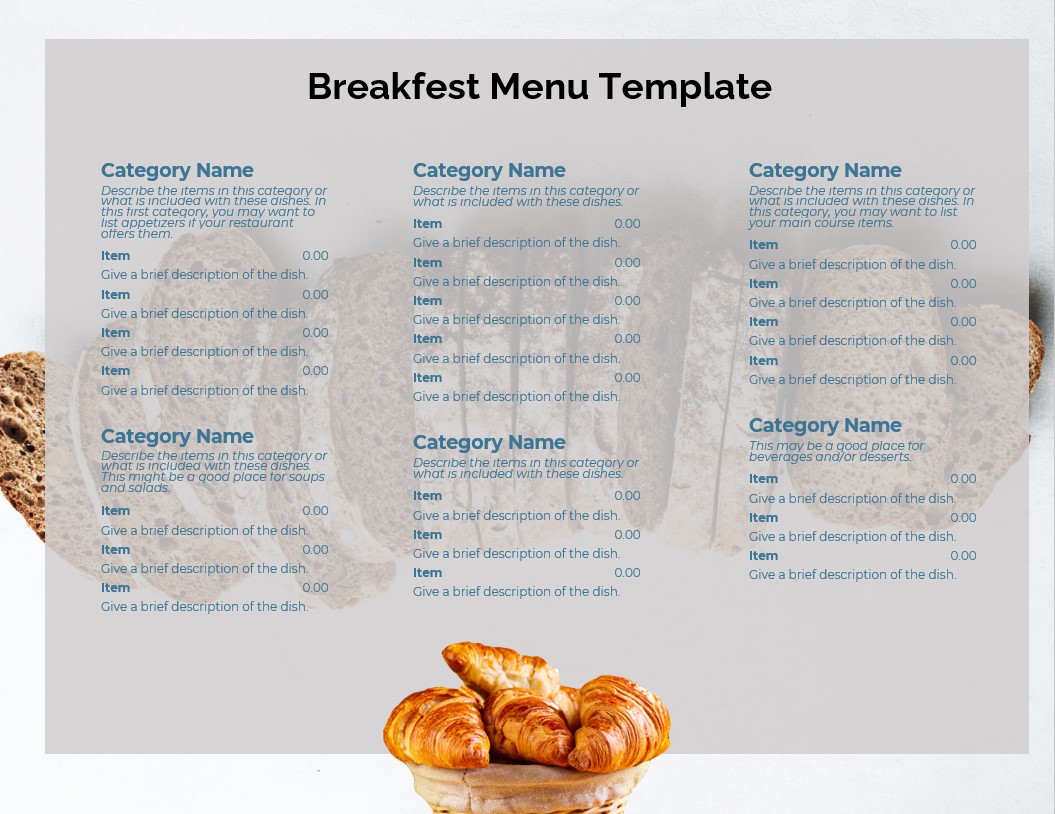
The source material notes that hotel menus commonly change because hotels may host events requiring the menu to follow a particular theme. It also points out that menus vary according to meal times.
This means a flexible design can be especially valuable. Rather than creating a completely new menu every time, staff can update the relevant sections while retaining the core visual identity.
Tips for Creating an Effective Hotel Lunch Food Menu
A template provides the structure, but careful customization determines whether the finished menu actually works. Before sending the design to print, review the content from a guest’s perspective.
- Keep descriptions concise: Explain the key ingredients and characteristics of each dish without using long paragraphs.
- Make prices easy to locate: Use consistent placement and formatting throughout the menu.
- Highlight specialties: Give signature dishes, chef recommendations, or lunch specials appropriate visual emphasis.
- Check spelling carefully: Menu errors can make an otherwise professional hotel appear less polished.
- Use consistent typography: Limit the number of font styles to maintain visual harmony.
- Update seasonal dishes: Make sure unavailable items are removed promptly.
- Consider dietary information: Clearly identify relevant options when your restaurant provides such information.
Printable Hotel Menu Template Options
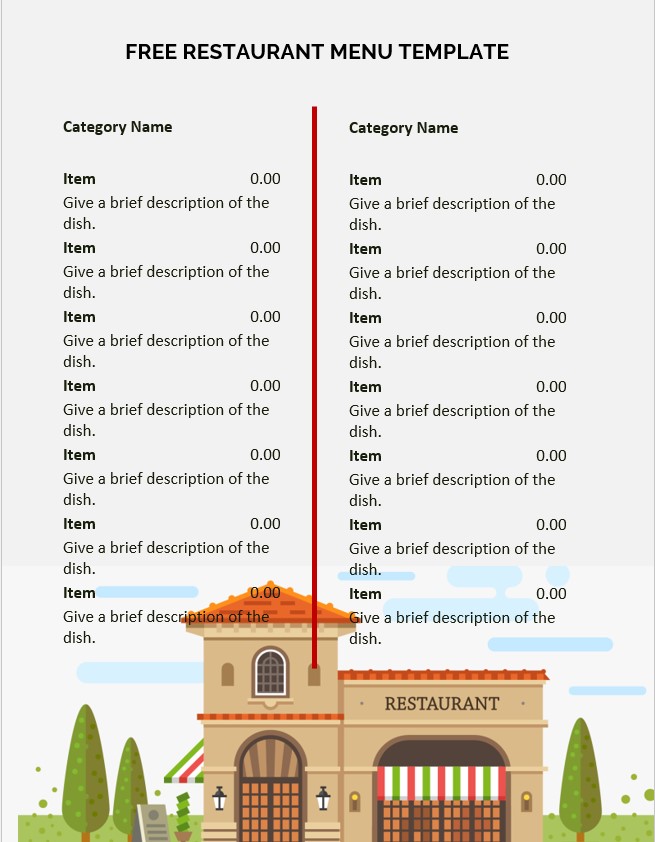
Printable templates are useful when a hotel wants a practical menu that can be edited and printed as needed. The source material describes free printable menu templates as providing different menu concepts that can be printed and customized.
For a hotel lunch service, choose a format that matches where guests will see it. A tabletop menu may require a compact design, while a larger restaurant menu can provide more space for descriptions and food photography. The same basic design can also be adapted for special lunch promotions or event menus.
Traditional vs Modern Hotel Menu Design
Traditional Restaurant Menu
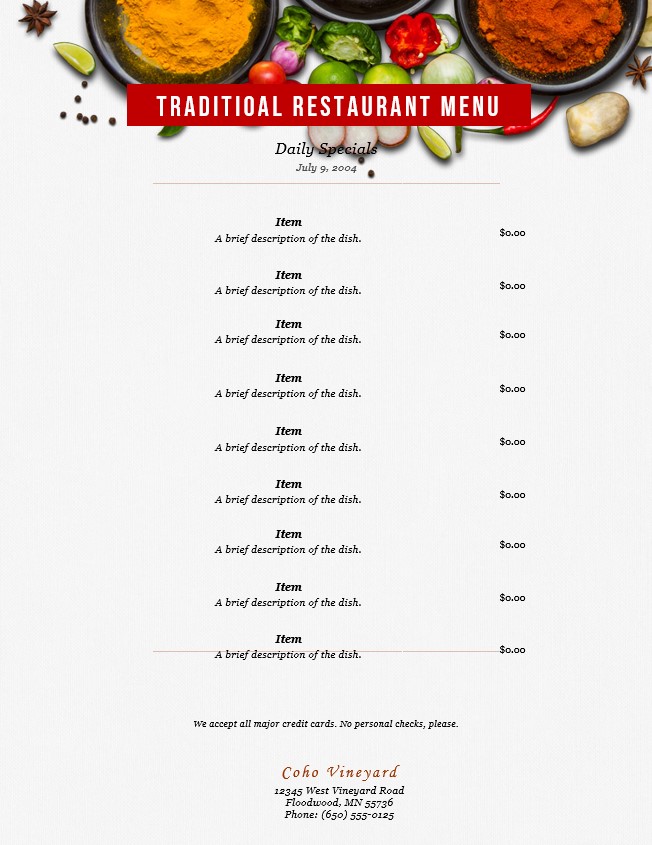
A traditional restaurant menu can be a strong choice for hotels that want to emphasize heritage, familiar cuisine, or a long-established dining concept. The source material explains that traditional restaurants often maintain a concept that has been used for a long time. Their menus may be simple because the focus remains strongly on the food itself.
Modern Hotel Restaurant Menu
A modern design can create a more elegant and contemporary impression. Clean typography, generous spacing, carefully selected photography, and restrained decorative elements can make the menu feel premium. This approach may work particularly well for upscale hotel restaurants and changing dining concepts.
The source material specifically contrasts modern restaurant concepts, where owners may emphasize an elegant impression through the menu, with traditional restaurants that generally maintain a more established style.
Use Special Menus to Create Memorable Experiences
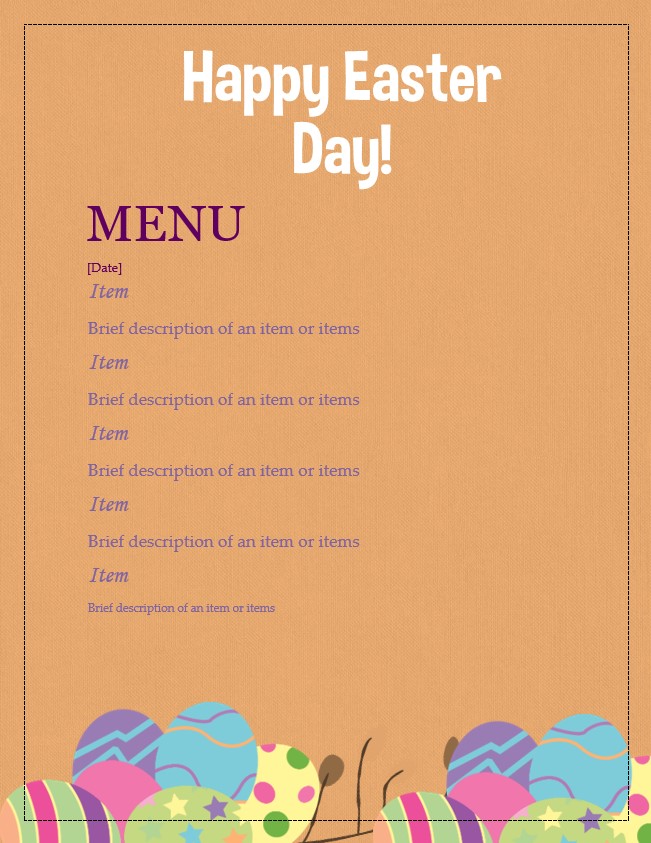
A hotel can also adapt its menu template for celebrations and special occasions. Birthday dining, holiday meals, themed lunches, and promotional events can benefit from a design that feels different from the standard restaurant menu.
The source material describes birthday table tent menus as a way to create a happy impression for birthday guests and notes that restaurants may change their menu design for celebrations such as Easter, Christmas, or Ramadan.
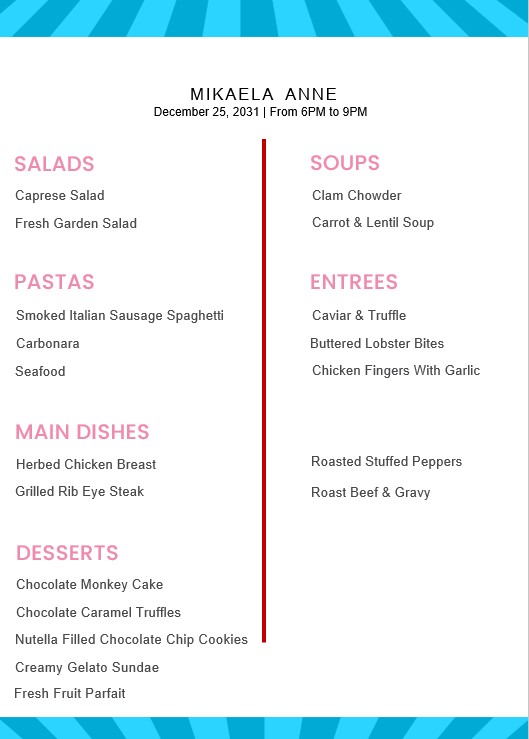
How to Customize Your Hotel Lunch Menu Template
Start by selecting a layout that fits the hotel restaurant’s atmosphere. Next, replace placeholder content with the actual lunch menu. Add the hotel name, restaurant logo, contact information, dish names, descriptions, prices, and any relevant service details.
After entering the content, review the visual hierarchy. Make sure category headings stand out, dish names are easy to identify, and prices are positioned consistently. If the template includes decorative elements that do not fit your hotel, remove or replace them rather than forcing them into the final design.
Finally, print a test copy before producing the complete batch. Check the paper size, margins, font readability, image quality, and overall appearance under the lighting conditions where guests will actually use the menu.
Final Thoughts
A Hotel Lunch Food Menu Template is more than a convenient design shortcut. It can provide a flexible foundation for presenting hotel cuisine professionally while making it easier to update menus for lunch service, seasonal offerings, special events, and changing restaurant concepts.
The most effective design combines attractive presentation with practical information. Use clear categories, concise descriptions, readable typography, consistent pricing, appropriate imagery, and branding that reflects the hotel. Because hotel menus can change according to meal times and events, flexibility should also be a major consideration when choosing a template.
With the right layout and thoughtful customization, a printable hotel lunch menu can strengthen the dining experience, communicate the character of the restaurant, and help guests choose their meals with confidence.