Planning a wedding involves countless details, and stationery is one of the most important elements for creating a cohesive and memorable celebration. From the first save-the-date announcement to the final thank-you card, every printed or digital piece helps communicate important information while reflecting the personality of the couple. Wedding Stationery Templates provide a convenient and creative way to design beautiful wedding materials without starting every item from scratch.
A carefully coordinated stationery collection can set the tone for the entire event. Elegant floral invitations may suggest a romantic garden wedding, while clean typography and minimalist layouts can create a modern atmosphere. With customizable wedding stationery designs, couples can choose a style that suits their theme and personalize it with names, dates, colors, venues, and meaningful details.
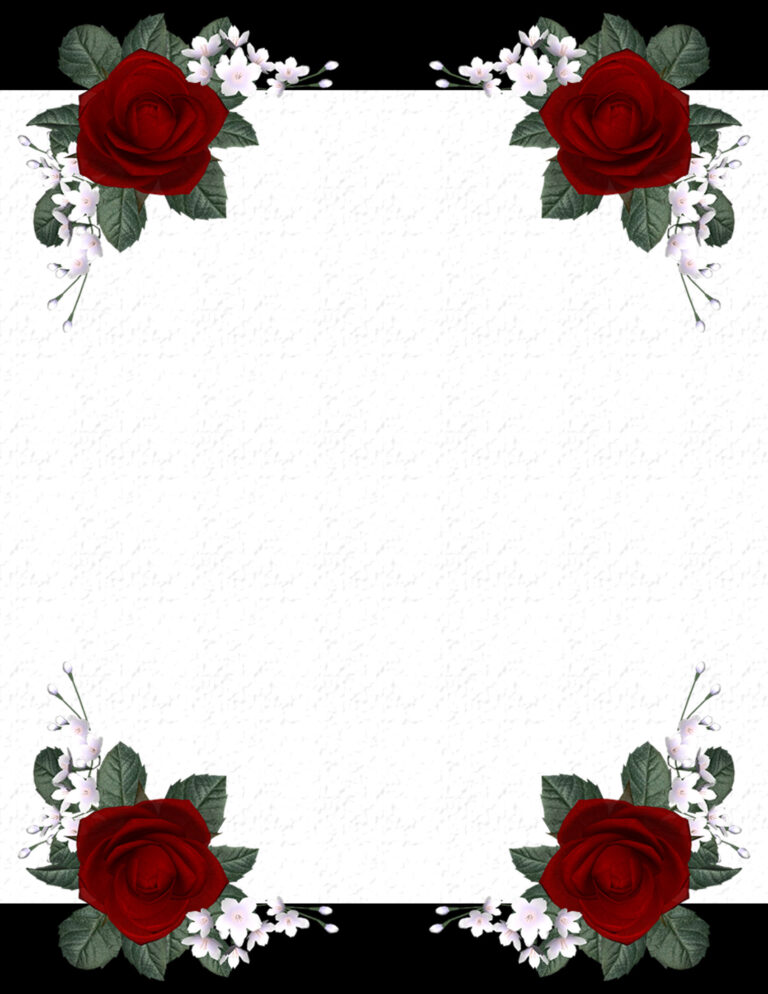
Whether you are organizing a traditional ceremony, destination wedding, intimate celebration, or large formal event, the right templates can save time, support your wedding budget, and help create a consistent visual identity from beginning to end.
Why Wedding Stationery Templates Are a Smart Choice
Designing custom wedding stationery can be expensive and time-consuming, particularly when multiple items need to match. Invitations, RSVP cards, menus, programs, place cards, signage, and thank-you notes all require careful coordination. Wedding Stationery Templates simplify the process by providing professionally structured layouts that can be customized for your celebration.
Instead of designing every item separately, couples can begin with a coordinated template collection and adapt it to their needs. This creates consistency while allowing enough flexibility for personal touches.
- Save planning time: Start with a ready-made layout instead of designing every item from a blank page.
- Reduce design costs: Templates can be a budget-friendly alternative to completely custom stationery.
- Maintain visual consistency: Matching fonts, colors, and decorative elements create a unified wedding style.
- Customize important details: Easily add names, dates, venue information, and personal messages.
- Reuse designs across materials: A single visual theme can be adapted for invitations, menus, programs, and more.

Essential Types of Wedding Stationery
Wedding stationery often includes much more than the main invitation. Each item serves a different purpose during the planning process or on the wedding day itself. Choosing templates that work together can make the entire celebration feel more polished.
Save-the-Date Cards
Save-the-date cards are often the first official announcement guests receive. Their purpose is simple: let friends and family know the wedding date early enough to make travel arrangements and reserve the day.
These cards do not need to include every event detail. A clean design with the couple’s names, wedding date, and general location is usually enough. Using a design that matches the future invitation can also create an early sense of visual continuity.
Wedding Invitations
The invitation is one of the most important pieces of wedding stationery. It communicates the date, ceremony time, venue, and other essential details while also introducing the mood and style of the event.

When selecting a wedding invitation template, make sure the design provides enough space for readable information. Decorative elements should support the message rather than make important details difficult to find.
RSVP Cards and Information Inserts
RSVP cards make it easier for couples to manage guest responses and finalize important arrangements. Depending on the wedding, information inserts can also include accommodation details, transportation instructions, dress codes, gift information, or schedules for additional events.
Coordinating these inserts with the main invitation helps the complete invitation suite feel intentional and professionally designed.
Choosing a Wedding Stationery Style That Matches Your Theme
The best Wedding Stationery Templates should reflect the atmosphere you want to create. Before choosing a design, consider your venue, wedding colors, season, decorations, and personal preferences.
Romantic and Floral Designs
Floral wedding stationery remains popular because it can be adapted to many different themes. Delicate flowers, botanical illustrations, soft watercolor artwork, and elegant script fonts work beautifully for garden weddings, spring celebrations, and romantic ceremonies.
Modern and Minimalist Templates
Minimalist stationery focuses on clean layouts, generous spacing, simple typography, and carefully selected colors. This style can create a sophisticated appearance while ensuring that important information remains easy to read.
Classic and Elegant Stationery
Formal weddings often benefit from timeless design elements such as refined serif typography, neutral colors, subtle borders, and balanced layouts. Classic stationery can feel luxurious without requiring excessive decoration.
If you are planning a formal ceremony, choose a template with strong readability and a polished structure. Elegant simplicity often creates a more lasting impression than an overcrowded design.
How to Personalize Wedding Stationery Templates
A template provides the foundation, but personalization is what makes the final design feel connected to your wedding. Even small adjustments can transform a ready-made layout into something that represents your relationship and celebration.
Use a Consistent Color Palette
Select colors that complement your wedding theme and use them throughout your stationery. You do not need to use every wedding color on every card. A primary color, a supporting shade, and a neutral background are often enough to create a balanced design.
Choose Typography Carefully
Fonts can strongly influence the mood of wedding stationery. Script typography may feel romantic, while clean sans-serif fonts can create a contemporary look. A refined serif font can add a more traditional or elegant feeling.
For the best readability, limit the number of font styles. One decorative font for names or headings combined with a simple font for event details is often an effective combination.

Add Personal Details
Consider including details that have special meaning to you as a couple. These might include a monogram, meaningful date, custom illustration, favorite flower, venue-inspired artwork, or a short personal message.
Personal details should enhance the design without overwhelming it. The goal is to create stationery that feels unique while remaining clear and easy for guests to understand.
Wedding Day Stationery You Should Consider
Stationery continues to play an important role after invitations have been sent. Wedding day materials can help guests navigate the celebration while strengthening the visual theme.
- Welcome signs: Greet guests and introduce the celebration.
- Wedding programs: Provide an overview of the ceremony.
- Seating charts: Help guests find their assigned tables.
- Place cards: Identify individual seating arrangements.
- Table numbers: Make the reception easier to navigate.
- Menus: Present food and beverage options clearly.
- Bar signs: Display signature drinks or beverage information.
- Thank-you cards: Express appreciation after the celebration.
Using matching wedding templates for these items can create a professional and immersive experience. Guests may not consciously notice every design detail, but a consistent visual presentation contributes to the overall atmosphere of the event.
Printed vs Digital Wedding Stationery
Modern couples can choose between printed stationery, digital wedding designs, or a combination of both. Each option offers different advantages depending on the guest list, budget, and style of the celebration.
Benefits of Printed Wedding Stationery
Printed invitations and cards provide a physical keepsake that guests can display or save. Paper texture, printing techniques, envelopes, and finishing details can also add a sense of luxury and occasion.
Benefits of Digital Wedding Designs
Digital invitations can be convenient for sharing information quickly, particularly with guests who live far away. They are easy to update and can reduce printing and mailing costs.
- Quick distribution
- Easy updates and corrections
- Lower printing expenses
- Convenient for destination guests
- Useful for wedding websites and online RSVP information
A combination can also work well. For example, couples may send physical invitations for the main event while using digital stationery for reminders, schedule updates, or informal wedding activities.
Practical Tips for Creating Better Wedding Stationery
Before finalizing your designs, review the entire stationery collection as a complete set. Check whether the colors, typography, decorative elements, and spacing feel consistent from one item to another.
- Proofread everything carefully: Check names, dates, times, addresses, and spelling.
- Prioritize readability: Important details should be easy to locate and understand.
- Order samples when printing: Review colors and paper quality before placing a large order.
- Keep layouts balanced: Avoid overcrowding the design with unnecessary details.
- Plan your stationery early: Invitations and other materials may require time for printing and delivery.
- Use matching design elements: Consistency creates a more professional overall appearance.
Common Mistakes to Avoid
One common mistake is choosing a design based only on appearance without considering practicality. A beautiful template may still be unsuitable if the text is difficult to read or there is not enough space for important information.
Another problem is using too many colors, fonts, and decorative elements. Wedding stationery should feel cohesive rather than visually confusing. Simplicity and consistency can often create a stronger result than excessive design.
It is also important to avoid rushing the proofreading process. A small error in a wedding date, venue address, or event time can cause unnecessary confusion. Review every item carefully before sending files for printing or distributing digital versions.
Conclusion
Wedding Stationery Templates offer a practical and creative solution for couples who want beautiful, coordinated wedding materials without the expense and complexity of designing everything from scratch. From save-the-date cards and invitations to menus, programs, signage, and thank-you notes, the right templates can help create a consistent visual story for your celebration.
The best wedding stationery combines attractive design with clear communication and meaningful personal details. Choose a style that reflects your wedding theme, customize it thoughtfully, maintain consistency across every item, and always prioritize readability. With careful planning and the right templates, your wedding stationery can become an important part of the experience, helping you welcome guests and celebrate one of life’s most memorable occasions in a style that feels uniquely your own.