Choosing the right Mortgage Agreement Templates can make a complex property financing process easier to organize. A well-structured template gives lenders and borrowers a clear framework for recording the parties involved, loan amount, interest terms, repayment schedule, collateral, default provisions, signatures, and other important conditions. Instead of starting with a blank document, users can work from an organized structure and then adapt the wording to the specific transaction.
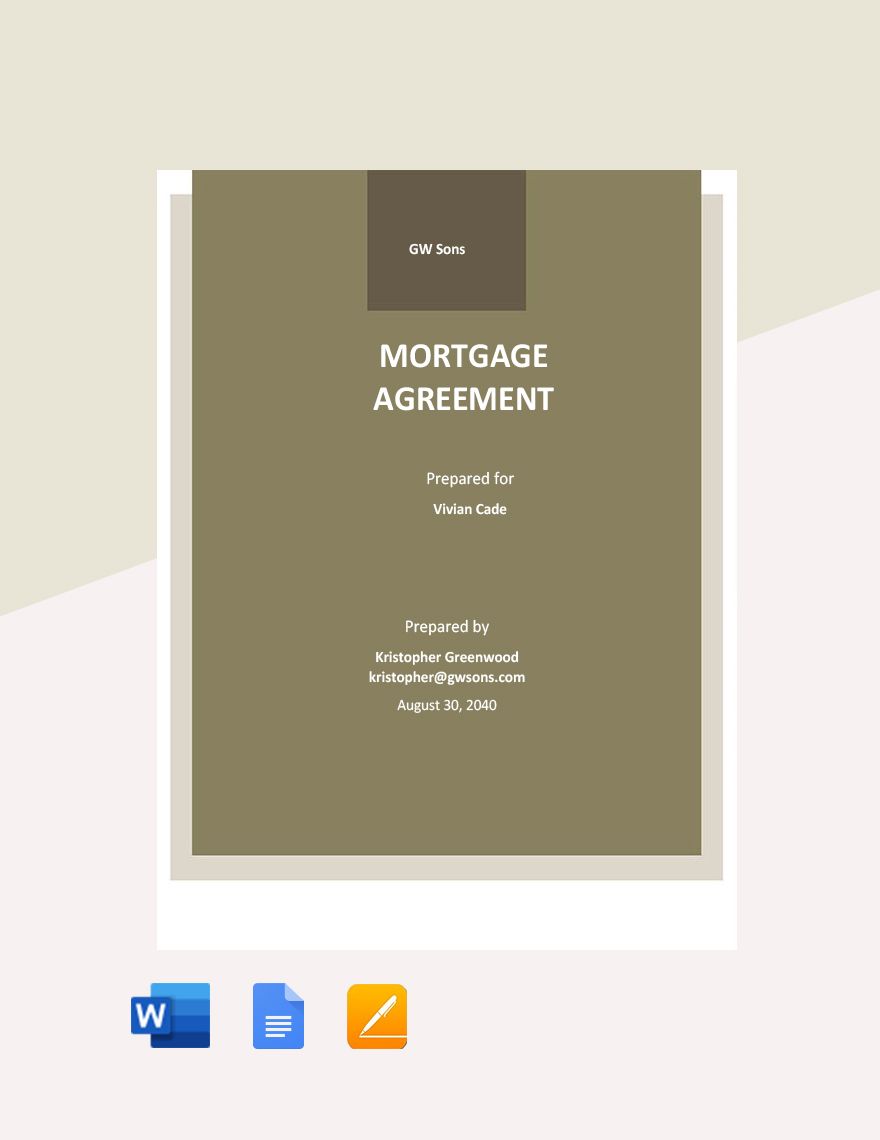
For borrowers, lenders, property investors, and professionals involved in real estate transactions, the main challenge is not simply finding a document that looks professional. The more important task is selecting a format that matches the transaction and contains the information needed for a clear agreement. This guide explains what to look for, how different template formats compare, which clauses deserve careful attention, and how to prepare a document before signing.
What Are Mortgage Agreement Templates?
Mortgage agreement templates are structured documents designed to organize the terms of a secured real estate financing arrangement. A typical document identifies the lender and borrower, describes the property used as security, records the financial terms, and establishes the responsibilities of each party.
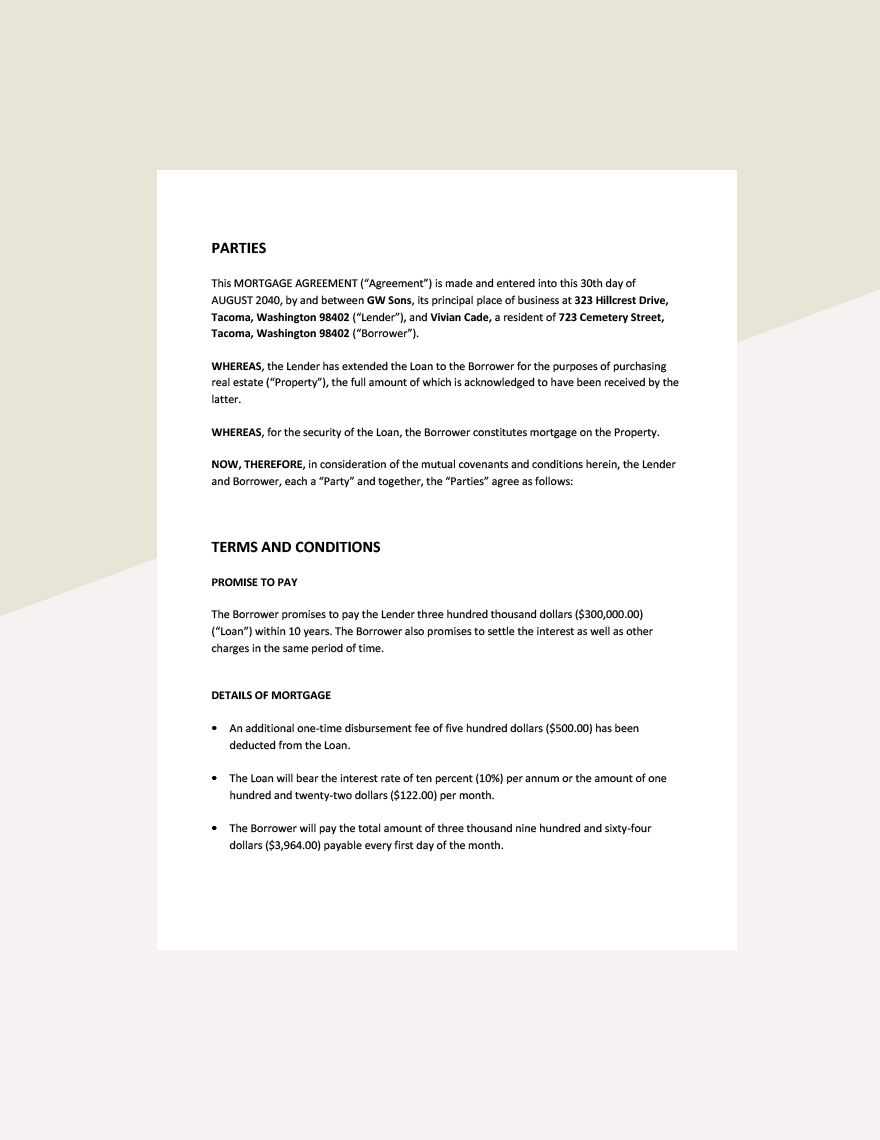
The exact legal structure varies according to jurisdiction and transaction type. A residential mortgage involving a financial institution may require different provisions from a private loan between individuals. A commercial property transaction can also require additional representations, insurance provisions, reporting obligations, and enforcement terms.
A good template should therefore be treated as a starting framework rather than a universal legal document. The information must be reviewed carefully and adapted to the applicable laws, property records, financing arrangements, and requirements of the parties.
Why a Structured Mortgage Agreement Matters
A mortgage arrangement involves significant financial and property interests. Even when both parties have a good relationship, unclear wording can create confusion later. A structured agreement helps organize the transaction so that important details are recorded in one coherent document.
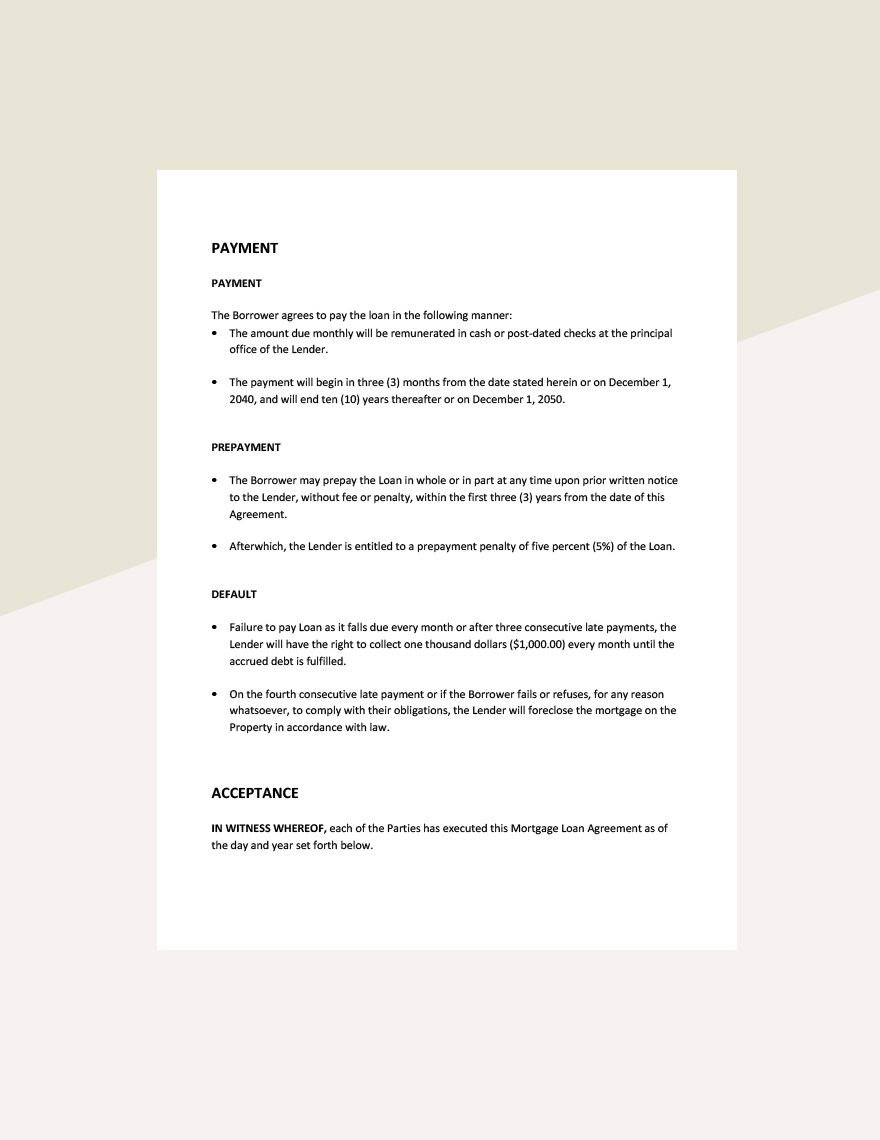
The document can establish how much money is involved, when payments are due, how interest is calculated, what property secures the obligation, and what happens if a party fails to meet its responsibilities. It can also provide a clear record of the agreed terms if questions arise during the life of the loan.
- It identifies the parties and their contractual roles.
- It records the principal amount and financial terms.
- It describes the property serving as collateral.
- It establishes payment expectations and deadlines.
- It explains default procedures and available remedies.
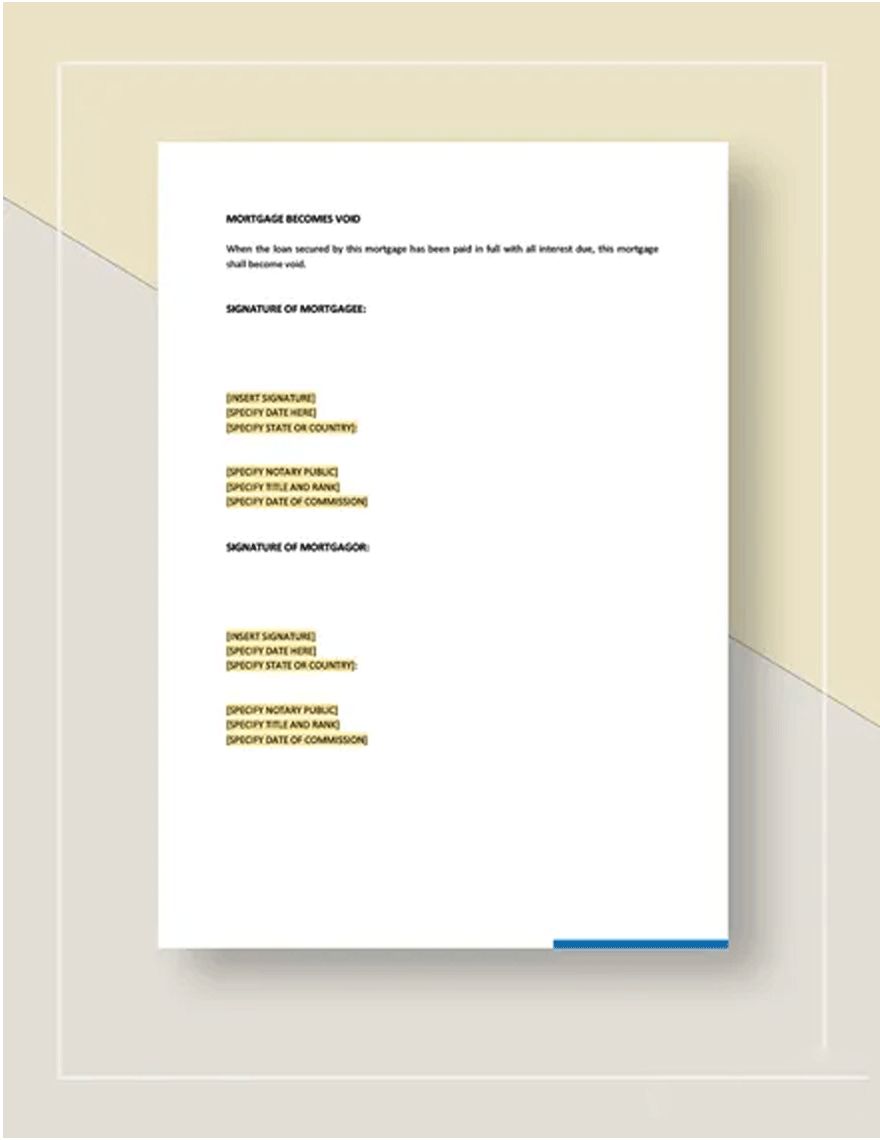
- It creates a clear execution section for signatures and dates.
Key Sections to Look for in a Mortgage Agreement Template
The usefulness of a template depends heavily on the quality of its structure. A document may look polished while still omitting information that is important to the transaction. Before selecting a template, examine its sections rather than judging it only by appearance.
Parties and Definitions
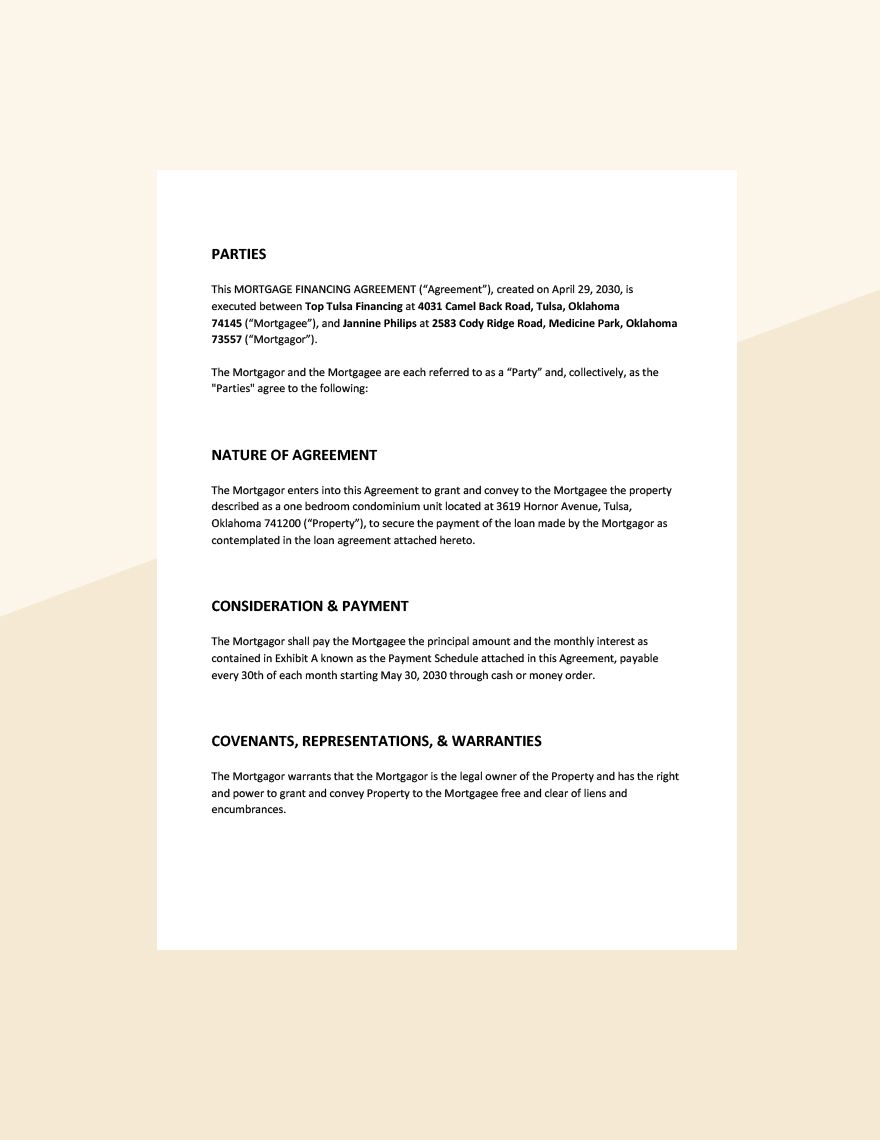
The opening section should clearly identify the lender and borrower. Legal names, addresses, entity types, and other identifying information should be accurate. A definitions section can also explain important terms used throughout the agreement, reducing ambiguity in later clauses.
Loan Amount and Interest
The financial section should state the principal amount, interest rate, method of calculation, payment frequency, and relevant fees. If the interest rate can change, the agreement should explain the adjustment mechanism rather than relying on vague language.
Property Description
The property description is one of the most important components of a mortgage document. It should provide enough information to identify the real estate precisely. Depending on the jurisdiction, this can include the street address, title information, parcel number, certificate details, boundaries, or a formal legal description.
Repayment Terms
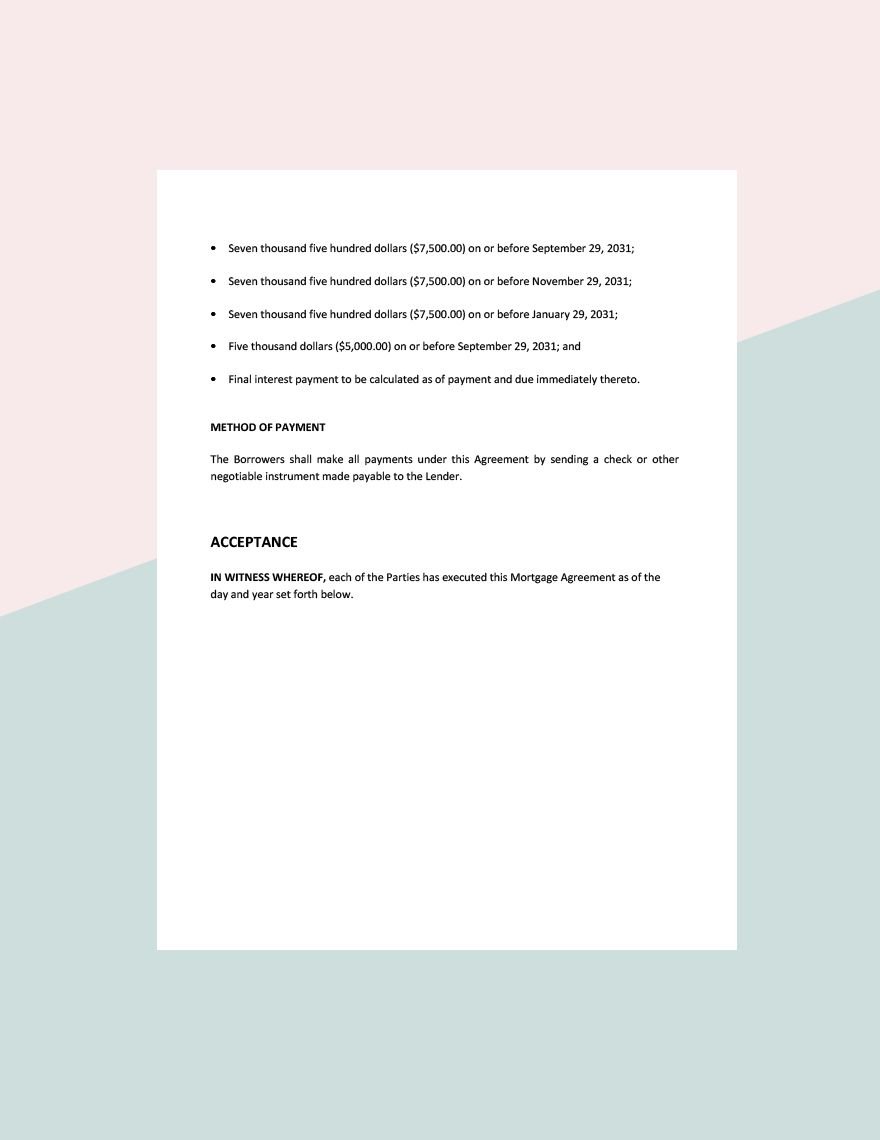
The repayment section should make the payment schedule easy to understand. It can specify installment amounts, due dates, payment methods, maturity dates, prepayment provisions, and any applicable charges. A clear schedule reduces the possibility of disagreement about when and how payments must be made.
Mortgage Agreement Templates for Different Situations
Not every mortgage transaction requires the same structure. Selecting a template based on the actual transaction can save substantial editing time and help prevent the use of irrelevant clauses.
Family or Private Financing
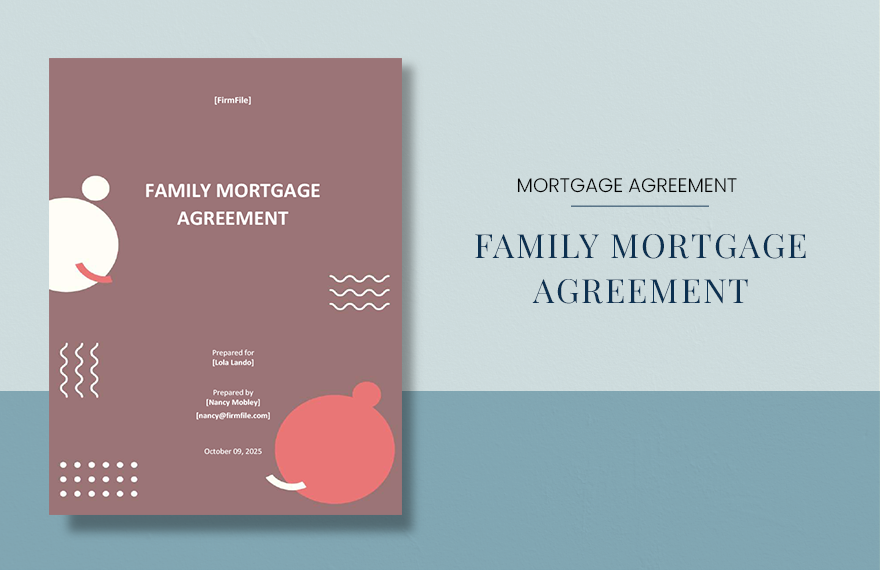
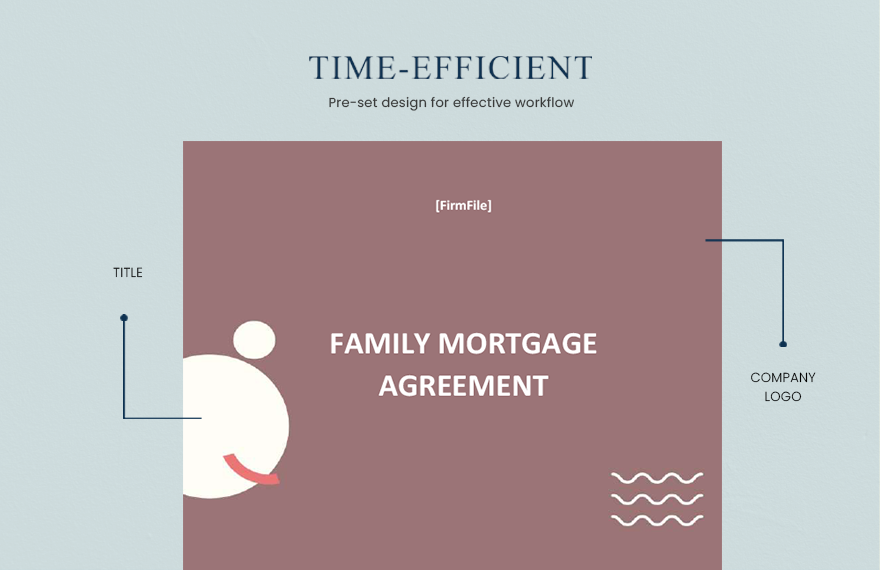
A family mortgage or private financing arrangement may involve individuals rather than a traditional financial institution. The document should clearly explain the loan amount, repayment schedule, interest terms, collateral, responsibilities, and procedures for handling missed payments.
Even when the parties trust one another, written terms are important. A professional structure helps separate the personal relationship from the financial obligation and gives everyone the same reference point.
Personal Mortgage Arrangements
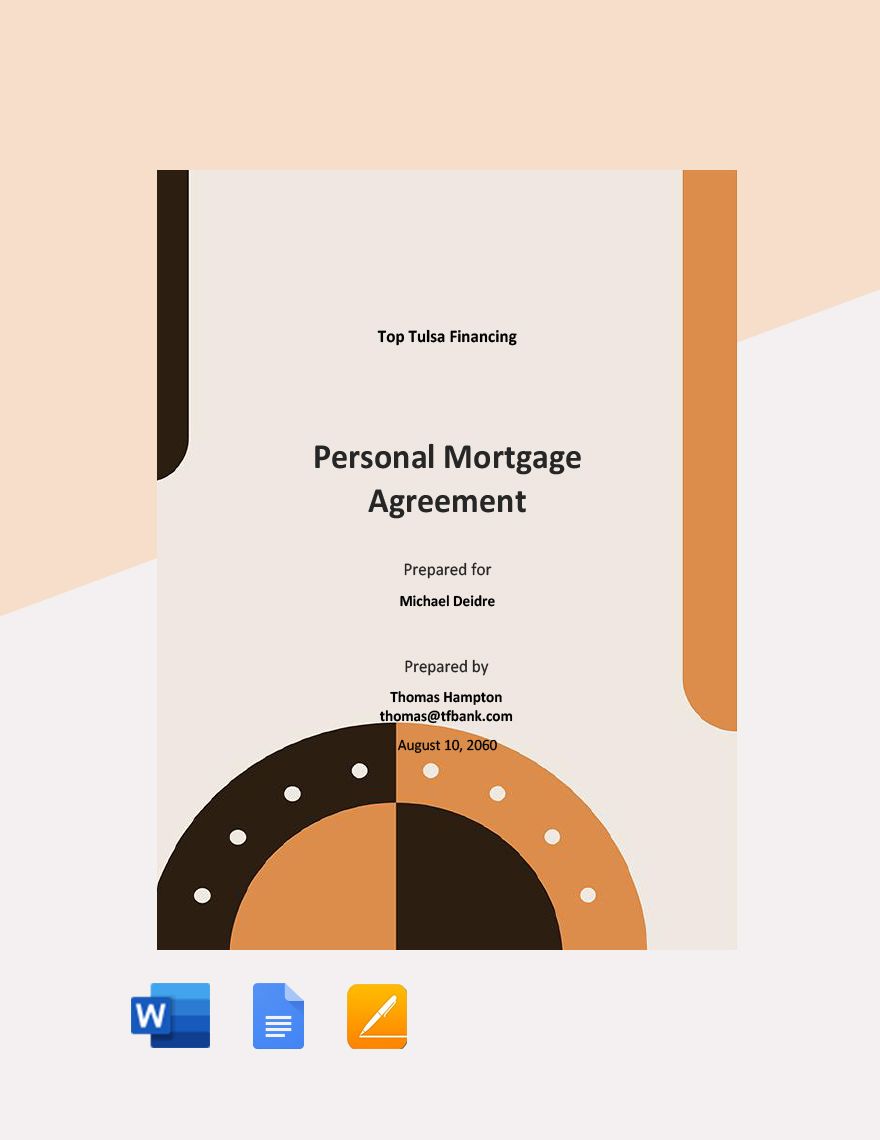
A personal mortgage agreement may be useful for a transaction involving an individual lender and borrower. The document should be customized carefully so that the property, payment obligations, security interest, and applicable legal requirements are accurately represented.
Personal arrangements can differ significantly from institutional financing. Therefore, users should not assume that a general template automatically contains every clause required for their particular transaction.
Joint Mortgage Arrangements
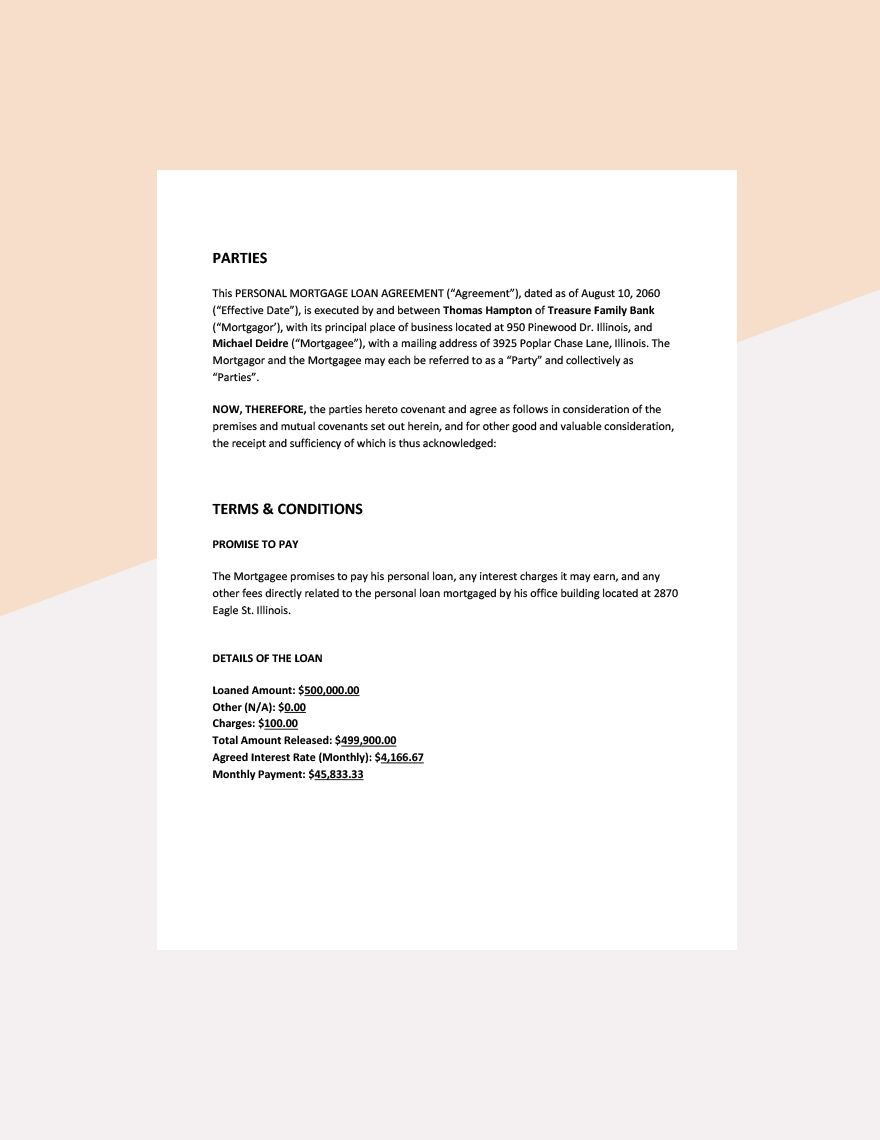
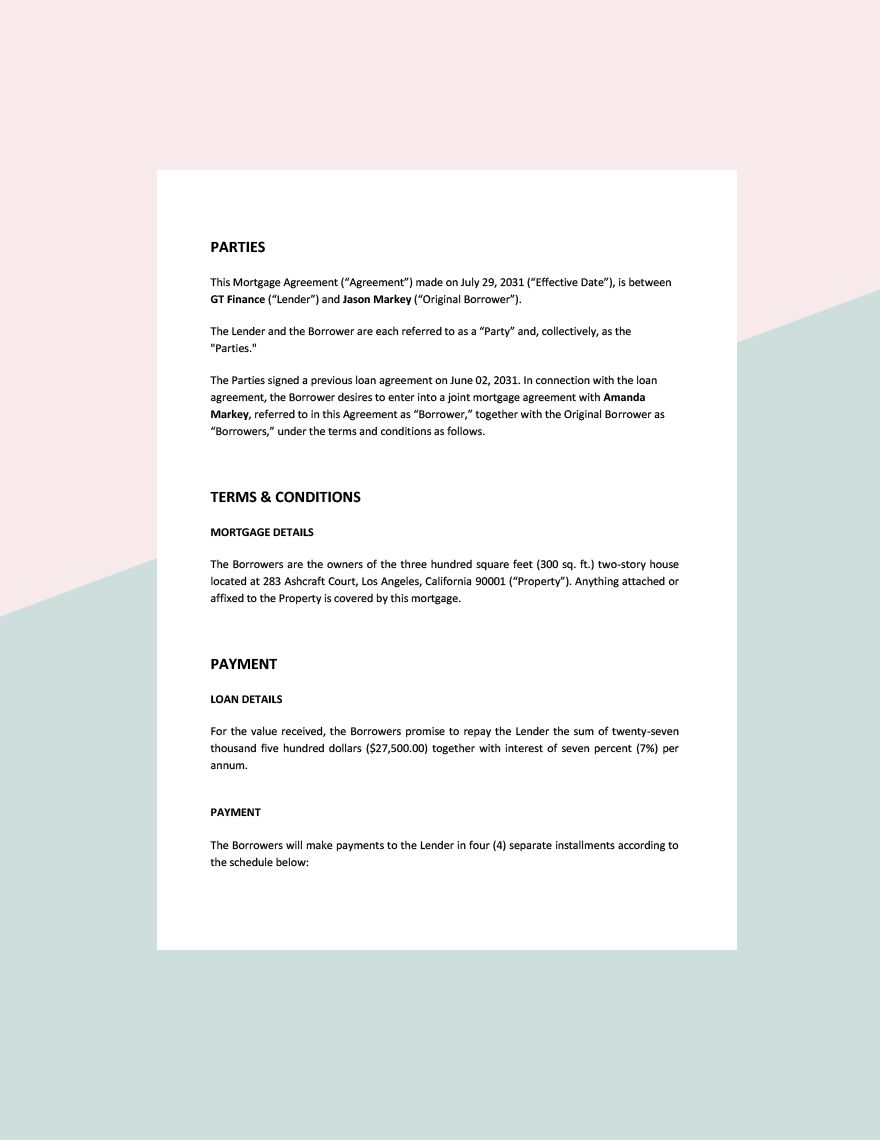
A joint arrangement can involve multiple borrowers. In this situation, the agreement should clearly explain each borrower’s responsibilities and how payments, ownership interests, and obligations are handled.
When more than one borrower is involved, special attention should be given to provisions covering liability, changes in ownership, refinancing, transfer of interest, and the consequences if one party stops making payments.
Mortgage Agreement Templates PDF and Word Formats
Users often compare mortgage agreement templates pdf with editable document formats. Each format can serve a different stage of the workflow. An editable document is generally more convenient while information is still being reviewed or negotiated. A fixed-layout PDF can be useful when the final wording has been approved and the parties need a consistent version for review or execution.
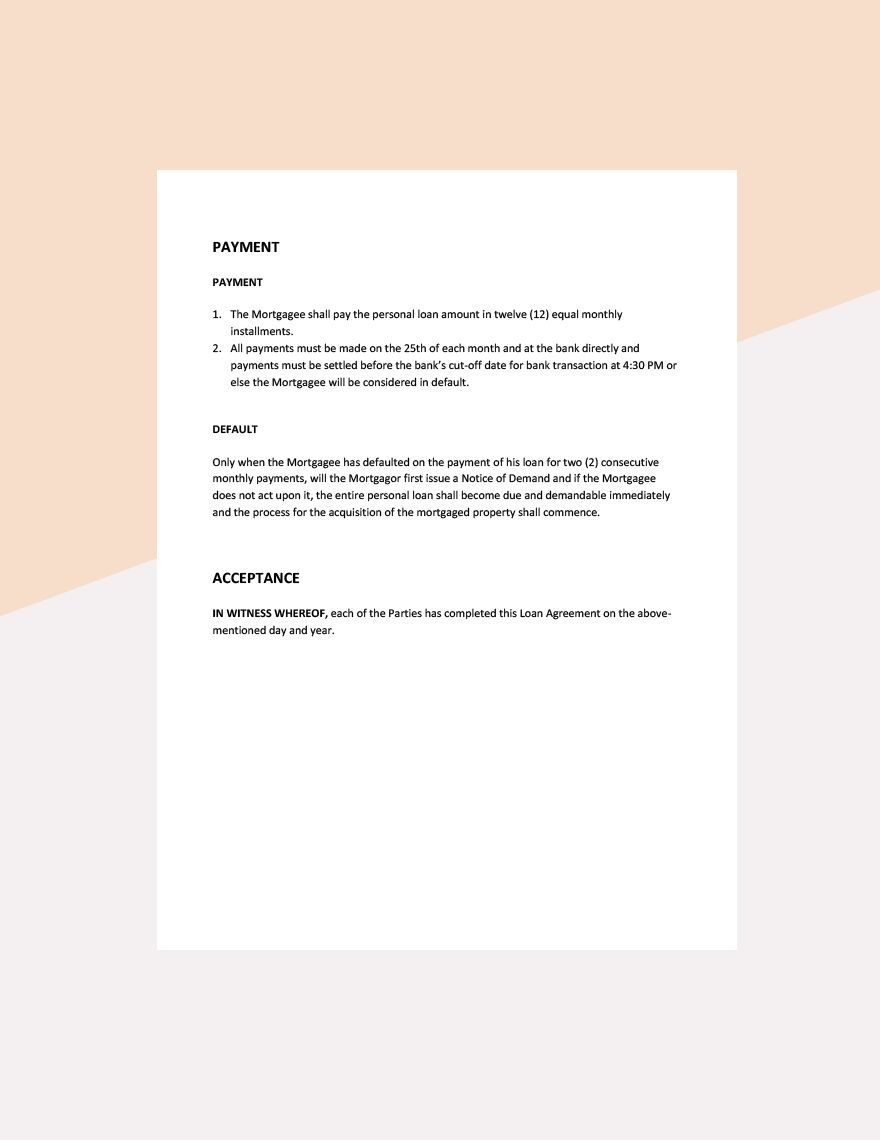
The phrase mortgage agreement templates word commonly reflects the need for an editable document that can be customized using familiar word-processing software. Before using any file, however, check formatting carefully. Tables, signature fields, page breaks, numbering, and property descriptions should remain intact after editing.
For online workflows, mortgage agreement templates online can provide another option. Online editing may be convenient for collaboration, but sensitive financial and property information should only be entered into systems with appropriate security and privacy controls.
Understanding a Mortgage Loan Agreement Template
A mortgage loan agreement template focuses on the relationship between the financing terms and the property serving as security. It should connect the loan obligation with the collateral clearly enough that the parties understand how the two are related.
For example, consider a private lender financing a residential property purchase. The document might identify the borrower, state the principal amount, specify the interest rate, establish monthly installments, describe the property, explain insurance obligations, and establish what happens following a default.
The template should not be relied upon without reviewing whether its provisions match the actual arrangement. A private loan, institutional mortgage, refinancing transaction, or investment property financing can each require different wording.
How to Complete a Mortgage Agreement Form
A mortgage agreement form should be completed methodically. Rushing through blank fields can create inconsistencies between the agreement and other transaction documents.
- Confirm the full legal names of all parties.
- Verify addresses and contact information.
- Confirm the exact principal amount.
- Review the interest rate and calculation method.
- Confirm payment dates and installment amounts.
- Verify the property identification details.
- Review insurance and tax responsibilities.
- Check default and remedy provisions.
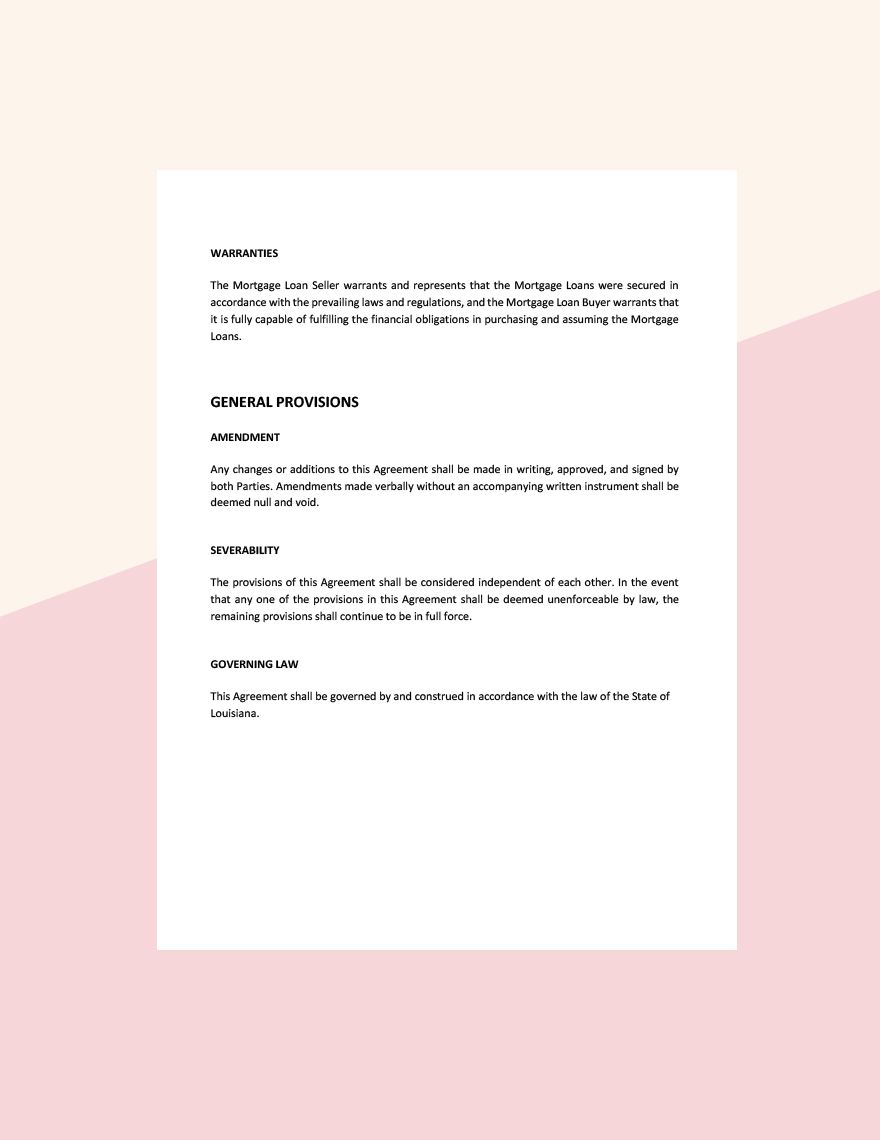
- Confirm governing law and notice procedures.
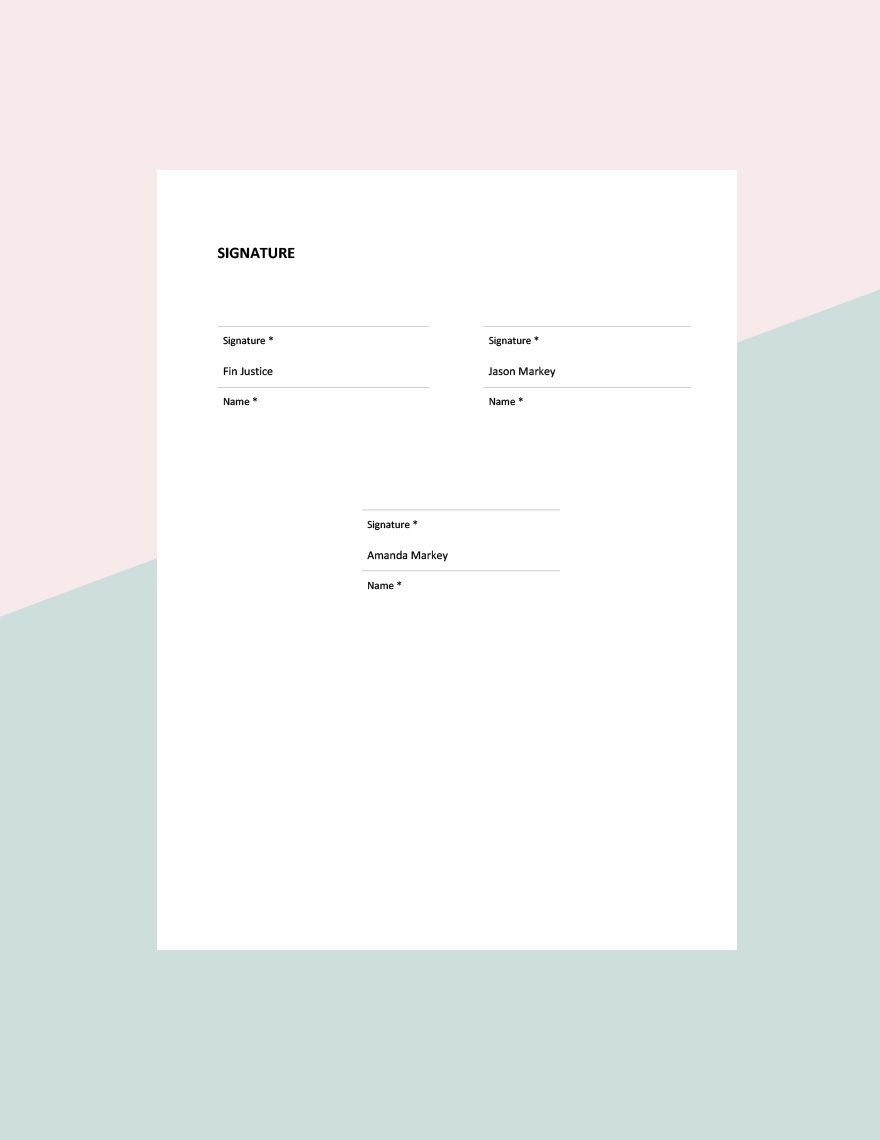
- Review signature, witness, and notarization requirements.
Using a Mortgage Contract Template Effectively
A mortgage contract template is most useful when it provides structure without encouraging users to accept every clause automatically. Each provision should be compared with the actual commercial terms agreed by the parties.
Pay particular attention to payment timing, late-payment provisions, prepayment rights, insurance obligations, property maintenance, restrictions on transfers, and procedures for amendments. These provisions can affect both parties throughout the life of the financing arrangement.
Check Internal Consistency
The information should match across every section. If the principal amount appears differently in two places, the payment schedule conflicts with the maturity date, or the property description differs from the title records, the agreement should be corrected before execution.
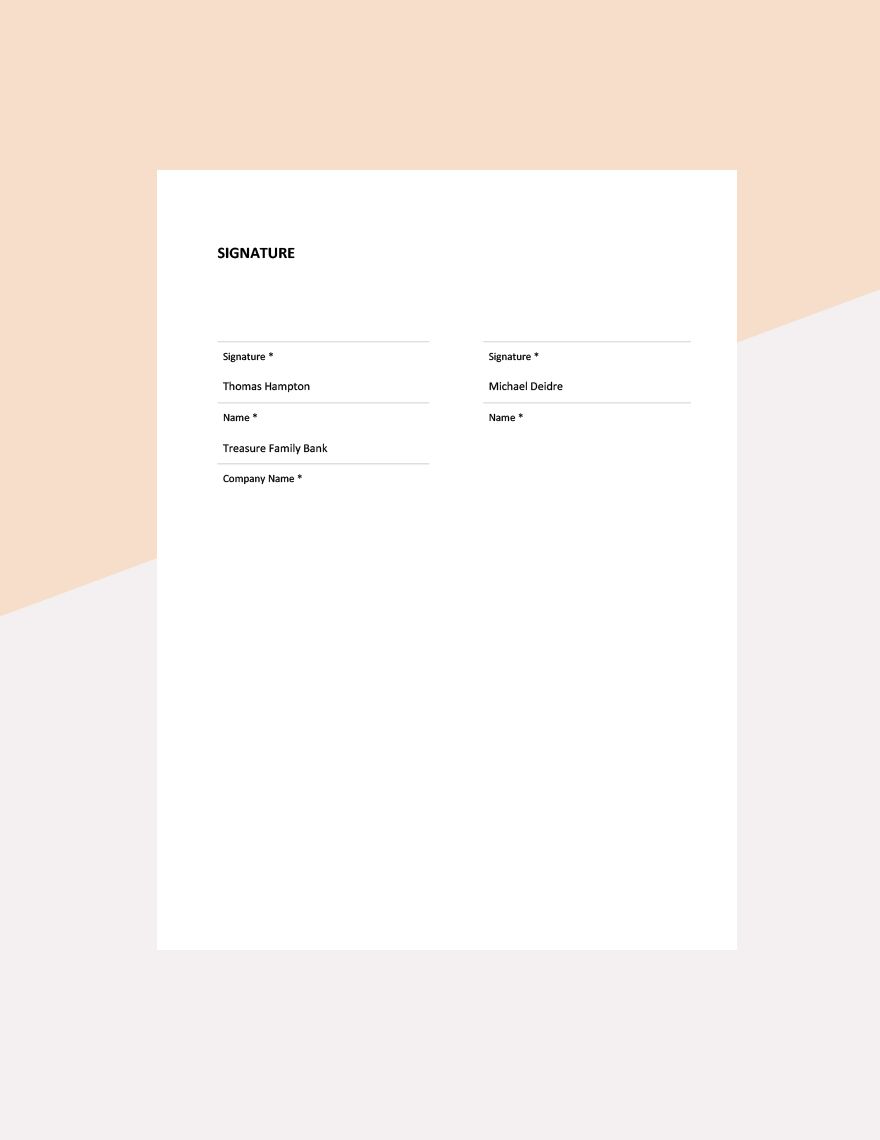
Review the Signature Section
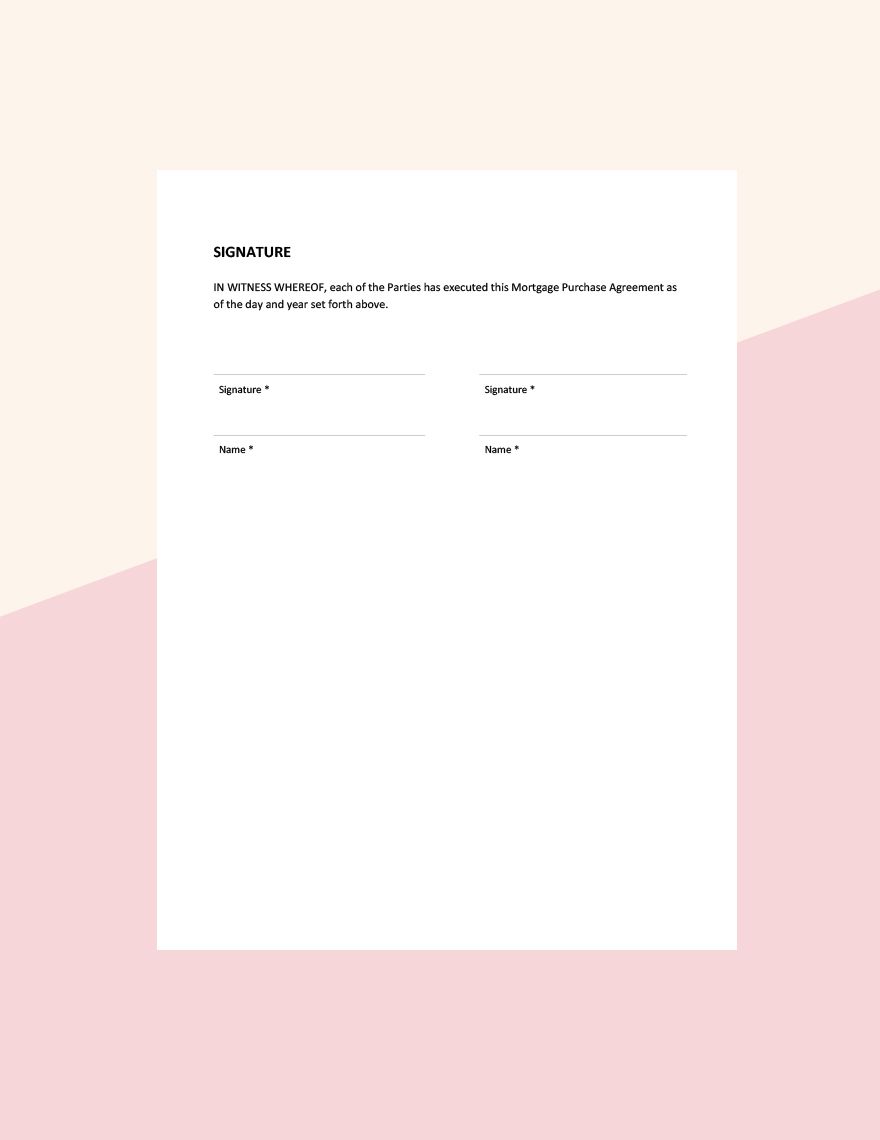
The execution section should identify everyone who needs to sign. Depending on the transaction and local requirements, witnesses, representatives, spouses, guarantors, or notarial officers may also have a role.
Real Estate Mortgage Agreement Considerations
A real estate mortgage agreement connects the financial obligation with an interest in real property. Because property rights can be affected, the agreement should be reviewed alongside the relevant title records and other transaction documents.
Users should verify whether the transaction requires registration, notarization, specific statutory wording, government forms, or involvement from a licensed professional. Requirements differ between jurisdictions, so a document suitable in one location may not be sufficient in another.
Common Mistakes When Using Mortgage Templates
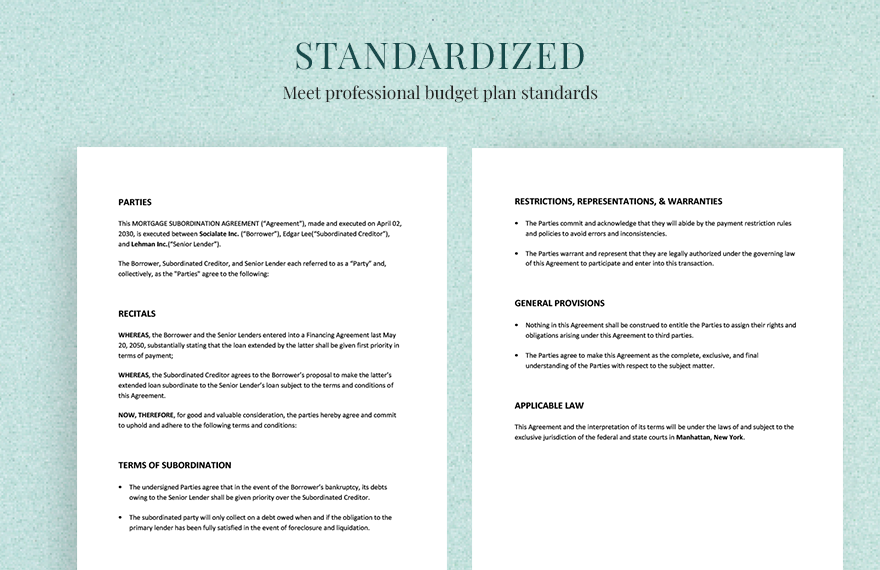
One common mistake is focusing on visual design while ignoring substance. A polished document is not necessarily appropriate for the transaction. Another problem occurs when users leave placeholders, inconsistent dates, or sample information in the final version.
- Using incorrect legal names or property information.
- Leaving blank fields that should contain transaction-specific terms.
- Failing to reconcile the agreement with the promissory note.
- Ignoring applicable registration requirements.
- Using generic default language without understanding its effect.
- Overlooking insurance, taxes, maintenance, or transfer provisions.
- Failing to retain signed copies and supporting records.
How to Choose the Right Template
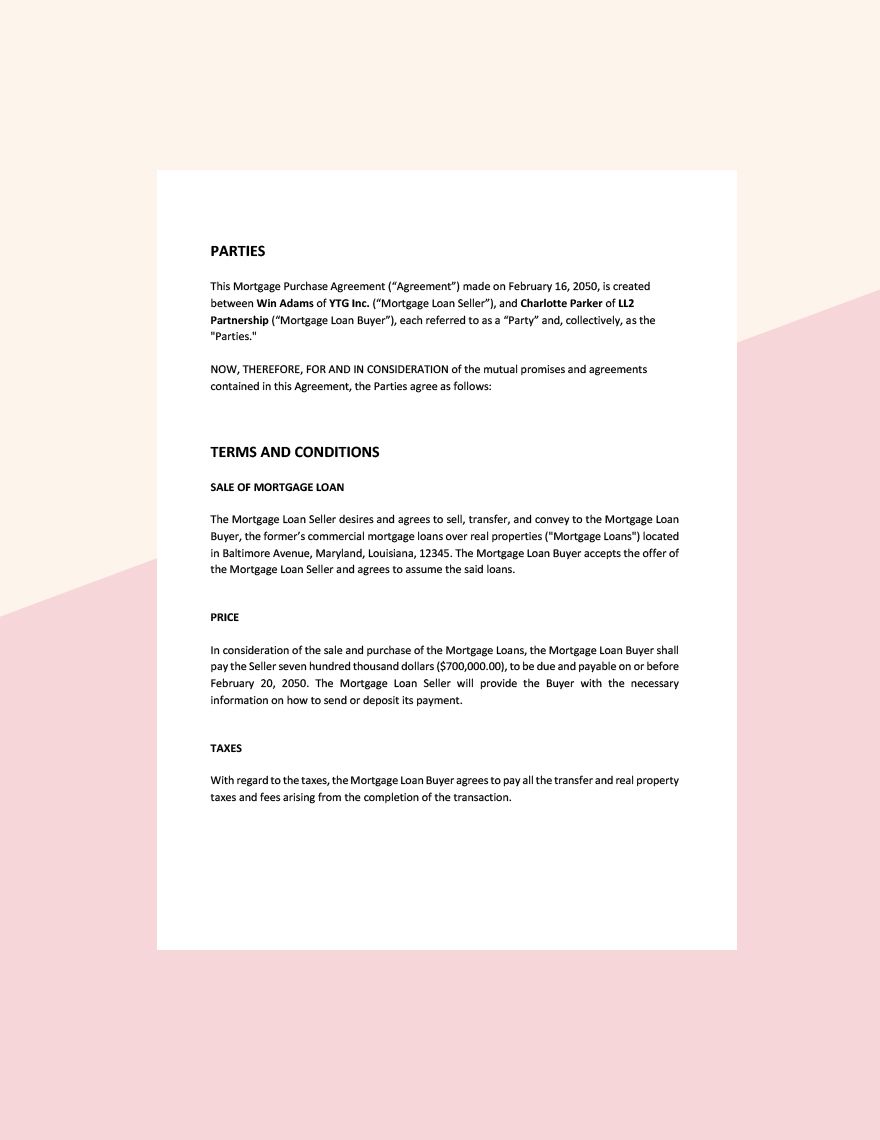
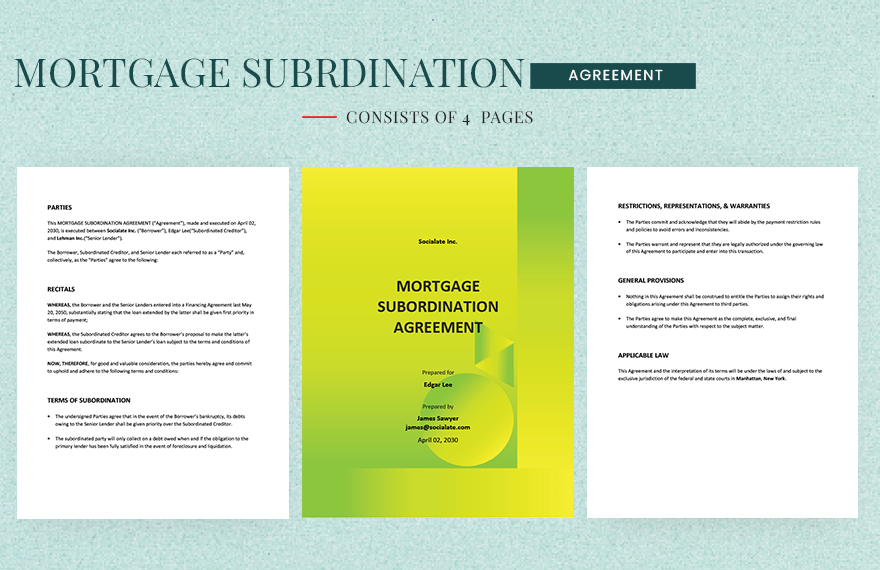
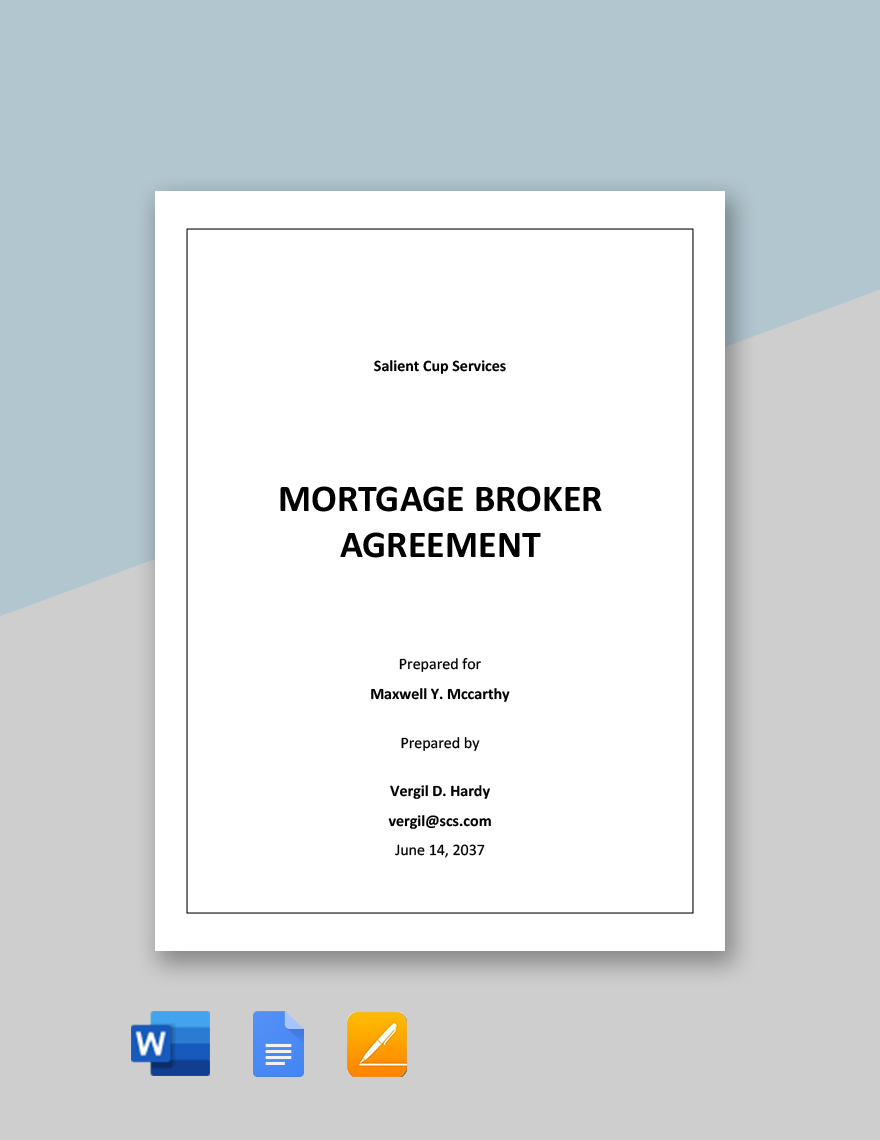
Start by identifying the transaction type. Determine whether the arrangement involves a residential property, commercial property, private lender, family financing, multiple borrowers, refinancing, purchase of an existing mortgage interest, or another structure.
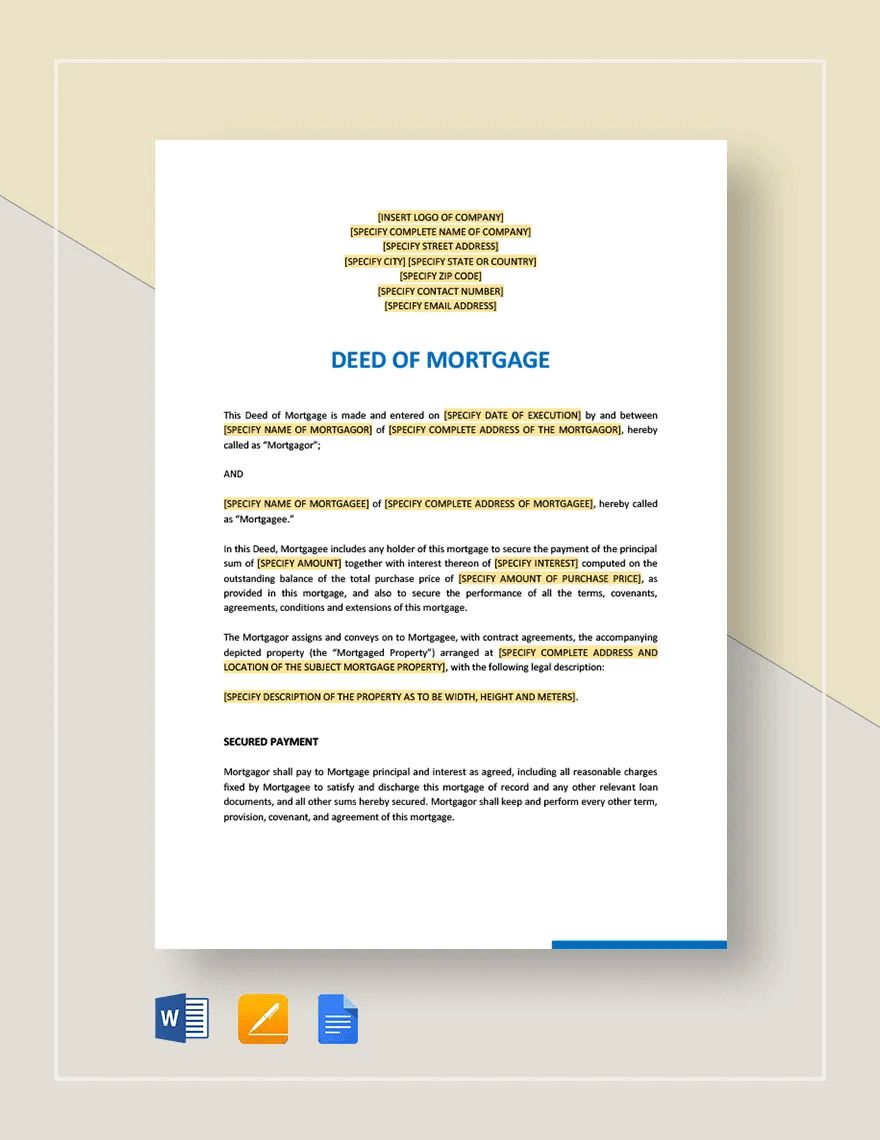
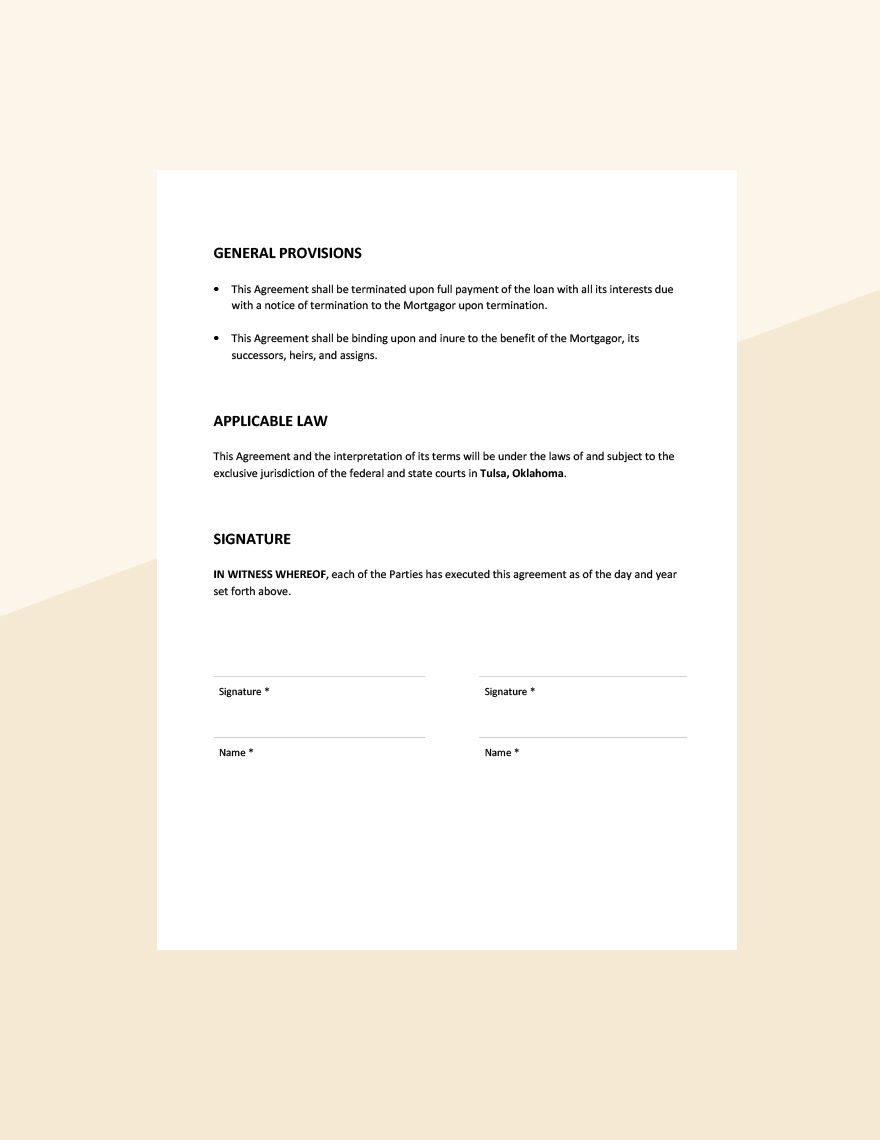
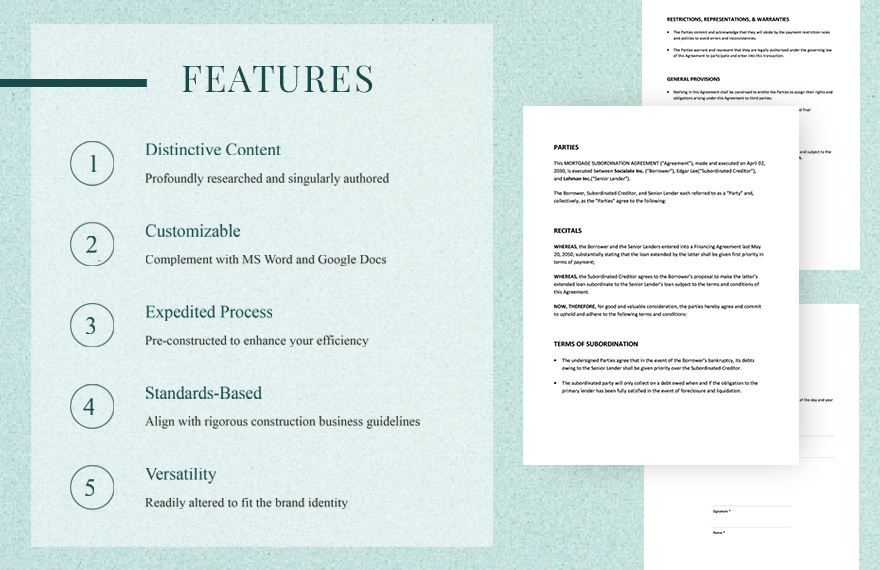
Next, review the document architecture. A useful template should have logical sections, readable headings, clearly defined parties, financial provisions, property details, default terms, general provisions, and execution fields.
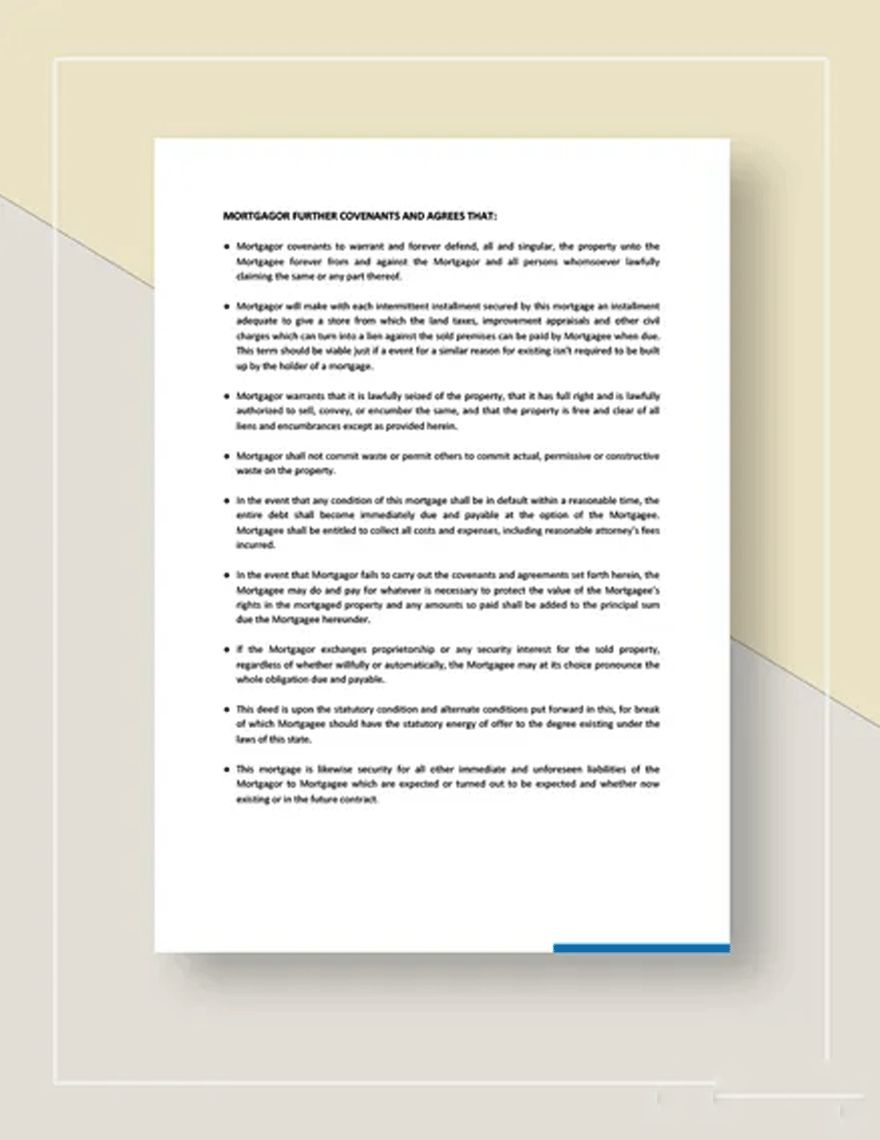
Finally, consider the editing format and workflow. If several parties need to review the document, an editable format may be more practical. Once the wording is finalized, a fixed version can help preserve the approved layout.
Practical Review Checklist Before Signing
Before signing, read the agreement from beginning to end rather than checking only the financial section. Confirm that the names, addresses, property information, financial terms, dates, payment provisions, and security provisions all correspond with the transaction.
- Identity: Confirm every party’s legal name and role.
- Property: Compare the property description with official records.
- Finance: Verify principal, interest, fees, installments, and maturity.
- Security: Confirm how the property secures the obligation.
- Default: Understand what constitutes default and what remedies may follow.
- Insurance: Confirm required coverage and responsibility for premiums.
- Taxes: Identify which party handles property taxes and related charges.
- Execution: Confirm signatures, witnesses, notarization, and registration requirements.
Frequently Asked Questions About Mortgage Agreement Templates
What should a mortgage agreement template contain?
It should normally identify the parties, loan amount, interest terms, repayment schedule, property used as security, borrower obligations, default provisions, applicable law, notices, amendments, and execution requirements. The exact contents depend on the transaction and jurisdiction.
Can I edit a mortgage agreement template?
Yes. Editable templates are designed to provide a structured starting point. Replace sample information with accurate transaction details and review every clause before the agreement is finalized.
Are mortgage agreement templates suitable for every country?
No. Mortgage and property laws differ substantially between jurisdictions. Registration, notarization, security interests, land records, and enforcement procedures may require specific local documentation.
What is the difference between a mortgage agreement and a loan agreement?
A loan agreement primarily describes the financial obligation between lender and borrower. A mortgage agreement additionally addresses the property interest securing that obligation. In some transactions, both documents operate together.
Should a lawyer review the document?
For a significant real estate transaction, professional legal review is advisable. This is especially important when the transaction involves substantial value, unusual terms, multiple parties, private financing, commercial property, or jurisdiction-specific registration requirements.
Conclusion
The best Mortgage Agreement Templates are not simply attractive documents. They provide a practical structure for recording the financial obligation, identifying the secured property, defining responsibilities, and documenting how the parties will handle payments, changes, and potential default. Choose a template that closely matches the transaction, verify every factual detail, compare the wording with related financing documents, and obtain appropriate professional review before signing. A careful preparation process can make the final agreement clearer, more consistent, and better suited to the transaction it is intended to document.