A Logistics Order Form is an essential document for organizing shipments, coordinating transportation, and communicating delivery requirements. Businesses use this form to provide clear instructions to carriers, freight providers, warehouses, and other logistics partners.
Without a structured shipping request, important details can be missed. Incorrect addresses, unclear delivery instructions, inaccurate quantities, or missing contact information can create delays. Therefore, a well-designed Logistics Order Form helps businesses create a more organized and reliable transportation process.
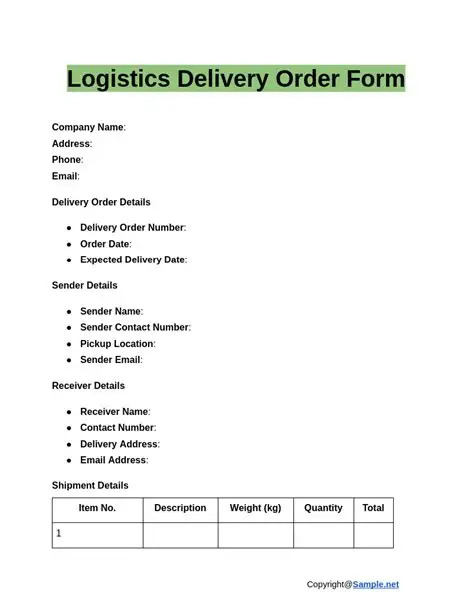
The form can be used for local deliveries, freight shipments, warehouse transfers, supplier orders, and other supply chain activities. It provides a central place for recording shipment information before goods begin their journey.
This guide explains what a Logistics Order Form is, what information it should include, and how businesses can use it to improve shipping operations.
What Is a Logistics Order Form?
A Logistics Order Form is a document used to request, organize, or authorize the transportation of goods. It may also be called a shipping request form, transport order, freight request, or delivery order form.
The document provides instructions about the shipment. For example, it can identify the sender, recipient, pickup location, delivery address, products being transported, and requested delivery schedule.
A clear logistics form helps everyone involved understand the shipment requirements. As a result, transportation providers can plan the movement of goods more effectively.
Why Businesses Need a Logistics Order Form
Logistics involves many moving parts. A single shipment may involve a supplier, warehouse, driver, carrier, customer, and receiving team. Because several people may handle the same order, clear communication is important.
A standardized Logistics Order Form creates a consistent process. Instead of collecting information from several messages or documents, employees can review one structured form.
- Improves shipment accuracy: Important details are recorded before transportation begins.
- Reduces communication errors: All parties can work from the same shipment information.
- Supports delivery planning: Logistics teams can review pickup and delivery requirements.
- Improves recordkeeping: Businesses can store completed forms for future reference.
- Helps track transportation requests: Each shipment can have a unique reference number.
- Supports supply chain coordination: Warehouses, carriers, and customers can receive clearer instructions.
Essential Information to Include in a Logistics Order Form
A useful Logistics Order Form should contain enough information to support accurate shipment planning. The form does not need to be overly complicated. However, it should include the details required for the specific transportation request.
Order Reference Number
Each logistics request should have a unique order or shipment number. This reference number helps businesses identify the order and connect it with related documents.
For example, the same reference number can be used when communicating with a carrier, warehouse team, or customer service department.
Sender Information
The form should clearly identify the sender or company requesting transportation. Include the business name, contact person, telephone number, and other relevant details.
Pickup Details
Pickup information helps the carrier understand where the goods are located and when they are available. The form may include the pickup address, contact person, collection date, and preferred pickup time.
If the location has special access requirements, those instructions should also be included.
Delivery Information
The delivery section should identify the destination clearly. Include the recipient’s name, delivery address, contact information, and requested delivery date when applicable.
Special delivery instructions can also be useful. For example, a shipment may require advance notice, a specific receiving entrance, or delivery during certain business hours.
Product and Shipment Details
One of the most important sections of a Logistics Order Form describes the goods being transported. Clear product information helps logistics providers select the appropriate transportation method.
- Product or item description
- Number of packages
- Quantity of goods
- Package dimensions when needed
- Weight information
- Special handling requirements
- Reference or inventory numbers
Accurate shipment information can also help prevent problems during pickup, loading, and delivery. Therefore, employees should review these details before the order is submitted.
How to Use a Logistics Order Form Effectively
A Logistics Order Form works best when employees follow a consistent workflow. First, the person requesting transportation should collect all relevant shipment information.
Next, the form should be completed carefully. Important details such as addresses, contact information, quantities, and delivery instructions should be checked before the request is approved.
- Identify the goods that need transportation.
- Confirm the pickup location.
- Verify the delivery destination.
- Record accurate product information.
- Add required delivery dates or schedules.
- Include special handling instructions.
- Review the completed form.
- Obtain approval if required.
- Send the logistics request to the appropriate provider.
- Keep a copy for shipment records.
This process creates a clear chain of information from the original transportation request to the final delivery.
Special Handling and Transportation Requirements
Not every shipment can be handled in the same way. Some goods may require special transportation conditions. Therefore, the Logistics Order Form should include a section for additional instructions when necessary.
Fragile or Sensitive Goods
Fragile items may require careful packaging and handling. The form can include instructions that help warehouse staff and transportation providers understand these requirements.
Temperature-Sensitive Products
Some products require controlled transportation conditions. In these cases, the shipment request should clearly describe the required handling procedures.
Large or Heavy Items
Large shipments may require special equipment or vehicles. Accurate weight and dimension information can help logistics providers plan the shipment correctly.

Logistics Order Form and Supply Chain Management
A Logistics Order Form can play an important role in supply chain management. It connects purchasing, inventory, warehousing, transportation, and delivery activities.
For example, a warehouse may receive a transportation request after an order is prepared for shipment. The logistics team can then review the destination, shipment size, and delivery requirements before arranging transportation.
When information is organized properly, teams can reduce unnecessary back-and-forth communication. This can make daily logistics operations more efficient.
Common Mistakes to Avoid
Even a simple logistics request can cause delays when information is incomplete. Fortunately, many common problems can be prevented with a basic review process.
- Using incomplete pickup addresses.
- Entering incorrect delivery information.
- Providing unclear product descriptions.
- Forgetting to include package quantities.
- Using outdated contact details.
- Leaving out special handling instructions.
- Failing to confirm delivery schedules.
- Submitting the order without a final review.
A simple checklist can help employees avoid these mistakes. Before the form is sent, staff should confirm that every required section has been completed.
Tips for Creating a Better Logistics Order Form
A good form should be easy to complete and easy to review. Complex forms can slow down employees, while overly simple forms may not provide enough information.
Use Clear Sections
Separate the form into logical areas. For example, use different sections for sender information, pickup details, delivery details, shipment information, and special instructions.
Keep Instructions Simple
Use clear labels and simple language. Employees should understand what information belongs in each field without needing additional explanations.
Include an Approval Area
Some businesses require approval before transportation costs are committed. An approval section can help managers review the request before it is sent to a logistics provider.
Use Consistent Reference Numbers
A reliable numbering system makes shipment records easier to organize. Businesses can use sequential numbers or another format that fits their internal workflow.
Printable and Digital Logistics Order Forms
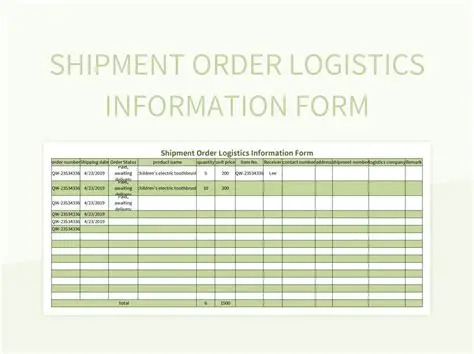
Businesses can use both printable and digital versions of a Logistics Order Form. The best option depends on the company’s workflow and communication needs.
A printable form can be useful in warehouses, loading areas, and locations where employees need physical documents. A digital form can be useful when information must be shared quickly between offices, suppliers, and transportation providers.
Many businesses use a combination of both. For example, an employee may complete the form electronically and print a copy for warehouse staff or delivery documentation.
How a Logistics Order Form Improves Customer Service
Accurate logistics planning can also support a better customer experience. When delivery information is correct, businesses can provide more reliable shipment updates and reduce avoidable delivery problems.
A clear form helps ensure that the logistics team receives the correct customer address, contact information, and delivery instructions. As a result, fewer details need to be clarified after the shipment process begins.
Consistent logistics documentation can also make it easier to investigate delivery questions. The completed order provides a useful record of the original shipment instructions.
Conclusion
A Logistics Order Form is a practical tool for organizing shipping requests and managing transportation information. It brings important details together in one document, including pickup locations, delivery addresses, product information, schedules, and special handling requirements.
By using a clear and consistent form, businesses can improve communication between logistics teams, warehouses, carriers, and customers. In addition, accurate documentation can reduce avoidable mistakes and make shipment records easier to manage.
Whether a business handles local deliveries, freight transportation, warehouse transfers, or regular supply chain shipments, a well-designed Logistics Order Form can create a more organized workflow. The key is to keep the form clear, review information carefully, and use the same process consistently for every transportation request.