Floral design is one of the most beautiful ways to express creativity, celebrate special moments, and bring natural elegance into everyday spaces. From delicate flower arrangements to decorative stationery, floral patterns have remained popular because of their timeless charm, versatility, and connection to nature. Whether you love romantic roses, colorful wildflowers, or minimalist botanical illustrations, floral designs offer endless possibilities.
Today, floral aesthetics are used in many creative projects, including wedding decorations, home interiors, greeting cards, printable templates, invitations, and digital artwork. Their natural beauty makes them suitable for almost every occasion and personal style. In this guide, you will discover different floral styles, practical decorating ideas, and useful tips for choosing the perfect floral design for your needs.
What Is Floral Design?
Floral design is the art of arranging flowers, leaves, and other botanical elements into visually attractive compositions. It can involve fresh flowers, dried plants, artificial blooms, or illustrated floral patterns. The goal is to create harmony between colors, shapes, textures, and proportions.
Although floral arrangements are commonly associated with bouquets and celebrations, the concept extends far beyond traditional flower arrangements. Floral artwork can also appear on printed materials, fabric, digital backgrounds, wall decorations, and personalized gifts.
Some popular elements of floral design include:
- Flowers: Roses, tulips, daisies, peonies, and wildflowers.
- Greenery: Eucalyptus, ferns, olive branches, and decorative leaves.
- Color palettes: Soft pink, cream, sage green, lavender, and warm neutral tones.
- Decorative details: Botanical illustrations, delicate borders, watercolor textures, and natural patterns.
Popular Floral Design Styles
Choosing a floral style depends on the atmosphere you want to create. Some designs feel elegant and romantic, while others are playful, modern, or inspired by nature. Understanding different styles can help you select the right look for your creative project.
1. Romantic Floral Design
Romantic floral designs feature soft colors, delicate flowers, and graceful arrangements. Pink roses, white peonies, pastel carnations, and small decorative blossoms are common choices.
This style works beautifully for wedding invitations, anniversary cards, romantic decorations, and elegant printable stationery. Combining blush pink with cream and soft green creates a gentle and sophisticated appearance.
2. Vintage Floral Design
Vintage floral artwork takes inspiration from traditional botanical illustrations, antique fabrics, and classic garden arrangements. It often features faded colors, detailed flower drawings, and subtle textures.
Popular colors include dusty rose, muted lavender, ivory, burgundy, and antique green. Vintage floral patterns are especially attractive for journals, scrapbook pages, greeting cards, and decorative paper products.
3. Modern Minimalist Floral Design
Minimalist floral designs focus on simplicity. Instead of filling every available space with flowers, they use a few carefully selected botanical elements and plenty of empty space.
Simple line drawings, neutral backgrounds, and subtle floral accents create a clean and contemporary appearance. This approach is ideal for professional stationery, modern invitations, planners, and printable documents.
4. Watercolor Floral Design
Watercolor floral artwork is loved for its soft colors and artistic appearance. The gentle blending of pigments creates a natural, hand-painted effect that makes each flower look delicate and expressive.
Watercolor roses, cherry blossoms, wildflowers, and leafy branches are popular choices. This style is particularly suitable for wedding stationery, printable wall art, greeting cards, and creative digital projects.
Creative Ways to Use Floral Designs
One reason floral patterns remain popular is their versatility. They can transform simple everyday objects into beautiful decorative pieces. You do not need professional design experience to incorporate floral elements into your personal projects.
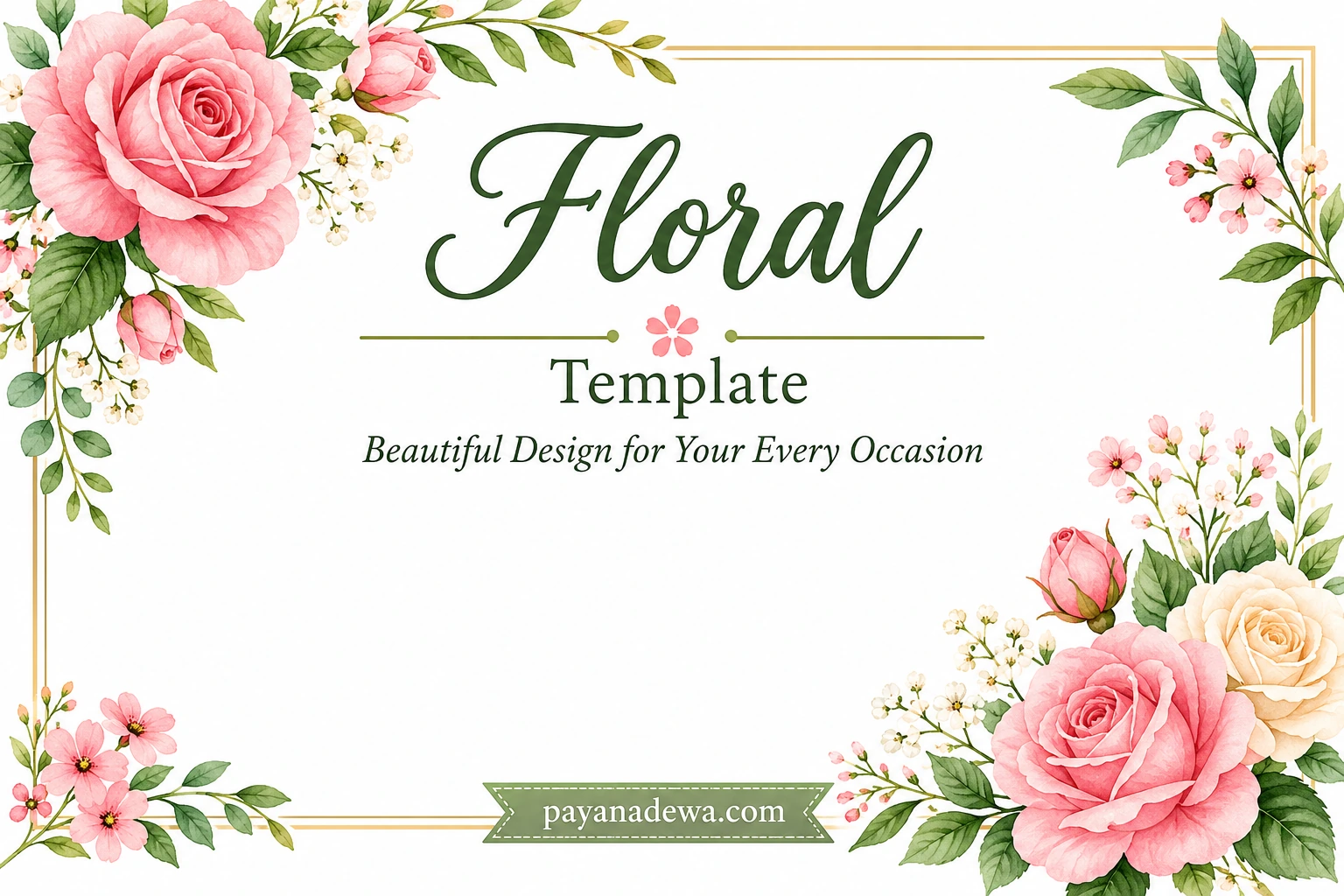
Floral Printable Templates
Printable floral templates are practical resources for people who enjoy beautiful and organized documents. They combine decorative botanical illustrations with useful layouts that can be printed at home or through a professional printing service.
Some popular floral printable ideas include:
- Floral planner pages and daily schedules.
- Printable wedding invitations and RSVP cards.
- Flower-themed greeting cards and thank-you notes.
- Decorative letter paper and writing stationery.
- Floral certificates, menus, and event programs.
- Printable wall art and inspirational quotes.
For the best results, choose a design that balances decorative flowers with enough blank space for writing. This makes the template attractive while keeping it practical and easy to use.
Floral Home Decoration
Floral decorations can make a room feel warmer, fresher, and more welcoming. You can introduce botanical elements through fresh bouquets, decorative cushions, framed floral prints, wallpaper, or table accessories.
For a balanced appearance, avoid using too many competing patterns. Instead, choose one main floral design and combine it with simple furniture, neutral fabrics, and natural materials.
For example, a bouquet of pink roses can look beautiful on a wooden dining table, while botanical wall art can add a refreshing touch to a bedroom or living room.
Floral Wedding and Event Decorations
Flowers are an important part of many celebrations. Floral decorations can help establish the mood of a wedding, birthday party, baby shower, or anniversary celebration.
Consider matching your floral arrangements with the event’s overall color palette. Soft pink and ivory create a romantic atmosphere, while vibrant yellow and orange flowers bring energy and happiness.
You can also coordinate floral decorations with invitations, table numbers, menus, welcome signs, and thank-you cards for a consistent visual theme.
How to Choose the Perfect Floral Color Palette
Color is one of the most important elements of any floral composition. The right combination can make a design feel elegant, cheerful, relaxing, or dramatic.
Here are several popular floral color combinations:
- Pink and sage green: Romantic, gentle, and naturally elegant.
- White and cream: Clean, timeless, and sophisticated.
- Lavender and soft blue: Calm, dreamy, and refreshing.
- Yellow and green: Bright, cheerful, and inspired by spring gardens.
- Burgundy and dusty rose: Rich, vintage, and luxurious.
A helpful tip is to select two or three main colors and use additional shades only as accents. This prevents the composition from looking overcrowded.
Practical Tips for Creating Beautiful Floral Designs
Creating an attractive floral composition does not have to be complicated. A few basic design principles can make a significant difference in the final result.
1. Start with a Clear Design Concept
Before choosing flowers or decorative elements, decide what you want your design to communicate. A wedding invitation may need a romantic appearance, while a business document should feel clean and professional.
2. Maintain Visual Balance
Distribute flowers and leaves carefully throughout the composition. Large flower illustrations can be placed in the corners, while smaller decorative elements can fill empty areas without overwhelming the layout.
3. Leave Enough White Space
White space is especially important when designing printable documents. It gives readers room to write, improves readability, and allows decorative elements to stand out naturally.
4. Choose High-Quality Images
When working with digital floral artwork, use high-resolution images to maintain clear details during printing. Blurry flowers and pixelated illustrations can reduce the overall quality of your finished project.
5. Check Your Printing Settings
Before printing, confirm the paper size, image dimensions, margins, and printer settings. Use high-quality paper when you want a more professional result. For everyday stationery, standard printable paper may be sufficient.
Floral Design Trends and Inspiration
Floral aesthetics continue to evolve as people explore new ways to combine traditional botanical beauty with modern creativity. Some styles remain timeless, while others reflect changing preferences in interior decoration, fashion, and digital design.
Several popular directions include:
- Natural botanical artwork: Detailed illustrations inspired by real plants and garden flowers.
- Soft pastel aesthetics: Gentle pink, cream, lavender, and green combinations.
- Large statement flowers: Oversized roses and peonies used as decorative focal points.
- Minimal botanical patterns: Simple flowers and leaves with clean layouts.
- Vintage garden themes: Antique-inspired floral illustrations with muted colors.
When looking for inspiration, explore different combinations of flower shapes, colors, and layouts. You can also experiment with seasonal themes to create designs that feel appropriate throughout the year.
How to Make Your Floral Printable Designs More Useful
A beautiful printable design should also serve a practical purpose. If you are creating floral templates for personal use or sharing them with others, consider the experience of the person who will print and use the document.
Keep these suggestions in mind:
- Use standard paper sizes such as A4 or US Letter when appropriate.
- Keep important text away from the edges of the page.
- Use readable fonts and maintain sufficient contrast.
- Avoid placing large illustrations over writing areas.
- Provide a print-friendly version with a light background.
- Test the final design before sharing or publishing it.
These small improvements can make a floral printable more convenient and enjoyable to use. A thoughtful design combines visual beauty with functionality.
Conclusion
Floral design is a timeless creative style that brings natural beauty, elegance, and personality into everyday life. From romantic watercolor roses and vintage botanical illustrations to minimalist floral stationery, there are countless ways to enjoy this versatile aesthetic.
Whether you are decorating your home, preparing a special celebration, designing invitations, or looking for printable floral templates, the key is to find a style that matches your purpose. Pay attention to color combinations, visual balance, image quality, and practical details to create a beautiful result.
With a little creativity and inspiration, floral designs can turn ordinary projects into something special. Explore different flowers, experiment with botanical patterns, and discover the beauty of floral creativity for your next project.