Farmers play an essential role in everyday life. They produce the food that reaches our tables, care for the land, raise livestock, and support communities around the world. From small family-owned farms to large agricultural businesses, farmers help maintain the food supply and strengthen local and global economies.
However, modern farming involves much more than planting seeds and harvesting crops. Today’s farmers must understand soil health, weather conditions, agricultural technology, water management, market prices, and sustainable production methods. They also face challenges such as climate change, rising operating costs, and unpredictable harvests.
Understanding the work of farmers helps us appreciate where our food comes from and why agriculture matters. Whether you are interested in farming as a career, starting a small farm, or learning about food production, this guide explores the responsibilities, skills, challenges, and opportunities that shape modern agriculture.
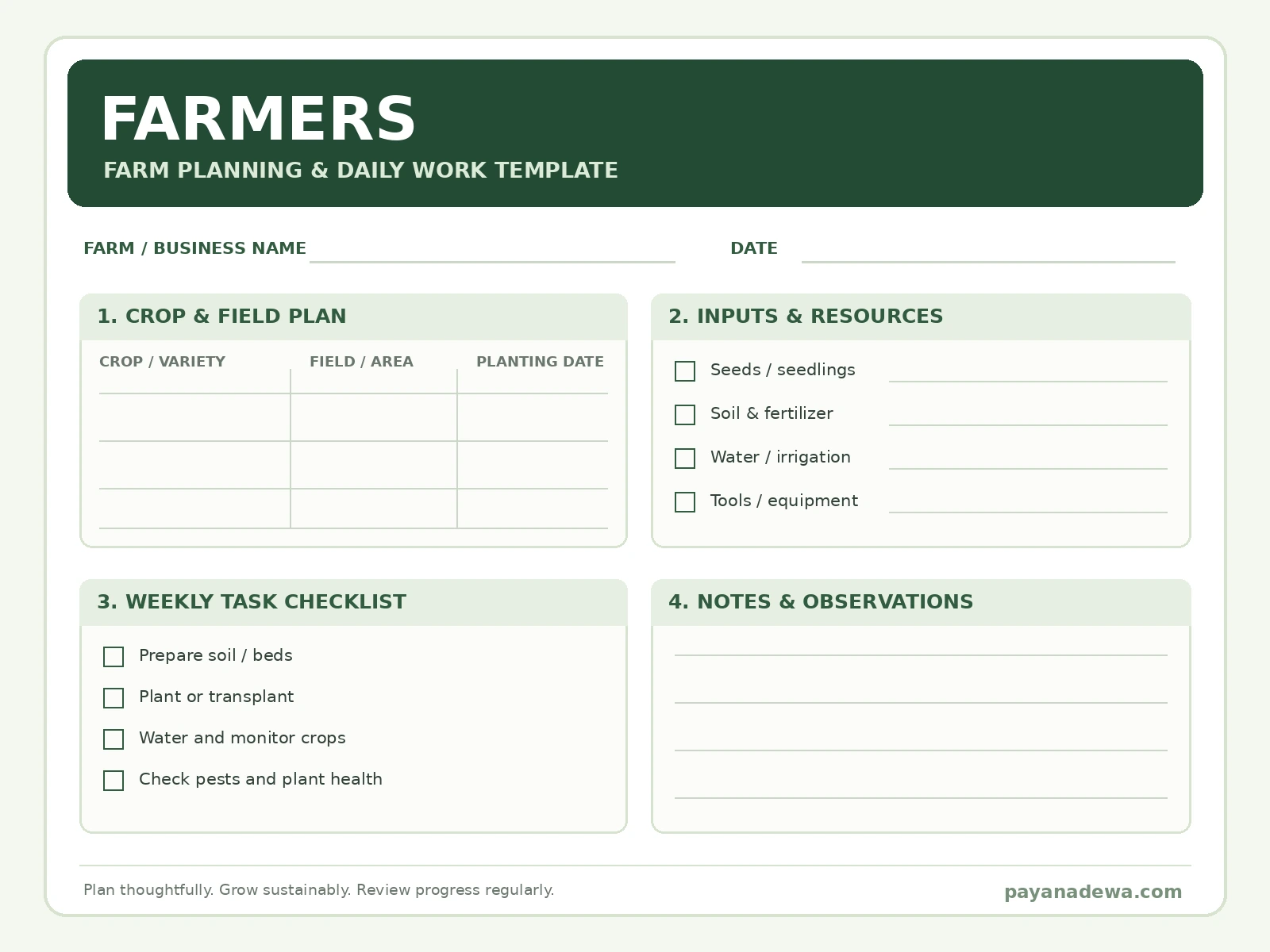
What Do Farmers Do?
Farmers are agricultural professionals who manage land, grow crops, raise animals, and produce agricultural goods. Their daily responsibilities depend on the type of farm, location, climate, and available resources.
Some farmers specialize in growing vegetables, fruits, grains, and other crops. Others focus on livestock, dairy production, poultry, or mixed farming. Many combine different agricultural activities to diversify their income and reduce financial risks.
Common responsibilities of farmers include:
- Preparing soil and selecting suitable crops for planting.
- Planting seeds, maintaining crops, and managing irrigation.
- Monitoring plant health and controlling pests and diseases.
- Feeding livestock and maintaining animal health.
- Operating tractors, harvesters, and other agricultural equipment.
- Harvesting, storing, packaging, and transporting agricultural products.
- Managing farm budgets, workers, supplies, and business operations.
- Protecting natural resources and maintaining soil quality.
Successful farmers combine practical experience with careful planning. They must make informed decisions throughout the growing season to maintain productivity and profitability.
Different Types of Farmers
Agriculture includes many different specialties. Each type of farming requires specific knowledge, equipment, and management techniques. Understanding these categories can help beginners identify the agricultural activities that best match their interests and resources.
1. Crop Farmers
Crop farmers grow plants for food, animal feed, industrial materials, and other products. Their crops may include rice, wheat, corn, soybeans, potatoes, vegetables, and fruits.
They must understand planting seasons, soil conditions, seed selection, fertilization, irrigation, and harvesting methods. Crop farmers also monitor weather forecasts and protect their fields from insects, weeds, and plant diseases.
2. Livestock Farmers
Livestock farmers raise animals such as cattle, sheep, goats, pigs, and poultry. Their businesses may produce meat, milk, eggs, wool, and other animal products.
Animal welfare is a major responsibility. Farmers need to provide appropriate food, clean water, suitable housing, and regular health monitoring. Proper breeding and disease prevention also help maintain healthy livestock populations.
3. Dairy Farmers
Dairy farmers specialize in producing milk and dairy products. They manage dairy cattle or other milk-producing animals and maintain clean milking facilities.
Daily activities include feeding animals, monitoring milk production, maintaining equipment, and following food safety procedures. Good hygiene and animal health management are essential for producing high-quality milk.
4. Organic Farmers
Organic farmers use agricultural practices designed to support ecological balance and reduce reliance on certain synthetic inputs. Depending on the applicable certification standards, these methods may include composting, crop rotation, biological pest control, and carefully selected soil management practices.
Organic agriculture requires detailed planning. Farmers must understand certification requirements, maintain accurate records, and protect their crops while meeting the standards of their chosen market.
5. Small-Scale and Family Farmers
Small-scale farmers typically operate on relatively limited areas of land. Many family farms produce vegetables, fruits, poultry, dairy products, or other goods for local markets.
These farmers often rely on family labor, direct customer relationships, and diversified production. Although their operations may be smaller, they make important contributions to local food systems and rural communities.
Why Farmers Are Important to Society
Farmers contribute to much more than food production. Their work supports economic activity, employment, environmental management, and community development.
1. Providing Food for Communities
The most recognizable contribution of farmers is producing food. Fruits, vegetables, grains, meat, eggs, and dairy products all come from agricultural systems.
Without farmers, food supply chains would struggle to meet the needs of growing populations. Reliable agricultural production is therefore essential for food security and public well-being.
2. Supporting the Economy
Agriculture creates employment opportunities across many industries. Farming supports workers involved in transportation, food processing, equipment manufacturing, storage, packaging, and retail.
In rural areas, agricultural businesses can also support local shops, service providers, and community development.
3. Maintaining Rural Communities
Many rural communities depend on agriculture as an important source of income and employment. Family farms help preserve local traditions, agricultural knowledge, and connections between generations.
Strong farming communities can also encourage investment in rural infrastructure, education, and agricultural services.
4. Supporting Environmental Management
Farmers make decisions that directly affect the environment. Responsible agricultural practices can improve soil structure, protect water resources, encourage biodiversity, and reduce unnecessary waste.
Practices such as cover cropping, crop rotation, composting, and responsible water management can help maintain productive farmland for future generations.
Essential Skills Every Farmer Should Have
Successful farming requires a combination of practical, technical, and business skills. Experience is valuable, but continuous learning is equally important as agricultural methods and technologies develop.
- Plant and animal knowledge: Understanding crop requirements, livestock care, and common agricultural diseases.
- Soil management: Knowing how soil texture, nutrients, drainage, and organic matter affect production.
- Problem-solving: Responding effectively to unexpected weather, equipment failures, and pest problems.
- Financial management: Tracking expenses, estimating production costs, and planning farm investments.
- Equipment operation: Using agricultural machinery safely and maintaining tools properly.
- Time management: Organizing seasonal activities and completing important tasks at the right time.
- Communication: Working with suppliers, employees, customers, agricultural experts, and local communities.
Farmers who develop these skills are better prepared to manage risks and improve their agricultural operations.
Common Challenges Faced by Farmers
Although farming provides valuable opportunities, it also involves significant uncertainty. Agricultural production depends on natural conditions and market factors that farmers cannot always control.
Climate Change and Unpredictable Weather
Changing rainfall patterns, extreme temperatures, droughts, and floods can damage crops and reduce livestock productivity. Farmers must adapt their planting schedules, water management systems, and crop choices to changing environmental conditions.
Rising Production Costs
Seeds, fertilizers, fuel, machinery, labor, animal feed, and transportation can represent substantial expenses. When input prices increase faster than selling prices, farm profitability may decline.
Careful budgeting, efficient resource use, and purchasing supplies strategically can help farmers control operating costs.
Pests and Agricultural Diseases
Insects, weeds, fungi, bacteria, and animal diseases can cause serious production losses. Regular monitoring and integrated pest management help farmers identify problems early and choose appropriate control methods.
Market Price Fluctuations
Agricultural prices can change because of seasonal supply, consumer demand, transportation costs, international trade, and economic conditions.
Farmers can reduce some market risks by diversifying products, exploring direct sales, building relationships with buyers, and researching market demand before planting.
Limited Access to Technology and Financing
Some farmers struggle to obtain affordable financing, modern equipment, reliable internet access, or agricultural training. These limitations can make it harder to increase productivity and compete in changing markets.
Cooperatives, agricultural education programs, government support initiatives, and responsible financial planning may help address these barriers.
Modern Farming Technology and Innovation
Technology is changing how farmers manage agricultural operations. Modern tools can help improve efficiency, reduce waste, and make better decisions using accurate information.
Precision Agriculture
Precision agriculture uses technologies such as GPS, sensors, mapping systems, and digital farm records to manage fields more accurately.
These tools can help farmers understand differences in soil conditions, identify areas requiring attention, and apply resources more efficiently.
Drones and Satellite Monitoring
Agricultural drones can capture aerial images of farmland. Farmers may use these images to monitor crop development, identify damaged areas, and assess irrigation conditions.
Satellite imagery also provides useful information about vegetation, land conditions, and seasonal changes.
Automated Irrigation Systems
Smart irrigation systems use sensors, timers, and automated controls to manage water delivery. When properly designed, these systems can help reduce water waste and provide crops with more consistent moisture.
Farm Management Software
Digital farm management tools allow farmers to record planting dates, monitor expenses, organize workers, track harvests, and manage inventory.
Accurate records make it easier to evaluate performance and plan future growing seasons.
Practical Tips for Starting a Farm
Starting a farm requires preparation, realistic expectations, and an understanding of local agricultural conditions. Beginners should avoid investing heavily before researching the market and evaluating available resources.
1. Choose the Right Type of Farming
Start by identifying what you want to produce. Consider vegetables, fruits, grains, poultry, livestock, or mixed farming. Your decision should reflect your experience, budget, available land, and local demand.
2. Research Your Land and Soil
Study the soil type, drainage, sunlight, water availability, and climate. A soil test can help identify nutrient levels and possible soil management requirements.
3. Create a Realistic Business Plan
Estimate startup costs, operating expenses, expected production, selling prices, and potential risks. Include costs for equipment, seeds, labor, irrigation, transportation, and storage.
4. Start with a Manageable Operation
Beginning with a smaller farming project allows you to gain experience without taking unnecessary financial risks. You can expand gradually as production knowledge and customer demand increase.
5. Learn from Experienced Farmers
Connect with local farming communities, agricultural organizations, extension services, and experienced producers. Practical advice can help you avoid common mistakes and discover effective techniques.
6. Keep Accurate Farm Records
Record planting schedules, input costs, harvest quantities, sales, and equipment maintenance. These records help identify profitable activities and improve future decisions.
Sustainable Farming: Building a Better Agricultural Future
Sustainable farming focuses on producing agricultural goods while protecting natural resources and maintaining long-term farm productivity. It considers environmental health, economic viability, and the well-being of farming communities.
Several practical approaches can support more sustainable agriculture:
- Crop rotation: Growing different crops in sequence to support soil health and disrupt certain pest cycles.
- Cover crops: Planting crops between main growing seasons to protect soil and improve organic matter.
- Composting: Recycling suitable organic materials into useful soil amendments.
- Water conservation: Using efficient irrigation methods and monitoring water requirements.
- Integrated pest management: Combining monitoring, prevention, biological controls, and carefully selected treatments.
- Agroforestry: Integrating trees and shrubs into agricultural landscapes where appropriate.
Not every method works equally well in every location. Farmers should select practices based on their soil, climate, production goals, and available resources.
The Future of Farmers and Agriculture
The future of agriculture will be shaped by population growth, changing consumer preferences, technological innovation, environmental pressures, and global food demand.
Farmers will continue to play a central role in adapting food production to these changes. Digital tools, improved crop varieties, efficient irrigation, and better agricultural education can create new opportunities for farming businesses.
At the same time, traditional knowledge remains valuable. Experience with local weather, soil conditions, planting seasons, and agricultural communities provides insights that technology alone cannot replace.
Young people also have opportunities to enter agriculture through farming businesses, agricultural engineering, food science, farm management, and agricultural technology. Supporting education and innovation can help create a more resilient farming industry.
Conclusion
Farmers are essential to food production, economic development, and the well-being of communities around the world. Their responsibilities involve much more than growing crops or raising animals. They must manage resources, understand agricultural science, adapt to environmental changes, and make important business decisions.
Although modern farmers face challenges such as unpredictable weather, rising production costs, and changing markets, new technologies and sustainable farming methods offer valuable opportunities.
Whether you are an experienced agricultural professional or someone interested in starting a farm, understanding these principles is an important first step. By combining practical knowledge, careful planning, and responsible resource management, farmers can build productive operations and contribute to a stronger agricultural future.