A fashion designer is more than someone who creates beautiful clothes. Fashion designers combine creativity, artistic vision, technical knowledge, and an understanding of consumer trends to develop clothing, accessories, and footwear that express personality and style. From luxury fashion houses to independent clothing brands, these professionals play an important role in shaping how people dress and express themselves.
Whether you dream of becoming a professional fashion designer, want to understand the fashion industry, or simply love clothing and creative design, learning about this career can open the door to exciting opportunities. Fashion design offers a unique combination of art, business, innovation, and craftsmanship.
In this guide, you will discover what fashion designers do, the skills they need, the different career paths available, and practical steps to start your journey into the fashion industry.
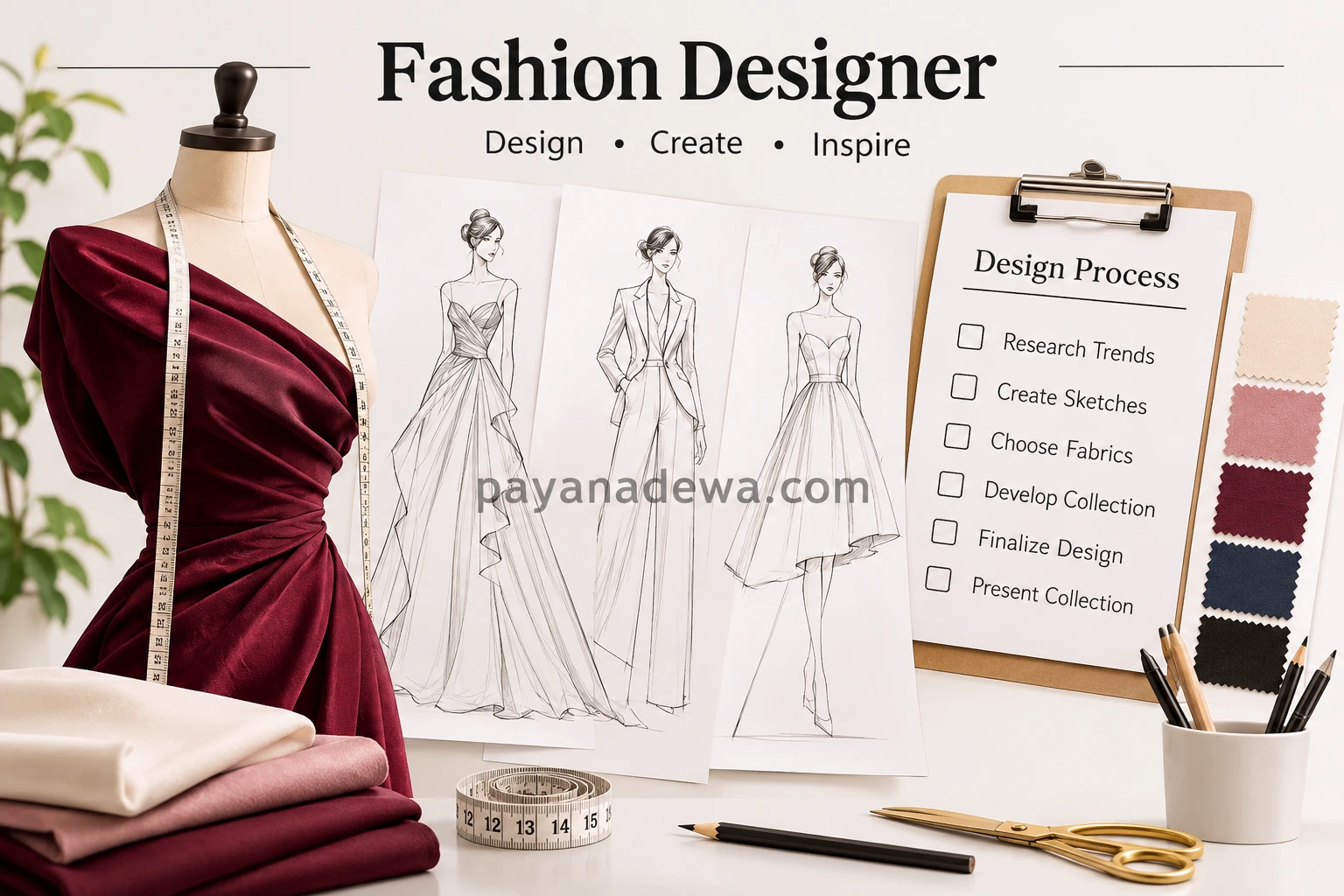
What Is a Fashion Designer?
A fashion designer is a creative professional who develops concepts and designs for clothing, footwear, and fashion accessories. Their work involves researching trends, selecting materials, creating sketches, developing prototypes, and preparing designs for production.
Some designers focus on everyday clothing, while others specialize in luxury fashion, sportswear, bridal gowns, or sustainable collections. Each specialization requires a different approach, but all fashion designers aim to combine appearance, comfort, functionality, and quality.
Fashion designers may work independently, join established fashion brands, or collaborate with manufacturers and creative teams. Their responsibilities can vary depending on the size of the company and the type of products they create.
What Does a Fashion Designer Do?
The daily responsibilities of a fashion designer extend far beyond drawing clothing ideas. Every collection requires planning, research, experimentation, and careful attention to detail.
1. Research Fashion Trends
Fashion designers study current styles, customer preferences, cultural influences, and seasonal trends. They may explore fashion magazines, runway collections, social media, street style, and historical clothing for inspiration.
Trend research helps designers create products that appeal to their target audience while maintaining a recognizable creative identity.
2. Create Fashion Sketches
Sketching is an important part of the design process. Designers use drawings to communicate the shape, structure, details, and proportions of their ideas.
Traditional fashion illustration is often completed with pencils, markers, or watercolor. However, many professionals also use digital drawing software to develop more precise designs.
3. Select Fabrics and Materials
Choosing the right fabric can transform an ordinary design into something special. Designers consider texture, color, weight, durability, flexibility, and cost before selecting materials.
Common materials include cotton, linen, silk, wool, denim, leather, and synthetic fabrics. The choice depends on the garment’s purpose, appearance, and intended price range.
4. Develop Patterns and Prototypes
Once a design concept is approved, designers work with pattern makers and sample makers to turn drawings into physical garments. This stage may involve creating patterns, cutting fabric, sewing samples, and adjusting measurements.
Prototypes allow the design team to evaluate fit, comfort, construction, and appearance before mass production begins.
5. Prepare Designs for Production
Fashion designers collaborate with manufacturers, production teams, and suppliers to ensure that finished products match the original concept. They may review technical drawings, fabric specifications, measurements, and construction instructions.
Clear communication is essential because even small production errors can affect the quality of an entire clothing collection.
Essential Skills Every Fashion Designer Needs
Successful fashion designers combine artistic ability with practical and professional skills. Although creativity is important, technical knowledge and business awareness are equally valuable.
Creative Thinking and Artistic Vision
Creativity helps designers develop original concepts and find fresh ways to express ideas through clothing. A strong artistic vision also helps create collections with consistent themes, colors, and visual identities.
Drawing and Illustration
Fashion illustration helps designers communicate their ideas visually. You do not need to become a perfect artist immediately. Regular practice can improve your ability to draw silhouettes, fabric details, proportions, and garment construction.
Knowledge of Fabrics and Textiles
Understanding textiles is essential for choosing suitable materials. Designers should learn how different fabrics behave, how they are produced, and how they respond to cutting, sewing, washing, and wearing.
Communication and Teamwork
Fashion design is often a collaborative profession. Designers communicate with pattern makers, tailors, manufacturers, photographers, marketing teams, and clients.
Strong communication skills help turn creative ideas into finished products that meet expectations.
Digital Design Skills
Modern fashion designers increasingly use digital tools to improve their workflow. Computer-aided design software can help create technical drawings, illustrations, color variations, and presentation materials.
Learning digital fashion design tools can also make collaboration and revisions more efficient.
Different Types of Fashion Designers
The fashion industry offers many opportunities for designers with different interests and creative strengths. Choosing a specialization can help you develop expertise and build a recognizable professional identity.
Haute Couture Designer
Haute couture designers create exclusive, high-end garments. These pieces often involve detailed craftsmanship, premium materials, custom measurements, and extensive handwork.
Ready-to-Wear Designer
Ready-to-wear designers create clothing collections intended for retail customers. Their designs balance creativity, comfort, production requirements, and market demand.
Sportswear Designer
Sportswear designers develop clothing for exercise, outdoor activities, and athletic performance. They consider flexibility, breathability, durability, and innovative textile technology.
Accessory Designer
Accessory designers focus on products such as handbags, belts, hats, scarves, and other fashion items. They combine materials, functionality, and visual details to complement clothing collections.
Sustainable Fashion Designer
Sustainable fashion designers aim to reduce the environmental impact of clothing production. They may use recycled textiles, organic materials, responsible manufacturing methods, and designs that encourage longer product lifespans.
How to Become a Fashion Designer
Becoming a fashion designer takes dedication, consistent practice, and a willingness to learn. A formal degree can be helpful, but practical experience and a strong portfolio also play important roles.
1. Learn the Fundamentals of Fashion Design
Start by studying fashion illustration, color theory, garment construction, textiles, pattern making, and basic sewing techniques. These subjects provide the foundation for developing professional designs.
You can learn through fashion schools, online courses, workshops, books, and independent practice.
2. Develop Your Drawing Skills
Practice drawing different clothing styles, body proportions, garment silhouettes, and fabric textures. Try creating several versions of the same outfit to explore different shapes and details.
Consistency matters more than perfection. Even a short daily drawing session can help you improve over time.
3. Build a Fashion Design Portfolio
A portfolio is one of the most important tools for presenting your creative abilities. It allows potential employers and clients to understand your design approach and technical skills.
Include the following elements in your portfolio:
- Original fashion illustrations and clothing sketches.
- Color palettes and fabric selections.
- Mood boards and design inspiration.
- Technical drawings and garment details.
- Photographs of finished garments or prototypes.
- Examples of different collections and design concepts.
4. Gain Practical Experience
Look for internships, assistant positions, freelance projects, or opportunities to work with local clothing businesses. Practical experience helps you understand how fashion products move from initial concepts to finished garments.
You can also create small personal collections to test your skills and develop your creative direction.
5. Understand the Business Side of Fashion
Fashion is also a commercial industry. Designers benefit from understanding pricing, production costs, customer research, branding, marketing, and retail operations.
These skills become especially important if you plan to launch your own fashion label or work as an independent designer.
Tools and Software Used by Fashion Designers
Fashion designers use a combination of traditional equipment and digital technology to develop their ideas. The right tools depend on the type of design work and available resources.
Some essential fashion design tools include:
- Sketchbooks and pencils: For recording ideas and developing initial clothing concepts.
- Fashion croquis: Templates that help designers draw clothing on consistent body proportions.
- Measuring tape: For taking accurate body and garment measurements.
- Sewing machines: For creating prototypes, samples, and finished garments.
- Fabric scissors: For cutting textiles accurately.
- Adobe Illustrator: For digital fashion illustrations and technical drawings.
- CLO 3D: For creating and visualizing three-dimensional digital garments.
- Adobe Photoshop: For editing fashion images, developing mood boards, and presenting design concepts.
Beginners do not need to purchase every tool immediately. Start with basic supplies and expand your collection as your skills and projects develop.
Fashion Design Trends and the Future of the Industry
The fashion industry continues to evolve as technology, consumer expectations, and environmental concerns influence how clothing is designed and produced.
Sustainable and Ethical Fashion
Consumers are becoming increasingly interested in responsible clothing production. As a result, designers are exploring recycled materials, low-waste pattern cutting, ethical manufacturing, and timeless clothing concepts.
Digital Fashion and 3D Design
Digital tools are changing the way designers create and present collections. Three-dimensional garment software allows designers to visualize clothing, test different materials, and make adjustments before producing physical samples.
Personalized Clothing
Customization is another growing area of interest. Some brands offer personalized colors, sizes, details, and made-to-order garments to create a more individual customer experience.
Artificial Intelligence in Fashion
Artificial intelligence can support trend research, visual inspiration, product development, and creative experimentation. However, designers still provide the artistic judgment, cultural understanding, and human perspective needed to create meaningful fashion.
Practical Tips for Aspiring Fashion Designers
If you are starting your fashion design journey, focus on building strong habits rather than trying to master everything at once.
- Observe everyday fashion: Study how people combine colors, fabrics, patterns, and accessories.
- Collect inspiration: Create mood boards from architecture, nature, art, photography, and cultural influences.
- Experiment with materials: Test different fabrics to understand their texture, movement, and construction possibilities.
- Practice consistently: Make time for sketching, sewing, and learning new techniques.
- Follow industry developments: Explore fashion exhibitions, runway collections, and professional publications.
- Ask for feedback: Share your work with other designers, teachers, and potential customers.
- Develop your own style: Explore different influences while gradually building a recognizable creative identity.
Conclusion: Start Your Journey as a Fashion Designer
Becoming a fashion designer is an exciting journey that combines imagination, technical knowledge, and practical experience. From researching fashion trends and drawing original concepts to selecting fabrics and developing finished garments, every stage offers opportunities to learn and grow.
Whether you want to work for an established fashion brand, specialize in sustainable clothing, or build your own fashion business, the most important step is to start creating. Develop your skills, experiment with different ideas, and build a portfolio that reflects your unique perspective.
The fashion industry continues to offer new opportunities for creative people who are willing to adapt and innovate. With passion, persistence, and a strong foundation in design, you can turn your interest in fashion into a rewarding professional journey.