Applying to college is an exciting step, but preparing a strong application can also feel overwhelming. Along with transcripts, test results, recommendation letters, and personal essays, some applications may require or allow additional written communication. A well-prepared Cover Letter Template For College Application can help you organize your thoughts and present your academic interests, achievements, goals, and enthusiasm in a clear and professional way.
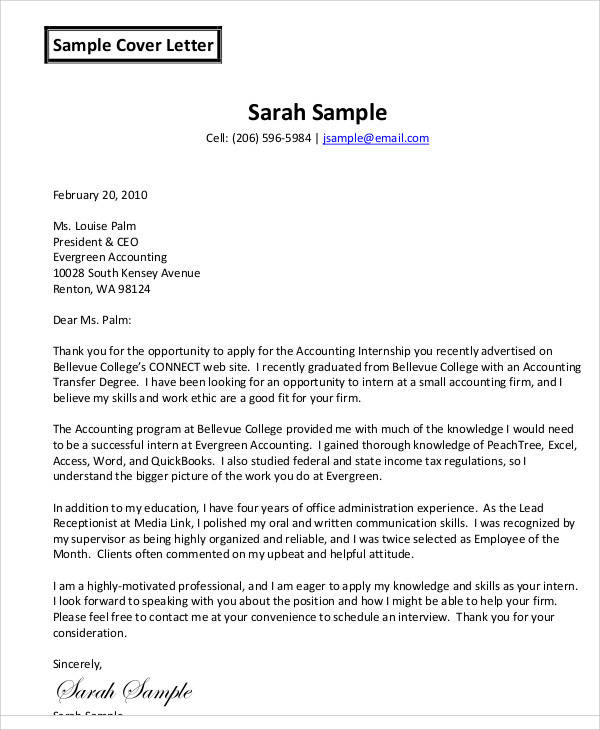
A college application cover letter should never feel like a generic form with a few names changed. The best letters are personalized and explain why a particular college, program, or academic opportunity is a good fit for you. A useful template simply provides a structure, helping you focus on creating a meaningful message rather than worrying about formatting every detail from the beginning.
Why a Cover Letter Can Strengthen a College Application
When a college accepts a cover letter or additional statement, it can give you another opportunity to communicate directly with the admissions team. Your grades and application form may show what you have accomplished, but a letter can provide context about your motivation, interests, experiences, and future plans.
A strong college admission letter can help connect the different parts of your application. For example, you might explain how a particular academic experience influenced your intended major, how an extracurricular activity developed an important skill, or why a specific program aligns with your long-term goals.
Show Genuine Interest in the College
Admissions readers can usually recognize a letter that could have been sent to any institution. Researching the college before writing allows you to mention relevant academic programs, learning opportunities, student organizations, or values that genuinely connect with your goals.
Add Context to Your Achievements
A cover letter can also explain the story behind your accomplishments. Instead of repeating every detail from your application, choose a few experiences that demonstrate qualities such as curiosity, initiative, leadership, persistence, creativity, or community involvement.
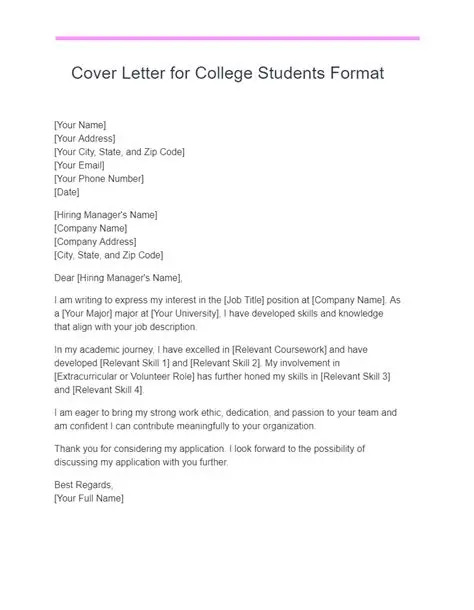
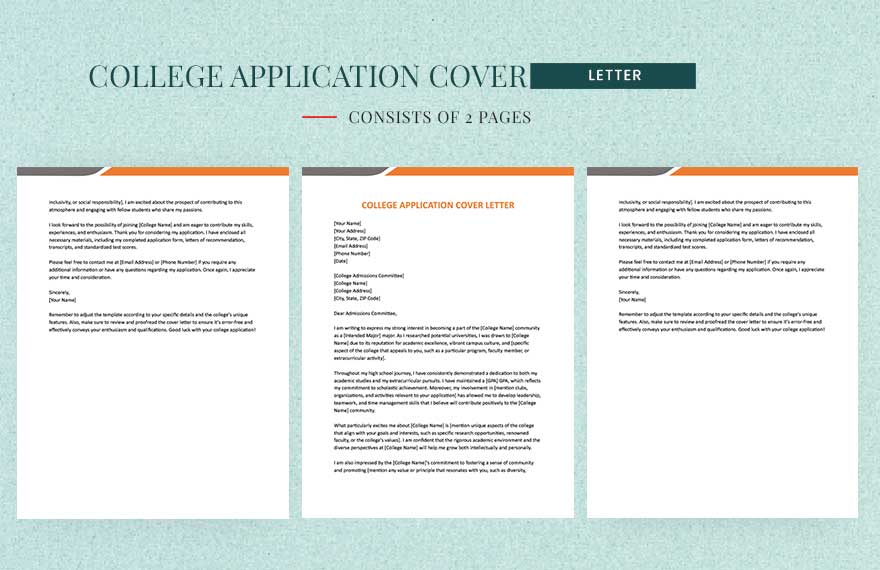
Essential Parts of a Cover Letter Template For College Application
A professional structure makes your letter easier to read. Although exact requirements can vary, most college application cover letters can follow a simple format.
- Your contact information: Include your full name, email address, phone number, and other relevant details.
- Date: Add the date the letter is written or submitted.
- Admissions information: Address the appropriate admissions office or contact person when that information is available.
- Professional salutation: Use a respectful greeting appropriate for the recipient.
- Introduction: State who you are, what program or college you are applying to, and why you are writing.
- Body paragraphs: Highlight relevant achievements, interests, experiences, and qualifications.
- Personal connection: Explain why the college or program fits your academic and future goals.
- Conclusion: Summarize your interest and thank the admissions team for their consideration.
- Professional closing: End with an appropriate closing followed by your name.
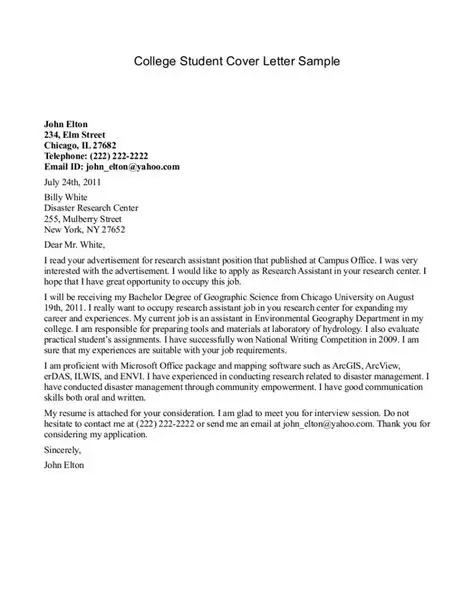
This structure gives your letter a logical flow while leaving enough flexibility for your individual story. The goal is to create a clear message, not to force every applicant into identical wording.
How to Start Your College Application Cover Letter
The opening paragraph should immediately establish the purpose of your letter. Introduce yourself, identify the college or program, and provide a brief reason for your interest. A strong opening is specific and focused rather than overly dramatic or vague.
Personalize the Greeting
If you know the name of the appropriate admissions representative, use it. Otherwise, a professional greeting such as “Dear Admissions Committee” is generally more relevant than an overly informal introduction. Always check the college’s application instructions for preferred formatting.
State Your Purpose Clearly
Your first paragraph should help the reader understand your intentions quickly. Mention the program, degree, or area of study you are interested in, then transition into the experiences or motivations that make you a strong applicant.
What to Include in the Body Paragraphs
The middle section is where you develop your strongest points. Rather than listing everything you have done, select experiences that support your academic interests and demonstrate what you could contribute as a student.
You might discuss an important academic project, volunteer experience, leadership role, competition, internship, research activity, creative achievement, or extracurricular commitment. The key is to explain why the experience matters and what you learned from it.
- Academic subjects or projects that inspired your chosen field of study.
- Leadership roles that developed responsibility and communication skills.
- Volunteer or community activities that shaped your perspective.
- Relevant work experience, internships, or independent projects.
- Challenges you overcame and the lessons you gained from them.
- Specific interests that connect naturally with your intended program.
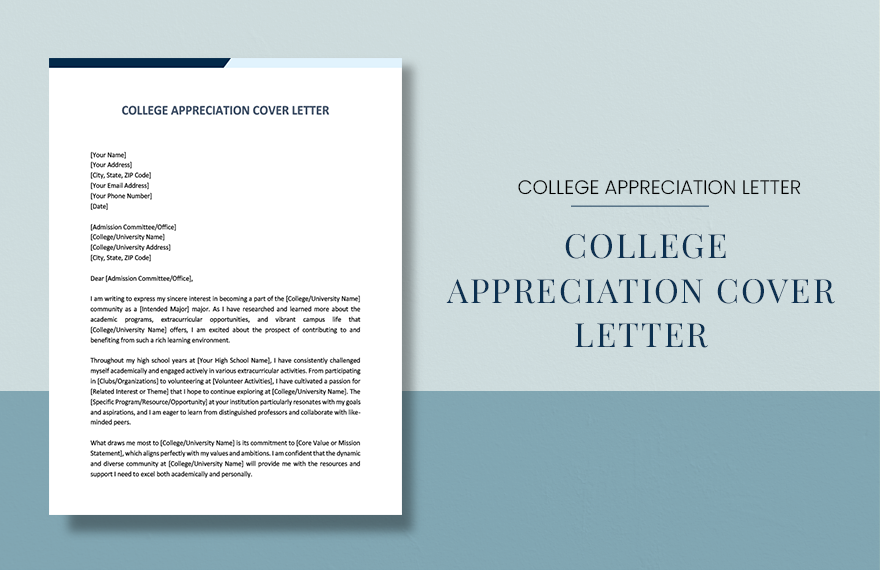
How to Explain Why You Chose the College
One of the most important ways to personalize a Cover Letter Template For College Application is to explain why you are interested in that particular institution. Avoid relying only on general statements such as “Your college has an excellent reputation.” Instead, identify meaningful reasons that connect to your goals.
Research Before You Write
Look carefully at the program, curriculum, learning opportunities, student activities, academic resources, and broader campus environment. You do not need to mention many details. One or two genuine connections are usually more convincing than a long list of facts copied from a website.
Connect the College to Your Goals
Explain how the opportunity fits into your educational direction. For example, you might connect a particular course of study with your interest in research, entrepreneurship, technology, the arts, public service, or another future path. Keep the focus on an authentic connection between what you want to learn and why the institution is relevant.
Common Mistakes to Avoid
A template can make writing easier, but it cannot replace careful editing and personalization. Before submitting your college application letter, check for common mistakes that can weaken an otherwise strong message.
- Sending the same letter to every college: Adapt the content to each institution and program.
- Repeating your entire application: Add context and insight instead of duplicating information.
- Using vague claims: Support statements about your strengths with relevant examples.
- Making the letter too long: Keep the message focused and easy to read.
- Using an inappropriate tone: Be confident and genuine without becoming overly casual.
- Forgetting to proofread: Check spelling, grammar, names, dates, and college details carefully.
- Ignoring application instructions: Always follow the institution’s specific requirements.
Practical Tips for Writing a More Effective Letter
Start by outlining the main message you want the admissions team to remember. A helpful question is: What do I want the reader to understand about me that may not be obvious from the rest of my application? Your answer can help guide the content of the letter.
Use Specific Examples
Specific details are more memorable than broad claims. Instead of simply saying that you are passionate about science, briefly describe an experiment, project, course, or experience that developed that interest.
Keep the Format Clean
Use readable text, clear paragraphs, and consistent spacing. A professional layout helps the reader focus on your message. Unless the college gives different instructions, keep the document concise and avoid excessive decorative formatting.
Ask for a Final Review
Before submitting the letter, consider asking a teacher, counselor, mentor, or trusted person to review it. They may notice unclear wording, unnecessary repetition, or errors that you missed. However, the final letter should still sound like your own voice.
Conclusion: Use a Template as a Guide, Not a Substitute for Your Story
A strong Cover Letter Template For College Application provides a useful framework for organizing your contact information, introduction, achievements, goals, and closing. The real value comes from the way you personalize that structure with your own experiences, motivations, and reasons for applying.
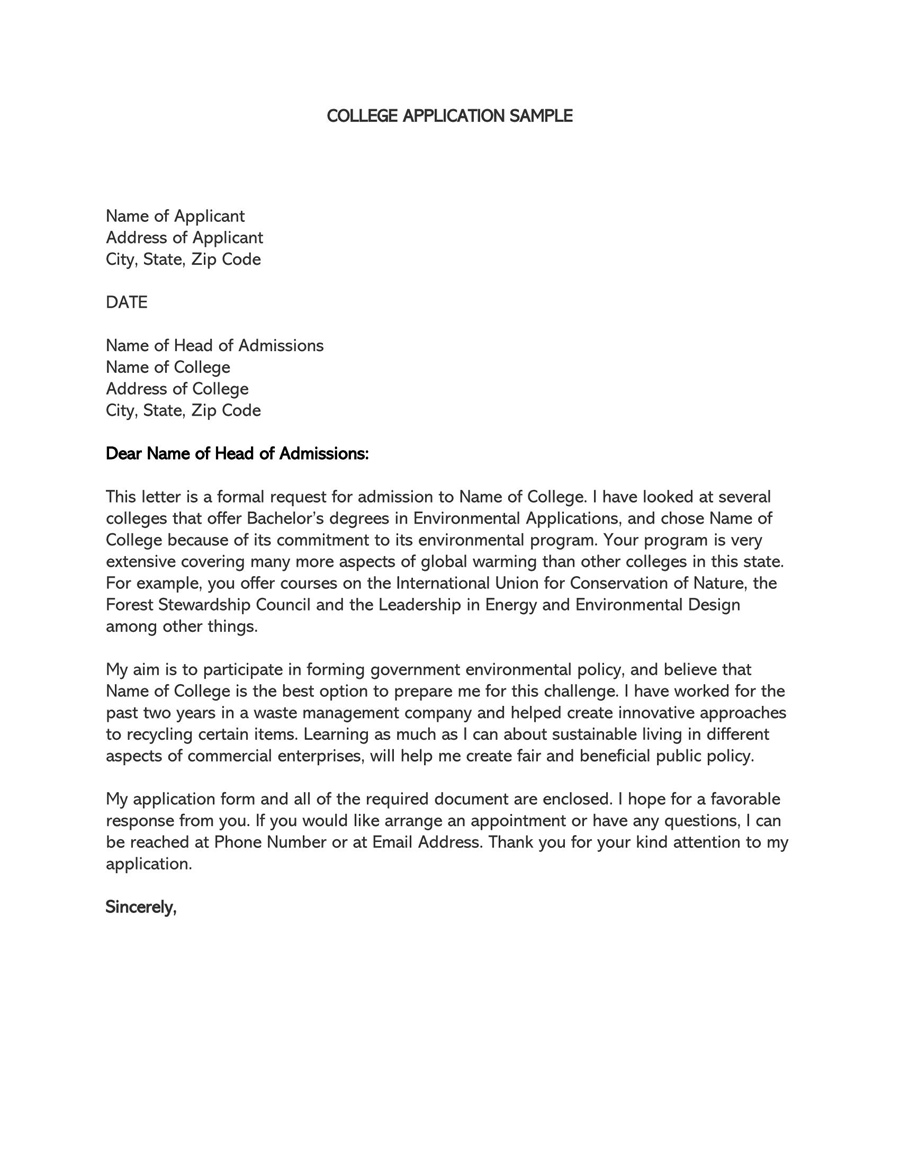
Focus on clarity, authenticity, and relevance. Research the college, choose meaningful examples, explain how your interests connect with your educational goals, and review every detail before submission. When used thoughtfully, a college application cover letter can become a clear and compelling introduction that helps present a fuller picture of who you are and what you hope to achieve.