A Bill of Lading is an important document in the shipping and transportation industry. It records key information about goods that are being transported from one place to another. It also identifies the parties involved in the shipment and provides important transportation details.
For businesses, accurate shipping documents can make logistics easier to manage. A clear Bill of Lading can help shippers, carriers, freight forwarders, and consignees work with the same information. As a result, it can reduce confusion and improve communication throughout the shipping process.
A well-organized Bill of Lading template can make document preparation even easier. Instead of creating every document from scratch, businesses can use a consistent format. This approach saves time and makes important shipment information easier to review.
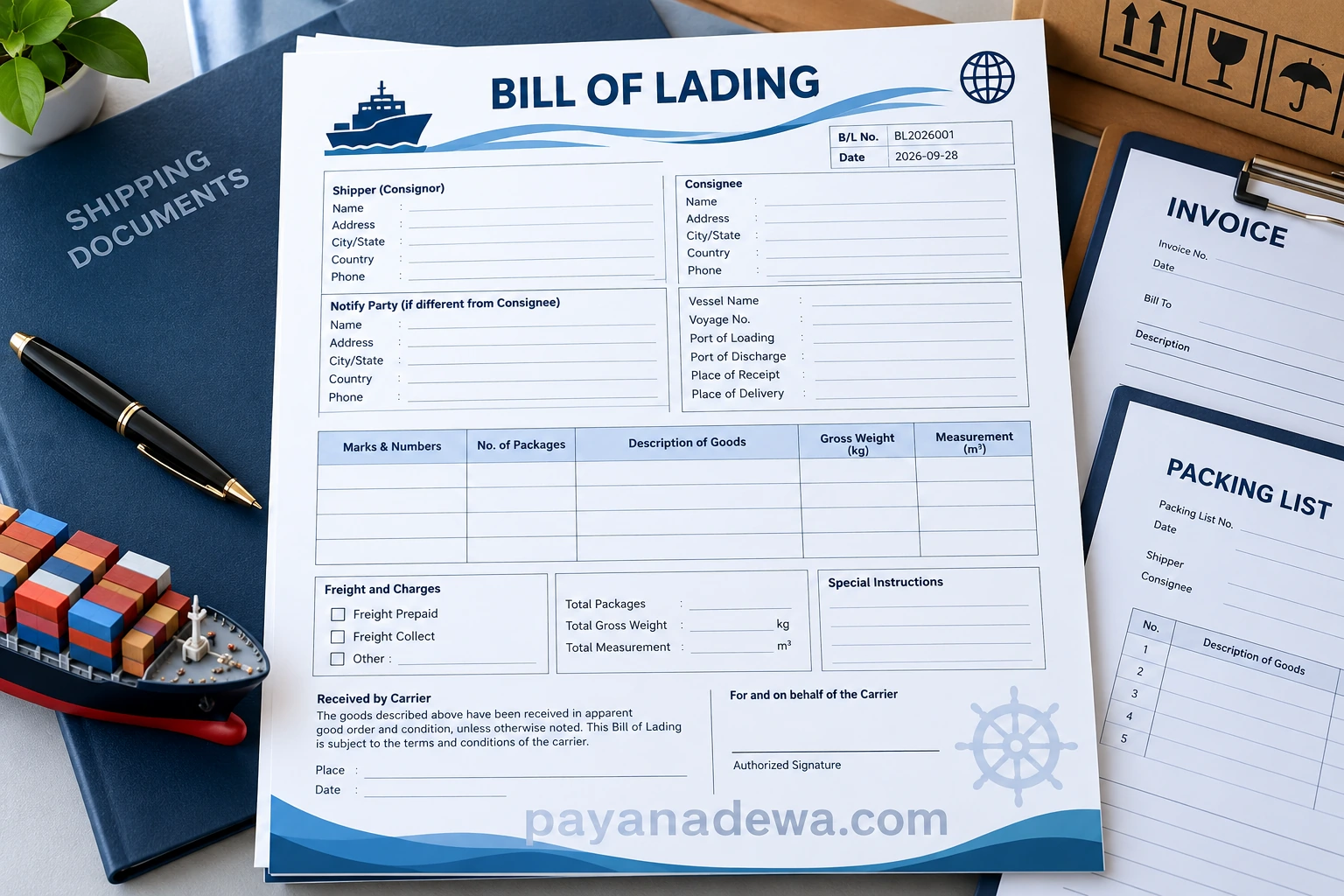
What Is a Bill of Lading?
A Bill of Lading, often called a BOL or B/L, is a document used in the transportation of goods. It contains information about the shipment and the parties involved in moving the cargo.
In many shipping arrangements, the document provides evidence that the carrier received the goods. It can also contain transportation terms and instructions. In certain situations, a Bill of Lading may have additional legal functions.
However, the exact legal effect depends on the type of document, the transportation agreement, and applicable laws. Therefore, businesses should always check the requirements that apply to their specific shipment.
Why Is a Bill of Lading Important?
Shipping involves several parties. For example, a shipment may involve a seller, buyer, carrier, freight forwarder, customs professional, and warehouse. Each party needs accurate information.
A Bill of Lading brings important shipment details together in one document. Therefore, it can make communication easier and help reduce documentation errors.
The document can also help businesses organize their shipping records. When information is recorded clearly, employees can find important details faster.
- It identifies the shipper and consignee.
- It records important cargo information.
- It provides transportation details.
- It can document freight arrangements.
- It supports organized shipping records.
- It helps different parties refer to consistent shipment information.
What Information Does a Bill of Lading Include?
The exact format can vary between carriers and transportation methods. However, most Bill of Lading forms contain several common sections.
Shipper Information
The shipper is the party sending the goods. The document usually includes the shipper’s name, address, contact information, and other relevant details.
Always check this information before completing the document. A small spelling or address error can create unnecessary communication problems.
Consignee Information
The consignee is the party designated to receive the shipment. The consignee section should contain accurate contact and delivery information.
If the notify party is different from the consignee, the document may also include a separate notify-party section.
Carrier Information
The Bill of Lading may identify the carrier responsible for transporting the goods. Depending on the shipment, it can also include vessel, voyage, or other transportation information.
Cargo Details
The cargo section describes the goods being transported. It can include several important details.
- Product or cargo description
- Number of packages
- Gross weight
- Measurements or volume
- Container number
- Marks and numbers
- Special handling information
Use clear and accurate descriptions. In addition, make sure the information matches other shipping documents whenever applicable.
Common Types of Bill of Lading
There are several types of Bills of Lading. The appropriate type depends on the transportation arrangement and the parties involved.
Ocean Bill of Lading
An Ocean Bill of Lading is used for maritime transportation. It can contain information about the vessel, voyage, ports, cargo, shipper, and consignee.
Ocean shipping may involve several documents. Therefore, businesses should follow the requirements provided by their carrier or shipping line.
Inland Bill of Lading
An inland Bill of Lading can be used for transportation by road or rail. It may contain information about the carrier, shipment, origin, destination, and cargo.
The exact fields can differ based on the carrier and transportation agreement.
House Bill of Lading
A House Bill of Lading is commonly issued by a freight forwarder or another intermediary in certain shipping arrangements.
It can contain shipment information related to the relationship between the intermediary and its customer.
Master Bill of Lading
A Master Bill of Lading is generally issued by the main carrier or shipping line. In some freight-forwarding arrangements, a master Bill of Lading can be used together with house Bills of Lading.
Bill of Lading vs. Other Shipping Documents
A Bill of Lading is only one part of a typical shipping document package. Other documents may also be required.
For example, a commercial invoice focuses on the commercial transaction. A packing list provides details about how the goods are packed. Meanwhile, a certificate of origin may provide information about where the goods originated.
- Bill of Lading: Provides transportation and shipment information.
- Commercial invoice: Provides commercial transaction and value information.
- Packing list: Describes packages and their contents.
- Certificate of origin: Documents the stated origin of goods when required.
These documents should contain consistent information. For example, product descriptions, quantities, weights, and addresses should be checked carefully.
How to Complete a Bill of Lading
Completing a Bill of Lading becomes easier when you prepare the necessary information first. Use reliable shipping records and compare the details before finalizing the document.
1. Enter the Shipper and Consignee
Start by entering the shipper and consignee information. Add the notify party when required.
Check company names, addresses, phone numbers, and other contact details. This simple review can prevent avoidable errors.
2. Add Transportation Details
Next, enter the relevant transportation information. Depending on the shipment, this may include the carrier, vessel, voyage number, port of loading, port of discharge, and final destination.
Use the information supplied by the carrier or logistics provider. Do not guess missing transportation details.
3. Describe the Goods
Enter a clear description of the cargo. Then add the number of packages, weight, measurements, marks, and other required information.
Make sure these details agree with the packing list and other relevant shipping records.
4. Add Freight Information
Complete the freight and charge section when applicable. For example, the document may identify whether freight is prepaid or collect.
Follow the carrier’s instructions when entering charges and payment information.
5. Review the Completed Document
Finally, review the entire document before submitting or issuing it.
Compare the Bill of Lading with the commercial invoice, packing list, purchase order, booking information, and carrier instructions. If you find an inconsistency, correct it before the shipment moves forward.
Benefits of Using a Bill of Lading Template
A Bill of Lading template provides a consistent structure for preparing shipping documents. It can be especially useful for businesses that process shipments regularly.
Instead of creating a new document from an empty page, employees can start with predefined sections. As a result, the process can become faster and more consistent.
Save Time
A reusable template reduces repetitive formatting work. Employees can focus on entering and checking shipment information instead.
Improve Organization
A structured layout makes important fields easier to find. This can help employees review documents more efficiently.
Reduce Common Errors
A standardized format can remind users to complete important sections. However, a template does not replace careful review. Every shipment should still be checked before the document is finalized.
Common Bill of Lading Mistakes to Avoid
Shipping documentation errors can cause delays and extra administrative work. Fortunately, many common mistakes are easy to prevent.
Incorrect Addresses
Incorrect shipper, consignee, or delivery information can create communication problems. Always verify the addresses before finalizing the document.
Inconsistent Cargo Information
The cargo description, package count, weight, and measurements should be checked against other shipping records.
Missing Information
Missing fields can make a document difficult to process. Before submission, review every required section.
Using the Wrong Form
Some carriers require their own Bill of Lading form. Therefore, check the carrier’s instructions before using a generic template.
Failing to Keep a Copy
Businesses should maintain appropriate records of completed shipping documents. A well-organized filing system makes it easier to find previous shipment information when needed.
Tips for Creating an Effective Bill of Lading
A good shipping document should be clear, accurate, and easy to review. The following tips can help.
- Use a clean and organized layout.
- Keep shipment information consistent.
- Use clear cargo descriptions.
- Verify weights and package quantities.
- Check addresses before submission.
- Follow carrier-specific instructions.
- Review the document before signing or issuing it.
- Keep completed copies in an organized location.
In addition, avoid adding unnecessary information. A simple document can be easier to read and review.
When Should You Use a Bill of Lading?
A Bill of Lading is commonly used when goods are transported by a carrier. The exact document requirements depend on the transportation method, carrier, contract, and applicable rules.
For this reason, businesses should confirm the required documentation before shipping goods. A carrier may have a specific form or electronic process that must be followed.
A generic Bill of Lading template can be useful for planning and recordkeeping. However, it should not automatically replace a carrier’s required document.
How to Choose a Bill of Lading Template
When selecting a template, focus on clarity and practical usability. The template should provide enough space for the information required by your shipping process.
Look for sections covering the shipper, consignee, carrier, transportation route, cargo description, package quantity, weight, measurements, freight charges, special instructions, and signatures.
It is also helpful to choose a template that can be printed or completed digitally. This flexibility can support different shipping workflows.
Final Checklist Before Using a Bill of Lading
Before submitting a completed Bill of Lading, perform a final review. A short checklist can make this process easier.
- Confirm the shipper information.
- Confirm the consignee information.
- Check the carrier information.
- Verify origin and destination details.
- Review the cargo description.
- Check package quantities.
- Verify weight and measurements.
- Review freight information.
- Check special instructions.
- Confirm signatures or authorization when required.
This final review takes only a few minutes. However, it can help identify mistakes before they become larger shipping problems.
Conclusion
A Bill of Lading is an important document for many shipping and freight operations. It organizes information about the shipment and helps the parties involved communicate clearly.
Understanding the main sections of a Bill of Lading can make shipping documentation easier. It is also useful to know the differences between a Bill of Lading, commercial invoice, packing list, and other transportation documents.
For businesses that handle shipments frequently, a Bill of Lading template can save time and improve consistency. However, accuracy remains essential. Always check the completed document against reliable shipment records and follow the requirements of the relevant carrier.
With a clear template and a simple review process, businesses can create more organized shipping documents and manage their transportation records more efficiently.