Consent Agreement Templates help people create clear records of permission and authorization. They can support research, schools, therapy, healthcare, photography, data collection, travel, events, and other activities. A good template tells the signer what they are agreeing to. It also identifies the people or organizations involved.
The best form is clear, specific, and easy to read. It should explain the purpose of consent in simple language. It should also show important conditions, dates, choices, and signatures. A template is only a starting point. The final document should match the actual activity and the rules that apply.
What Is a Consent Agreement Template?
What is a consent agreement template? It is a prepared document structure for recording permission or authorization. The template can include names, contact details, purpose, scope, dates, conditions, choices, signatures, and other relevant information.
The exact format depends on the situation. A research form may explain study procedures and participant rights. A school form may cover a trip or activity. A therapy form may explain services and confidentiality. A media form may cover photographs, video, or recordings.
Consent agreement templates make document preparation easier. They also help organizations use a consistent structure. However, users should review every section before signing or issuing the form. A general template may contain wording that does not fit a particular situation.
Why Clear Consent Forms Matter
A consent form does more than collect a signature. It records the information provided before a person makes a decision. Clear wording helps the signer understand the purpose, scope, and conditions of the consent.
Research guidance also treats informed consent as more than a signature. The U.S. Office for Human Research Protections describes informed consent as a process that involves communication and comprehension.
A structured form can also reduce missing information. This matters when many staff members use the same document. A standard structure gives everyone a common starting point.
- It explains the purpose of the consent.
- It identifies the relevant parties.
- It records important dates.
- It provides space for questions and contact details.
- It records the final decision and signature.
- It can support organized recordkeeping.
Key Parts of a Consent Form
A useful form should contain the information needed for the signer to understand the decision. The exact sections will vary. Still, several elements appear often in well-structured consent documents.
Purpose and scope
Start with a clear explanation of the activity. Tell the signer what the consent covers. Avoid broad statements when a specific description is possible.
For example, a photo consent form can explain where the image may appear. A data consent form can identify the information collected. A research form can describe the study and expected participation.
People and organizations involved
Identify the person giving consent. Then identify the organization or person receiving the authorization. Include contact information when the signer may need to ask questions.
Use consistent names throughout the document. Do not switch between different terms for the same party unless the distinction has a specific purpose.
Duration and dates
State the relevant dates when the consent has a defined period. If the authorization continues until a particular event, explain that condition clearly.
Dates can also help with recordkeeping. They show when the document was signed and which version was used at that time.
Risks, benefits, and alternatives
These sections matter most when the activity has meaningful risks or benefits. Research consent documents often require information about foreseeable risks and potential benefits. Federal research rules also identify several elements that may be required in informed consent.
Do not add generic claims. Describe only information that is relevant to the actual activity.
Privacy and confidentiality
If personal information is collected, explain how it will be handled. The form can identify the information collected and the purpose for collecting it. It can also explain relevant access, sharing, storage, or retention practices.
Make sure the document matches the organization’s real process. Do not promise a privacy practice that the organization does not follow.
Signature and date
The signature section should identify the person giving consent. Include the date of signing. Additional signatures may be needed in certain settings.
Research institutions may have specific rules for participants, parents, guardians, representatives, witnesses, or staff who obtain consent. Always follow the process that applies to the activity.
Consent Agreement Templates for Research
Consent agreement templates for research should explain the study in language that participants can understand. The form may describe the purpose, procedures, duration, risks, benefits, confidentiality, voluntary participation, and contact information.
Research institutions may provide different forms for adults, parents, children, or specific study types. Duke University, for example, provides consent form templates through its institutional research process.
Do not use a general template without checking the study requirements. The consent document should match the approved research protocol and the review process used by the responsible institution.
Research information should be easy to follow
Break complex information into short sections. Explain technical terms when participants need them. Keep the description of procedures in a logical order.
A participant should be able to understand what will happen before reaching the signature section. The form should not rely on the signature to communicate important information.
Consent Agreement Templates for Minors
Consent agreement templates for minors require special attention. The correct process depends on the activity, age of the child, location, and applicable rules.
Consent agreement templates for minors may need information about the child and the parent or guardian. Research settings can also involve child assent. U.S. research guidance distinguishes parent or guardian permission from the child’s assent.
Do not assume that one form works for every minor-related situation. School trips, medical care, research, travel, sports, and media activities can have different requirements.
Consent Agreement Templates for Schools
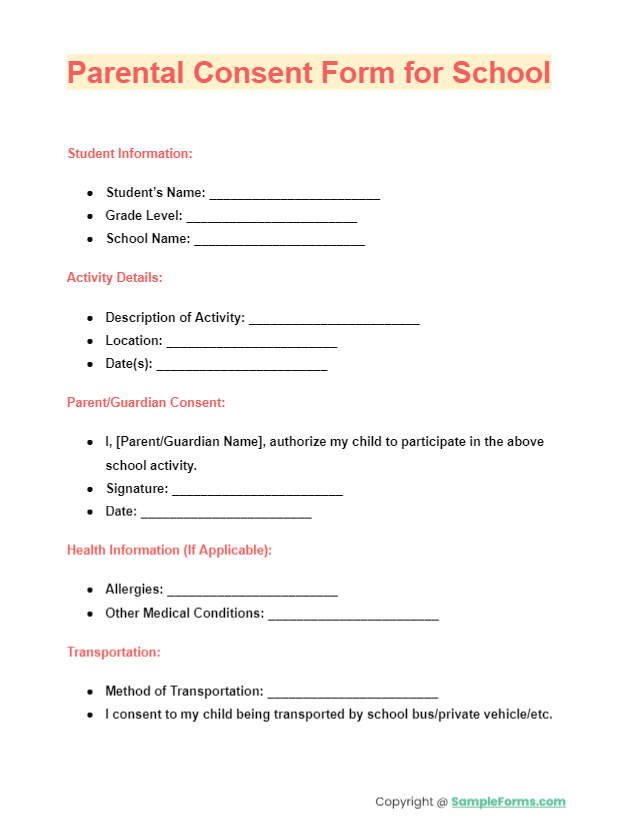
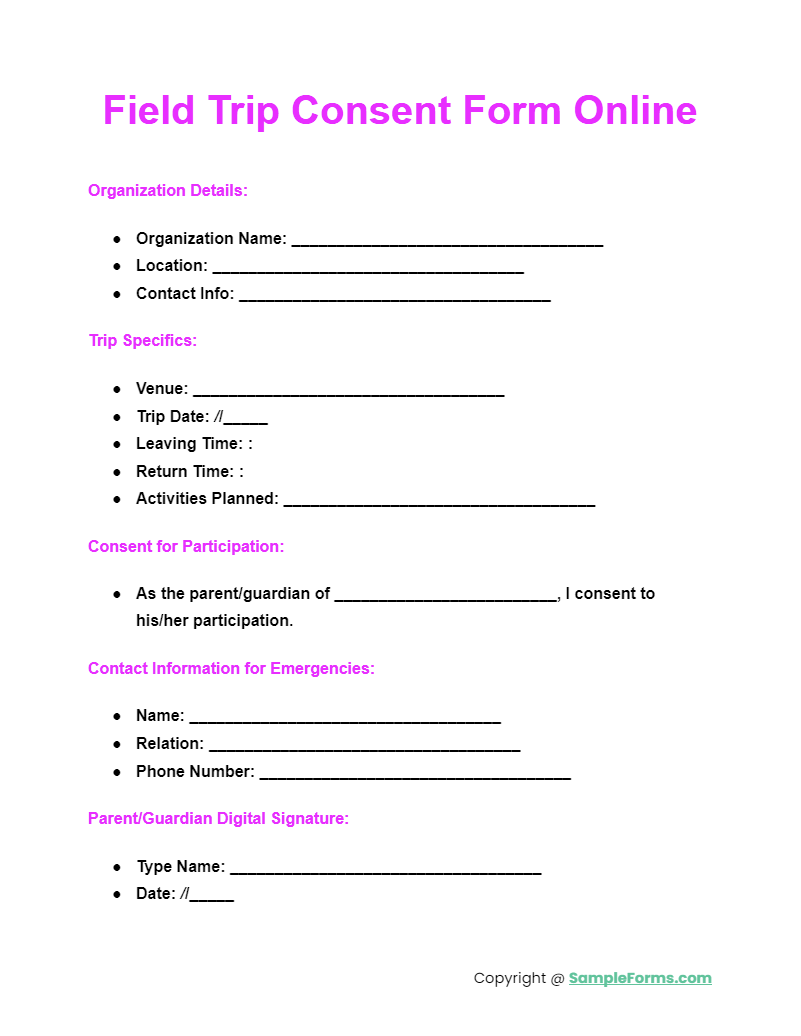
Consent agreement templates for schools can support field trips, sports, extracurricular activities, photography, transportation, and other programs. The form should explain the activity before requesting permission.
A school form may include the student’s name, grade, activity, location, dates, emergency contact, transportation information, and parent or guardian signature.
Keep school forms specific
A trip form should focus on the trip. A photography form should explain image use. A sports form should describe the relevant activity. Avoid copying unrelated fields from another document.
Short instructions also help parents and guardians complete forms faster. Place related fields together. Use clear labels. Leave enough space for handwritten information when the form will be printed.
Consent Agreement Templates for Therapy
Consent agreement templates for therapy can explain the nature of services, confidentiality, communication methods, session arrangements, and client acknowledgment.
The form should use language that clients can understand. Separate service information from privacy information. Make the provider’s contact details easy to find.
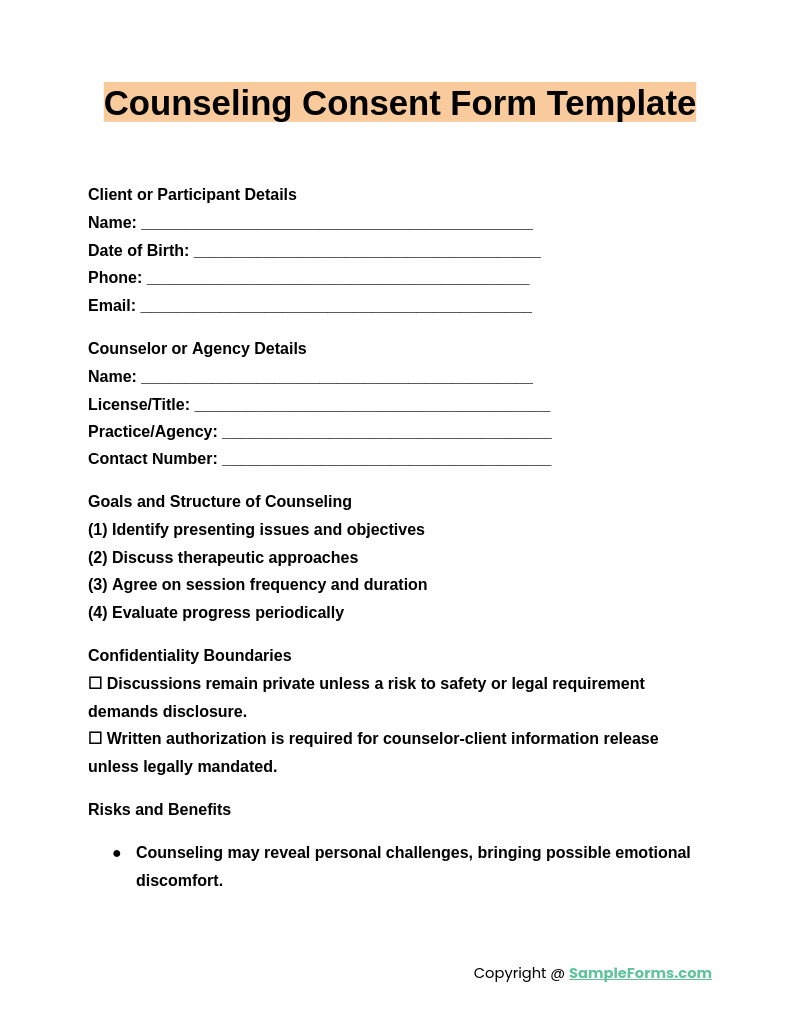
Make therapy information clear
If the document discusses communication outside sessions, explain the available methods. If it includes cancellation conditions or fees, make those terms easy to locate.
Professional standards can vary by location and profession. Review the final document against the requirements that apply to the provider.
Medical and Treatment Consent
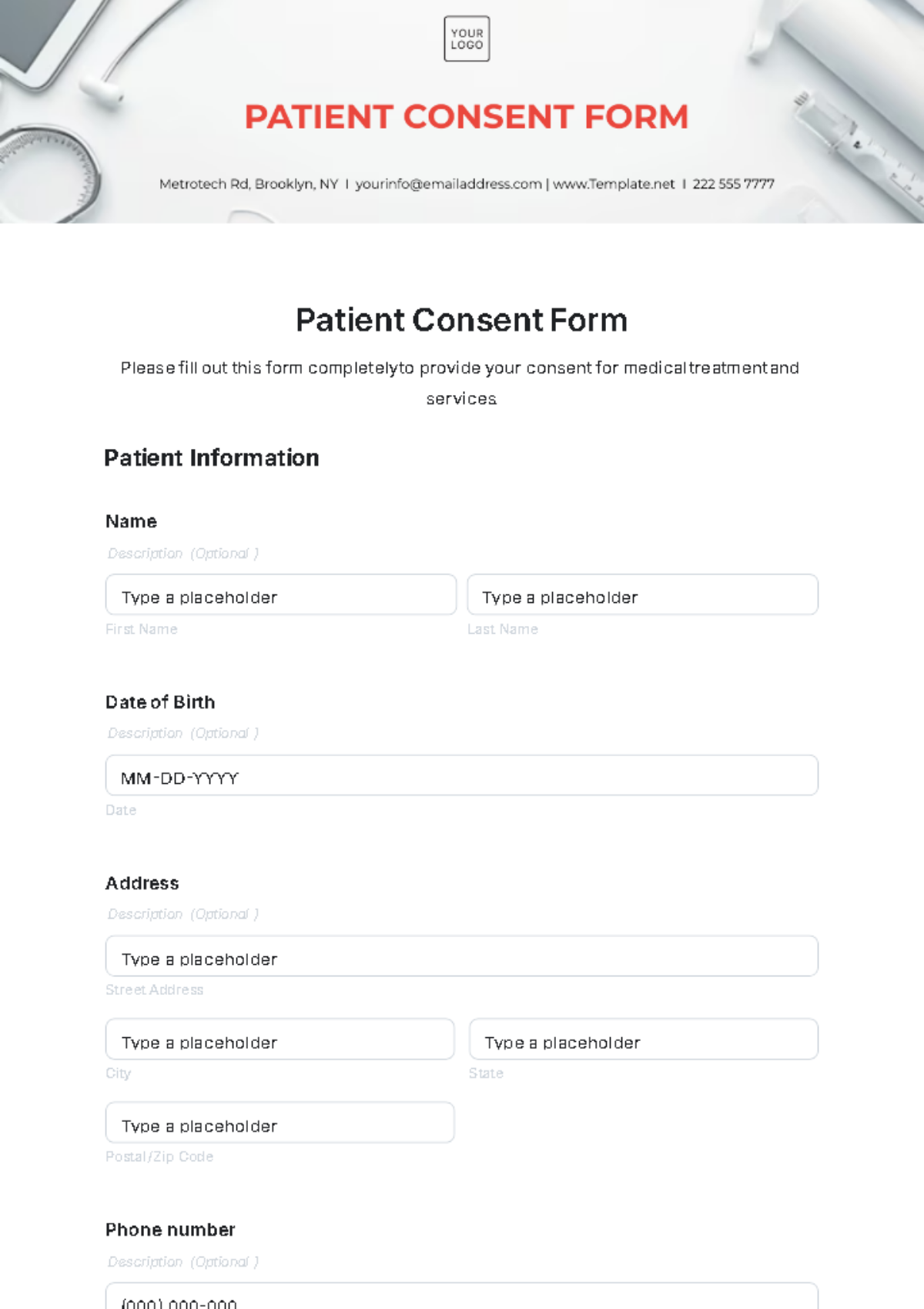
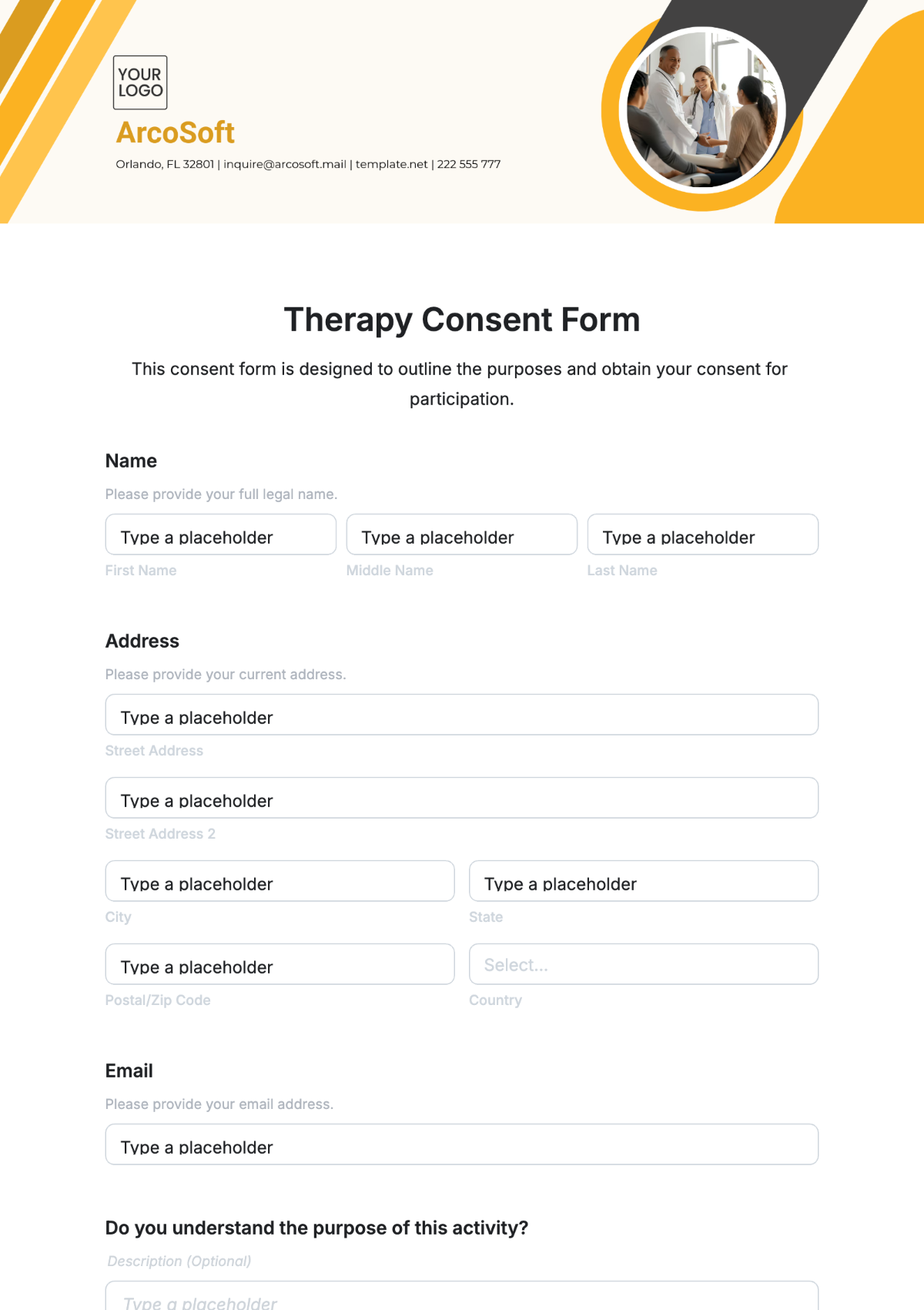
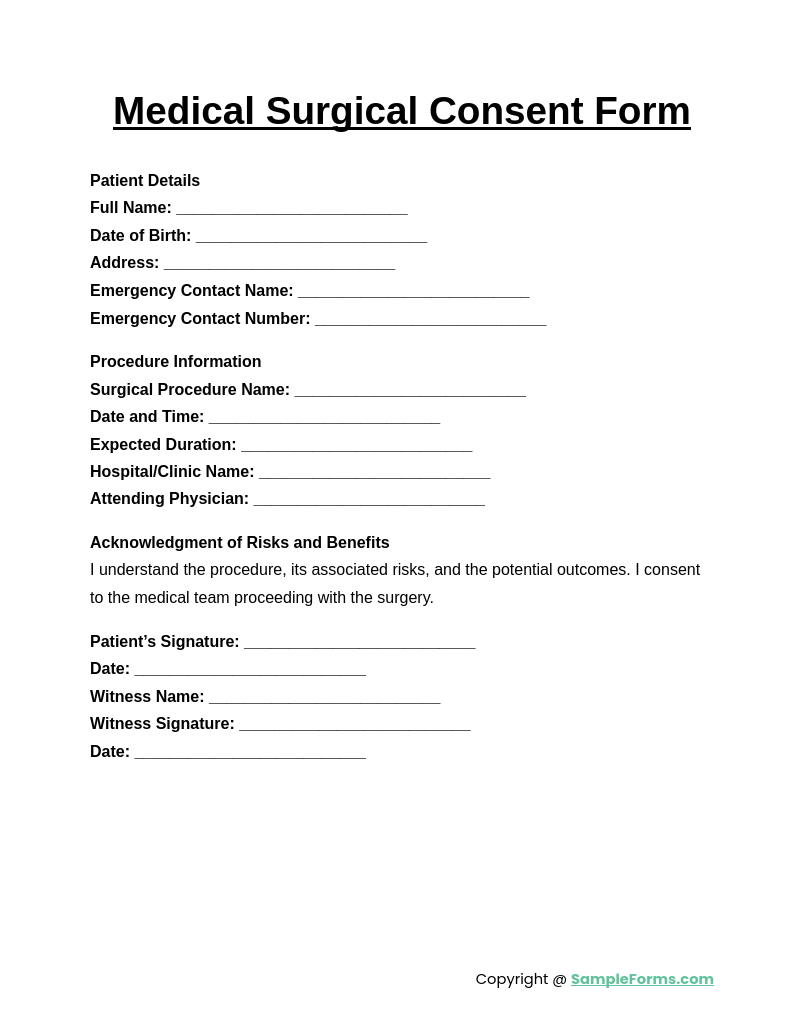
Medical consent forms may describe treatment, procedures, risks, benefits, alternatives, and patient information. The document should support communication between the healthcare professional and patient.
A signature should not replace a proper explanation of the treatment. The patient should have an opportunity to ask questions before signing.
For procedures with significant risks, the form should use precise language. Avoid vague statements. Describe the procedure or service that the consent actually covers.
Photography, Video, and Media Consent
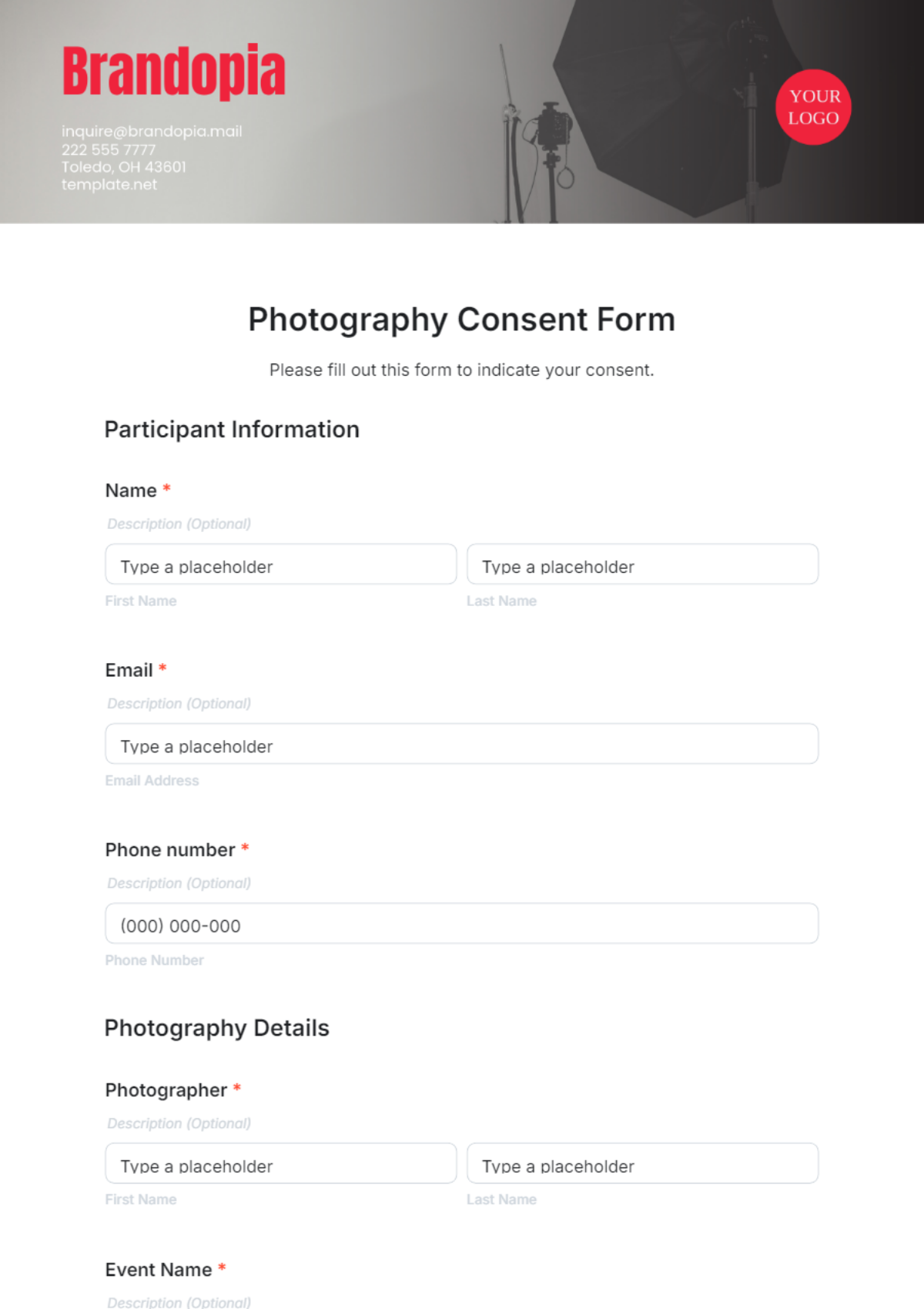
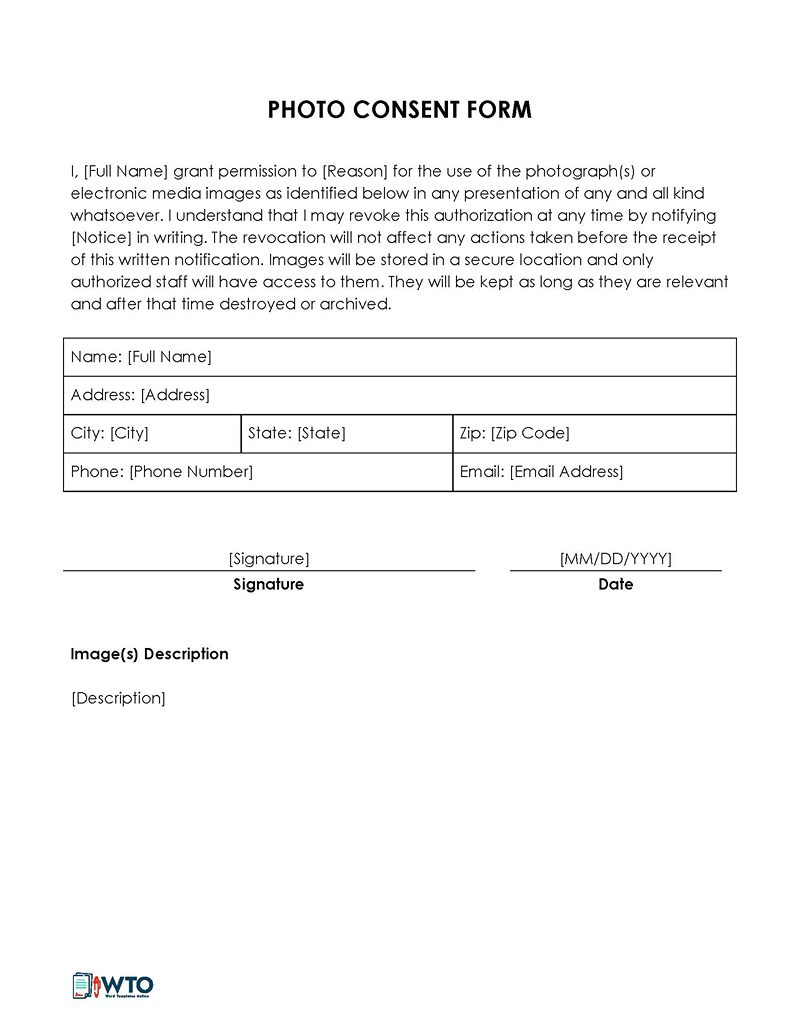
Media consent documents can cover photographs, video, audio recordings, or other recorded material. The form should explain what will be recorded and how the material may be used.
When several uses are possible, separate choices can improve clarity. For example, internal use and public promotional use may be presented as different options when appropriate.
A media form should also identify the person or organization receiving permission. Include a contact method when questions about the recording may arise later.
Data Collection Consent
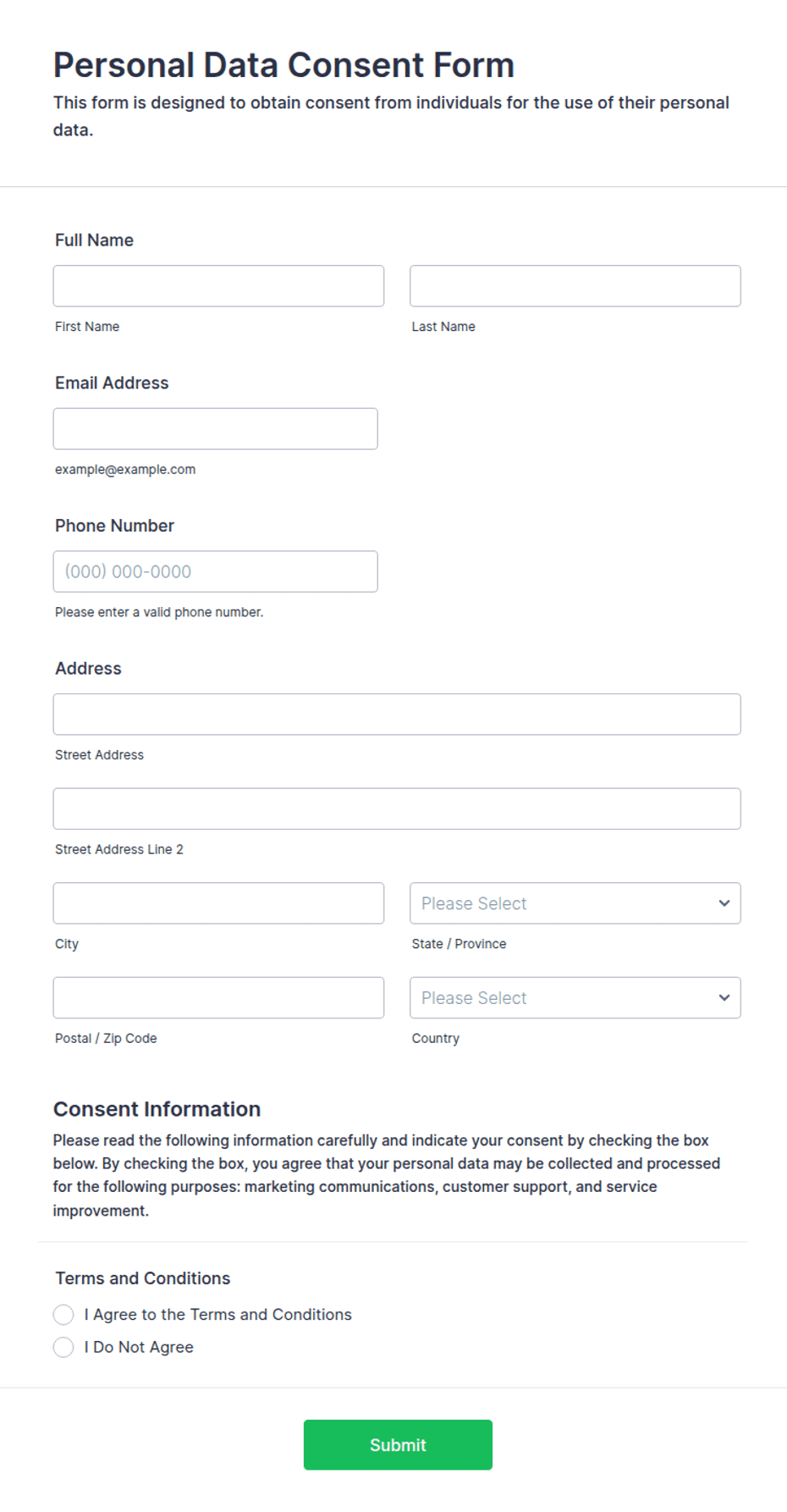
Data consent forms should explain what information is collected and why. They should match the organization’s actual data practices.
When appropriate, explain storage, sharing, retention, access, and withdrawal procedures. Use separate choices when the form covers different purposes.
Separate required and optional choices
Some information may be required to provide a service. Other information may be optional. Keeping those choices separate can help the signer understand what each decision means.
Word and PDF Formats
Consent agreement templates free download searches often focus on editable files and ready-to-use documents. The file source is only one consideration. Users should also check the wording, structure, purpose, and suitability of the form.
Consent agreement templates free may provide a useful starting point. However, the form still needs review. A visually polished document can contain unsuitable wording or missing sections.
Consent agreement templates pdf can be useful when a fixed version is needed for printing or records. Can a consent agreement be printed as a PDF? Yes, a document can generally be converted into PDF format. The file format itself does not determine whether the content meets a particular legal or institutional requirement.
A consent agreement template word file can be useful during editing. Consent agreement templates word can also support internal review before a final version is issued.
Blank and Printable Consent Forms
A blank consent form template gives users a clean structure to customize. Before using it, remove fields that do not apply. Then add the information needed for the actual activity.
Searches for free printable consent forms pdf usually indicate a need for a printable document. Free consent forms printable can be convenient, but convenience should not replace careful review.
Read the finished form from the signer’s perspective. Ask whether the purpose is clear. Check whether the scope is specific. Make sure the signature section matches the person who should provide consent.
Notary and Consent Documents
A notary may be relevant to certain documents. However, notarization is not automatically required for every consent form.
A notary agreement template for consent form should be considered only when the transaction, organization, or applicable rule calls for notarized execution. Notarization concerns the formal signing process. It does not replace the need for clear consent language.
How to Customize a Consent Template
Start with the purpose. Write one clear sentence that explains what the signer is being asked to authorize.
Next, identify the parties. State who gives consent and who receives it. Then describe the activity in enough detail for the signer to understand the decision.
After that, add the relevant conditions. These may include dates, risks, benefits, privacy information, communication details, or withdrawal instructions.
Finally, review the signature section. Make sure the signer has the correct role. Include the date and any additional fields required by the specific process.
Common Mistakes to Avoid
Many consent forms become difficult to use because they contain too much information or use unclear wording. A good form should be detailed enough to explain the decision without adding unrelated material.
- Unclear purpose: State exactly what the consent covers.
- Broad language: Use specific descriptions where possible.
- Missing dates: Add relevant dates or duration.
- Missing contacts: Give the signer a way to ask questions.
- Mixed permissions: Separate unrelated choices when appropriate.
- Wrong signer: Confirm who has authority to provide consent.
- Outdated wording: Review the document when the process changes.
- Excessive jargon: Replace complex wording with plain language.
How to Improve Readability
Readability can improve when each paragraph contains one main idea. Short sentences also make important information easier to follow.
Use headings to divide major subjects. Use lists for several related items. Avoid placing many separate conditions into one long paragraph.
Choose familiar words when possible. Explain technical terms when they are necessary. Do not remove important information simply to make the document shorter.
Research consent guidance also supports understandable language. The information provided to participants should be presented in language they can understand.
Version Control and Recordkeeping
Version control helps organizations identify which form was used. Add a version date or identifier when documents change regularly.
Keep the signed form with the related record. Follow the organization’s rules for storage, access, retention, and disposal.
Electronic consent can also be used in some settings. The process should preserve the important information provided to the signer and maintain reliable records. Research guidance recognizes electronic signatures in certain circumstances when applicable requirements are met.
Practical Solution
Begin by choosing a template that matches the real purpose. Do not select a research form for a school activity just because its design looks professional.
Next, replace generic wording with accurate details. State who requests consent, what will happen, what information is involved, and how long the authorization applies.
Then review every statement. Make sure the document describes the actual process. Check every date, name, contact detail, and condition.
Read the document as if you were the signer. Ask whether the purpose is obvious. Check whether important information is easy to find. Make sure the signature section matches the decision being recorded.
For research, compare the form with the approved study materials. For schools, compare it with the activity and school procedures. For therapy, compare it with professional requirements. For minors, verify the correct permission process.
For data collection, compare every privacy statement with actual data practices. For media consent, check that the intended uses are described accurately.
Finally, keep the final version under document control. Record the version used. Store signed forms securely. Review the template when the activity or requirements change.
This workflow also applies to consent agreement templates free download resources and consent agreement templates free resources. The source of a template does not make it suitable by itself. The final wording and process determine whether it fits the intended use.
When Professional Review Is Appropriate
Some consent documents involve important legal, medical, privacy, research, or regulatory issues. In these situations, professional review can help identify missing requirements and unclear language.
Review is especially useful when a form concerns minors, sensitive health information, complex data practices, research participants, liability releases, or cross-border activities.
Final Review Checklist
Before issuing a consent form, review the document from beginning to end. Confirm that every section matches the actual activity.
- Check the title.
- Check the purpose.
- Check the parties.
- Check the scope.
- Check dates and duration.
- Check risks and benefits when relevant.
- Check privacy information when relevant.
- Check withdrawal information when applicable.
- Check contact details.
- Check the signer.
- Check signatures and dates.
- Check the document version.
Reference Examples
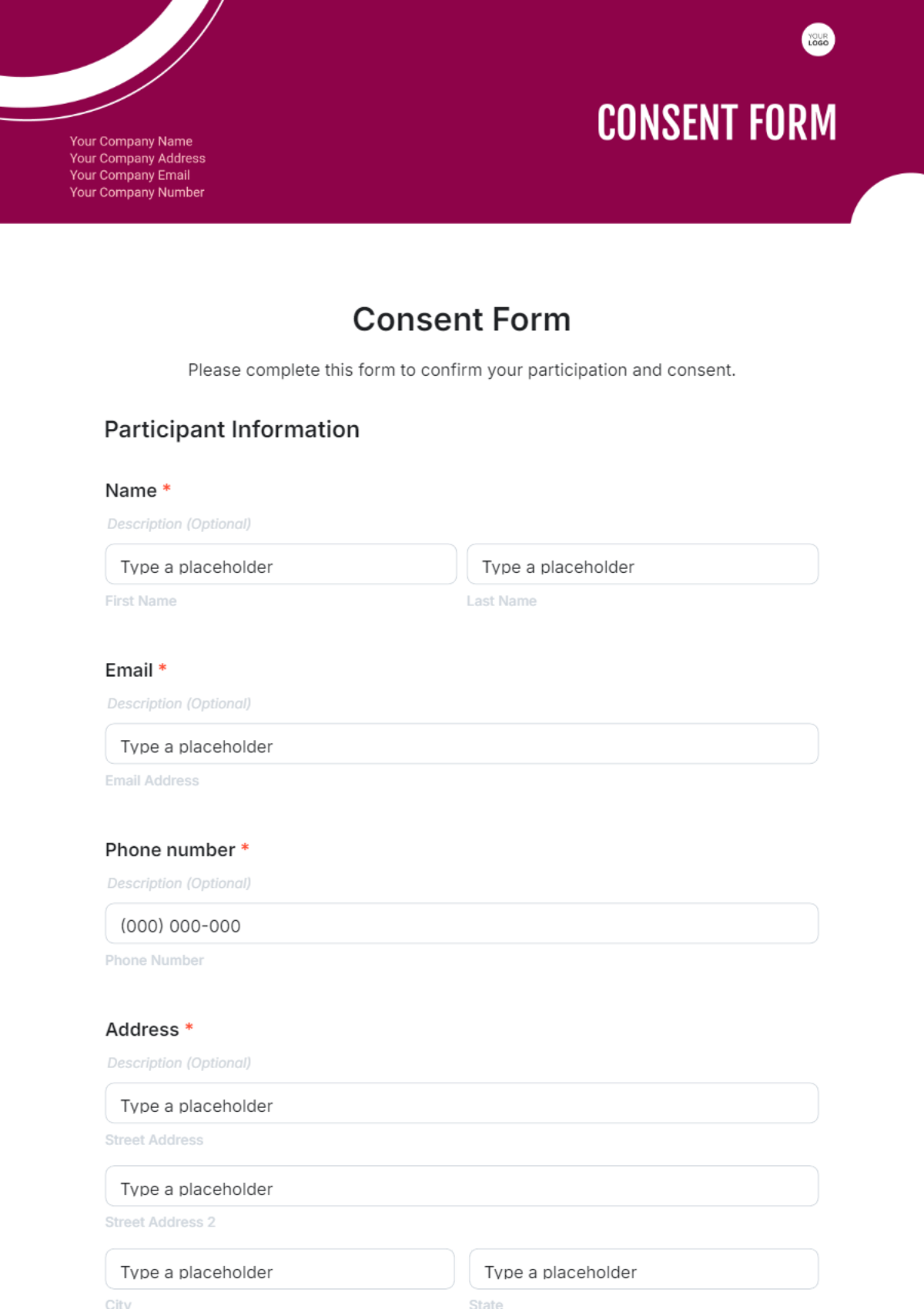
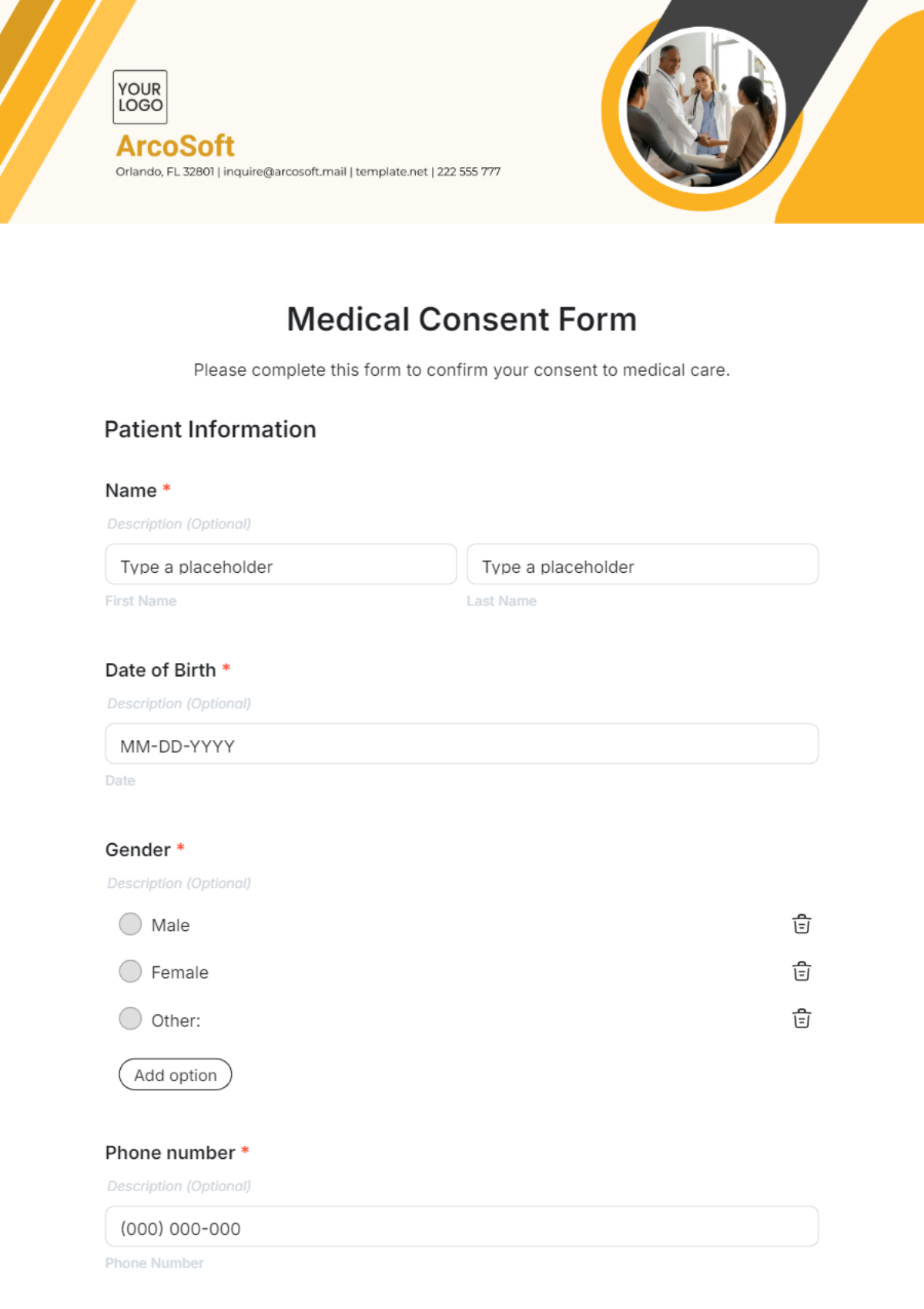
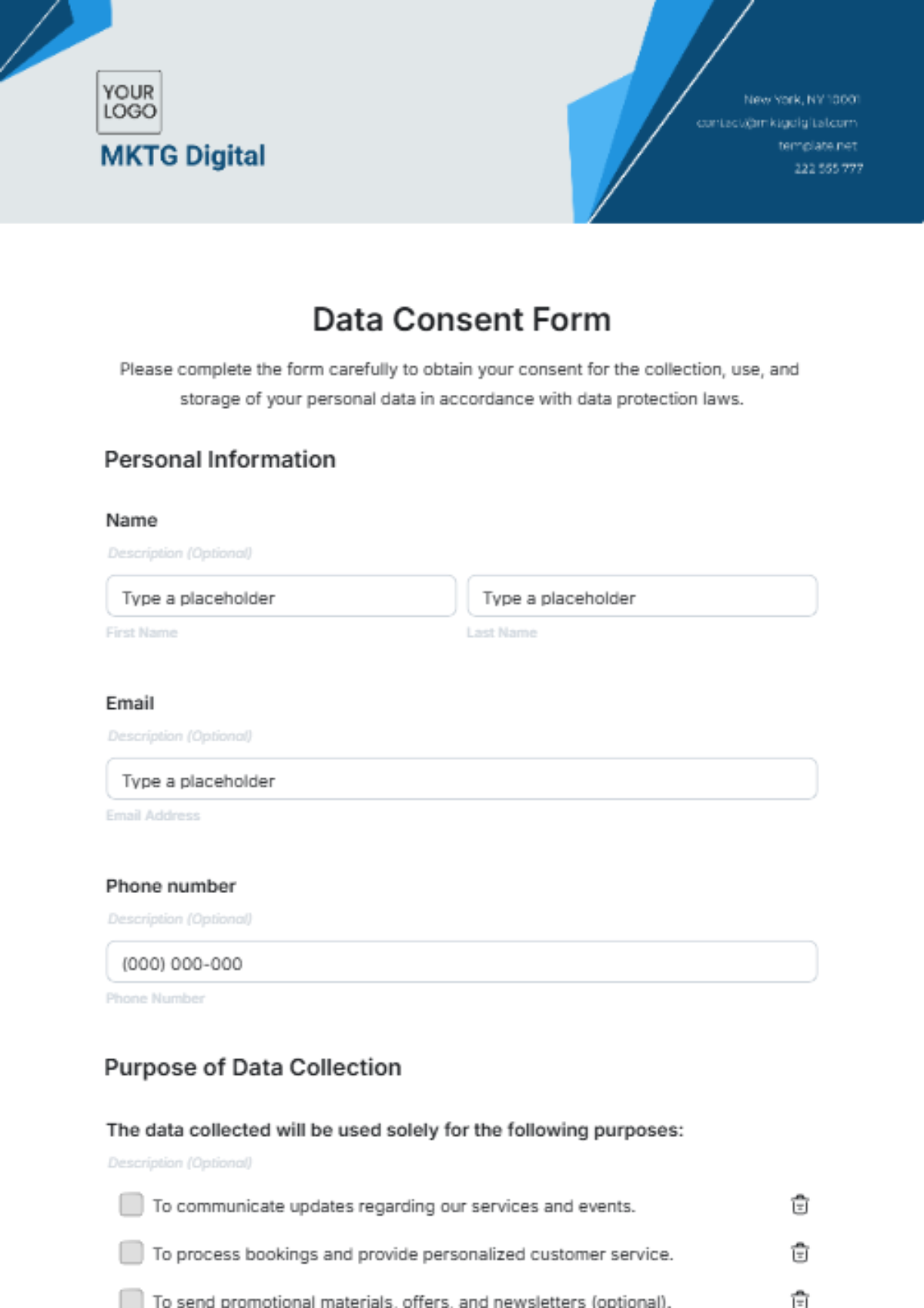
Consent Agreement Templates can use different layouts because each consent process has different information needs. A research form may focus on study details and participant rights. A school form may emphasize student information, activities, dates, and guardian authorization. A medical form may organize treatment information, risks, and signatures. A data form may focus on collection purposes and privacy choices. These differences make visual references useful when choosing a starting structure. The design should support understanding rather than simply look formal or complicated.
The examples below show several consent document styles. They can help readers recognize useful patterns in headings, information fields, authorization statements, choices, dates, and signature areas. Use these examples as visual references rather than as universal legal documents. The final wording should always match the actual activity, the parties involved, and any applicable institutional, professional, or jurisdictional requirements.
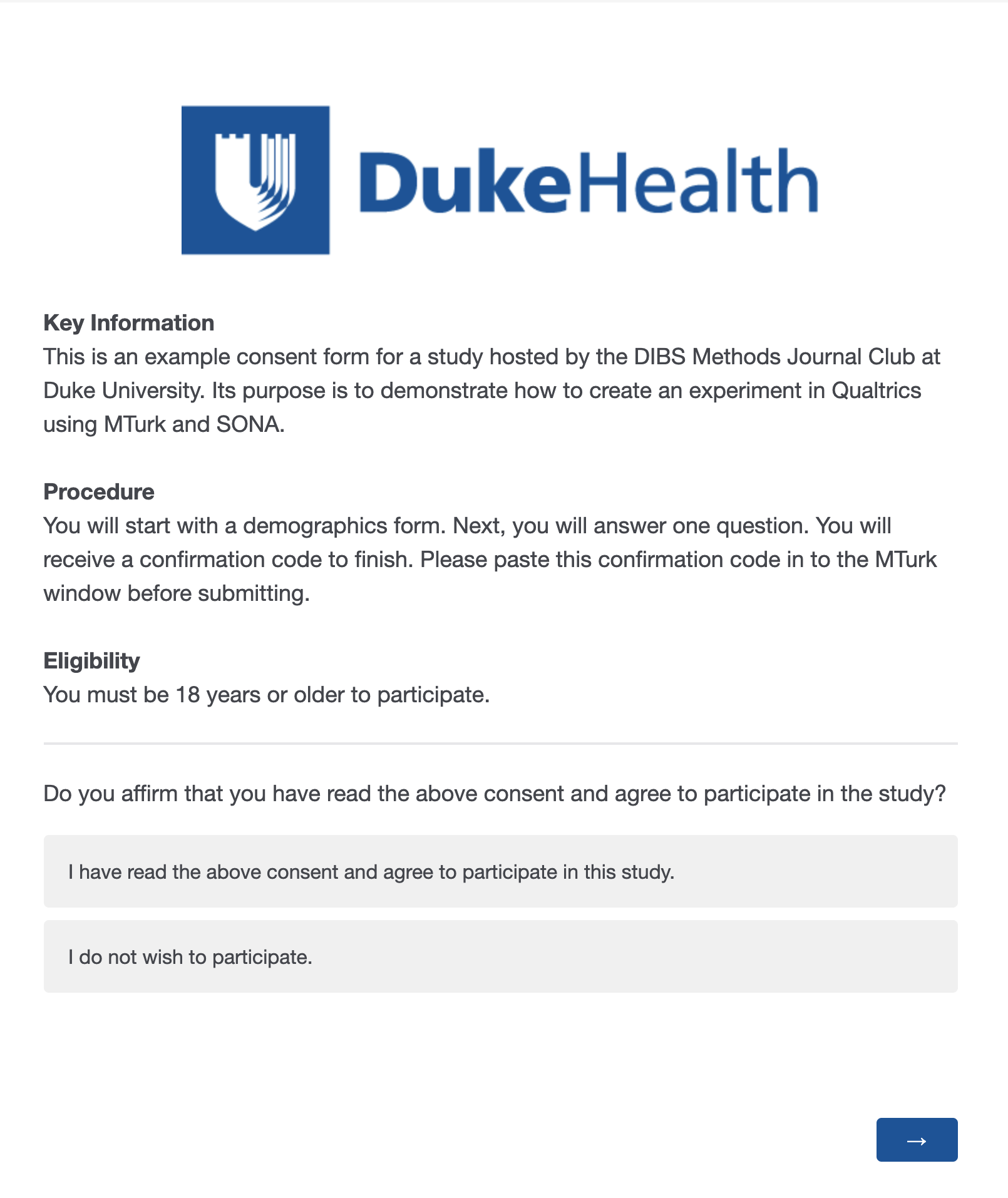
DukeHealth Online Study Consent Form
Source: Duke Institute for Brain Sciences Methods Meetings
Photo Consent Form Template
Source: WordTemplatesOnline