An exam is an important part of education, professional development, and personal growth. Whether you are a student preparing for a school test, a college examination, or a professional certification, understanding how exams work and how to prepare effectively can make a significant difference in your results. With the right study techniques, a realistic schedule, and a positive mindset, you can approach any examination with greater confidence.
Preparing for an exam is not simply about memorizing information. It involves understanding important concepts, practicing questions, managing your time, and developing effective test-taking strategies. This guide explains everything you need to know about exams, including preparation methods, useful study habits, examination tips, and ways to improve your performance.
What Is an Exam?
An exam, also known as an examination or test, is a formal assessment designed to measure a person’s knowledge, understanding, skills, or abilities in a particular subject. Exams are commonly used in schools, universities, training institutions, and workplaces to evaluate learning progress and determine whether someone has achieved specific objectives.
Examinations can take different forms depending on the subject, educational level, and purpose of the assessment. Some require written answers, while others involve practical demonstrations, oral responses, or online activities.
Common Types of Exams
Understanding different examination formats helps you choose the most appropriate preparation strategy.
- Multiple-choice exams: Students select the correct answer from several available options.
- Essay exams: Candidates demonstrate their knowledge through detailed written explanations and arguments.
- Short-answer exams: Students provide brief and specific responses to questions.
- Oral examinations: Candidates answer questions verbally and demonstrate their understanding through discussion.
- Practical exams: Participants demonstrate their abilities through hands-on tasks or real-world activities.
- Online exams: Assessments are completed using digital platforms, computers, or other electronic devices.
Why Are Exams Important?
Exams play an important role in measuring academic progress and evaluating how effectively students understand the material they have studied. Although examinations can sometimes feel stressful, they offer several benefits that support learning and personal development.
1. Measuring Knowledge and Understanding
One of the main purposes of an exam is to determine how well someone understands a particular subject. Examination results can reveal which topics have been mastered and which areas require additional attention.
2. Developing Critical Thinking Skills
Many examinations require students to analyze information, solve problems, compare ideas, and make logical decisions. These activities help develop critical thinking skills that are valuable in education and everyday life.
3. Building Discipline and Responsibility
Preparing for an examination encourages students to organize their schedules, establish priorities, and take responsibility for their learning. These habits can also improve productivity in future academic and professional activities.
4. Creating Educational Opportunities
Examination results are often used for school admissions, scholarships, university applications, and professional qualifications. Achieving good results can create opportunities for further education and career development.
How to Prepare for an Exam Effectively
Successful exam preparation begins with a clear plan. Instead of waiting until the last minute, divide your study material into manageable sections and work through them consistently. A structured approach makes studying more productive and helps reduce unnecessary pressure.
1. Understand the Exam Format
Before studying, find out what type of examination you will take. Check the subjects, topics, question formats, time limits, and assessment requirements.
Knowing what to expect helps you focus on the most relevant material and avoid spending too much time studying information that is unlikely to appear in the examination.
2. Create a Realistic Study Schedule
A study schedule helps you organize your preparation and maintain consistency. Divide your available time according to the difficulty of each subject and the amount of material you need to review.
Consider these practical scheduling tips:
- Set a specific study time for each subject.
- Prioritize difficult topics that require more attention.
- Include short breaks between study sessions.
- Schedule regular revision to strengthen your memory.
- Leave additional time for practice examinations.
3. Use Effective Study Techniques
Reading the same material repeatedly is not always the most effective way to learn. Active study techniques encourage your brain to retrieve and apply information rather than simply recognize familiar words.
Some useful techniques include:
- Active recall: Test yourself by answering questions without looking at your notes.
- Spaced repetition: Review important information at gradually increasing intervals.
- Mind mapping: Organize related concepts into visual diagrams.
- Practice questions: Solve sample problems to understand how knowledge is applied.
- Teaching method: Explain difficult concepts in your own words as if teaching another person.
4. Prepare Your Study Materials
Keep your textbooks, notebooks, worksheets, revision guides, and practice questions organized. Having everything available in one place saves time and makes it easier to review important topics.
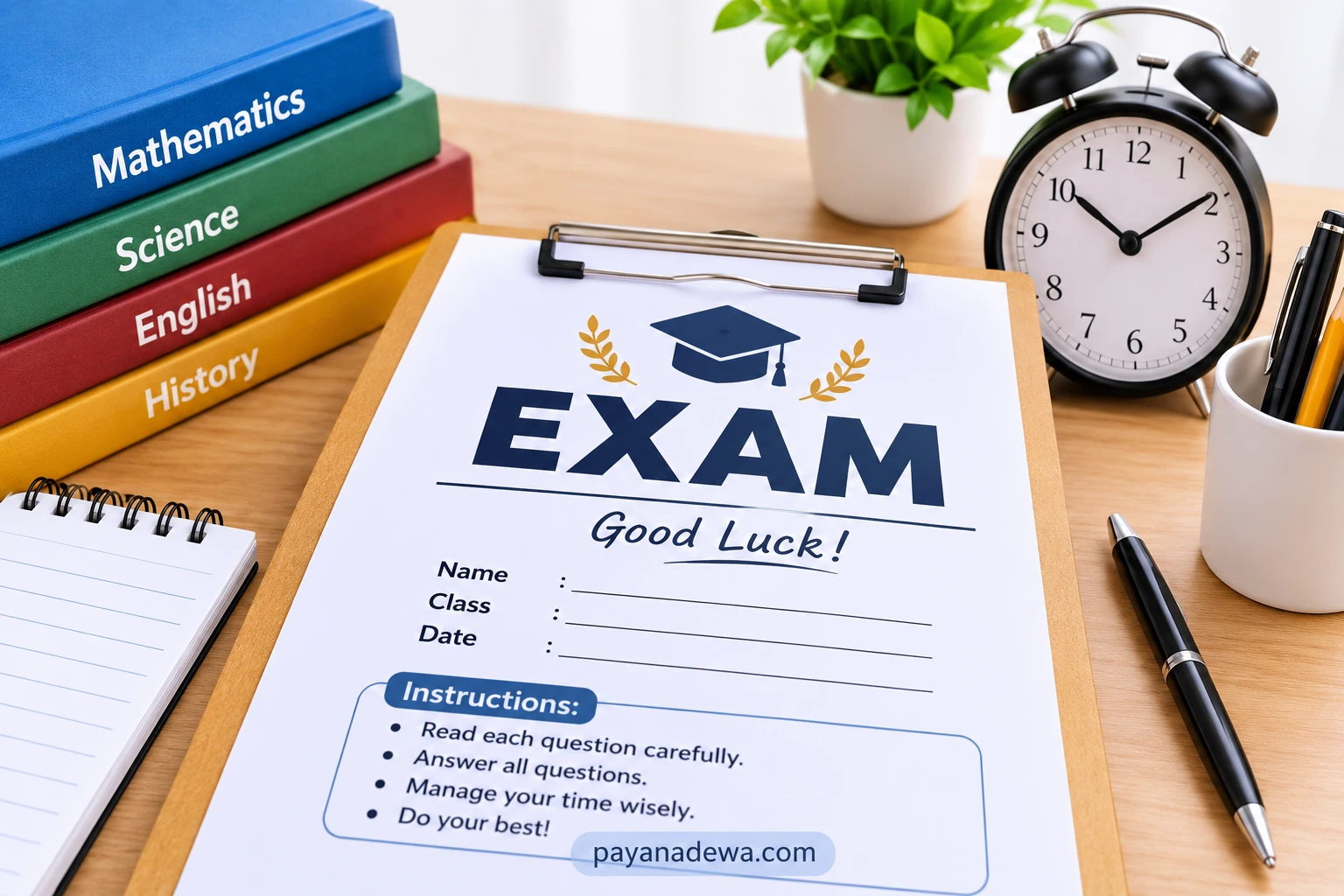
You can also use a printable exam preparation template to record important information, organize your revision schedule, and monitor your progress.
Essential Exam Tips for Better Results
Good preparation is important, but the way you approach the actual examination also matters. Applying a few simple strategies can help you manage your time, understand questions, and avoid common mistakes.
Read Every Question Carefully
Take a moment to understand what each question is asking before writing your answer. Pay attention to important words such as explain, compare, describe, calculate, and identify. These instructions indicate the type of response expected.
Manage Your Examination Time
Check the total examination time and estimate how long you should spend on each section. Avoid spending too much time on one difficult question while leaving easier questions unanswered.
Answer Questions Strategically
If the examination allows you to choose the order of questions, consider answering the questions you understand first. This approach can help build confidence and ensure that you collect available marks before returning to more challenging problems.
Review Your Answers
If time permits, review your responses before submitting the examination. Check calculations, spelling, grammar, missing answers, and whether your responses follow the instructions.
How to Reduce Exam Stress and Anxiety
Feeling nervous before an examination is normal. However, excessive stress can make it difficult to concentrate and remember information. Developing healthy habits before an exam can help you feel more prepared and relaxed.
Get Enough Sleep
Sleep supports memory, concentration, and mental performance. Avoid staying awake all night to study because sleep deprivation can make it harder to understand questions and maintain focus during an examination.
Eat Healthy Meals and Stay Hydrated
Maintain balanced meals and drink enough water throughout your preparation. Choose foods that provide sustained energy and avoid relying excessively on sugary snacks or caffeinated drinks.
Practice Relaxation Techniques
Simple activities such as deep breathing, stretching, walking, or taking short breaks can help reduce tension. Give yourself enough time to rest between study sessions.
Focus on Preparation Instead of Perfection
Remember that an examination is an opportunity to demonstrate what you have learned. Focus on doing your best rather than worrying about achieving a perfect score. A realistic and positive mindset can make the examination experience more manageable.
What to Bring on Exam Day
Preparing your examination materials the night before can prevent unnecessary stress and help you arrive on time. Always check the specific instructions provided by your school, university, or examination organization.
Depending on the examination requirements, your checklist may include:
- Valid student identification or examination admission card.
- Required pens, pencils, erasers, and other stationery.
- Approved calculators or other permitted equipment.
- Water and permitted personal necessities.
- Relevant documents requested by the examination organizer.
- A printed examination schedule or personal checklist.
Arrive early enough to find your examination room, organize your materials, and follow any instructions from the examination supervisor.
Common Exam Preparation Mistakes to Avoid
Even hardworking students can make mistakes that reduce the effectiveness of their preparation. Recognizing these habits early can help you improve your study routine.
- Last-minute studying: Trying to learn everything shortly before an exam can increase stress and reduce retention.
- Ignoring difficult topics: Avoiding challenging subjects can leave important knowledge gaps.
- Studying without breaks: Long sessions without rest can reduce concentration and productivity.
- Only reading notes: Passive reading does not always provide enough practice for answering examination questions.
- Neglecting instructions: Failing to understand examination rules can lead to avoidable mistakes.
- Not reviewing mistakes: Ignoring incorrect practice answers means missing valuable learning opportunities.
Improving your examination performance does not require studying every hour of the day. Consistent preparation, effective techniques, and good time management are often more valuable than exhausting study sessions.
How to Evaluate Your Exam Performance
After completing an examination, take time to evaluate your performance. When results become available, review your strengths and identify topics that need improvement.
Ask yourself the following questions:
- Did I understand the examination instructions?
- Which questions were the most challenging?
- Did I manage my time effectively?
- Which topics should I review more thoroughly?
- What study techniques worked best for me?
Use these reflections to improve your preparation for future assessments. Every examination provides an opportunity to learn, develop stronger study habits, and become more confident.
Conclusion
An exam is more than just a test of academic knowledge. It is an opportunity to demonstrate understanding, develop problem-solving abilities, and build valuable skills for future success. With proper preparation, an organized study schedule, effective learning techniques, and a healthy mindset, you can approach examinations with greater confidence.
Start preparing early, practice regularly, review your mistakes, and take care of your physical and mental well-being. Whether you are preparing for a school test, university examination, or professional certification, the right strategy can make your learning experience more productive.
Use a printable exam template to organize important examination details and keep your preparation on track. Visit payanadewa.com for useful templates and resources that can support your learning and everyday productivity.