Whether you are celebrating Eid Al Adha for the first time or looking for ways to make your annual celebration more meaningful, understanding its history, traditions, and significance can help you appreciate this special occasion. From the morning Eid prayer to the Qurbani sacrifice and family gatherings, every tradition carries an important spiritual message.
In this guide, you will discover what Eid Al Adha means, why Muslims celebrate it, how the holiday is observed, and practical ways to prepare for a peaceful and memorable celebration.
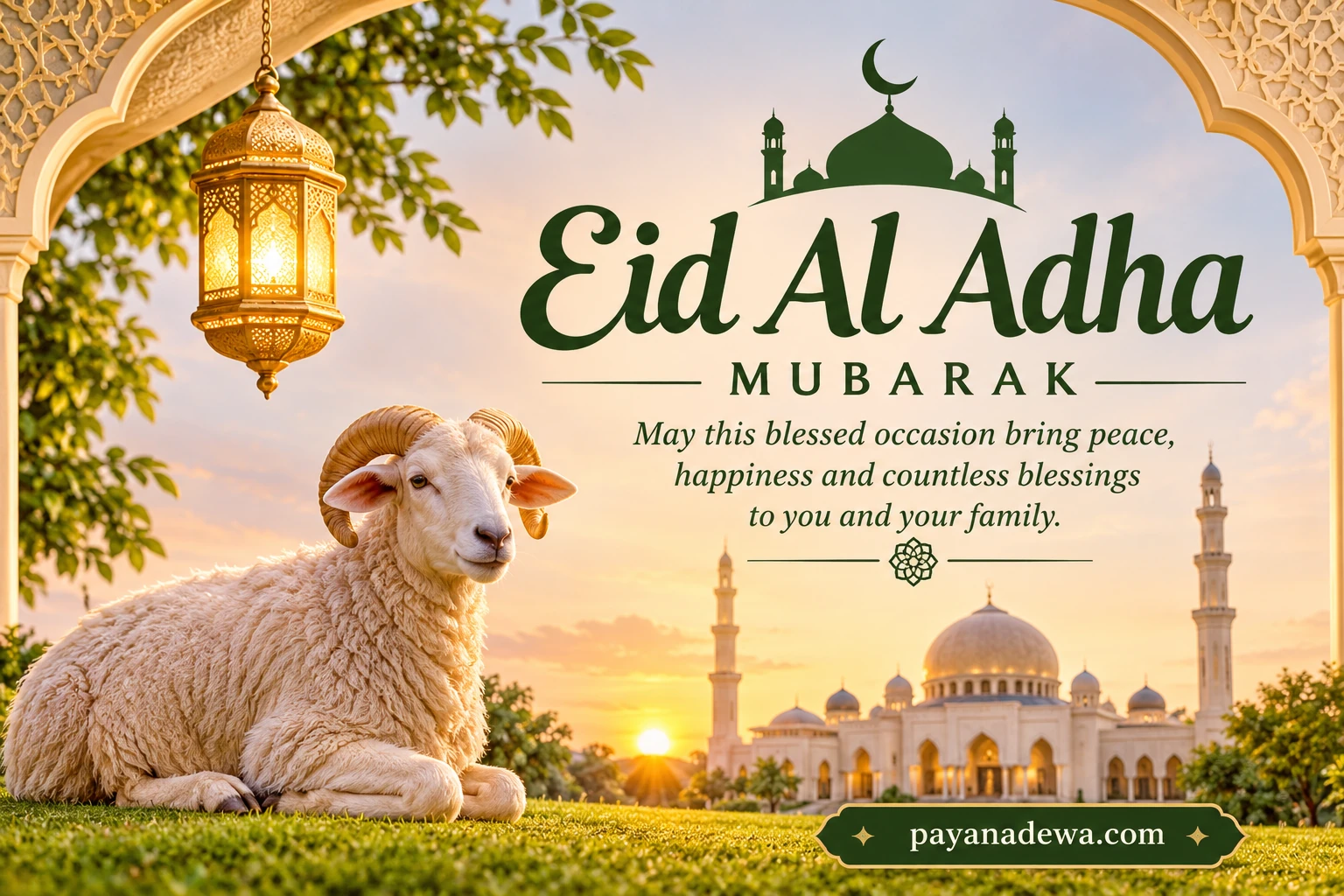
What Is Eid Al Adha?
Eid Al Adha, also spelled Eid ul-Adha or Eid al-Adha, is an important Islamic festival celebrated by Muslims worldwide. The name translates to the Festival of Sacrifice. It honors Prophet Ibrahim’s willingness to obey Allah’s command and demonstrates the importance of faith, devotion, patience, and complete trust in God.
The celebration takes place on the 10th day of Dhul Hijjah, the final month of the Islamic lunar calendar. It occurs during the annual Hajj pilgrimage in Mecca, making it a particularly significant time for the global Muslim community.
Unlike the Gregorian calendar, the Islamic calendar follows the lunar cycle. Therefore, the date of Eid Al Adha changes each year. Depending on the country and local religious authorities, the official date may also vary according to the sighting of the crescent moon.
The Meaning and Significance of Eid Al Adha
The deeper meaning of Eid Al Adha goes beyond the celebration itself. It reminds Muslims to strengthen their relationship with Allah, practice compassion, and put the needs of others before personal comfort.
Remembering Prophet Ibrahim’s Faith
The story behind Eid Al Adha comes from the account of Prophet Ibrahim and his willingness to follow Allah’s command. According to Islamic tradition, Ibrahim was tested through a command involving the sacrifice of his beloved son. Both demonstrated their submission to Allah, and Allah provided a substitute sacrifice.
This story teaches an important lesson about sincere faith, obedience, and trust in Allah. Muslims remember this event through prayer, reflection, and the tradition of Qurbani.
Learning the Value of Sacrifice
Sacrifice is not only about giving up something valuable. It also means letting go of selfishness, helping others, and making positive choices for the benefit of the community.
Eid Al Adha encourages people to develop patience, humility, gratitude, and generosity. These values can be practiced throughout the year, not just during the holiday.
Sharing Happiness and Supporting Others
One of the most beautiful aspects of Eid Al Adha is its emphasis on sharing. The Qurbani meat is distributed among family members, friends, and people experiencing financial difficulties, according to established religious guidance and local practices.
This tradition helps ensure that more people can enjoy nutritious food and participate in the happiness of Eid.
When Is Eid Al Adha Celebrated?
Eid Al Adha is observed on the 10th day of Dhul Hijjah. The date is determined by the Islamic lunar calendar, which means it moves approximately 10 or 11 days earlier each year in the Gregorian calendar.
The festival is closely connected to the Hajj pilgrimage. While millions of Muslims travel to Mecca to perform Hajj, Muslims around the world celebrate Eid with prayers, family activities, and acts of charity.
The Days of Dhul Hijjah
The first ten days of Dhul Hijjah are considered especially significant in Islam. Many Muslims use this period to increase their worship and perform good deeds.
- Performing additional prayers and remembering Allah.
- Reading and reflecting on the Quran.
- Giving charity and helping people in need.
- Fasting on the Day of Arafah for those who are not performing Hajj.
- Strengthening family relationships and asking forgiveness.
Common Eid Al Adha Traditions
Although celebrations differ across countries and cultures, several traditions are widely practiced during Eid Al Adha. These activities bring spiritual meaning and create opportunities for families and communities to connect.
1. Performing the Eid Prayer
The day often begins with a special congregational Eid prayer at a mosque or designated prayer ground. Muslims wear clean and modest clothing, gather with their communities, and listen to a religious sermon.
The prayer is an opportunity to express gratitude to Allah and remember the spiritual significance of the occasion.
2. Performing Qurbani
Qurbani, also known as Udhiya, is the ritual animal sacrifice associated with Eid Al Adha. Eligible Muslims perform it according to Islamic principles and the guidance of qualified religious authorities.
Common sacrificial animals include sheep, goats, cattle, and camels, depending on local practices and religious requirements. Animals must meet the relevant eligibility conditions and be handled with care.
3. Sharing Qurbani Meat
Sharing meat is an important part of the celebration. A commonly practiced distribution approach divides the meat into portions for the household, relatives and friends, and people in need. However, exact distribution practices and religious guidance may differ.
The central purpose is to encourage generosity and make sure that people from different economic backgrounds can share in the celebration.
4. Visiting Family and Friends
Eid Al Adha is also a wonderful opportunity to strengthen relationships. Families visit relatives, exchange greetings, share traditional meals, and spend quality time together.
Children often receive gifts or money, while adults exchange warm wishes and offer support to relatives and neighbors.
5. Preparing Special Eid Meals
Food plays an important role in many Eid Al Adha celebrations. Families prepare delicious dishes using traditional recipes and share meals with guests.
Popular dishes vary by region and may include grilled meat, rice dishes, curries, kebabs, stews, and other festive specialties. Preparing food together can also become a memorable family activity.
How to Prepare for Eid Al Adha
Good preparation can make the celebration more organized, enjoyable, and meaningful. Planning ahead also helps families manage their responsibilities without unnecessary stress.
1. Plan Your Eid Budget
Start by creating a simple budget for your celebration. Consider expenses such as food, clothing, gifts, charity, transportation, and Qurbani if applicable.
Set priorities and avoid spending beyond your financial capacity. Remember that the true value of Eid comes from worship, gratitude, and generosity rather than expensive purchases.
2. Prepare Your Home
Clean and organize your home before Eid morning. You can add simple decorations, arrange a comfortable space for guests, and prepare dining areas for family gatherings.
Consider using crescent moon decorations, lanterns, flowers, or elegant Islamic patterns to create a welcoming atmosphere.
3. Choose Your Eid Clothing
Many Muslims prepare clean, attractive, and modest clothing for the celebration. Traditional outfits vary across cultures, including abayas, thobes, kurtas, kaftans, and other regional garments.
Choose comfortable clothing suitable for morning prayers, family visits, and festive activities.
4. Arrange Qurbani in Advance
If you plan to perform Qurbani, research trusted providers or local organizations before the holiday. Make sure the process follows applicable Islamic requirements and local animal welfare, hygiene, and food safety regulations.
Organizing the arrangements early can help prevent last-minute difficulties and ensure that the meat is handled and distributed responsibly.
5. Prepare Food and Gifts
Make a shopping list for your Eid meals and purchase essential ingredients in advance. You can also prepare small gifts, greeting cards, or treats for children, relatives, and neighbors.
Simple gestures often make the celebration more meaningful, especially when they are given with sincerity.
Eid Al Adha Celebration Around the World
Eid Al Adha is celebrated in many countries, and each community brings its own cultural traditions to the occasion. Despite these differences, Muslims share the same core values of faith, gratitude, sacrifice, and generosity.
Eid Al Adha in Indonesia
In Indonesia, Eid Al Adha is commonly known as Idul Adha or Hari Raya Kurban. Communities gather for morning prayers, organize Qurbani activities, and distribute meat to residents, including families who may have limited access to nutritious food.
Neighborhood cooperation is especially important. Volunteers often help organize the preparation and distribution of meat, creating a strong sense of community and togetherness.
Eid Al Adha in the Middle East
In many Middle Eastern countries, families celebrate with congregational prayers, traditional hospitality, festive meals, and visits to relatives. Dishes featuring lamb, rice, spices, and grilled meat are popular in several regions.
Eid Al Adha in South Asia
Countries such as Pakistan, Bangladesh, and India observe Eid Al Adha through prayers, Qurbani, family gatherings, and charitable activities. Traditional clothing, regional recipes, and community celebrations make the occasion distinctive in each area.
Meaningful Ways to Celebrate Eid Al Adha with Family
You do not need an elaborate celebration to make Eid Al Adha special. Small activities can create lasting memories and help children understand the values behind the holiday.
- Pray together: Begin the day with worship and gratitude.
- Share a family breakfast: Enjoy a special meal after the Eid prayer.
- Teach children about Ibrahim: Explain the story in an age-appropriate way.
- Visit relatives: Spend time with parents, grandparents, and extended family.
- Donate to charity: Support families and individuals who need assistance.
- Prepare Eid gifts: Give thoughtful presents to children and loved ones.
- Share greetings: Send warm Eid messages to friends and neighbors.
Popular Eid Al Adha Greetings and Wishes
Sending Eid greetings is a simple way to spread happiness and strengthen relationships. Here are some messages you can share with family and friends.
- Eid Mubarak! May Allah bless you and your family with happiness, peace, and good health.
- Wishing you a blessed Eid Al Adha filled with love, kindness, and countless blessings.
- May this special occasion bring your home peace, prosperity, and beautiful memories.
- May Allah accept your prayers, reward your good deeds, and guide you toward a better life.
- May the spirit of sacrifice inspire generosity, compassion, and stronger faith in your heart.
Important Tips for a Safe and Responsible Eid
A successful celebration should also be safe, respectful, and considerate of the community. Keep these practical recommendations in mind:
- Use qualified and authorized facilities for animal slaughter where required.
- Follow local regulations concerning animal welfare and food hygiene.
- Keep children away from slaughtering equipment and unsafe work areas.
- Store meat at safe temperatures and avoid leaving it unrefrigerated for extended periods.
- Keep public spaces clean and dispose of waste responsibly.
- Distribute food fairly and consider people who may be overlooked.
- Respect different cultural traditions and religious practices within your community.
Conclusion: Celebrate Eid Al Adha with Faith and Generosity
Eid Al Adha is much more than a religious holiday. It is a meaningful reminder of faith, obedience, gratitude, sacrifice, and compassion. Through prayer, Qurbani, charity, and family gatherings, Muslims have an opportunity to strengthen their relationship with Allah and support the people around them.
Whether you celebrate with a large family gathering or a simple meal at home, the most important part of Eid Al Adha is the sincerity behind your actions. Share what you can, care for others, appreciate your blessings, and make time for the people who matter most.
May this Eid Al Adha bring peace, happiness, good health, and countless blessings to you and your loved ones. Eid Mubarak!