Taking care of your teeth is an important part of maintaining a healthy lifestyle. Good dental hygiene helps prevent cavities, gum disease, bad breath, and other oral health problems. However, dental care involves more than simply brushing your teeth every morning and evening. It also includes flossing, eating nutritious foods, drinking enough water, and visiting your dentist regularly.
Whether you want to improve your daily oral hygiene routine or learn more about professional dental treatments, understanding the basics can help you protect your smile. With the right habits and consistent care, you can maintain strong teeth and healthy gums for years to come.
In this guide, you will discover practical dental care tips, common oral health problems, preventive treatments, and simple ways to improve your overall dental health.
What Is Dental Care and Why Is It Important?
Dental care refers to the practices and professional services used to maintain healthy teeth, gums, and other parts of the mouth. It includes daily oral hygiene, preventive treatments, dental examinations, and procedures that address existing problems.
Good oral health plays an important role in everyday life. Your teeth help you chew food, speak clearly, and maintain your natural smile. Furthermore, healthy gums support your teeth and protect the structures surrounding them.
Neglecting oral hygiene can allow plaque to build up on your teeth. Over time, this can contribute to tooth decay, gum inflammation, and other dental conditions.
Regular dental care offers several benefits:
- Helps prevent cavities and tooth decay.
- Reduces the risk of gum disease.
- Helps maintain fresh breath.
- Protects natural teeth for longer.
- Supports comfortable chewing and speaking.
- Allows dental problems to be identified early.
- Helps maintain confidence in your smile.
Therefore, establishing a consistent dental hygiene routine is one of the best ways to protect your oral health.
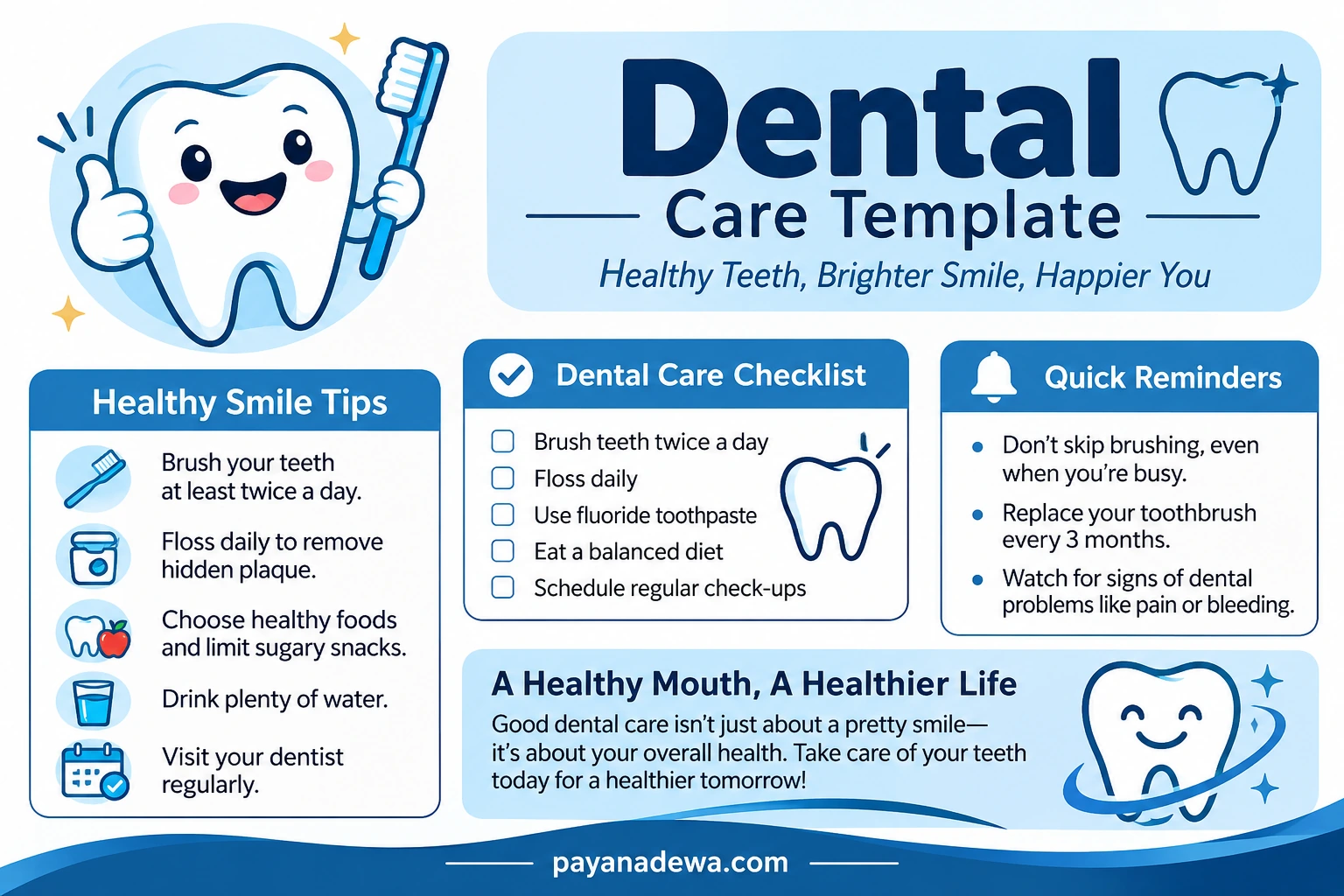
Essential Daily Dental Hygiene Habits
Healthy teeth begin with simple habits that you practice every day. Although professional dental treatments are important, your daily routine has a major influence on your oral health.
1. Brush Your Teeth Twice a Day
Brushing is one of the most effective ways to remove food particles and plaque from tooth surfaces. Dentists generally recommend brushing twice daily for approximately two minutes each time.
Use a soft-bristled toothbrush and fluoride toothpaste. Move the toothbrush gently in small circular motions. Make sure you clean the front, back, and chewing surfaces of every tooth.
Also, avoid brushing too aggressively. Excessive pressure can irritate your gums and gradually wear down tooth enamel.
2. Floss Between Your Teeth Daily
A toothbrush cannot easily reach every space between your teeth. Dental floss helps remove plaque and food particles from these areas.
For effective flossing, follow these steps:
- Take approximately 18 inches of dental floss.
- Wrap most of the floss around your middle fingers.
- Gently guide it between two teeth.
- Curve the floss around each tooth in a C shape.
- Move it carefully beneath the gumline.
- Use a clean section of floss for each space.
If traditional floss is difficult to use, consider interdental brushes or a water flosser. Ask your dentist which option is appropriate for your teeth.
3. Use Fluoride Toothpaste
Fluoride is a mineral that helps strengthen tooth enamel and protect against cavities. It supports the natural remineralization process, which can repair early mineral loss in tooth enamel.
Choose a fluoride toothpaste that is appropriate for your age. For children, follow age-specific toothpaste recommendations and supervise brushing when necessary.
4. Clean Your Tongue
Your tongue can collect bacteria and food debris. This buildup may contribute to unpleasant breath.
Gently clean your tongue with a toothbrush or tongue scraper. Include this simple step in your daily oral hygiene routine.
Common Dental Problems You Should Know
Understanding common oral health problems can help you recognize warning signs and seek professional treatment sooner.
Tooth Decay and Cavities
Tooth decay occurs when bacteria in dental plaque produce acids that gradually damage tooth enamel. If the process continues, a cavity can develop.
Common symptoms include tooth sensitivity, visible holes, discoloration, and discomfort when eating or drinking. However, early tooth decay may not cause noticeable symptoms.
Prevention includes brushing with fluoride toothpaste, flossing daily, limiting frequent sugary snacks, and attending regular dental examinations.
Gum Disease
Gum disease is an inflammatory condition affecting the tissues that support your teeth. Its early stage is called gingivitis. Without proper treatment, it can progress to periodontitis and damage the supporting structures around teeth.
Possible warning signs include:
- Red or swollen gums.
- Bleeding during brushing or flossing.
- Persistent bad breath.
- Gums that appear to pull away from teeth.
- Loose teeth in more advanced cases.
Early professional care can help prevent gum disease from becoming more serious.
Tooth Sensitivity
Tooth sensitivity happens when teeth react to hot, cold, sweet, or acidic foods and drinks. It may be associated with exposed tooth roots, worn enamel, cavities, or other dental conditions.
Using toothpaste designed for sensitive teeth may help. Nevertheless, persistent or severe sensitivity should be evaluated by a dentist to identify the underlying cause.
Bad Breath
Bad breath, also called halitosis, can result from bacteria in the mouth, gum disease, dry mouth, or certain foods.
Brush regularly, clean your tongue, floss daily, and drink enough water. If bad breath continues despite good oral hygiene, arrange a dental examination.
Popular Dental Treatments and Procedures
Modern dentistry offers different treatments to prevent, diagnose, and manage oral health conditions. The right procedure depends on your dental needs and the condition of your teeth and gums.
Professional Dental Cleaning
Professional dental cleaning removes plaque and hardened tartar that regular brushing cannot eliminate. A dental professional also checks your gums and examines areas that may need additional attention.
The recommended cleaning schedule depends on your oral health. Some people benefit from more frequent visits, especially if they have a history of gum disease.
Dental Fillings
Dental fillings are commonly used to repair teeth affected by cavities. During the procedure, the dentist removes damaged tooth material and fills the prepared area with a suitable restorative material.
Common filling materials include composite resin, amalgam, and other specialized dental materials.
Root Canal Treatment
Root canal treatment is used when the soft tissue inside a tooth, known as the dental pulp, becomes infected or severely damaged.
The dentist removes the affected tissue, cleans the inside of the tooth, and seals the space. In many cases, a dental crown is recommended afterward to protect the restored tooth.
Dental Crowns
A dental crown is a protective covering placed over a damaged or weakened tooth. It helps restore the tooth’s shape, strength, and appearance.
Crowns may be recommended after certain root canal procedures, for severely damaged teeth, or to support particular dental restorations.
Dental Implants
Dental implants are used to replace missing teeth. They consist of a small implant fixture placed in the jawbone, an attachment component, and a replacement tooth.
Dental implants can provide a stable replacement for missing teeth. However, suitability depends on factors such as bone health, gum condition, general health, and treatment planning.
How Nutrition Affects Your Dental Health
Your diet has a direct influence on your teeth and gums. Certain foods provide nutrients that support healthy teeth, while frequent exposure to sugary and acidic products can increase the risk of dental problems.
Foods That Support Healthy Teeth
A balanced diet helps provide the nutrients needed for strong teeth and healthy gums. Consider including these foods in your meals:
- Milk and yogurt: Provide calcium and other nutrients that support tooth structure.
- Leafy green vegetables: Supply vitamins and minerals that contribute to overall health.
- Fish: Certain varieties provide vitamin D and other beneficial nutrients.
- Fresh vegetables: Offer fiber and important vitamins.
- Cheese: Provides calcium and can help stimulate saliva production.
- Water: Helps rinse away food particles and supports saliva production.
Foods and Drinks to Limit
Some foods and beverages can increase the risk of tooth decay or enamel erosion, especially when consumed frequently.
- Sugary soft drinks and energy drinks.
- Candy and sticky sweets.
- Frequent consumption of sweetened beverages.
- Highly acidic drinks and foods.
- Frequent sugary snacks between meals.
You do not necessarily need to eliminate every treat. Instead, reduce how often you consume sugary foods and drinks. Drinking water afterward and maintaining good oral hygiene can also help.
How Often Should You Visit a Dentist?
Regular dental examinations are essential for maintaining healthy teeth and gums. During an appointment, your dentist can evaluate your oral health, identify potential problems, and recommend suitable preventive care.
There is no single appointment schedule that works for everyone. Some people may need dental visits every six months, while others require more frequent examinations based on their individual risk factors.
During a typical dental visit, your dentist may:
- Examine your teeth for cavities and damage.
- Check your gums for signs of inflammation.
- Evaluate existing fillings, crowns, and other restorations.
- Recommend professional cleaning when necessary.
- Discuss your brushing and flossing habits.
- Recommend additional tests or treatment if needed.
Do not wait for tooth pain before scheduling an appointment. Many dental conditions develop without obvious symptoms during their early stages.
Practical Tips for Better Dental Care at Home
Improving your oral hygiene does not require complicated routines. Small changes can make your dental care more consistent and effective.
Here are some practical tips you can start using today:
- Keep your toothbrush in a clean, dry place.
- Replace your toothbrush approximately every three to four months or sooner if the bristles become worn.
- Brush for two minutes using gentle movements.
- Floss once a day.
- Use fluoride toothpaste suitable for your age.
- Drink water regularly, especially after meals.
- Limit frequent snacking on sugary foods.
- Avoid using your teeth to open packages or bite hard objects.
- Wear a properly fitted mouthguard when recommended for sports.
- Schedule dental examinations according to your dentist’s advice.
Consistency is more important than complicated products or expensive dental accessories. A simple routine performed correctly every day can make a meaningful difference.
Dental Care for Children and Adults
Dental needs change throughout life. Therefore, oral hygiene routines should be adapted to different ages and individual circumstances.
Dental Care for Children
Children should begin receiving dental care when their first tooth appears or by their first birthday. Early dental visits help parents understand proper brushing techniques, fluoride recommendations, and cavity prevention.
Parents can support children’s dental health by:
- Helping young children brush their teeth.
- Using age-appropriate fluoride toothpaste.
- Limiting sugary snacks and drinks.
- Encouraging healthy eating habits.
- Scheduling regular dental visits.
Dental Care for Adults
Adults should continue brushing twice daily, flossing every day, and attending regular dental examinations. It is also important to monitor changes in gum health, tooth sensitivity, and existing dental restorations.
People with braces, dental implants, crowns, or other restorations may need additional cleaning techniques. A dentist or dental hygienist can recommend the right tools and methods.
Dental Care for Older Adults
Older adults may experience dry mouth, gum recession, tooth loss, or increased difficulty maintaining oral hygiene. Certain medications can also reduce saliva production.
Using appropriate oral care products, drinking enough water, and maintaining regular dental appointments can help address these challenges.
When Should You Seek Emergency Dental Care?
Some dental problems require immediate professional attention. Severe pain, facial swelling, uncontrolled bleeding, or dental injuries should not be ignored.
Contact a dentist promptly if you experience:
- Severe or persistent toothache.
- Swelling around the gums, jaw, or face.
- A broken or knocked-out permanent tooth.
- Signs of a dental infection.
- Uncontrolled bleeding following a dental injury.
If facial swelling is accompanied by difficulty breathing or swallowing, seek emergency medical care immediately.
Getting professional help early can reduce complications and improve the chances of successful treatment.
Conclusion: Make Dental Care a Daily Priority
Maintaining healthy teeth and gums requires a combination of good daily habits, balanced nutrition, and regular professional dental care. Brushing twice a day, flossing daily, using fluoride toothpaste, and limiting sugary snacks are simple steps that can protect your smile.
Furthermore, regular dental examinations help identify potential problems before they become more serious. Whether you are caring for children’s teeth, maintaining your oral health as an adult, or addressing age-related dental concerns, consistent preventive care remains essential.
Start with small improvements to your daily routine and build habits that you can maintain over time. A healthy smile is not achieved overnight. It is the result of regular care, informed decisions, and professional guidance.
Disclaimer: This article is intended for general educational purposes only. It does not replace professional dental advice, diagnosis, or treatment. Consult a qualified dental professional about your individual oral health needs.
Awesome! Its genuinely remarkable post, I have got much clear idea regarding from this post