Choosing the right day care is one of the most important decisions parents make during their child’s early years. A quality childcare environment provides more than supervision. It offers opportunities for learning, social interaction, emotional development, and healthy daily routines. For working parents, day care also provides reliable support and peace of mind while they manage their professional responsibilities.
However, finding the right childcare center can feel overwhelming. There are many options, different teaching approaches, various schedules, and important safety considerations. Parents need to understand what makes a good day care, how to compare available facilities, and what questions to ask before enrolling their children.
This guide explains everything you need to know about day care, including its benefits, available programs, safety standards, costs, and practical tips for choosing a childcare provider that meets your family’s needs.
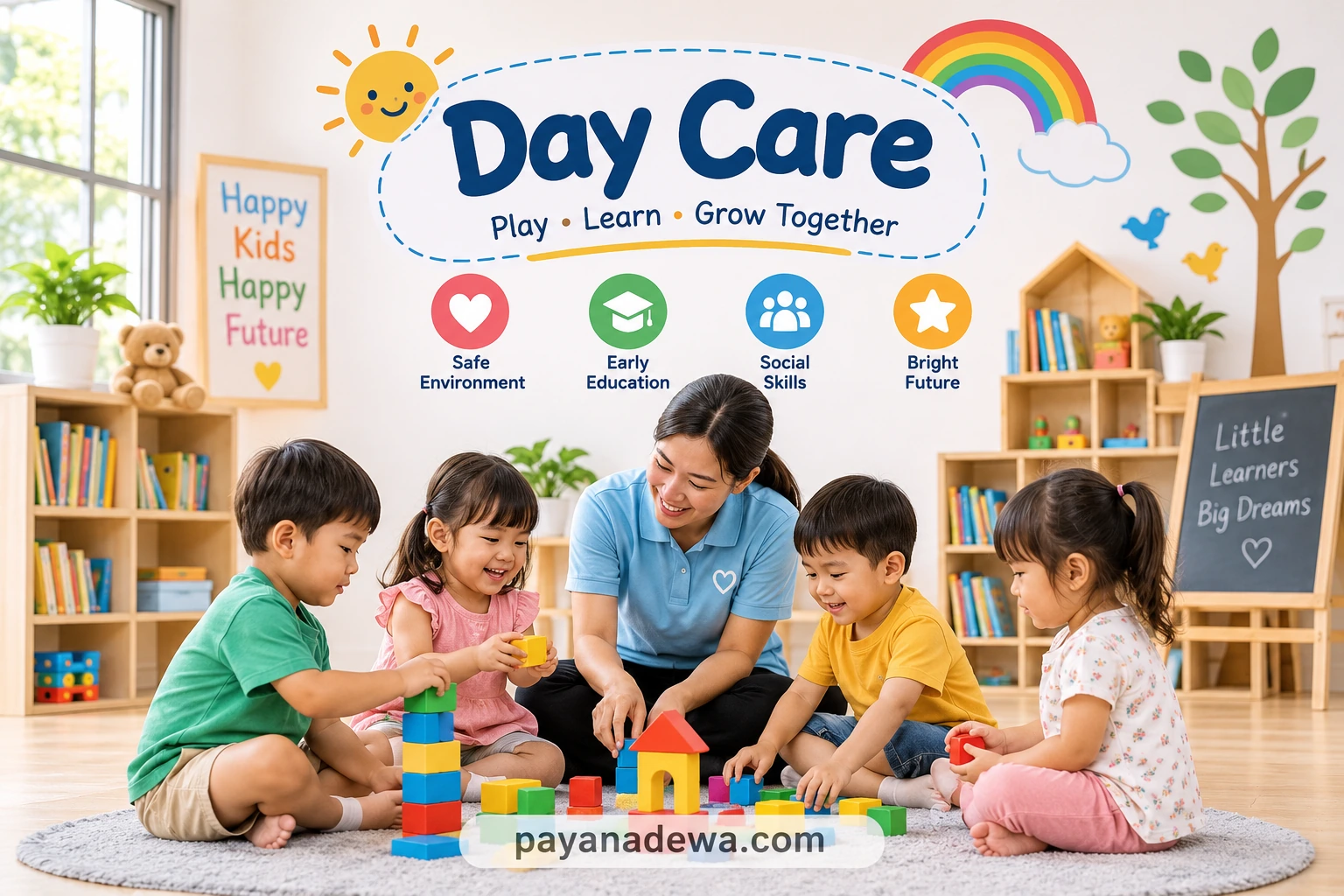
What Is Day Care?
Day care is a childcare service that provides supervision, education, and daily activities for children while their parents or guardians are working, studying, or handling other responsibilities. Most day care centers care for infants, toddlers, and preschool-aged children.
Unlike occasional babysitting, professional childcare programs usually follow structured schedules. These schedules may include playtime, meals, naps, creative activities, outdoor exercise, and early learning experiences.
Day care facilities can operate in dedicated childcare centers, private homes, community facilities, or educational institutions. Each setting offers different advantages, so parents should consider their child’s age, personality, and individual needs.
Common Types of Day Care
Understanding the different childcare options can help parents make better decisions.
- Childcare centers: Professional facilities that care for multiple children in organized classrooms with trained staff.
- Home-based day care: Smaller childcare programs operated from a private residence, often offering a more intimate environment.
- Infant day care: Specialized childcare for babies, with attention to feeding, sleeping, hygiene, and early development.
- Toddler day care: Programs designed for young children who are developing language, movement, independence, and social skills.
- Preschool day care: Programs that combine childcare with early educational activities to prepare children for kindergarten.
- Part-time day care: Flexible childcare arrangements for families who need care for only a few hours or specific days.
Benefits of Sending Your Child to Day Care
A well-managed day care program can support several areas of childhood development. Although every child develops at a different pace, a positive childcare environment can create valuable learning experiences.
1. Social and Emotional Development
Children interact with teachers and other children throughout the day. These experiences help them learn how to share toys, take turns, communicate their feelings, and develop friendships.
Furthermore, regular interaction with other children can help build confidence. Children gradually become more comfortable participating in group activities and expressing their needs.
2. Early Learning Opportunities
Many childcare centers introduce basic educational activities through games, songs, storytelling, and creative projects. These activities encourage curiosity and support early language, mathematics, and problem-solving skills.
For example, building blocks can introduce simple counting and spatial awareness. Picture books can improve vocabulary, while drawing activities encourage creativity and hand coordination.
3. Healthy Daily Routines
Children benefit from predictable daily schedules. A structured day care routine can help them become familiar with mealtimes, playtime, rest periods, and personal hygiene habits.
As a result, children may gradually develop better self-care skills and become more comfortable following everyday routines.
4. Physical Development
Movement is an important part of early childhood development. Good day care programs include age-appropriate physical activities such as dancing, running, climbing, and playing with simple equipment.
These experiences help children develop balance, coordination, strength, and motor skills. Whenever possible, outdoor activities also provide opportunities to explore nature and enjoy fresh air.
5. Support for Working Parents
Reliable childcare helps parents balance their professional and family responsibilities. Knowing that a child is in a supervised and supportive environment can reduce daily stress.
In addition, many day care centers provide regular updates about meals, naps, activities, and a child’s general progress. This communication helps parents stay involved even when they cannot be physically present.
What to Look for in a Quality Day Care Center
Not every childcare facility offers the same level of care. Therefore, parents should evaluate several important factors before making a decision.
1. Safety and Cleanliness
Safety should always be the first priority. Visit the facility and observe whether the classrooms, bathrooms, sleeping areas, and play spaces are clean and well maintained.
Check for the following features:
- Secure entrances and child-friendly access controls.
- Clean toys, furniture, and learning materials.
- Safe sleeping arrangements for infants.
- Accessible first-aid supplies and emergency procedures.
- Age-appropriate playground equipment.
- Clear policies for illness, accidents, and emergencies.
2. Qualified and Caring Staff
Teachers and caregivers have a major influence on a child’s daily experience. Look for staff members who are patient, attentive, friendly, and experienced in caring for young children.
Ask about their training, qualifications, first-aid knowledge, and background-check procedures. Also, observe how they communicate with children during your visit.
3. Appropriate Staff-to-Child Ratios
The number of children assigned to each caregiver can affect the quality of supervision. Smaller groups may allow caregivers to provide more individual attention.
Ask the center about its staff-to-child ratios for different age groups. Requirements vary by location, so verify whether the facility follows applicable childcare regulations.
4. A Balanced Daily Schedule
A good childcare program balances learning, play, meals, rest, and physical activity. Young children need opportunities to explore independently as well as participate in guided activities.
Ask for a sample daily schedule. Make sure it includes age-appropriate experiences rather than excessive screen time or overly demanding academic lessons.
5. Communication With Parents
Open communication builds trust between families and childcare providers. A quality center should explain how it shares information about a child’s behavior, development, meals, sleep, and daily activities.
Some facilities use mobile applications, daily reports, or parent-teacher meetings. Choose a communication method that makes you feel informed and comfortable.
Understanding Day Care Costs
Childcare expenses can vary significantly depending on the location, child’s age, operating hours, facilities, and services offered. Infant care may cost more because babies generally require closer supervision and more individualized attention.
Before selecting a provider, ask for a complete breakdown of the fees. Do not compare centers based on monthly tuition alone.
Common Day Care Expenses
- Registration fees: Initial charges for enrollment and administrative processing.
- Monthly tuition: Regular payments for childcare services.
- Meals and snacks: Additional charges for daily food services, if applicable.
- Learning materials: Costs for books, craft supplies, and educational resources.
- Extended care: Extra fees for early drop-off or late pick-up services.
- Special activities: Additional costs for outings, events, or enrichment programs.
Ask whether the center offers sibling discounts, flexible payment plans, or part-time enrollment. Also, review its refund and cancellation policies before signing an agreement.
How to Prepare Your Child for Day Care
Starting childcare is a major transition. Some children adjust quickly, while others need more time to feel comfortable in a new environment.
Fortunately, parents can make the transition easier with a few simple strategies.
1. Introduce the Idea Gradually
Talk positively about day care before the first day. Explain that your child will meet friendly teachers, play with other children, and participate in enjoyable activities.
You can also read picture books about starting school or childcare. This helps children understand what to expect.
2. Visit the Center Together
If possible, arrange a visit before enrollment begins. Allow your child to explore the classroom, meet caregivers, and become familiar with the surroundings.
Some centers offer trial sessions or gradual orientation programs. These can help children build confidence before attending full-time.
3. Establish a Consistent Morning Routine
A predictable morning routine can reduce stress. Prepare clothes, bags, meals, and other essentials the night before.
Try to maintain consistent sleeping and waking times. Children who receive adequate rest may find it easier to participate in daily activities.
4. Pack Familiar Comfort Items
Depending on the center’s policies, a familiar blanket, small soft toy, or family photograph may help your child feel secure during the first few days.
Always label personal belongings and follow the facility’s rules regarding toys and other items brought from home.
5. Be Patient During the Adjustment Period
It is normal for some children to experience separation anxiety. They may cry, become quiet, or need additional reassurance during the first few weeks.
Maintain a calm and positive goodbye routine. Communicate with caregivers about your child’s adjustment and discuss any concerns together.
Questions to Ask Before Choosing a Day Care
Visiting a childcare center is an excellent opportunity to gather important information. Instead of focusing only on the appearance of the facility, ask practical questions about its daily operations.
- Is the day care licensed or registered according to local requirements?
- What qualifications and training do caregivers have?
- How many children does each caregiver supervise?
- What is the daily schedule for my child’s age group?
- How are meals, snacks, and food allergies managed?
- What are the policies for sick children and medication?
- How does the center handle accidents and emergencies?
- How will parents receive daily updates?
- What are the operating hours and holiday schedules?
- Are there additional fees beyond the regular tuition?
Take notes during each visit. Comparing the answers from different providers will make your final decision easier.
Day Care Safety and Child Development Standards
A responsible childcare provider should have clear policies that protect children and support their development. These policies should cover supervision, hygiene, nutrition, emergency preparedness, and staff responsibilities.
Parents should also understand that childcare licensing requirements differ between countries, states, and local authorities. Always check the relevant government regulations before enrolling your child.
Health and Hygiene Practices
Regular handwashing, proper food handling, clean play areas, and appropriate diaper-changing procedures help reduce the spread of illness.
Caregivers should also understand how to respond to common health concerns and when parents need to be contacted.
Positive Discipline and Emotional Support
Children learn best in environments where they feel safe, respected, and supported. Caregivers should use age-appropriate guidance rather than frightening, humiliating, or physically punishing children.
Look for teachers who encourage positive behavior, help children resolve conflicts, and respond calmly to emotional needs.
Practical Tips for Choosing the Best Day Care
Finding the right childcare provider requires more than reading online reviews. The best choice should match your family’s schedule, financial situation, and your child’s individual needs.
Use these practical tips during your search:
- Start searching early: Popular childcare centers may have waiting lists, especially for infant programs.
- Visit multiple facilities: Compare environments, staff interactions, schedules, and services.
- Observe real activities: Watch how caregivers interact with children during normal operating hours.
- Check references: Speak with other parents when possible and review reliable feedback.
- Read the contract: Understand fees, attendance policies, holidays, and cancellation conditions.
- Trust your observations: Pay attention to whether children appear comfortable, engaged, and appropriately supervised.
- Review the program regularly: Your child’s needs may change as they grow, so reassess the arrangement over time.
Remember that the most expensive childcare center is not automatically the best. A safe, caring, and developmentally appropriate environment is far more important than impressive decorations or unnecessary extras.
Conclusion: Finding the Right Day Care for Your Family
Choosing a day care is an important step in supporting your child’s early development and creating a balanced family routine. The right childcare environment provides safety, meaningful learning experiences, social interaction, and emotional support.
Before making your decision, compare different facilities, meet the caregivers, review safety procedures, and understand all associated costs. Most importantly, choose a provider that respects your child’s individual needs and maintains open communication with your family.
With careful research and preparation, parents can find a day care program that offers children a positive place to play, learn, grow, and build confidence while giving families greater peace of mind.