A church is more than a building where people gather for religious services. It is a place of worship, spiritual learning, fellowship, and community support. For millions of Christians around the world, the church plays an important role in everyday life. It provides opportunities to strengthen faith, build meaningful relationships, and develop a deeper understanding of Christian values.
Today, churches continue to serve communities in many different ways. Some focus on traditional worship, while others organize educational programs, charitable activities, youth gatherings, and social events. Despite these differences, their central purpose remains connected to faith, worship, and the teachings of Jesus Christ.
Understanding the meaning of church can help people appreciate its spiritual and social importance. Whether someone regularly attends Sunday services or is simply curious about Christianity, learning about the church offers valuable insight into Christian beliefs and traditions.
In this comprehensive guide, we will explore what a church means, its history, different types, common activities, and the important role it plays in modern society.
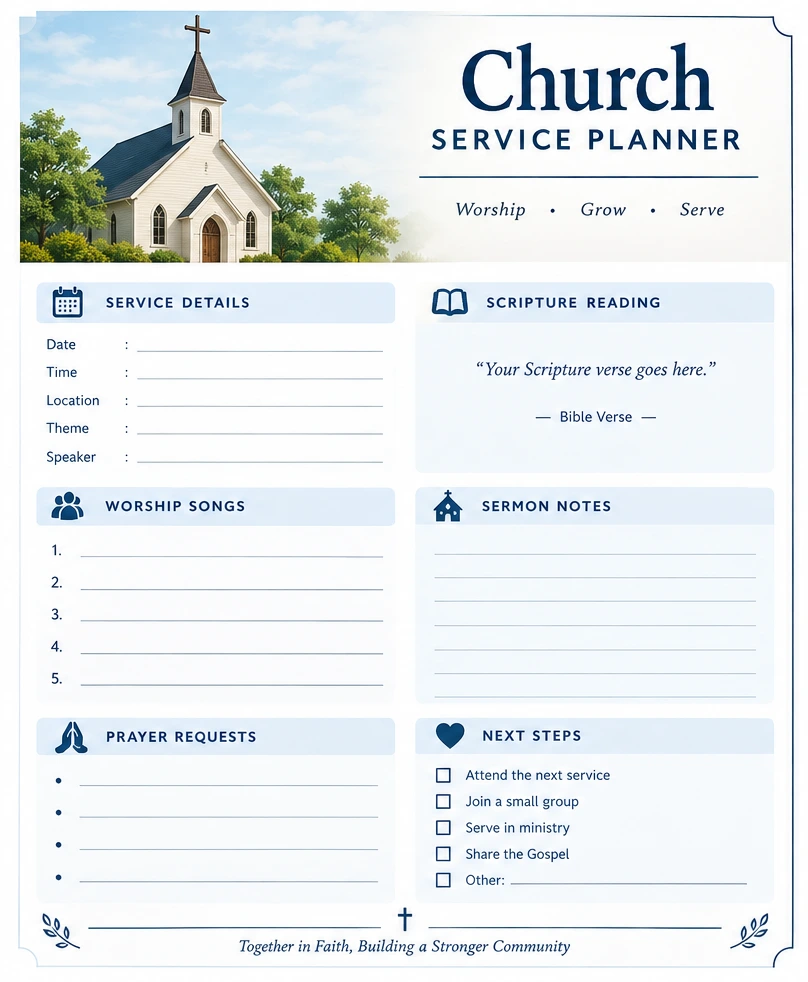
What Is a Church?
A church is a Christian community that gathers to worship God, study the Bible, practice faith, and support one another. The word can refer to both a physical place of worship and the wider community of believers.
In Christianity, the church represents a spiritual family. Members come together to share their beliefs, celebrate important religious occasions, and grow in their relationship with God. Therefore, a church is not defined only by its architecture or location.
The Meaning of Church in Christianity
The meaning of church goes beyond attending religious ceremonies. It describes a community united by faith in Jesus Christ. Christians believe that every member has a valuable role in strengthening the spiritual life of the community.
The Bible uses the image of a body to describe the church. Each member has different responsibilities, but everyone contributes to the same spiritual purpose. This idea encourages cooperation, humility, and mutual respect.
Church as a Place of Worship
A church building provides a dedicated space where Christians can gather for prayer, singing, Bible readings, and sermons. Its atmosphere often encourages reflection, gratitude, and spiritual connection.
However, worship does not happen only inside a church building. Christians can also express their faith through personal prayer, acts of kindness, and everyday decisions that reflect their religious values.
The History and Development of the Church
The history of the Christian church began in the first century, following the life, death, and resurrection of Jesus Christ. His followers spread his teachings throughout different regions and established communities of believers.
Over time, Christianity expanded across Europe, Africa, Asia, and other parts of the world. As the number of believers increased, Christian communities developed different traditions, leadership structures, and forms of worship.
The Early Christian Church
Early Christians often gathered in private homes because dedicated church buildings were not widely available. They prayed together, shared meals, studied religious teachings, and supported people in need.
These early communities established important foundations for Christian worship. Their commitment to faith and fellowship helped Christianity grow despite social and political challenges.
The Growth of Church Traditions
As Christianity developed, different traditions and denominations emerged. These included Catholic, Eastern Orthodox, and Protestant communities, each with distinctive histories and practices.
Although their beliefs and ceremonies may differ, many Christian traditions emphasize worship, prayer, Scripture, fellowship, and service to others. These shared values continue to connect Christian communities around the world.
What Is the Main Purpose of a Church?
The church serves several important purposes in Christian life. It helps people develop their faith while creating an environment where believers can learn, worship, and support one another.
Although individual churches may organize different programs, their activities generally reflect several central purposes.
Worshiping God Together
Worship is one of the main reasons Christians gather in church. Services commonly include prayer, singing, Scripture readings, sermons, and moments of reflection.
Group worship also allows believers to express gratitude and strengthen their connection with God. Furthermore, shared worship creates a sense of unity among members.
Teaching Christian Values
Churches provide opportunities to learn about the Bible and understand Christian teachings. Through sermons, Bible studies, and educational programs, members can explore important principles such as love, forgiveness, honesty, and compassion.
These lessons can guide people in their personal relationships, family responsibilities, and professional lives.
Building Fellowship and Relationships
A church brings people together through shared beliefs and experiences. Members can develop friendships, exchange encouragement, and create meaningful relationships.
This fellowship becomes especially valuable during difficult periods. Having a supportive community can help individuals feel less isolated and more connected to others.
Serving People in Need
Many churches organize charitable programs to support vulnerable individuals and families. These activities may include food donations, community assistance, educational support, and visits to people who are sick or elderly.
Through these efforts, churches put Christian teachings about love and compassion into practice.
Different Types of Churches
Christianity includes several major traditions and many individual denominations. Each has its own history, leadership structure, worship style, and theological emphasis.
Understanding these differences helps people appreciate the diversity of Christian communities.
Catholic Church
The Catholic Church is one of the largest Christian traditions in the world. It has a structured leadership system headed by the Pope, who serves as its central spiritual leader.
Catholic worship includes the celebration of Mass, prayer, Scripture readings, and the sacraments. The Eucharist holds a central place in Catholic spiritual life.
Protestant Churches
Protestant Christianity includes many denominations that developed from the Reformation. Examples include Baptist, Lutheran, Methodist, Presbyterian, and Pentecostal churches.
Although their worship styles differ, Protestant communities commonly emphasize the Bible, faith in Jesus Christ, prayer, and personal spiritual growth.
Eastern Orthodox Church
The Eastern Orthodox Church is known for its ancient traditions, liturgical worship, icons, and rich spiritual heritage. Its services often include beautiful singing, symbolic ceremonies, and traditional prayers.
Orthodox communities place strong emphasis on preserving historical Christian teachings and practices.
Common Activities and Services in a Church
Church activities help members develop their faith while creating opportunities for fellowship. Some activities take place during regular worship services, while others happen throughout the week.
Although programs vary between congregations, several activities are common in many Christian communities.
Sunday Worship Services
Sunday worship is a regular gathering for many Christian communities. Members come together to pray, sing hymns, listen to sermons, and participate in religious traditions.
Some churches offer several service times to accommodate different schedules. Others provide special services for families, children, and young adults.
Bible Study and Prayer Meetings
Bible study groups help Christians understand Scripture through discussion and shared learning. Participants can ask questions, explore important passages, and consider how biblical teachings apply to everyday situations.
Prayer meetings also create opportunities for members to share concerns, express gratitude, and pray for individuals or community needs.
Youth and Children’s Programs
Many churches provide activities designed specifically for younger generations. These programs may include Bible lessons, music, games, leadership training, and community projects.
Such activities help children and teenagers develop positive values while building friendships with others who share their faith.
Community Outreach Programs
Community outreach allows churches to support people beyond their regular membership. Activities can include charity events, volunteer projects, neighborhood assistance, and educational programs.
These initiatives demonstrate how faith can inspire practical contributions to society.
How to Choose the Right Church
Choosing a church is a personal decision that deserves careful consideration. People may look for a congregation that shares their beliefs, offers meaningful worship, and provides a welcoming environment.
Fortunately, visiting different churches can help individuals understand their options before making a decision.
Understand Your Christian Beliefs
Start by considering your religious background and beliefs. Different denominations may have different teachings about worship, sacraments, church leadership, and Christian traditions.
Learning about these differences can help you find a community that aligns with your convictions.
Visit a Church Service
Attending a service is a practical way to experience a church community. Pay attention to the atmosphere, worship style, teaching, and how members interact with visitors.
You do not need to make an immediate commitment. Instead, take time to understand the community and decide whether it feels appropriate for your spiritual journey.
Look for a Welcoming Community
A healthy church community should encourage kindness, respect, honesty, and mutual support. Members should feel comfortable asking questions and participating without unnecessary pressure.
It is also helpful to learn whether the church offers opportunities for fellowship, volunteering, and spiritual education.
Consider Location and Activities
Practical factors also matter when choosing a church. Consider its location, service schedule, accessibility, and available programs.
A convenient location can make regular attendance easier. In addition, activities that match your interests may help you become more involved in the community.
The Importance of Church in Modern Society
Modern society continues to change because of technology, urban development, and different lifestyles. Nevertheless, churches remain important spaces for worship, community connection, and spiritual education.
They can also help address social challenges by encouraging compassion, cooperation, and responsibility.
Providing Spiritual Guidance
Many people experience uncertainty, stress, and difficult decisions in their lives. Church teachings can provide spiritual perspectives that encourage patience, hope, forgiveness, and responsible behavior.
Through prayer, religious education, and pastoral support, individuals may find opportunities to reflect on their experiences and strengthen their faith.
Supporting Families and Communities
Churches often organize activities that bring families and neighbors together. Family events, children’s programs, marriage support, and community gatherings can create stronger social connections.
These activities may also encourage people to help one another during important life events and challenging circumstances.
Preserving Religious Traditions
Churches help preserve Christian traditions through worship, music, celebrations, and religious education. These practices connect younger generations with the beliefs and experiences of earlier communities.
At the same time, many congregations adapt their activities to meet the needs of modern communities without abandoning their central religious values.
How Technology Is Changing the Church
Technology has created new opportunities for churches to communicate with members and reach wider audiences. Digital platforms allow congregations to share information, organize events, and provide religious resources online.
These developments can make Christian education and worship more accessible to people who cannot always attend physical services.
Online Church Services
Some churches broadcast worship services through websites and social media platforms. This allows people to follow sermons, listen to worship music, and participate in selected activities from home.
Online services can be particularly useful for people who live far away, travel frequently, or have difficulty attending in person. However, digital participation does not completely replace the personal fellowship available through physical gatherings.
Digital Bible Study Resources
Mobile applications, online Bible platforms, and educational websites provide convenient ways to study Scripture. Users can explore different translations, follow reading plans, and access study materials.
These resources can support personal learning and encourage more consistent Bible study habits.
Social Media and Church Communication
Social media helps churches share announcements, inspirational messages, event schedules, and community updates. It also provides opportunities to connect with younger audiences.
When used responsibly, digital communication can strengthen relationships and make church activities easier to discover.
Practical Ways to Become More Involved in Church
Being part of a church community involves more than attending services. Members can participate in different activities that encourage spiritual development and meaningful relationships.
If you want to become more involved, consider taking small steps that fit your interests and availability.
- Attend regular services: Make time for worship and spiritual reflection.
- Join a Bible study group: Learn more about Scripture and Christian teachings.
- Participate in prayer meetings: Develop a consistent habit of praying with others.
- Volunteer in church activities: Offer your time and skills to support community programs.
- Build friendships: Connect with members and encourage one another.
- Support charitable projects: Participate in activities that help people in need.
- Explore personal growth opportunities: Take part in educational programs and leadership activities.
Remember that involvement does not need to happen all at once. Start with activities that feel comfortable, then gradually explore additional opportunities as your confidence and experience grow.
Conclusion: Why Church Remains Important Today
A church is much more than a physical building. It is a community where Christians gather to worship God, study the Bible, develop their faith, and support one another. Throughout history, churches have helped preserve Christian traditions while contributing to education, charity, and community life.
Today, churches continue to adapt to modern society through digital services, community outreach, and new educational opportunities. Despite these changes, worship, fellowship, spiritual growth, and service remain central to their purpose.
Whether you are exploring Christianity, looking for a church community, or seeking ways to strengthen your faith, understanding the role of the church is a valuable starting point.
Ultimately, a meaningful church experience is built through faith, kindness, participation, and genuine relationships. What does being part of a church community mean to you? Share your thoughts and experiences in the comments, and join the conversation about faith, worship, and community life.