Consignment Agreement Templates make consignment arrangements easier to organize. They give both parties a clear written record of their responsibilities. They also explain how goods are received, priced, sold, reported, and returned.
In a typical consignment arrangement, the owner provides goods to another business for sale. The seller receives possession of the goods, but ownership can remain with the original owner until a sale takes place. The agreement should explain this relationship in clear language.
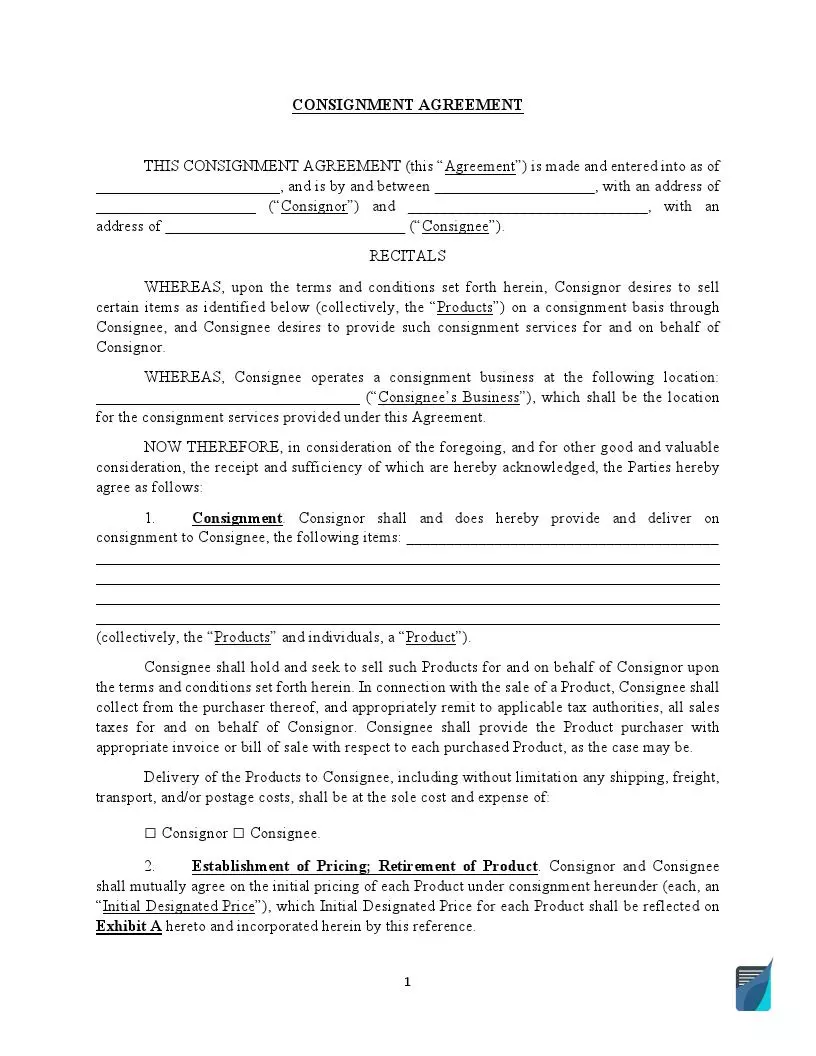
A good agreement can prevent confusion later. It can explain the selling price, commission, payment schedule, inventory records, and treatment of unsold goods. It can also explain who handles storage, transportation, loss, damage, and customer returns.
Different businesses need different details. A clothing store may need size and condition fields. A furniture retailer may need measurements and delivery terms. An art gallery may need artwork descriptions and artist information. Therefore, a template should be adapted to the actual transaction.
What Is a Consignment Agreement?
A consignment agreement is a written contract between a party providing goods and a party selling those goods. The owner is commonly called the consignor. The party receiving the goods for sale is commonly called the consignee.
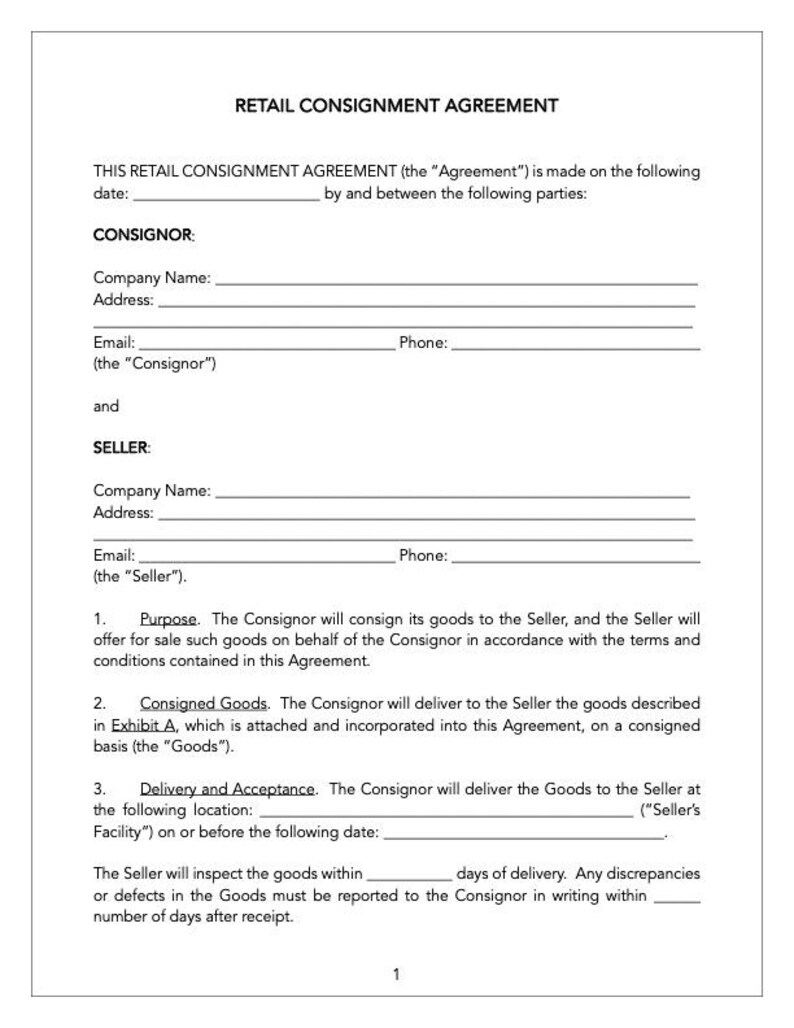
The agreement explains how the arrangement will operate. It can define the goods, prices, commission, payment dates, inventory procedures, and return process. It can also establish rules for damaged or missing items.
This structure is useful because possession and ownership can be different. The consignee may hold the goods and display them for customers. However, the consignor may continue to own those goods until they are sold under the agreed terms.
For that reason, verbal arrangements can create unnecessary uncertainty. A written contract gives both parties the same reference point. It also makes later inventory checks much easier.
Why Written Terms Matter
A written agreement reduces ambiguity. It tells each party what to expect before the goods change hands.
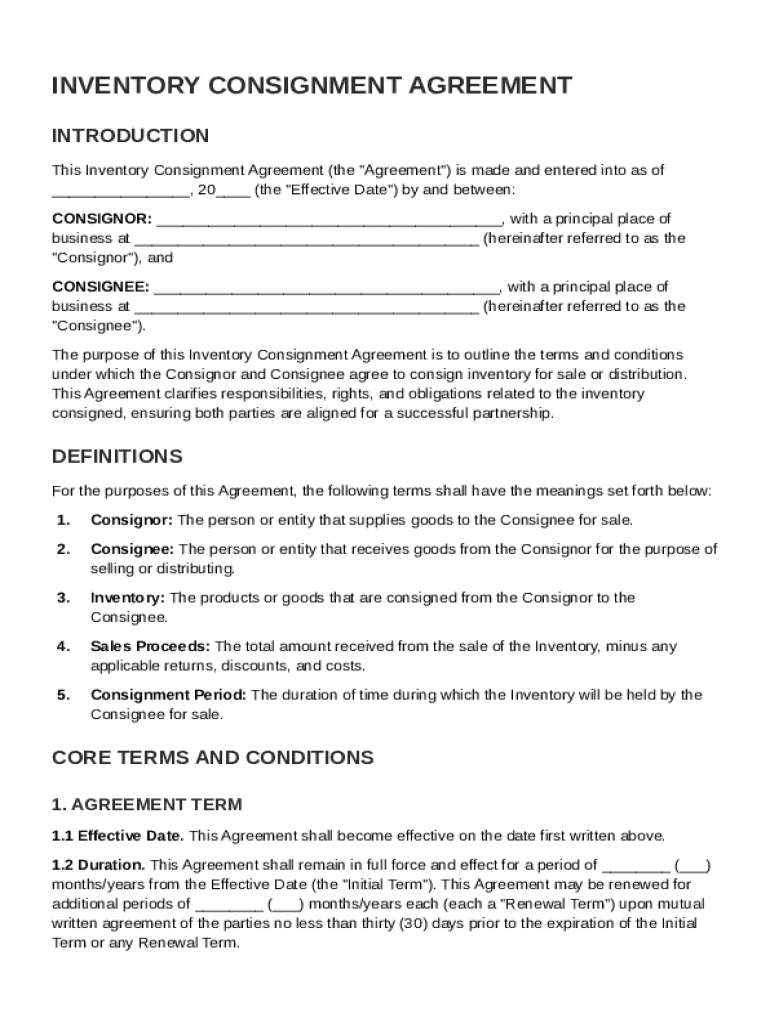
For example, imagine a store receives ten jackets from a supplier. The agreement can record each jacket, its condition, its selling price, and the commission. When one jacket sells, the store can update the inventory record.
This process creates a simple trail from delivery to sale. It also helps both parties identify what remains in stock.
Important Parts of Consignment Agreement Templates
The best Consignment Agreement Templates cover the main business questions. They do not need unnecessary wording. Instead, they should make important responsibilities easy to understand.
- Parties: Identify the consignor and consignee accurately.
- Goods: Describe every item covered by the agreement.
- Ownership: Explain who owns the goods during the arrangement.
- Pricing: State the initial selling price and pricing authority.
- Commission: Explain how the seller receives compensation.
- Payment: State when and how the owner receives proceeds.
- Inventory: Explain how items are recorded and reconciled.
- Loss and damage: Allocate responsibility for problems involving the goods.
- Returns: Explain what happens to returned customer purchases.
- Unsold goods: Establish the procedure for items that do not sell.
- Termination: Explain how the relationship can end.
- Signatures: Provide space for authorized parties to sign and date the agreement.

Each section should support the others. For example, the commission clause should work with the pricing clause. The payment clause should also explain how returns affect a previous settlement.
Clear connections between clauses make the agreement easier to manage. They also reduce the chance of conflicting interpretations.
How to Describe Consigned Goods
Inventory descriptions should be specific. A vague description can cause problems when several similar items are involved.
For a simple product, the record may include the product name, quantity, price, and condition. For valuable goods, more details may be useful.
- Brand or manufacturer
- Model number
- Serial number
- Color
- Size
- Material
- Quantity
- Condition
- Agreed selling price
- Internal inventory number
A separate inventory schedule can make this process easier. The agreement establishes the general rules. The schedule then identifies the actual goods.
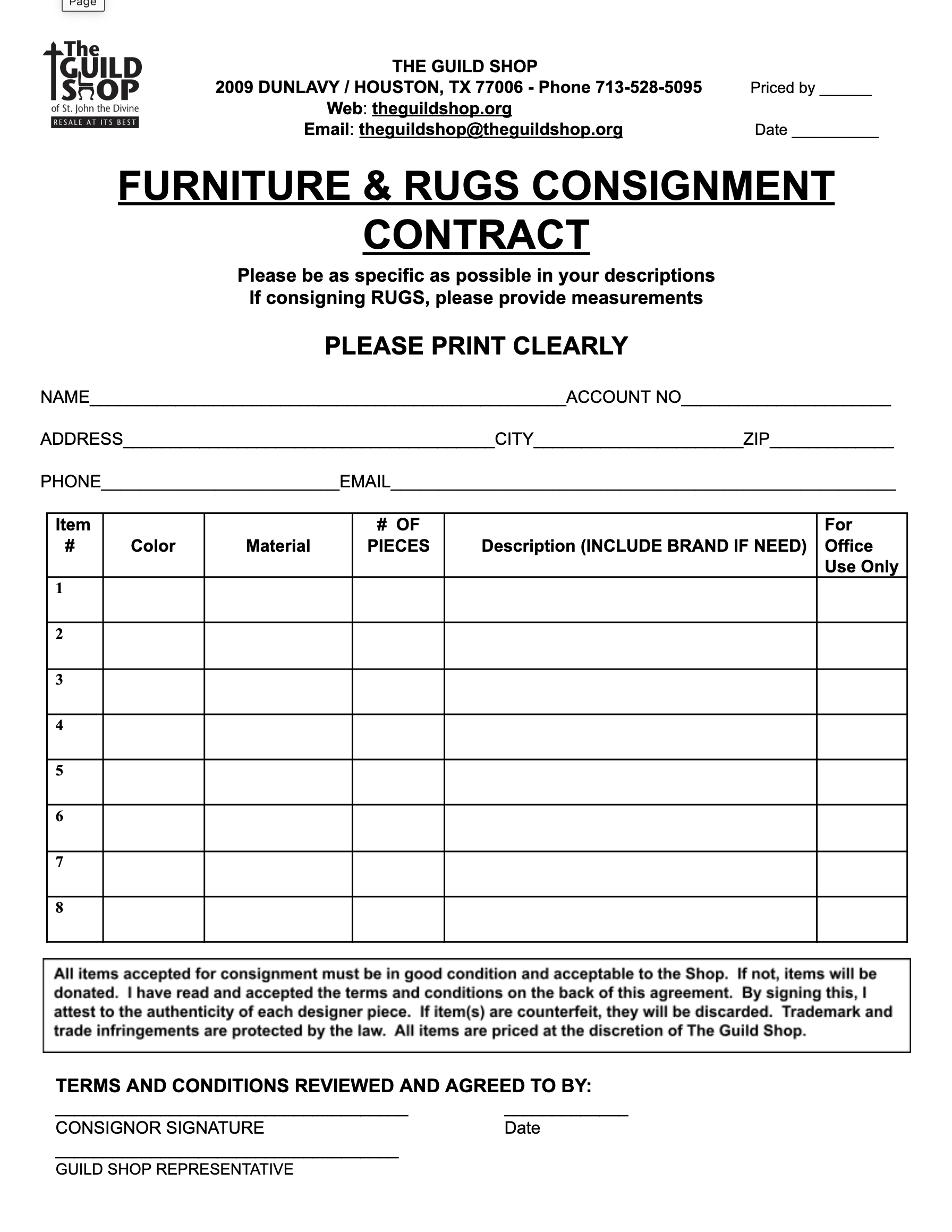
This approach works well when inventory changes regularly. Each new delivery can receive its own dated record. As a result, both parties can distinguish new goods from earlier inventory.
Pricing and Commission Terms
Pricing should be easy to understand. The agreement should state the initial price and explain who can change it.
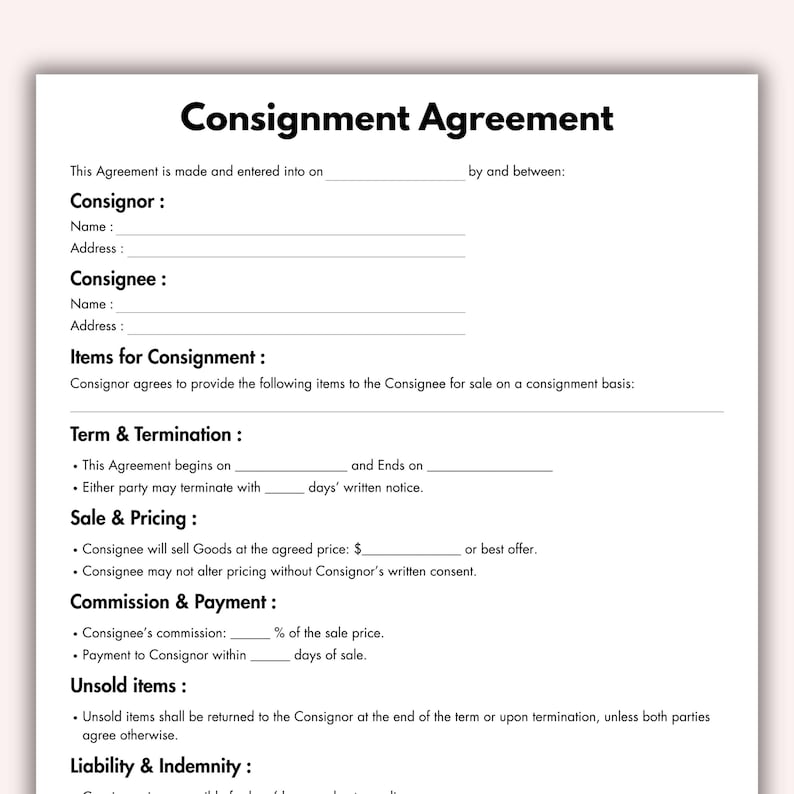
The contract should also explain discounts. For instance, the consignee may need written approval before reducing a price. Alternatively, the agreement may permit scheduled reductions after a certain period.
The commission formula should be equally clear. Suppose an item sells for $200 and the agreed commission is 40 percent. The consignee would receive $80. The consignor would receive $120 if no other deductions apply.
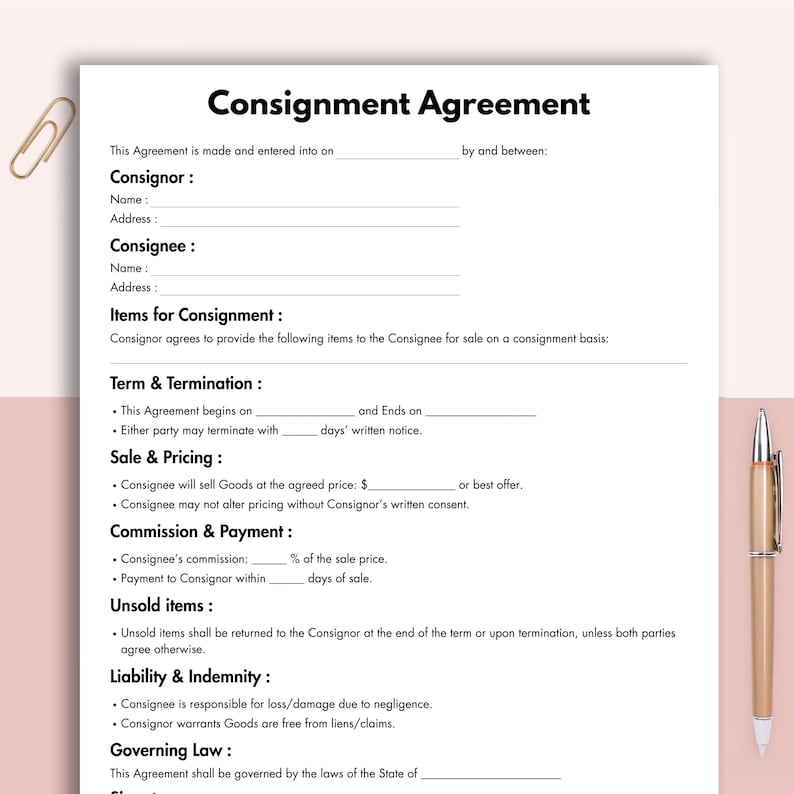
This is a hypothetical example. Actual agreements may use different percentages or calculation methods. Therefore, the contract should state exactly how the amount is calculated.
It should also explain what happens after a customer returns an item. A previous payment may need to be adjusted. The agreement should provide a clear process for that situation.
Choosing an Editable Document Format
People searching for consignment agreement template word often want an editable document. An editable format can make it easier to change business names, add inventory fields, adjust clauses, and update payment terms.
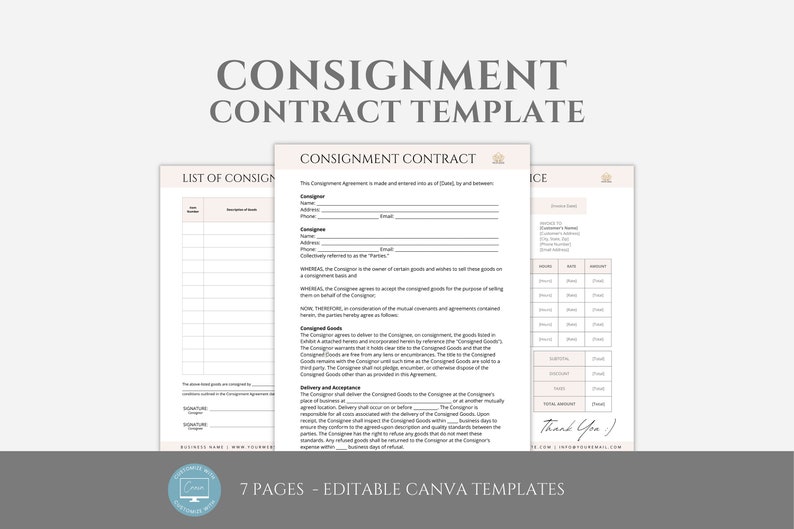
People searching for consignment agreement templates word may also need a document for repeated use. In that case, consistency becomes important. Every new agreement should use the same basic structure.
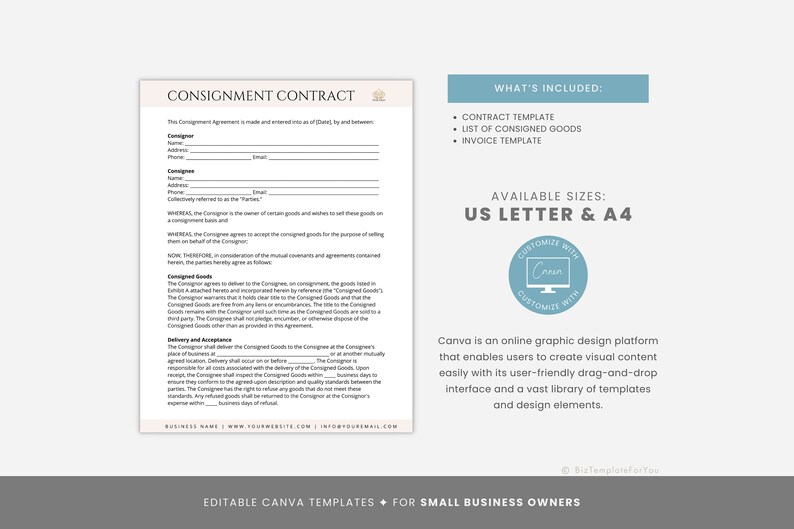
A fixed PDF format can be useful when the final wording must remain unchanged. People searching for consignment agreement templates pdf may prefer this format for records, printing, or final review.
The file format is only one consideration. The wording remains more important. A polished document is not useful if it leaves out important commercial terms.
Simple Agreements for Straightforward Transactions
A free simple consignment agreement template can serve as a starting point for a straightforward arrangement. The transaction may involve a small number of goods, one seller, one owner, and a clearly defined commission.
A simple document should still contain the essential information. Shorter does not always mean better. The goal is clarity.
Before signing, check the parties, goods, prices, commission, payment schedule, responsibility for damage, return procedure, and termination terms.
Clothing Consignment Agreements
Consignment agreement templates for clothing need item-level details. Clothing can vary by brand, size, color, condition, season, and style.
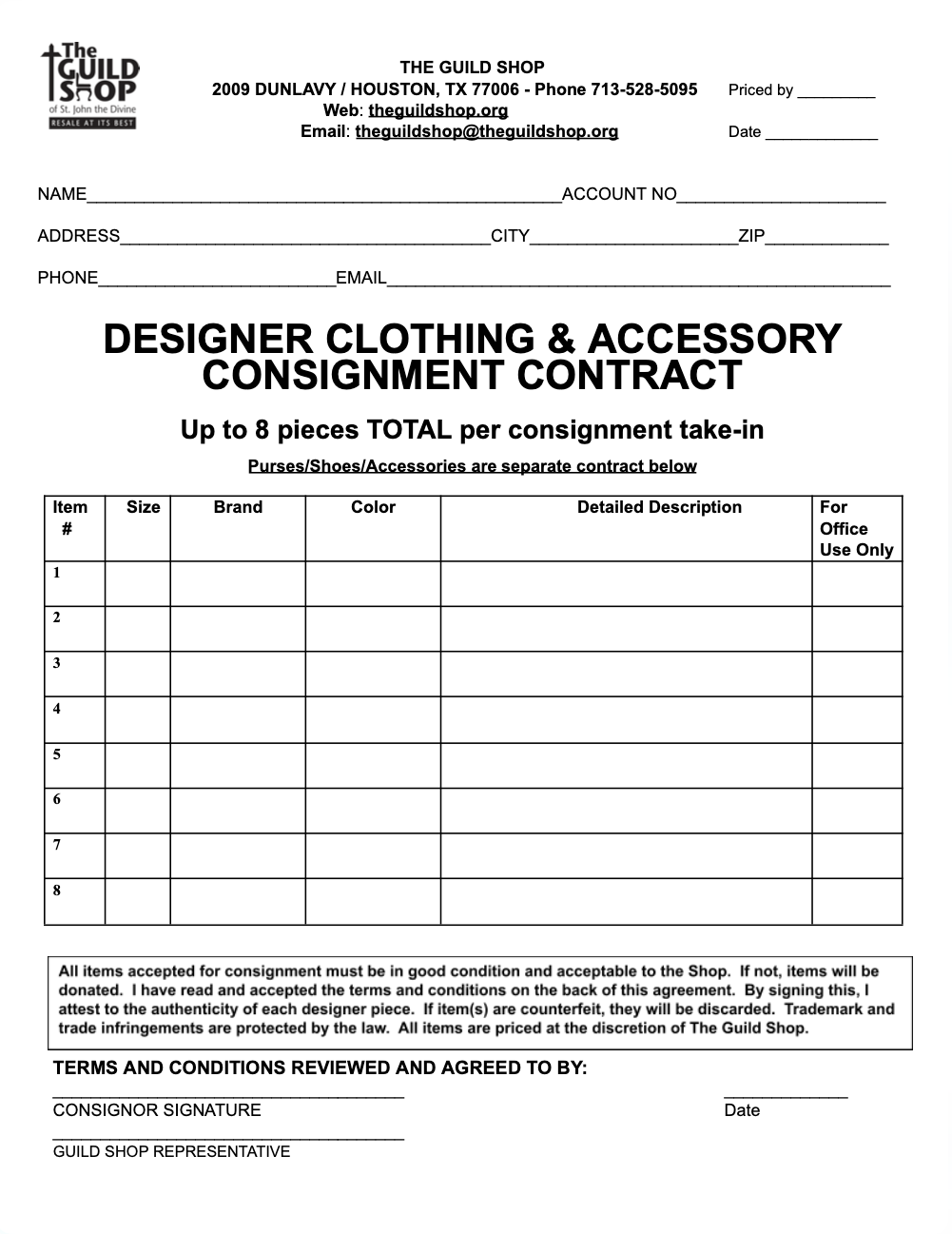
A clothing inventory record may include the brand, size, color, condition, price, and item number. It can also record stains, missing labels, alterations, or other relevant conditions.
This level of detail helps both parties understand exactly what was received. It also makes inventory reconciliation easier after a sale.
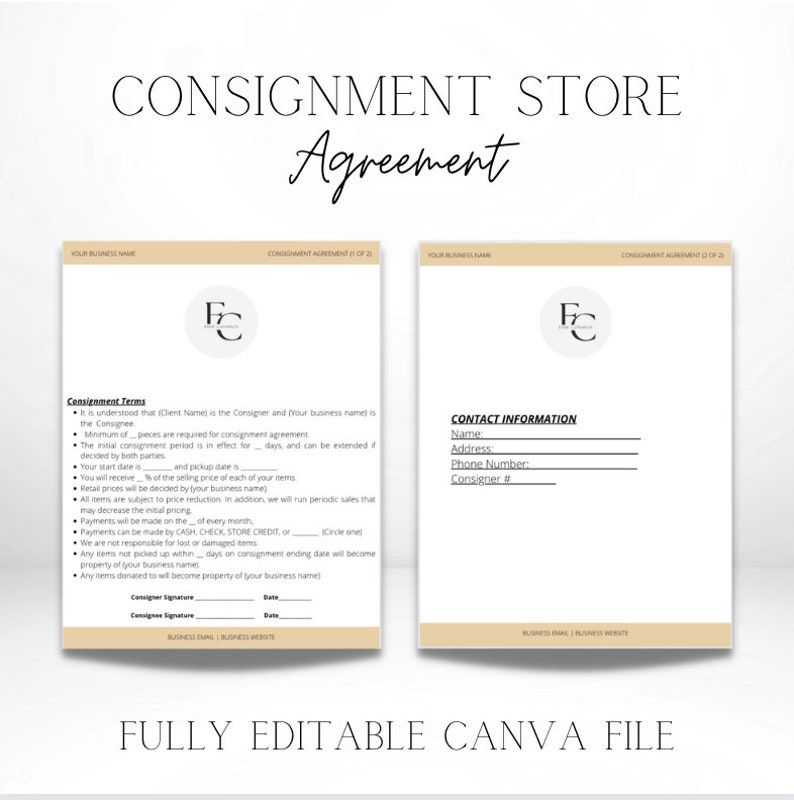
A clothing agreement may also define how long an item remains available for sale. It can explain what happens when that period ends. For example, the item may be returned to the owner or remain under a renewed agreement.
Furniture Consignment Agreements
Consignment agreement templates for furniture often need more physical details than ordinary merchandise agreements.
Furniture can be large, heavy, fragile, or difficult to transport. Therefore, the agreement should address storage and movement where relevant.
- Dimensions
- Material
- Color
- Number of pieces
- Condition
- Delivery arrangements
- Storage responsibility
- Transportation costs
- Damage procedures
A detailed condition report can also help. The parties can record existing scratches, marks, repairs, or other defects before the item enters the store.
This process creates a useful baseline. If the furniture is later returned, both parties can compare its condition with the original record.
New Zealand Considerations
People searching for a consignment agreement template nz should consider the laws that apply to their specific transaction. A general template should not automatically be treated as a jurisdiction-specific legal document.
Business.govt.nz explains that written contracts can help businesses establish expectations and reduce commercial risk. The site also discusses security interests and the Personal Property Securities Register in situations where those matters are relevant.
Consumer obligations may also matter when a business sells goods to consumers. Business.govt.nz explains that consumer laws can apply to businesses selling products and services.
The correct legal treatment depends on the circumstances. For a valuable transaction or a complex arrangement, professional legal advice can help confirm that the agreement fits the intended relationship.
Payment and Settlement Records
Payment terms should answer a simple question: when does the consignor receive money after an item sells?
The contract may establish a payment date after each sale. It may also establish a recurring settlement cycle.
Each settlement should identify the items sold. It should also show the selling price, agreed commission, permitted deductions, and final amount payable to the consignor.
This record creates transparency. It also makes it easier to investigate a question if either party notices a discrepancy.
Managing Unsold Goods
Unsold inventory deserves its own section. The agreement should explain what happens when the selling period ends.
The parties may agree on a return date. They may also agree to extend the selling period. Another possibility is an approved price reduction.
Whatever process is chosen, the agreement should explain it before the goods are delivered. This prevents both parties from making different assumptions later.
Inventory Reconciliation
Inventory reconciliation means comparing the goods received with goods sold, returned, damaged, or still held by the consignee.
A simple process can work well. First, record every item at intake. Next, update the record when an item sells. Then record customer returns and returned inventory. Finally, reconcile the remaining items at regular intervals.
This process is especially useful when a business manages many consignors. It provides a consistent way to track inventory across different agreements.
Common Problems to Avoid
Several problems appear repeatedly in consignment arrangements. Most can be reduced through clear terms and accurate records.
Vague Pricing Rules
If the agreement does not explain who can change prices, disagreements can occur. State whether discounts require approval. Also state whether automatic markdowns are allowed.
Incomplete Inventory Records
A description such as “five shirts” may not be enough. Record details that distinguish one item from another.
Unclear Damage Responsibility
Damage can happen during storage, transportation, display, or handling. The agreement should explain who carries responsibility in each relevant situation.
No Process for Unsold Items
An agreement should not end with the sale of the last item. It should also explain what happens to goods that remain unsold.
How to Review an Agreement Before Signing
Read the agreement from both sides. The consignor should check ownership, pricing, commission, payment, inventory, returns, and damage provisions.
The consignee should review storage duties, sales authority, payment calculations, customer returns, marketing responsibilities, and unsold goods.
Next, check every blank field. Missing information can create problems when it concerns dates, prices, commission percentages, or payment schedules.
Finally, make sure every referenced inventory list or attachment is actually included. Both parties should keep a copy of the signed agreement and related inventory records.
Practical Solution
The practical way to use Consignment Agreement Templates is to customize the document before goods change hands. Begin with the commercial relationship. Then add the details that control daily operations.
- Identify the parties. Use accurate names and contact details.
- List the goods. Record item descriptions, quantities, condition, and identifiers.
- Set prices. State the initial price and explain who controls later changes.
- Define commission. Explain the calculation with clear wording.
- Set payment dates. Identify when settlement occurs.
- Explain deductions. State which costs can reduce the amount payable.
- Set inventory procedures. Explain how sales, returns, and remaining stock are recorded.
- Address damage. Assign responsibility for relevant risks.
- Handle unsold goods. Establish return or extension procedures.
- Review the final document. Check every clause before signing.
After signing, use the agreement as an operating guide. Keep inventory records current. Record every sale. Reconcile payments on schedule. Document returned goods. Keep communication about unusual changes in writing.
This workflow turns the agreement into a practical business record. It does more than establish initial terms. It supports daily inventory management and periodic settlement.
Final Review Checklist
Before using any Consignment Agreement Templates, run through a short checklist. This final review can reveal missing information before it becomes a business problem.
- Are both parties correctly identified?
- Are all consigned goods clearly described?
- Is ownership clearly addressed?
- Is the selling price documented?
- Is the commission calculation clear?
- Are payment dates specified?
- Are deductions explained?
- Is inventory reporting addressed?
- Is damage responsibility clear?
- Is the customer return process explained?
- Are unsold goods covered?
- Are termination terms clear?
- Are all attachments included?
- Have both parties reviewed the final wording?
A well-organized agreement should be easy to read and easy to operate. Short paragraphs help readers locate important information quickly. Clear headings also make individual provisions easier to review.
Reference Examples
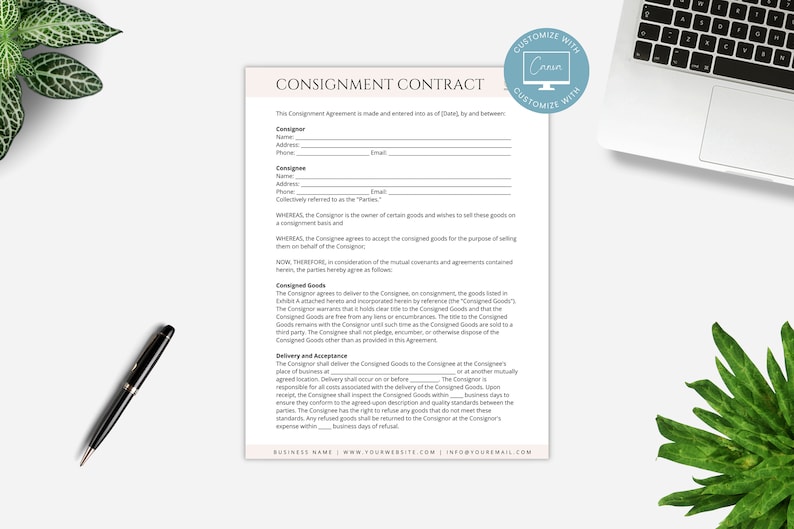
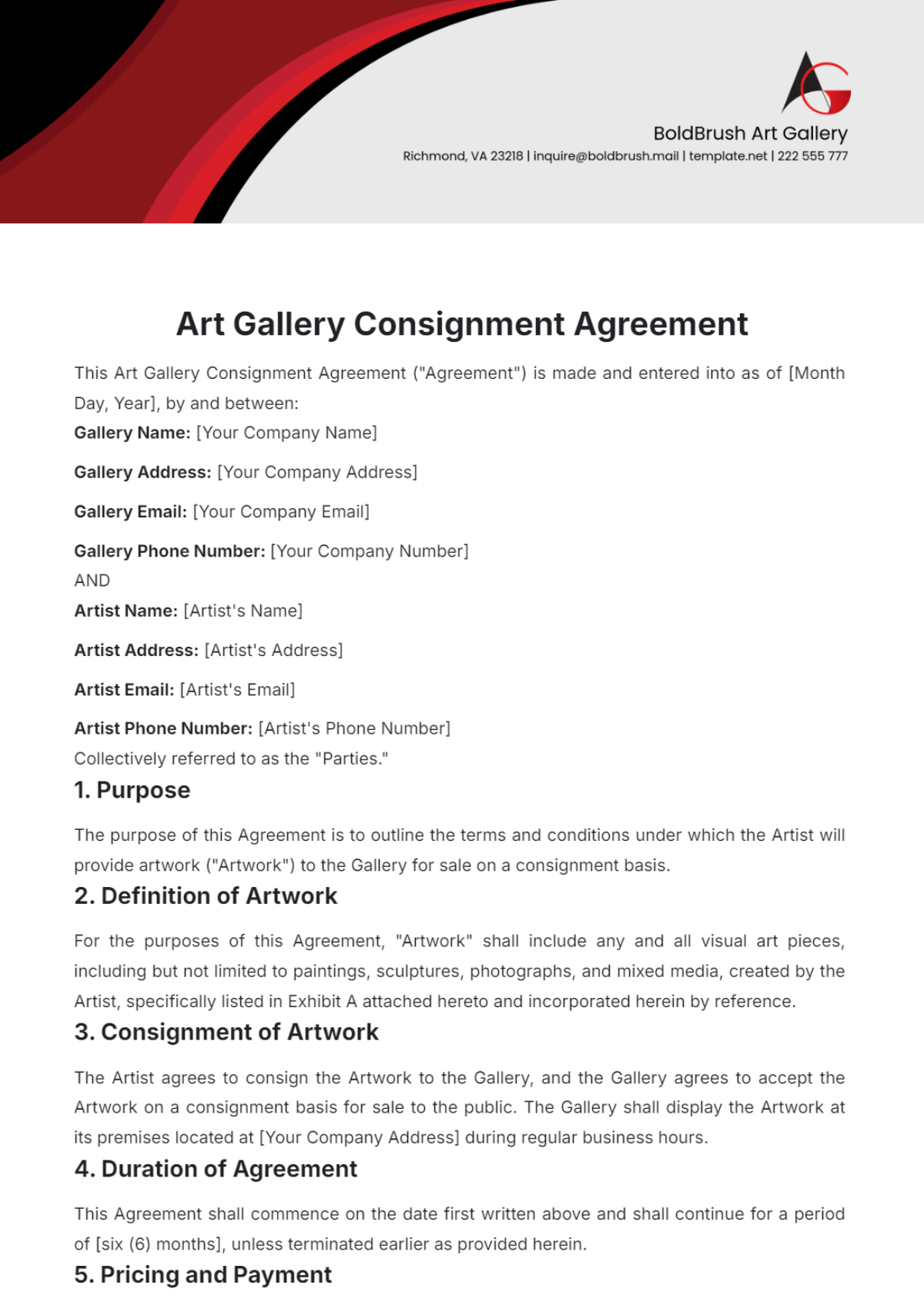
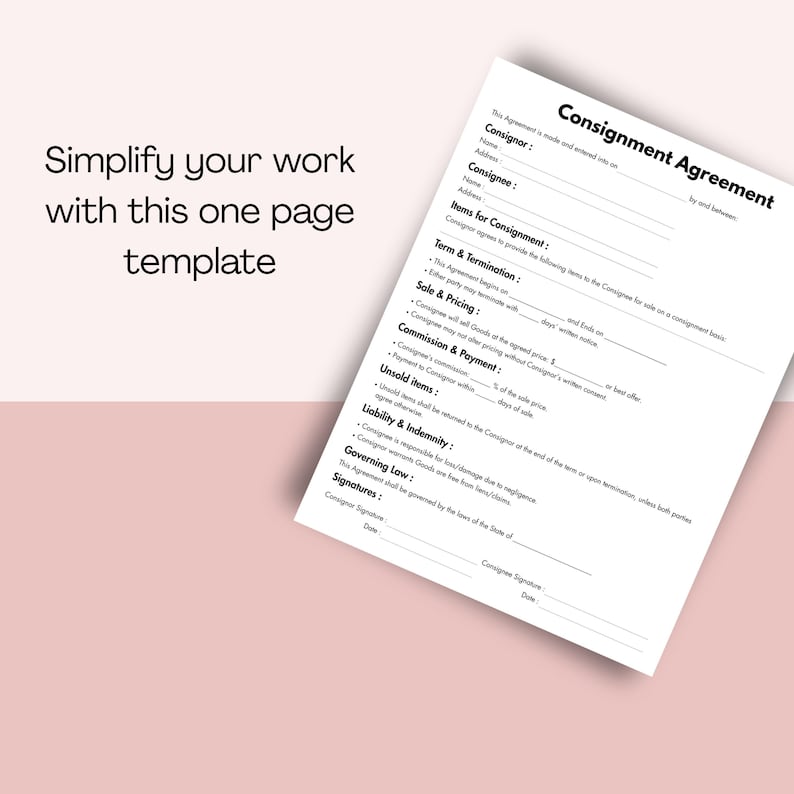
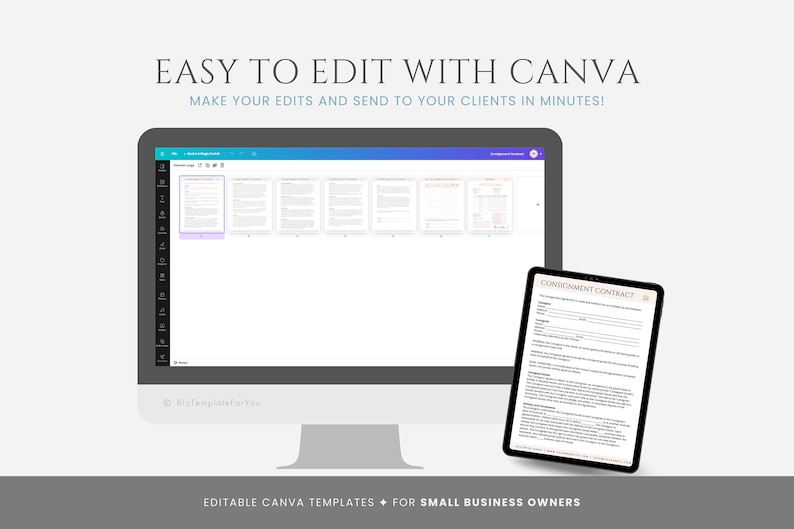
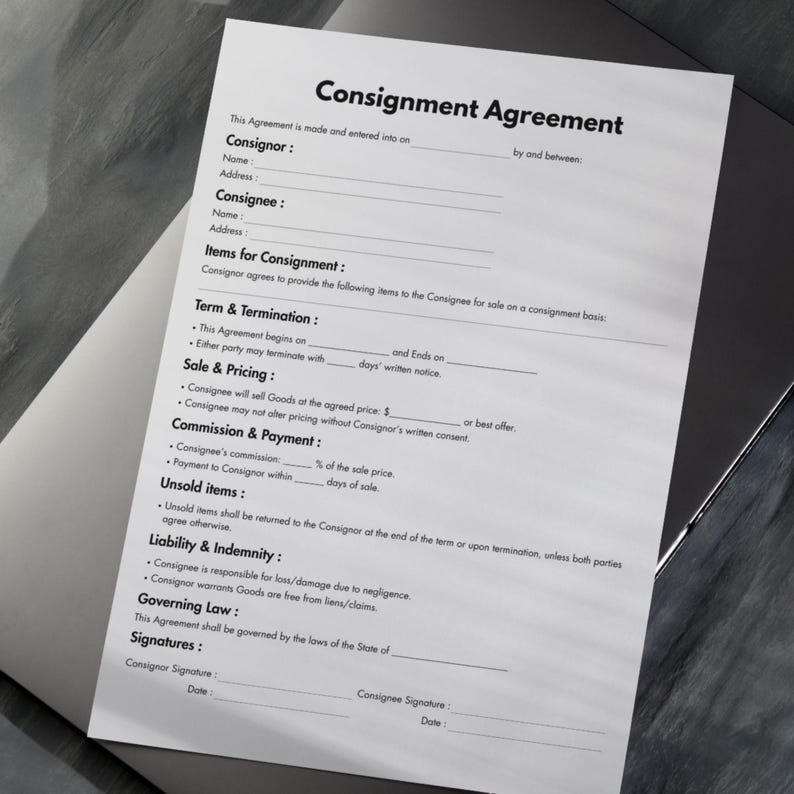
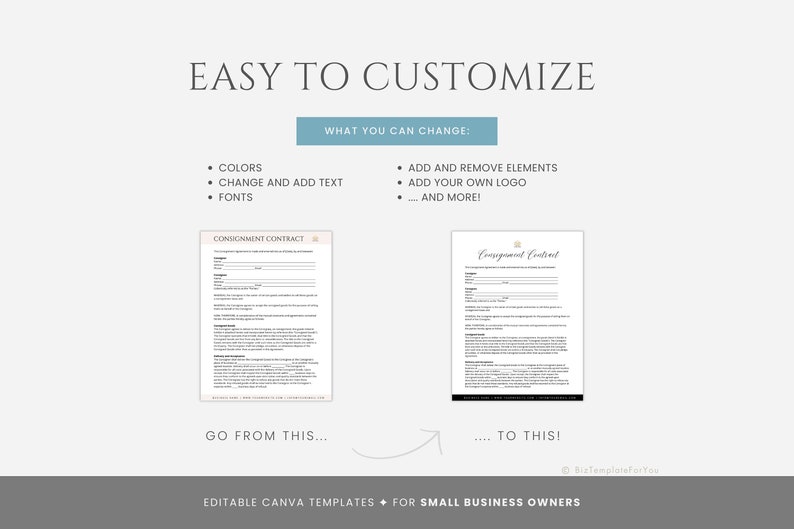
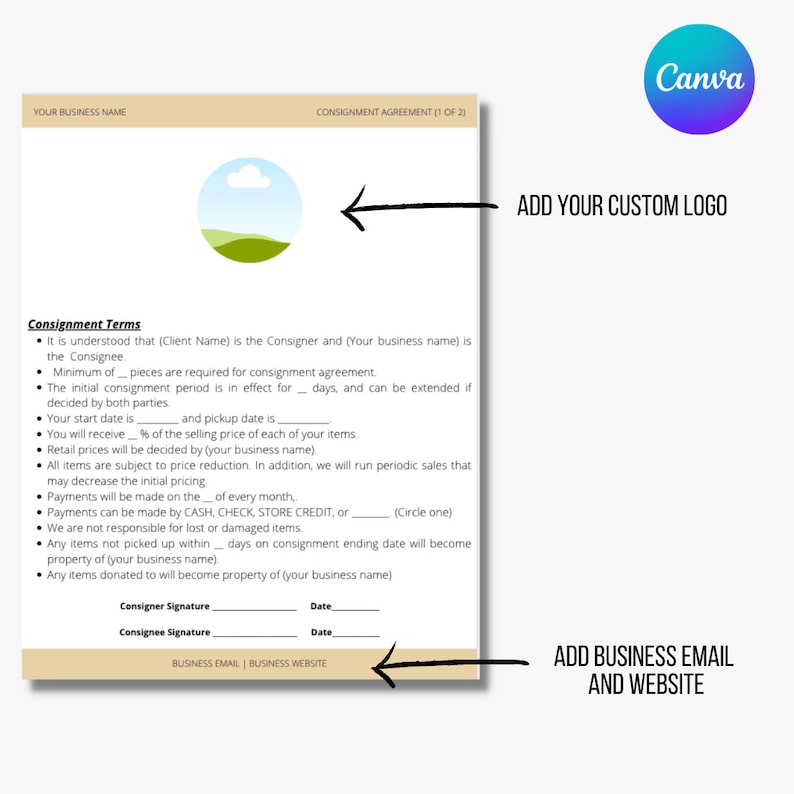
Consignment Agreement Templates can appear in several layouts. Some focus on contract terms. Others emphasize inventory records, product descriptions, pricing, or payment details. The examples below show how different documents organize these elements. They can help readers recognize the practical fields that may be useful in a consignment arrangement. However, a visual example should be treated as a reference rather than as a universal contract for every business or jurisdiction.
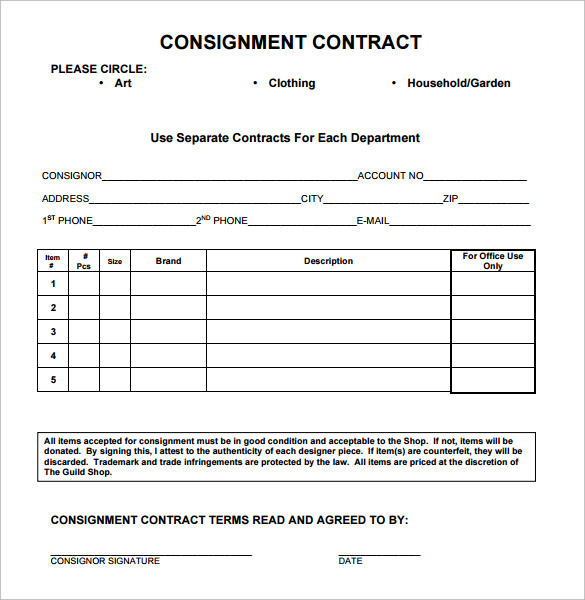
These visual references also show why the structure of Consignment Agreement Templates should match the goods involved. Clothing records may need size and brand information. Furniture records may need dimensions and materials. Gallery records may need artwork and artist details. Comparing different layouts can therefore help a business identify the information it needs before preparing its own agreement.
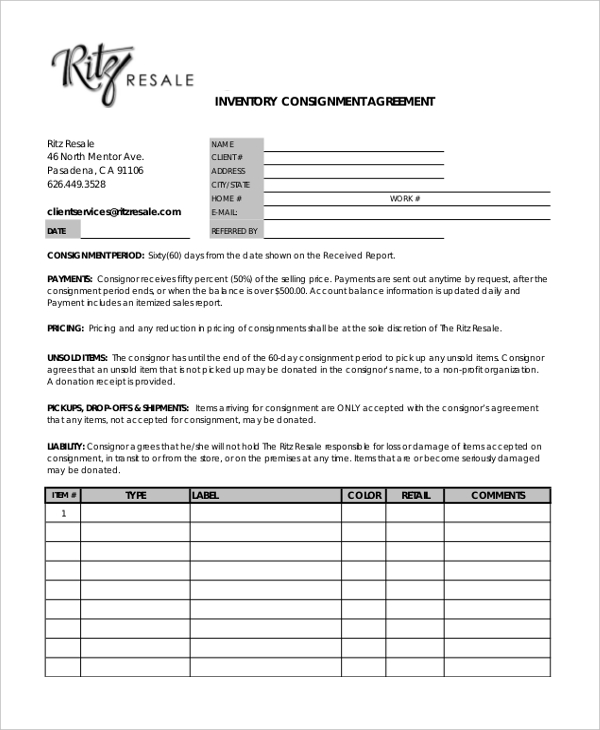
Inventory Consignment Agreement
Source: SampleForms
Retail Consignment Agreement
Source: Etsy
Consignment Contract
Source: National Grief Awareness Day
Designer Clothing and Accessory Consignment Contract
Source: The Guild Shop
Art Gallery Consignment Agreement
Source: Template.net