Accident report templates and print resources can make incident documentation much easier. A clear form helps people record important facts in the right order. It also reduces confusion when several people review the same report.
Whether you manage a workplace, school, fleet, construction site, or small business, a good accident form can save time. It gives the reporter clear prompts for dates, locations, people, injuries, damage, witnesses, and follow-up actions.
In this guide, you will learn how to choose, create, customize, and print an effective accident report form. You will also see how to adapt a form for vehicles, workplaces, schools, and other settings.

Why Use Accident Report Templates and Print Forms?
A structured form gives every report a clear starting point. Therefore, users do not need to decide what information to record after an incident occurs.
For example, a form can ask for the incident date, time, location, people involved, and witness details. It can then guide the reporter through injuries, property damage, and immediate actions.
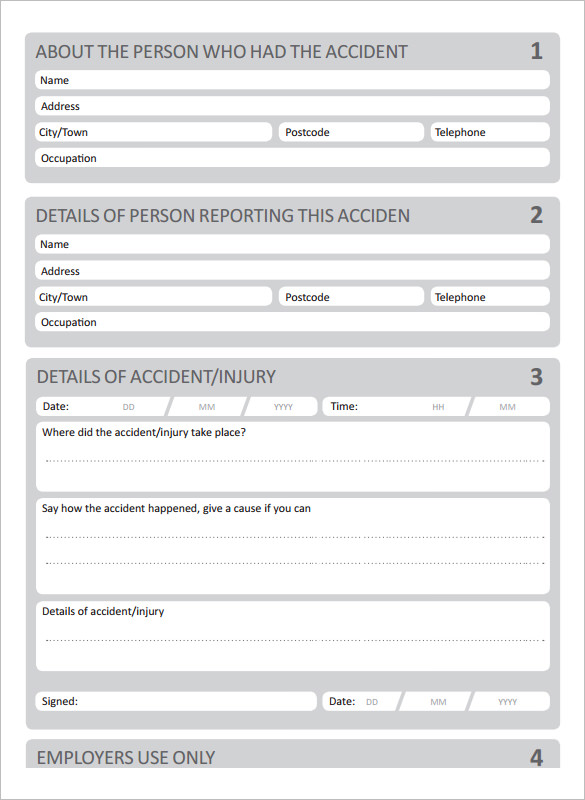
Consistency also matters. When every report follows a similar structure, supervisors can review incidents more quickly. In addition, organizations can identify repeated problems and plan suitable corrective actions.
A well-designed form should remain simple. Too many questions can slow the reporting process. On the other hand, too few questions can leave important facts undocumented.
What Are Accident Report Form Templates?
What are accident report form templates? They are prepared document layouts that help users record information about an accident or incident. The user fills in the relevant details instead of designing a new form each time.
Most forms include several basic sections. These sections may cover the incident, people involved, witnesses, injuries, property damage, evidence, and follow-up actions.
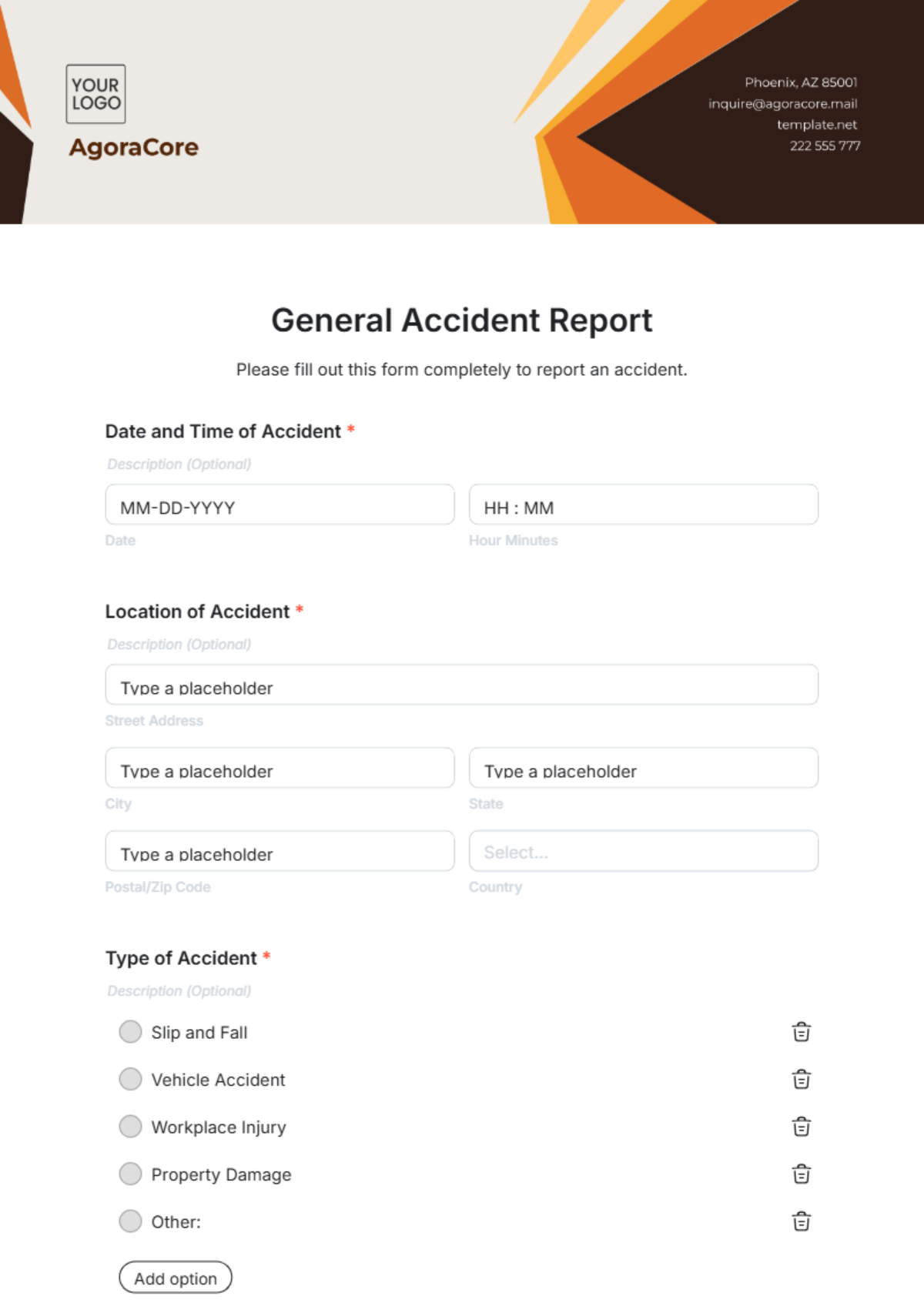
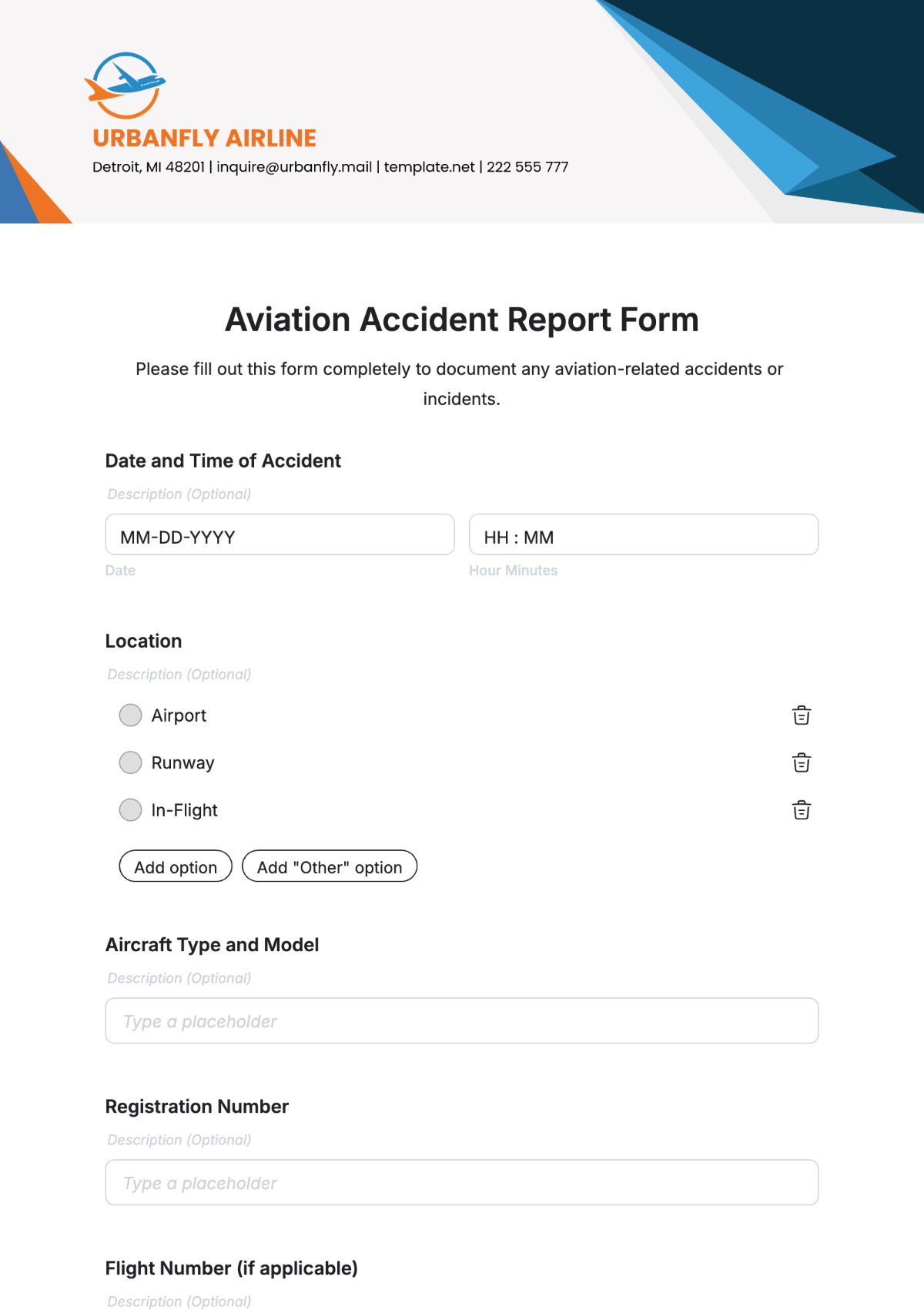
However, not every situation needs the same form. A vehicle collision requires different information from a workplace injury. Therefore, the best approach is to keep a common structure while adding fields for each specific situation.
Important Sections in an Accident Report
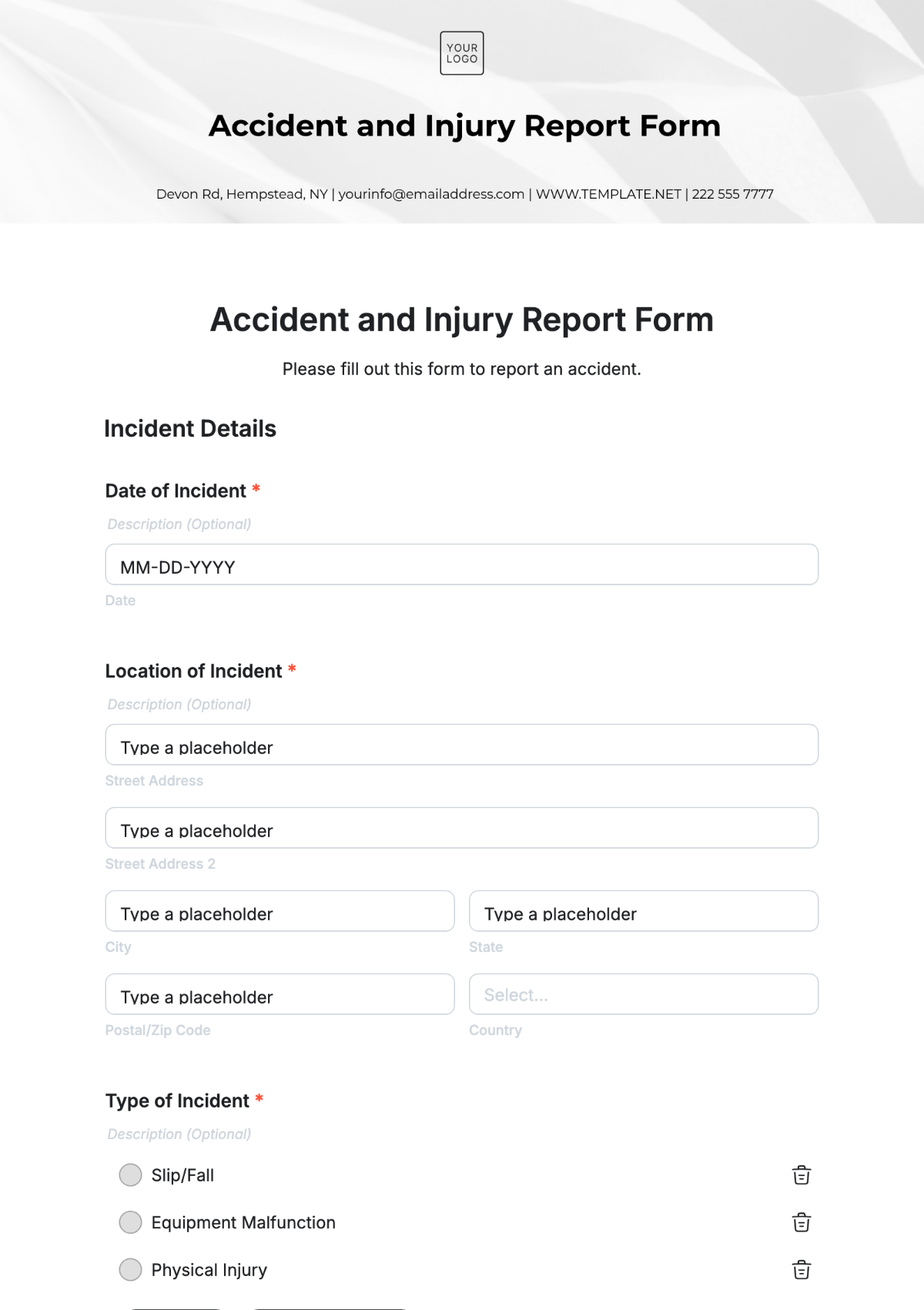
Incident details
Begin with the basic facts. Include the incident date, time, location, and report date. A report number can also help organizations track individual cases.
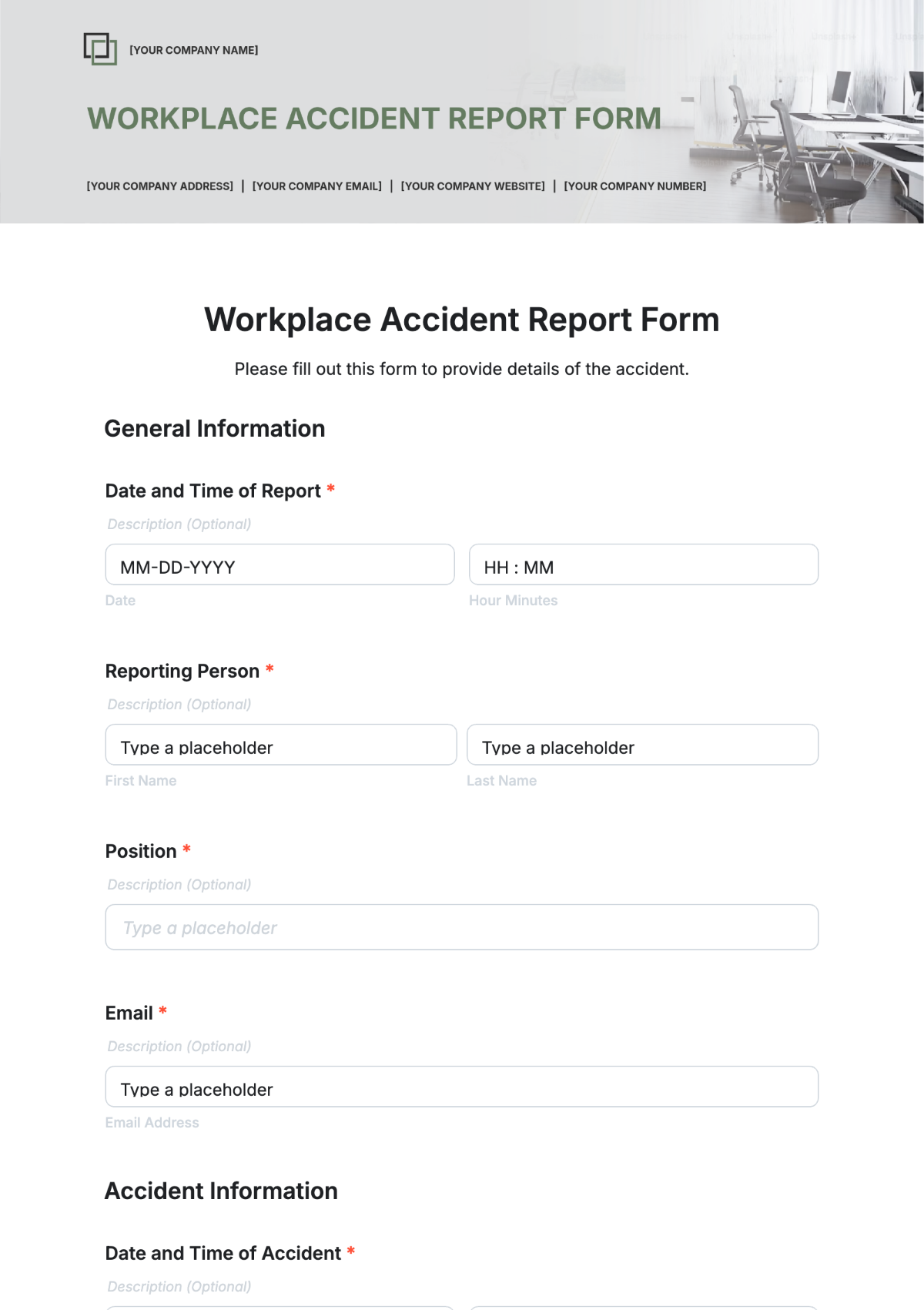
Next, identify everyone involved. Depending on the situation, this may include an employee, driver, passenger, visitor, student, contractor, or customer.
Incident description
The description should focus on facts. Explain what happened in chronological order. Avoid guessing about causes when the available information does not support a conclusion.
For example, instead of writing that someone acted carelessly, describe the person’s action and the surrounding conditions. This approach creates a clearer record.
Injuries and damage
Record visible injuries, reported symptoms, property damage, equipment damage, and immediate assistance. Also, note whether medical attention or emergency services became involved.
Keep observations separate from later conclusions. This distinction helps readers understand what the reporter knew at the time.
Witness information
Witnesses can provide useful details about an incident. Therefore, include space for names and relevant contact information.

If no witness exists, the reporter should indicate that clearly. That simple note prevents reviewers from assuming the field was forgotten.
Accident Report Templates and Print Templates for Different Situations
Different environments require different reporting details. Therefore, avoid forcing every incident into one oversized form.
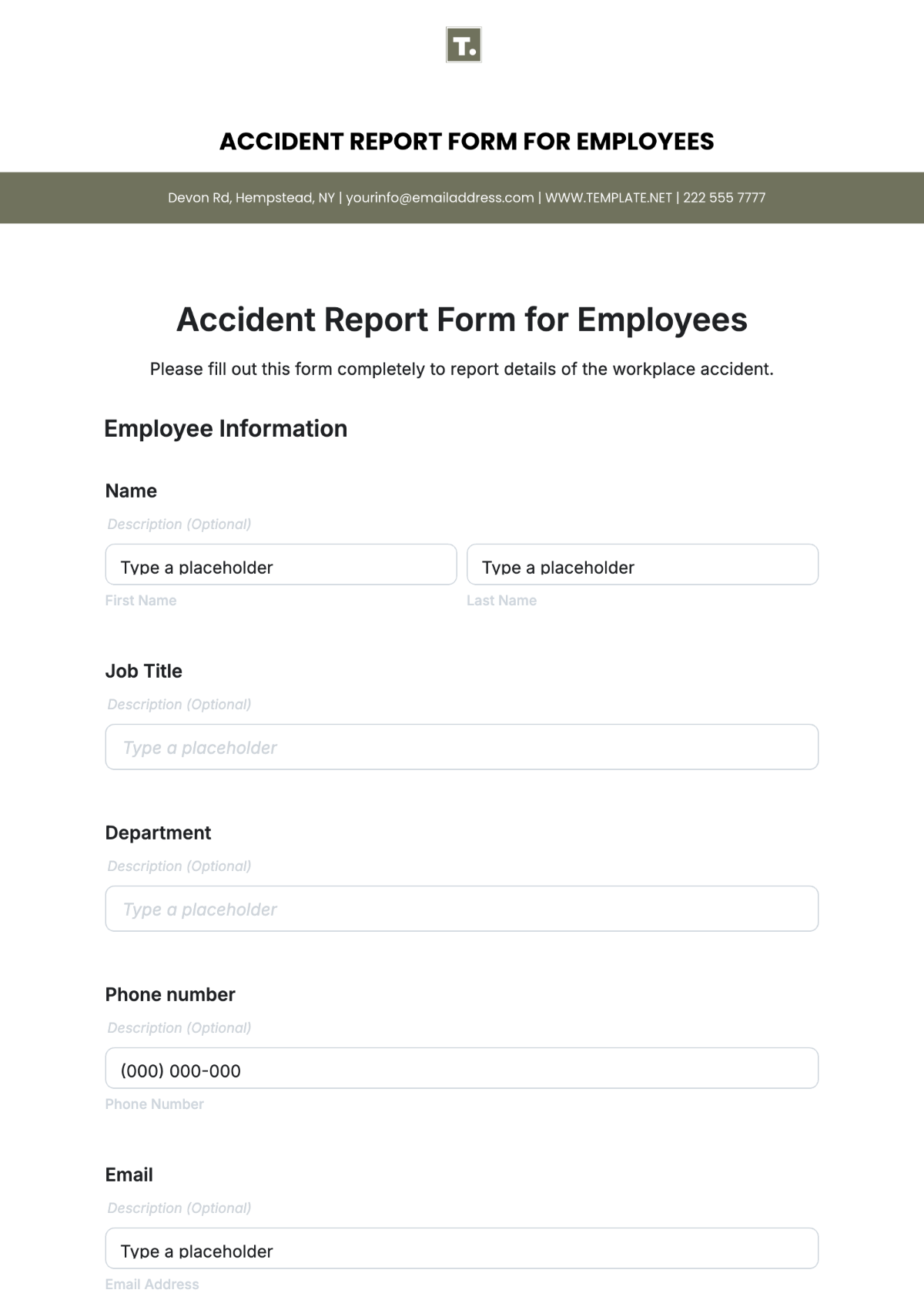
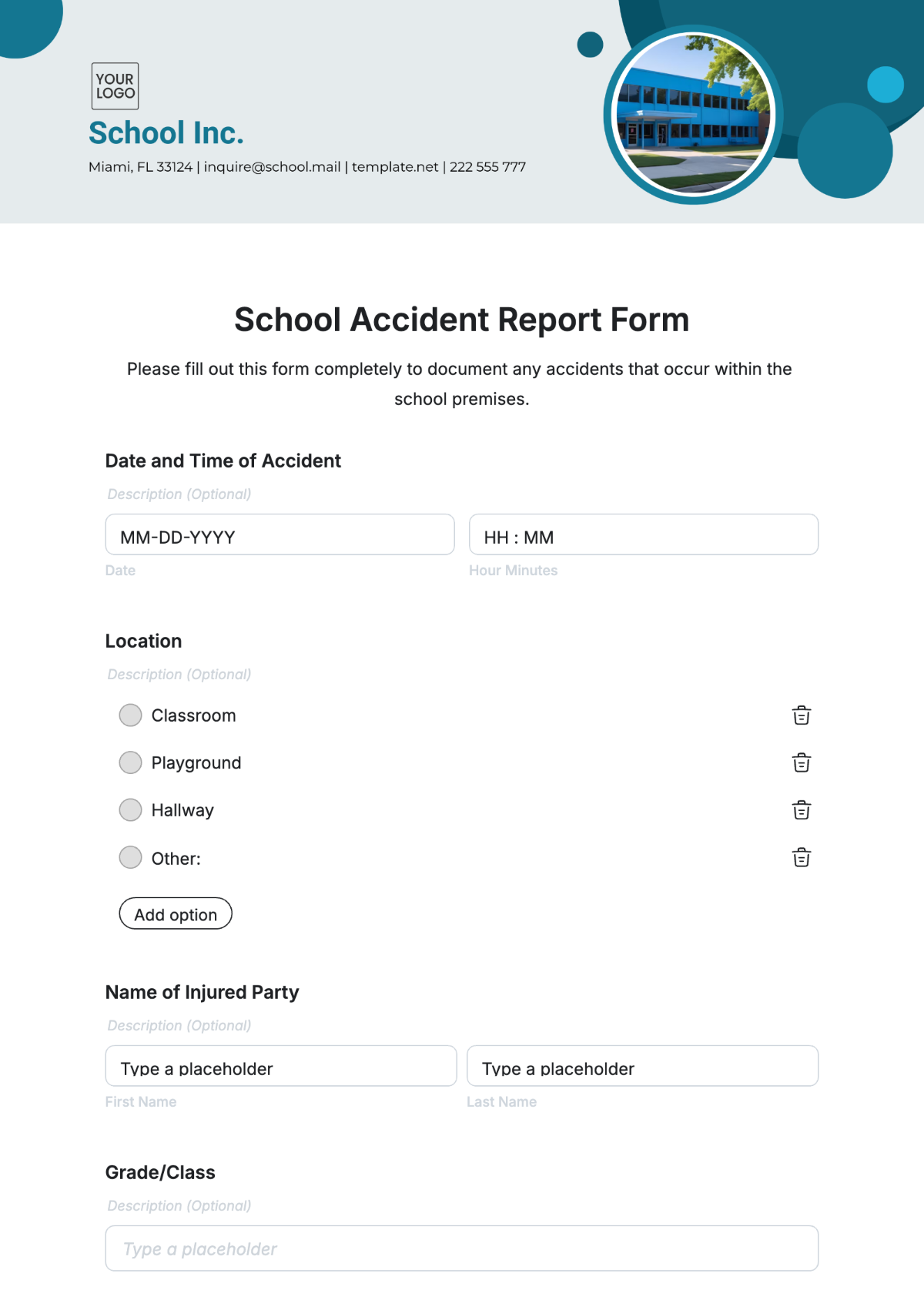
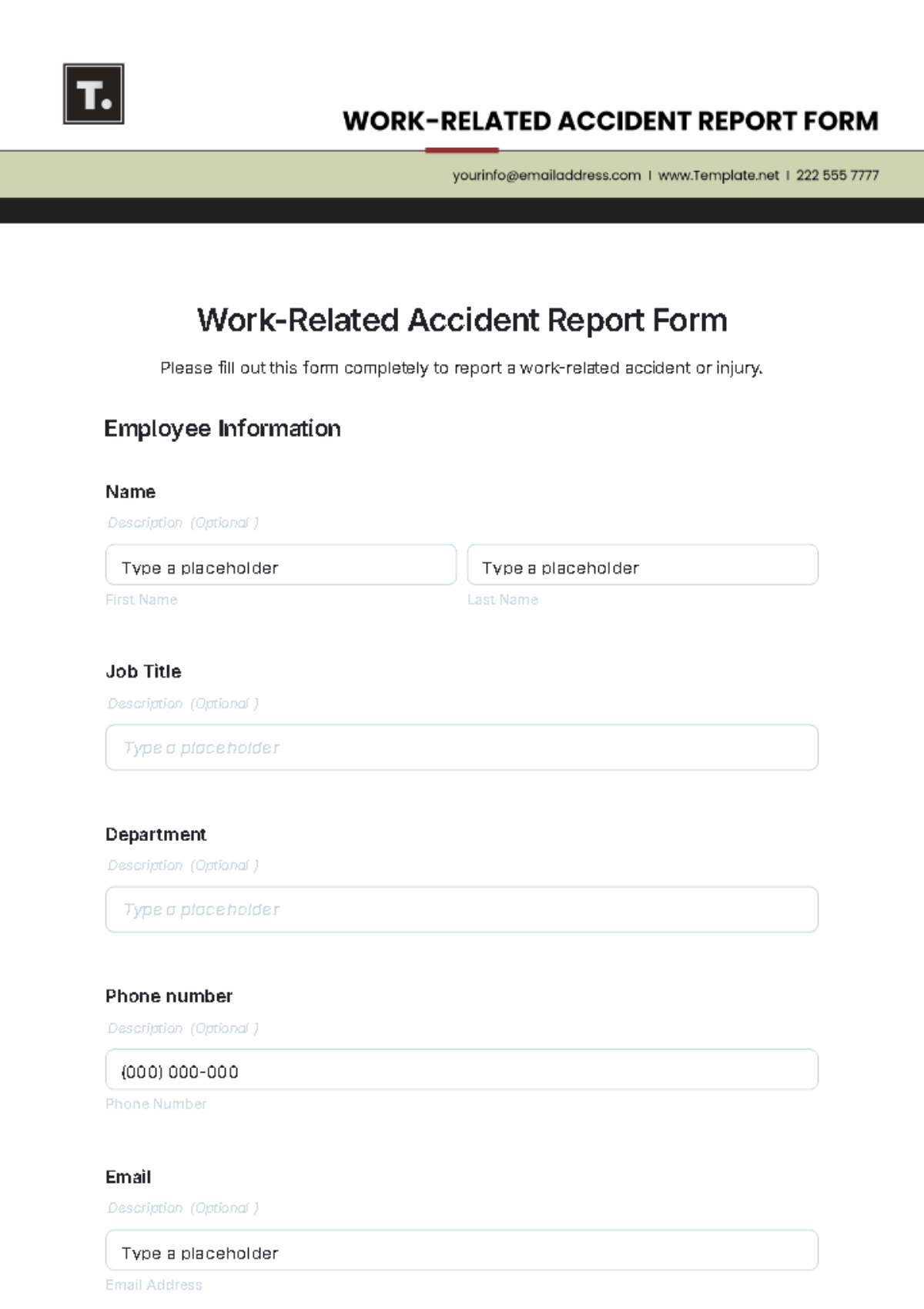
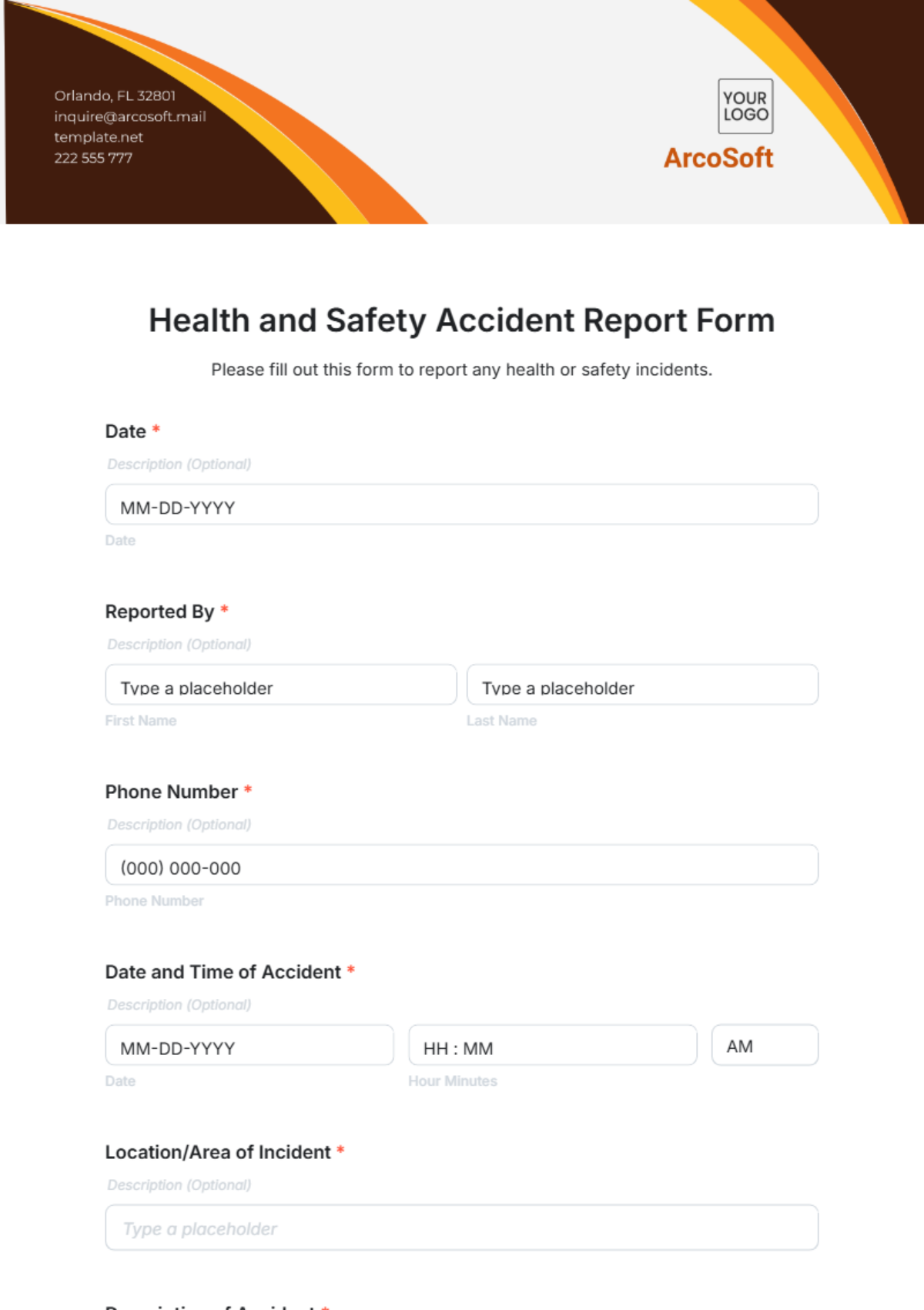
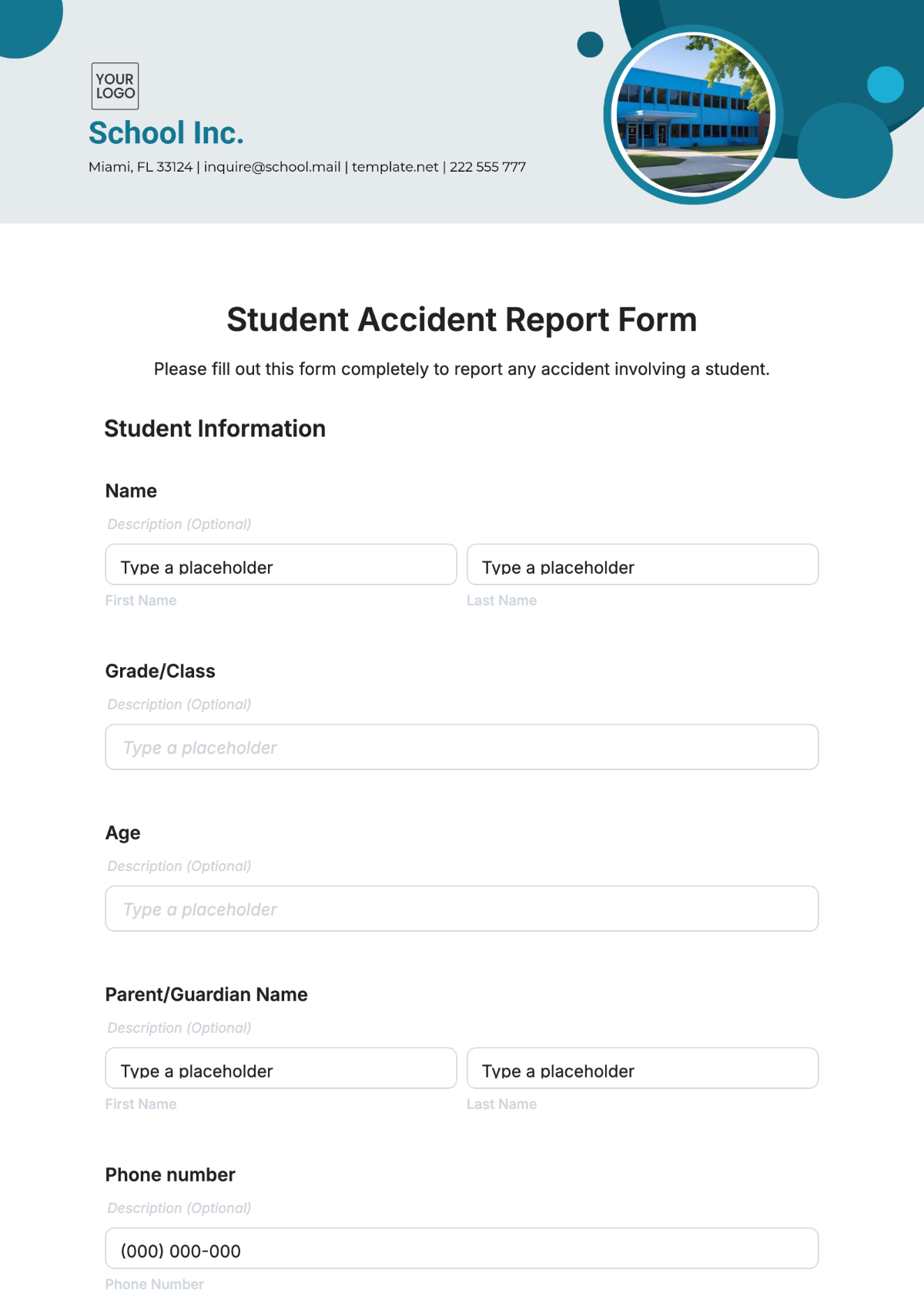
A workplace form can focus on the employee, task, equipment, work area, injury, witnesses, and corrective action. Meanwhile, a school form can focus on the student, activity, supervisor, location, injury, and parent or guardian contact.
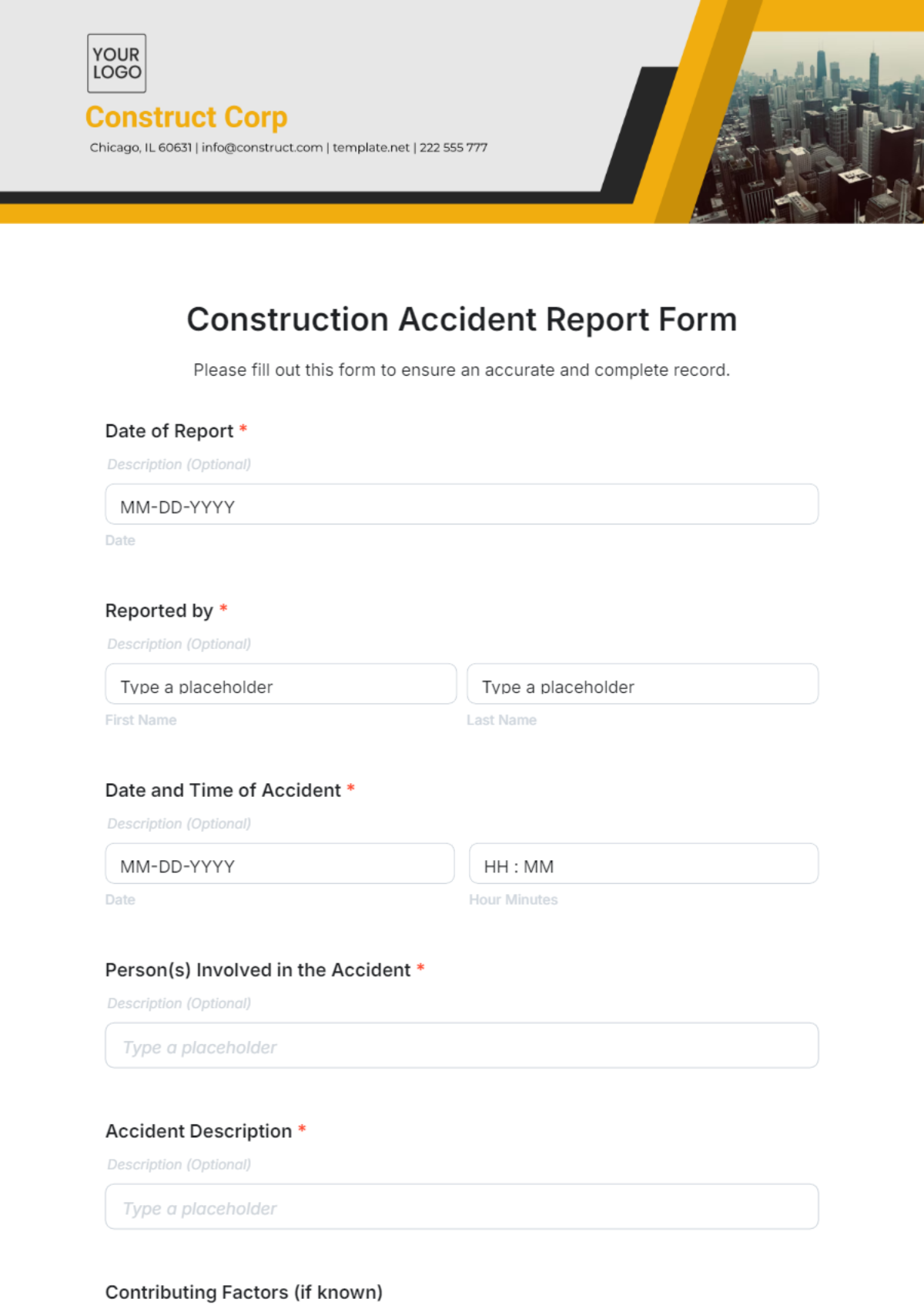
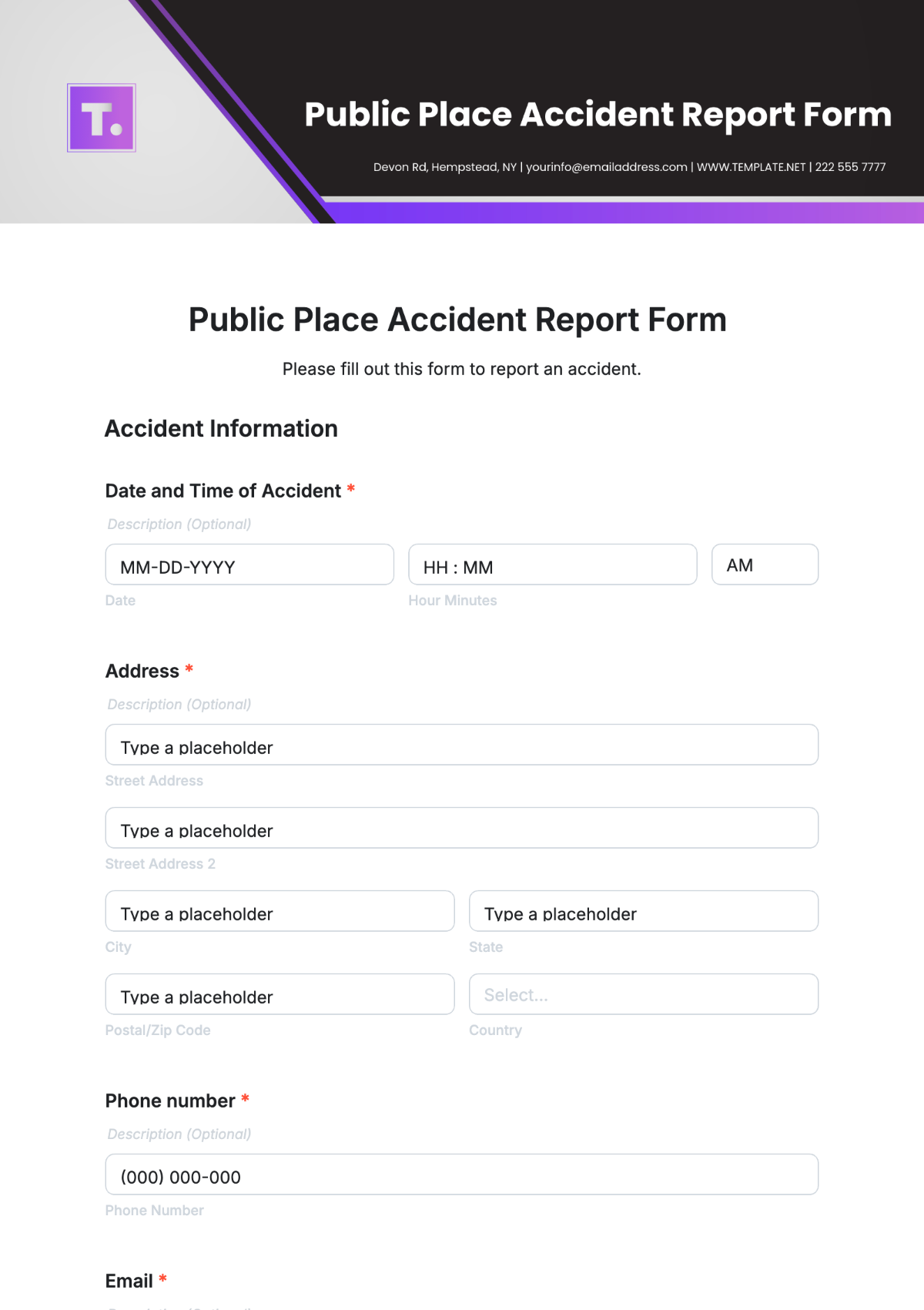
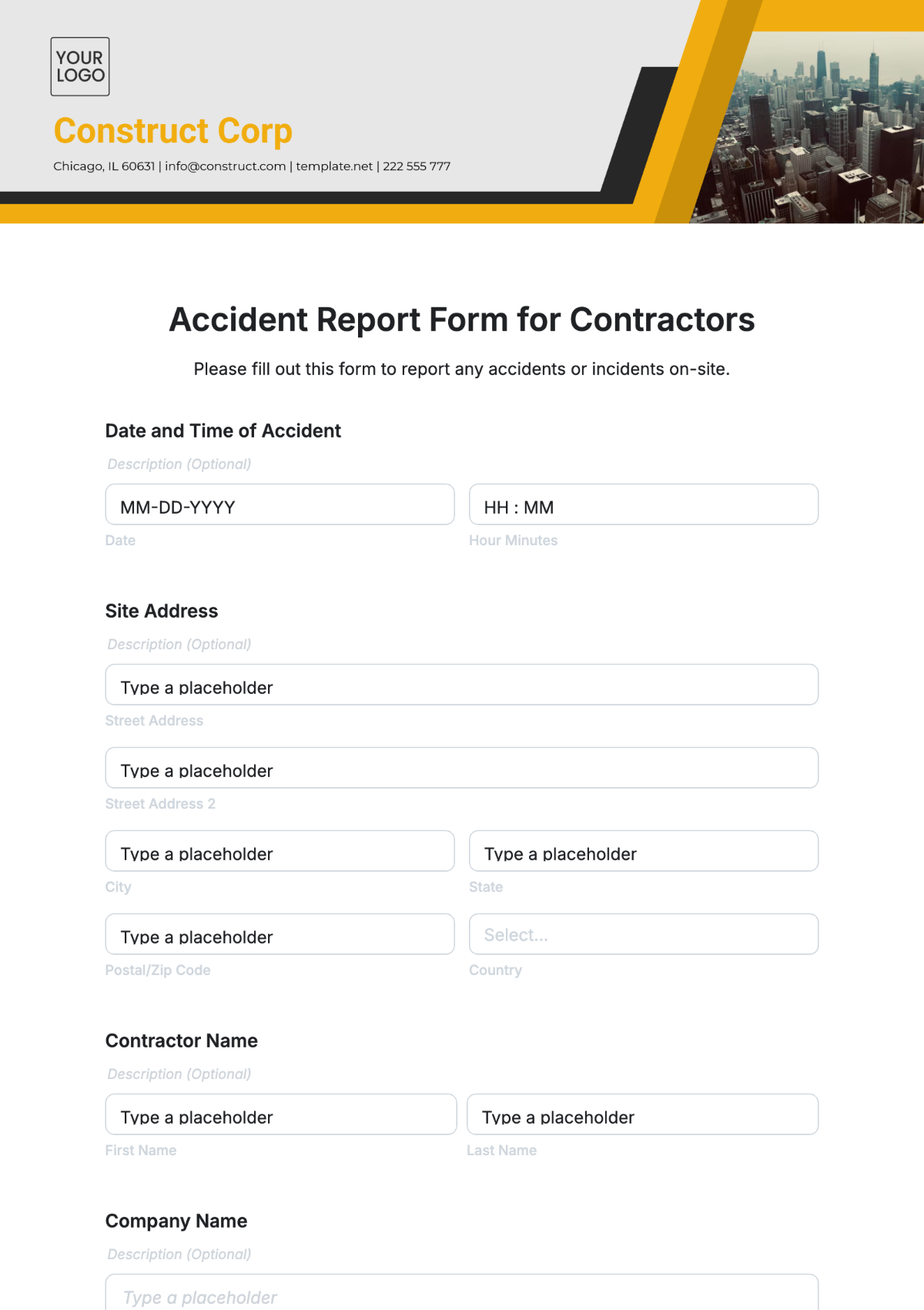
Construction reports may need project details, contractor information, equipment, protective equipment, work conditions, and site controls. In contrast, a public-location report may need visitor, security, property, and environmental details.
Vehicle Accident Report Template Essentials
A vehicle accident report template needs information that relates directly to the collision. Include driver details, vehicle identification, location, road conditions, damage, passengers, witnesses, and relevant insurance information.
A simple diagram can add useful context. It can show vehicle positions, travel directions, lanes, intersections, and impact areas.
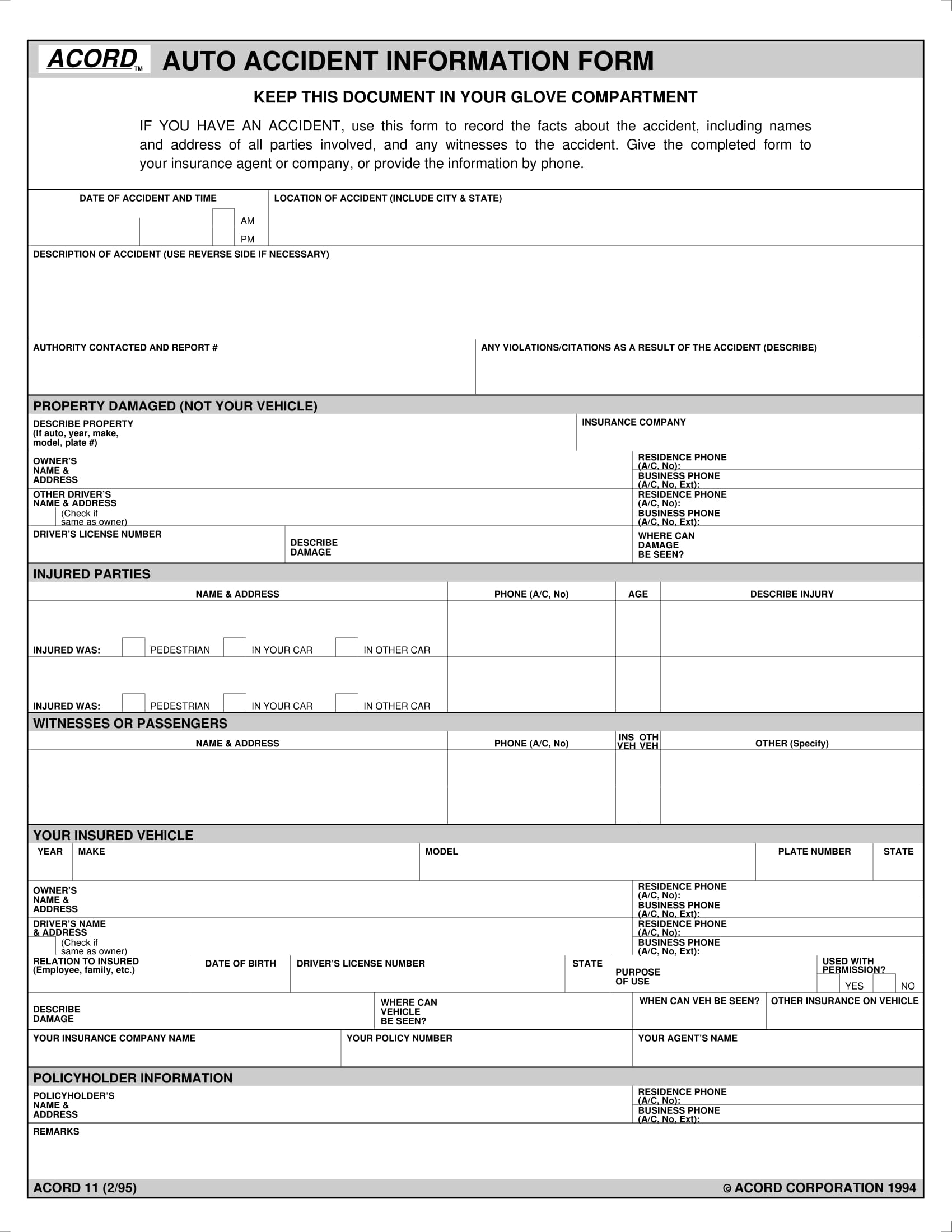
For fleet operators, the form can include a company vehicle number and driver assignment. It can also include inspection findings and follow-up actions.

Using an Accident Report Form Template Word File
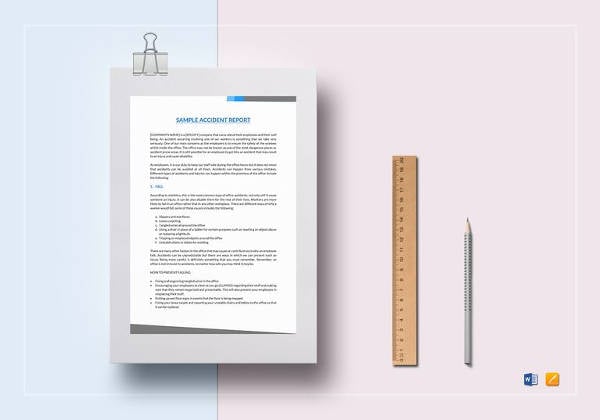
An accident report form template word document can work well during the design stage. Word lets users change headings, add company information, and adjust writing areas.
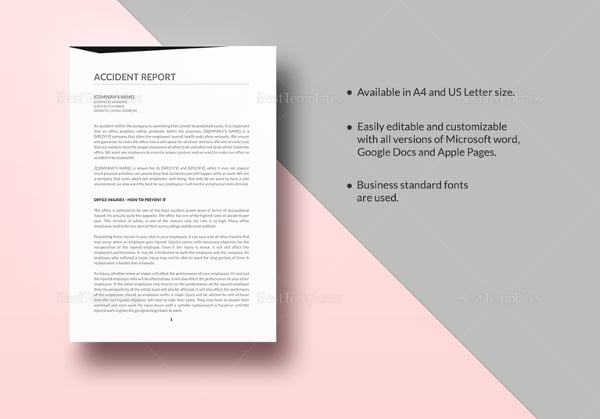
However, keep the layout simple. Use clear headings and consistent field labels. Also, leave enough space for narrative answers.
Before printing, check every page. Make sure headings stay with their related fields. Check signature areas as well. Finally, test the document on the printer used by your organization.
Accident Report Templates and Printables for Paper Forms
Paper forms need a practical design. Users may complete them in an office, warehouse, vehicle, workshop, school, or outdoor area.
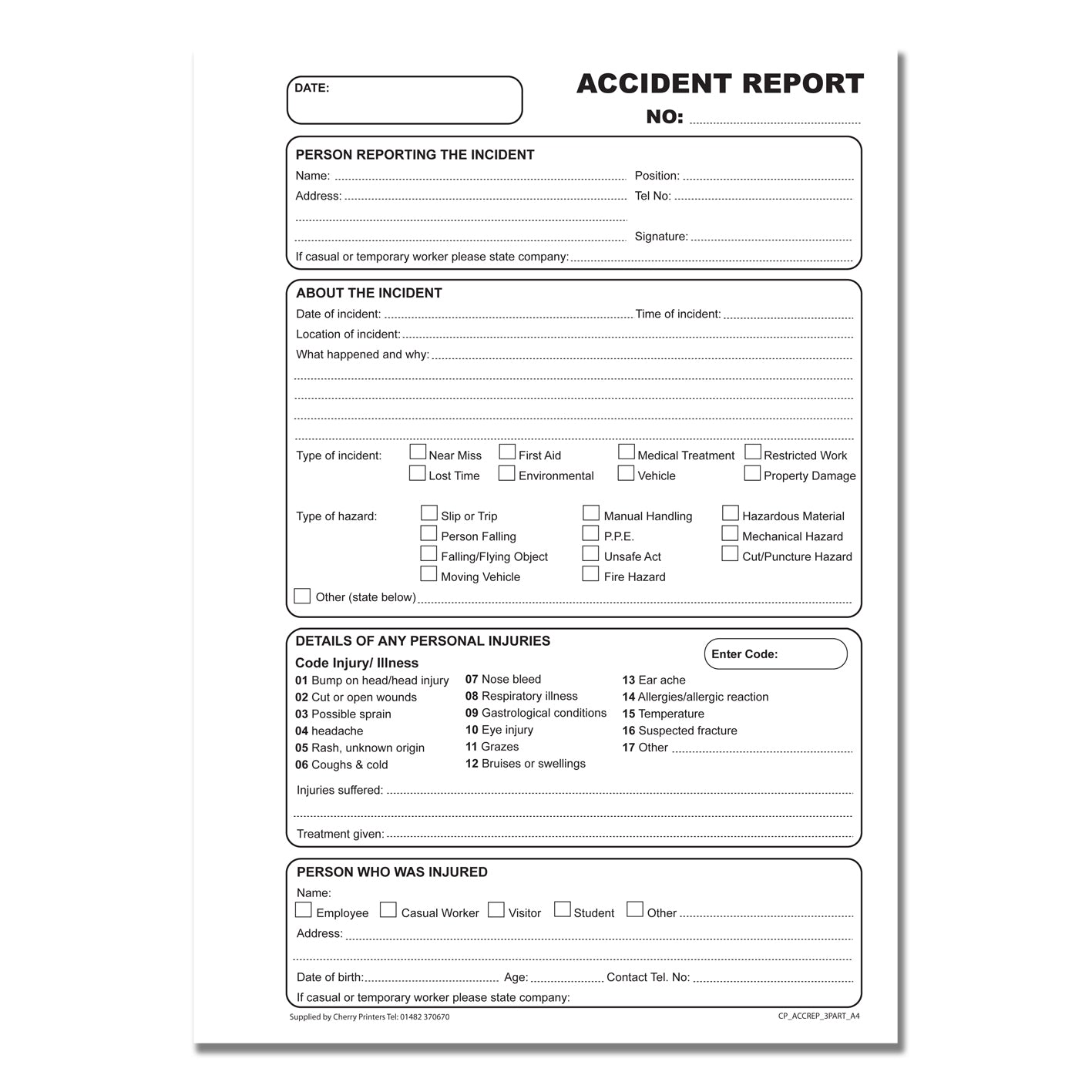
Therefore, choose readable text and generous writing areas. Keep important fields away from page edges. Also, make sure the form works with common paper sizes.
For physical records, accident report templates and printables can support a consistent filing system. Use clear report numbers and dates. Then store completed records according to your organization’s record procedures.
Preparing Accident Report Templates and Print PDF Files
A PDF can preserve a document’s layout across different devices. Therefore, it can be useful when an organization wants a consistent printed form.
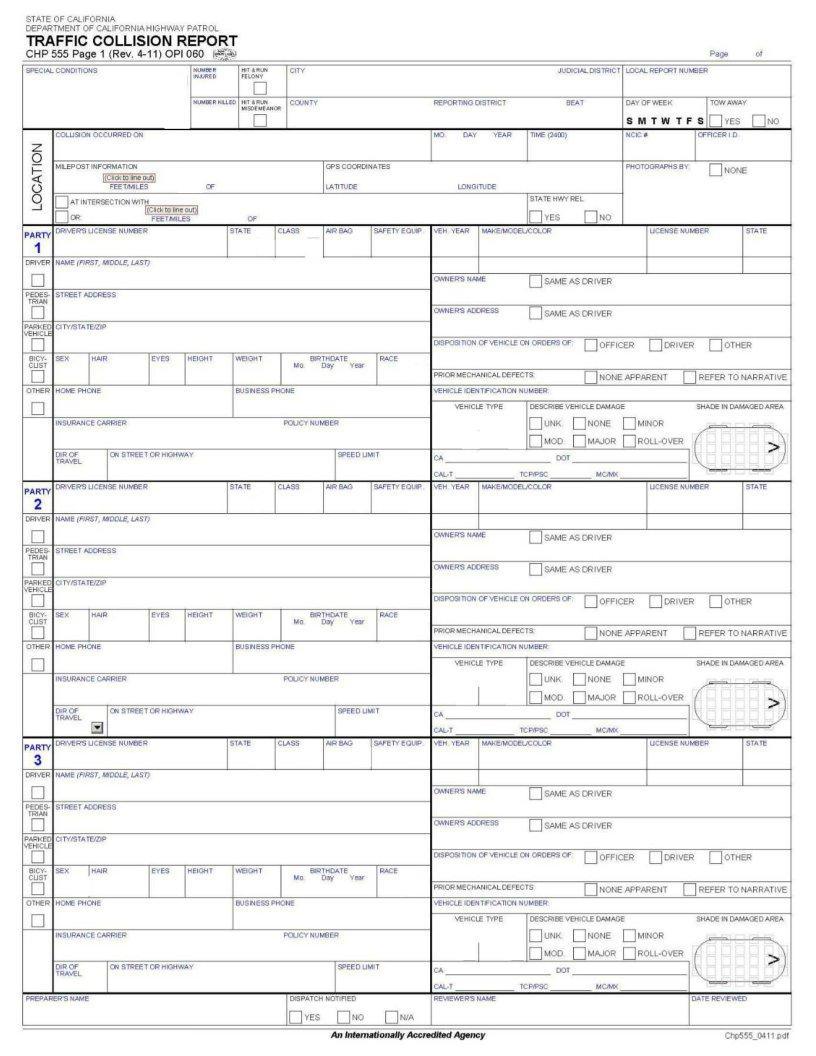
Before creating the final PDF, review the complete document. Check page breaks, field alignment, text size, margins, and signature areas.
For accident report templates and print outs, simplicity is often the best choice. A clean layout remains easier to read when printed or copied.

How Do I Create a New Accident Report Form?
How do I create a new accident report form? First, define its purpose. Decide which incidents the form will cover.
Next, list the information that users must record. Then group related questions into logical sections.
- Start with the date, time, and location.
- Identify everyone involved.
- Record the factual incident description.
- Document injuries and property damage.
- List witnesses when applicable.
- Record immediate actions.
- Add follow-up and review fields.
After that, create a simple layout. Keep required fields easy to find. Finally, print a test copy and ask a real user to complete it.
If you ask, can you make an accident report template, the answer is yes. You can build a form around your exact reporting process. However, review the finished form against your internal procedures before official use.
Blank Accident Reporting Form or Detailed Form?
A blank accident reporting form gives users more writing freedom. It can work well when incidents vary widely.
A detailed form works better when similar incidents happen often. It gives every reporter the same prompts. As a result, supervisors can compare reports more easily.
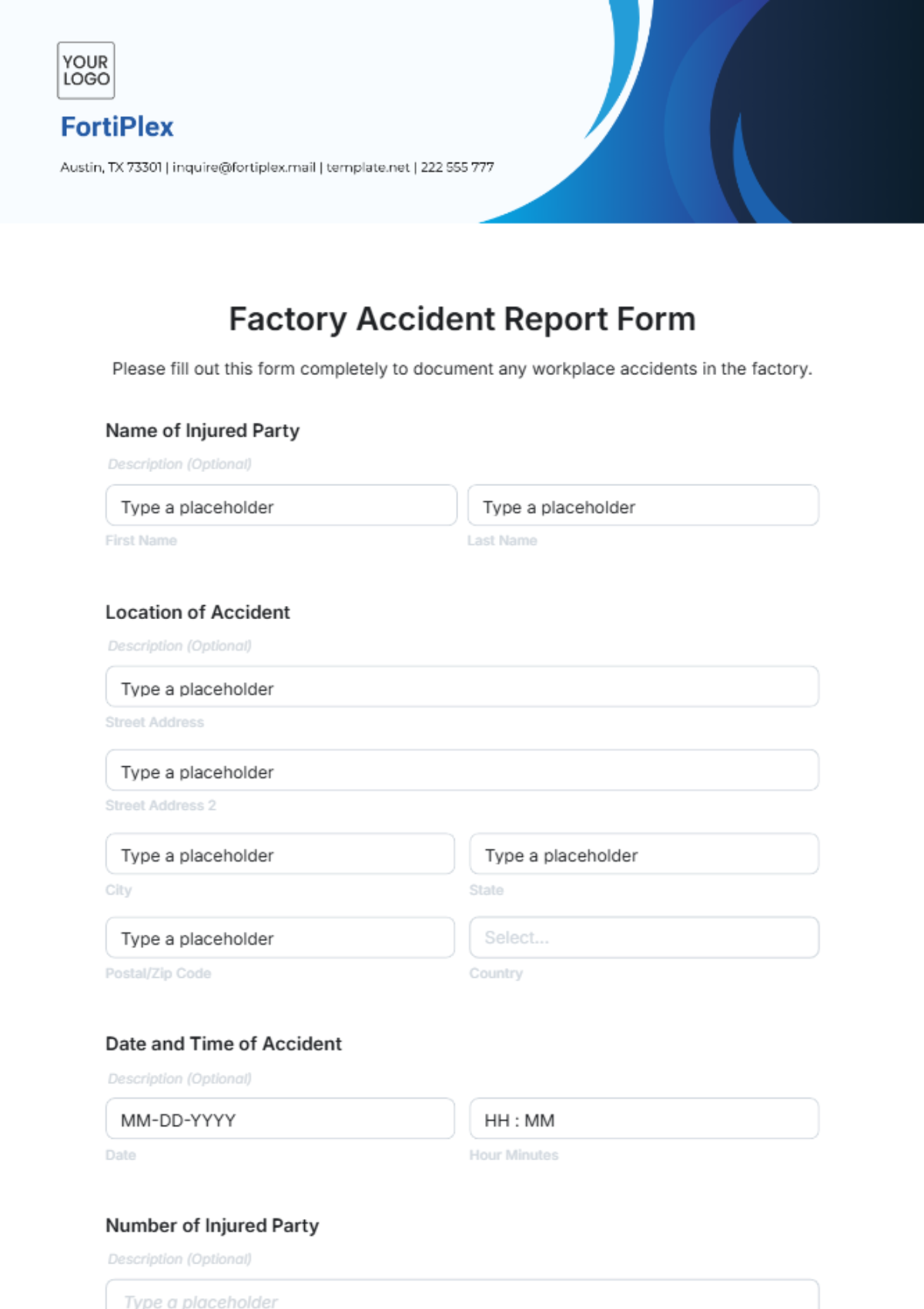
For example, a warehouse can use fields for equipment, work area, task, employee role, witnesses, and corrective action. A fleet company can focus on drivers, vehicles, road conditions, damage, passengers, and collision details.
Common Accident Reporting Mistakes
One common mistake is using opinions instead of facts. A report should explain what the reporter observed.

Another mistake is leaving important fields unclear. If information does not apply, mark the field according to your organization’s preferred method.
Timing matters too. Complete the report as soon as practical. Details can become harder to remember later.
Also, avoid unnecessary assumptions. Instead, record available evidence and identify questions that require further review.

Practical Tips for Better Accident Reports
Good reporting starts with clear language. Use short sentences and familiar terms. In addition, describe events in chronological order.
- Record exact dates and times when known.
- Describe the location clearly.
- Use factual language.
- Separate observations from assumptions.
- Record witness details carefully.
- Document immediate actions.
- Review the report before submitting it.

Building a Consistent Reporting Workflow
A form works best when everyone understands the reporting process. Therefore, tell staff where to find the form and who should receive the completed report.
Next, decide who reviews each report. That person can check for missing information and assign follow-up actions when needed.
Organizations can also use report numbers. A unique reference makes it easier to connect a report with photographs, investigation notes, maintenance records, or related documents.
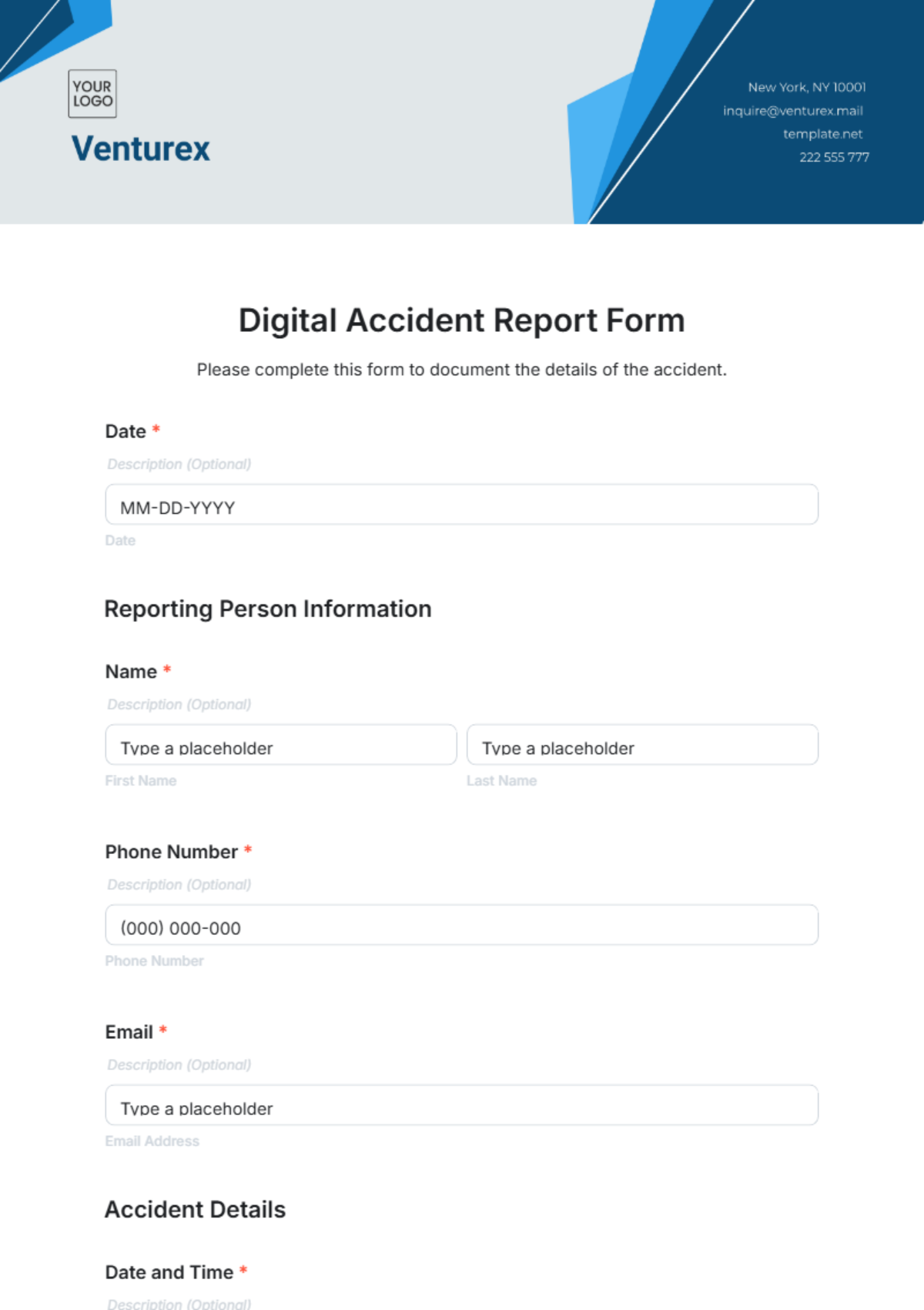
Paper and digital systems can work together. For example, staff can complete a paper form at the incident location. Later, an authorized person can enter the information into a digital record.
Frequently Asked Questions
Is there a free accident report template?
Many websites publish ready-made accident forms. Before using one, check whether its fields match your reporting needs. You should also adapt the form to your organization’s procedures.
What should an accident report contain?
Include the incident date, time, location, people involved, factual description, injuries, damage, witnesses, immediate actions, and follow-up information when relevant.
Can I create an accident report in Word?
Yes. Word works well for creating a customizable form. However, test the layout before printing or sharing the document.
Should a vehicle accident form include a diagram?
Yes, when the diagram adds useful context. It can show vehicle positions, travel direction, impact points, lanes, and nearby features.
What makes a printable accident report effective?
A good printable form uses readable text and clear headings. It also provides enough writing space. Most importantly, users should understand each field without extra instructions.
Should every accident use the same form?
Not always. A common core structure can help. However, specialized forms can collect details that match vehicles, workplaces, schools, construction sites, or other environments.
Final Thoughts on Accident Report Templates and Print
Good accident report templates and print forms make incident documentation clearer and more consistent. Start with the facts that matter most. Then arrange those details into short, logical sections.
Next, adapt the form to the situation. A vehicle report needs different fields from a workplace report. Likewise, a school report may require different information from a construction report.
Finally, test the form before using it. Print it, complete it, and review the result. A practical form should be easy to understand, easy to complete, and easy to review. With the right structure, your accident reporting process can become more organized and reliable.