A great restaurant menu should do more than display dishes and prices. It should introduce your brand, make food choices easier, and create a visual impression that matches the dining experience. A Japanese Restaurant Menu Template gives restaurant owners, sushi bars, ramen shops, and food businesses a practical foundation for creating a professional menu without starting from a blank page.
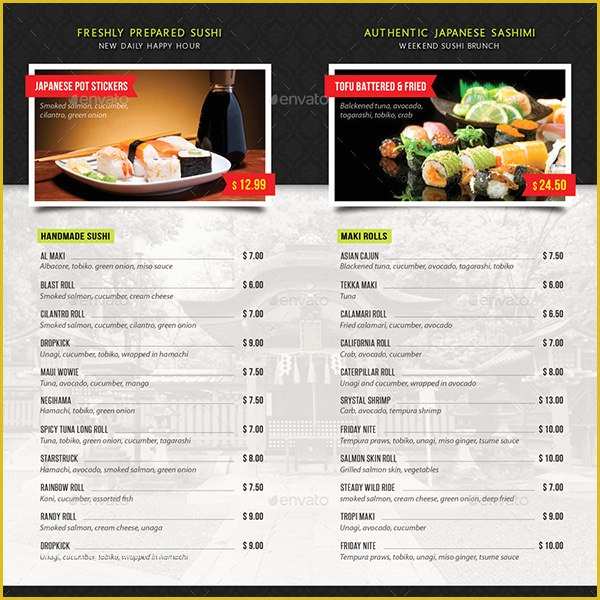
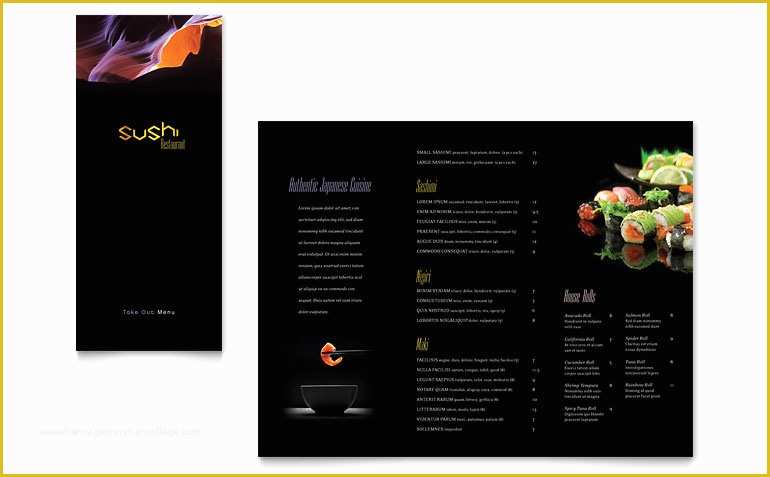
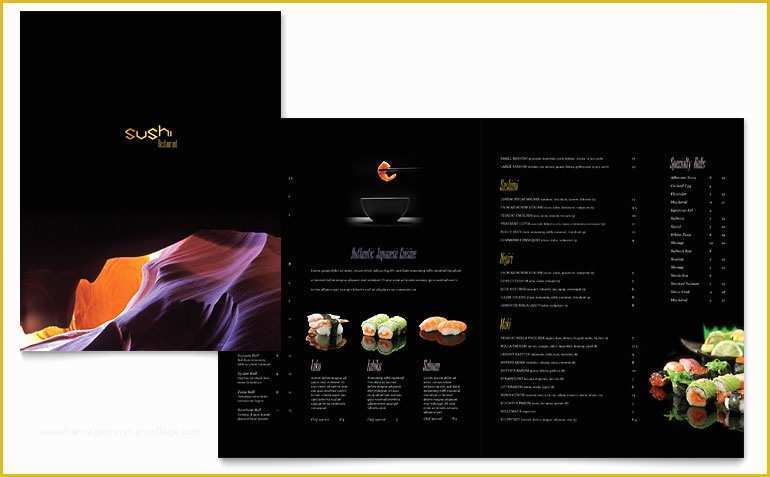
Japanese food menus often need to present many different dishes, from sushi and sashimi to ramen, tempura, rice bowls, and specialty rolls. A thoughtful layout can organize these choices while making the menu attractive and easy to read. The uploaded source specifically points to sushi menu templates and restaurant brochure designs, including PSD, EPS, AI, JPG, and PNG-based visual references.
Why Use a Japanese Restaurant Menu Template?
Designing a menu from scratch can be time-consuming. You have to decide on the page size, typography, food categories, image placement, descriptions, prices, colors, and branding. A ready-made Japanese restaurant menu template simplifies that process by giving you a structured starting point.
The template can then be adapted to suit your restaurant’s identity. You can replace sample dishes with your own recipes, update prices, add your logo, change the colors, and adjust the layout to suit dine-in, takeaway, or digital ordering.
Key Benefits of Using a Menu Template
- Saves time: Begin with an established layout instead of designing every element from scratch.
- Creates consistency: Food names, descriptions, prices, and categories can follow a unified format.
- Improves readability: Organized sections help customers find dishes quickly.
- Supports branding: Fonts, colors, logos, and photography can reflect your restaurant’s personality.
- Offers flexibility: A good design can be adapted for printed menus, takeaway brochures, and digital menus.
What Should a Japanese Restaurant Menu Include?
The most effective menu is one that answers customers’ questions quickly. Instead of placing every dish in one long list, divide your offerings into logical categories. This makes the menu easier to scan and helps customers compare similar dishes.
Depending on your concept, a Japanese food menu might include the following sections:
- Appetizers and small plates
- Sushi and sashimi
- Specialty sushi rolls
- Ramen and noodles
- Donburi and rice bowls
- Tempura
- Teriyaki and grilled dishes
- Vegetarian selections
- Chef’s specials
- Desserts
- Japanese tea and beverages
You do not need to include every category. The best menu structure depends on your restaurant concept, kitchen capabilities, and customer expectations.
How to Design an Attractive Japanese Menu
Create a Clear Visual Hierarchy
A menu should guide the customer’s eyes naturally. Category headings should be easy to identify, dish names should stand out from descriptions, and prices should have a consistent position. This hierarchy prevents the page from looking like a wall of text.
Japanese-inspired menu designs can benefit from a clean and balanced visual style. Subtle patterns, elegant typography, simple lines, and carefully selected decorative elements can create an authentic atmosphere without making the menu difficult to read.
Choose Fonts Carefully
Decorative fonts can add personality, but they should not sacrifice readability. Use distinctive typography for headings while keeping descriptions and prices simple. If you use Japanese characters, make sure the chosen font displays them correctly and remains legible at the actual printed size.
Use Food Photography Strategically
High-quality food photography can make a sushi menu more appealing, but too many images can create visual clutter. Select photographs that represent your best dishes and position them where they support the overall layout.
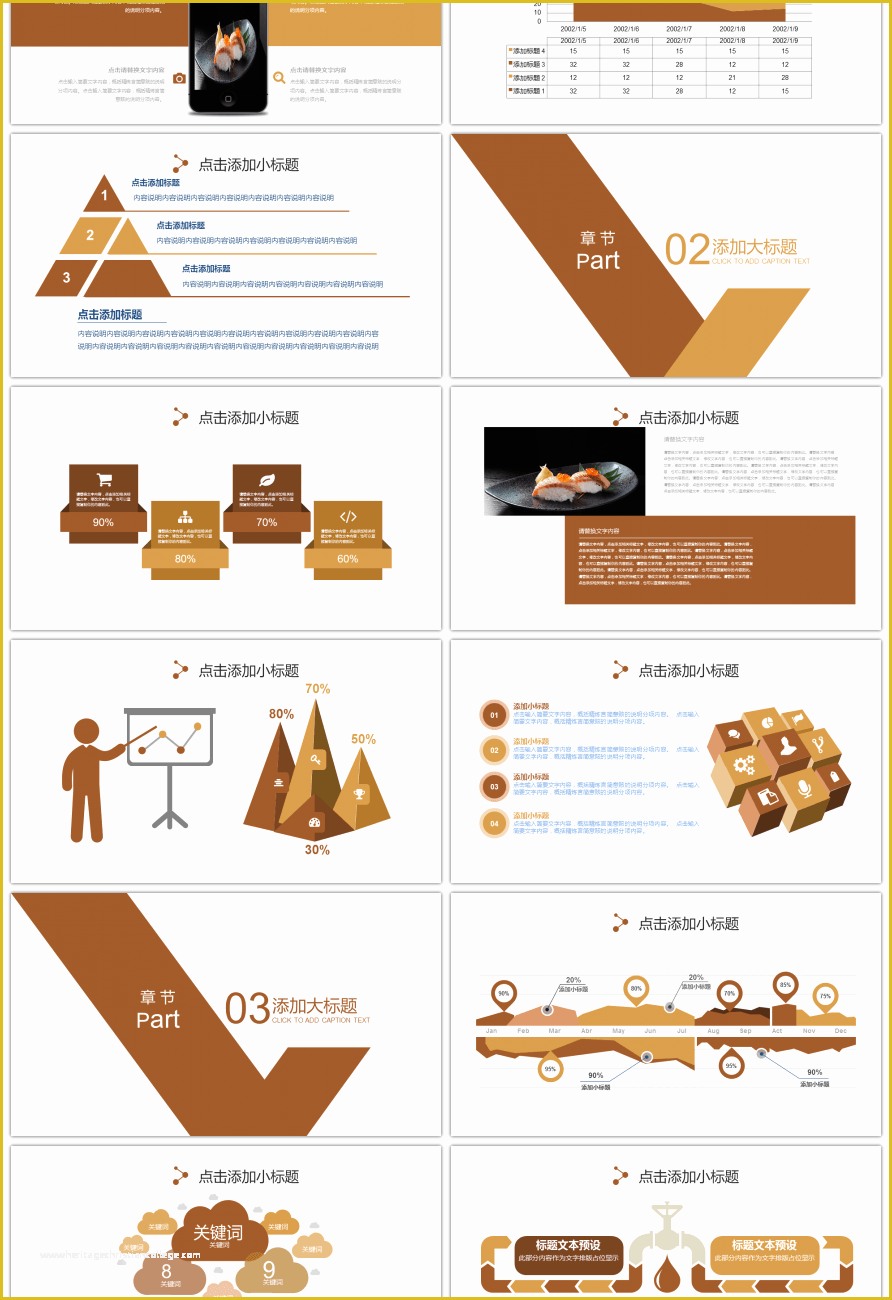
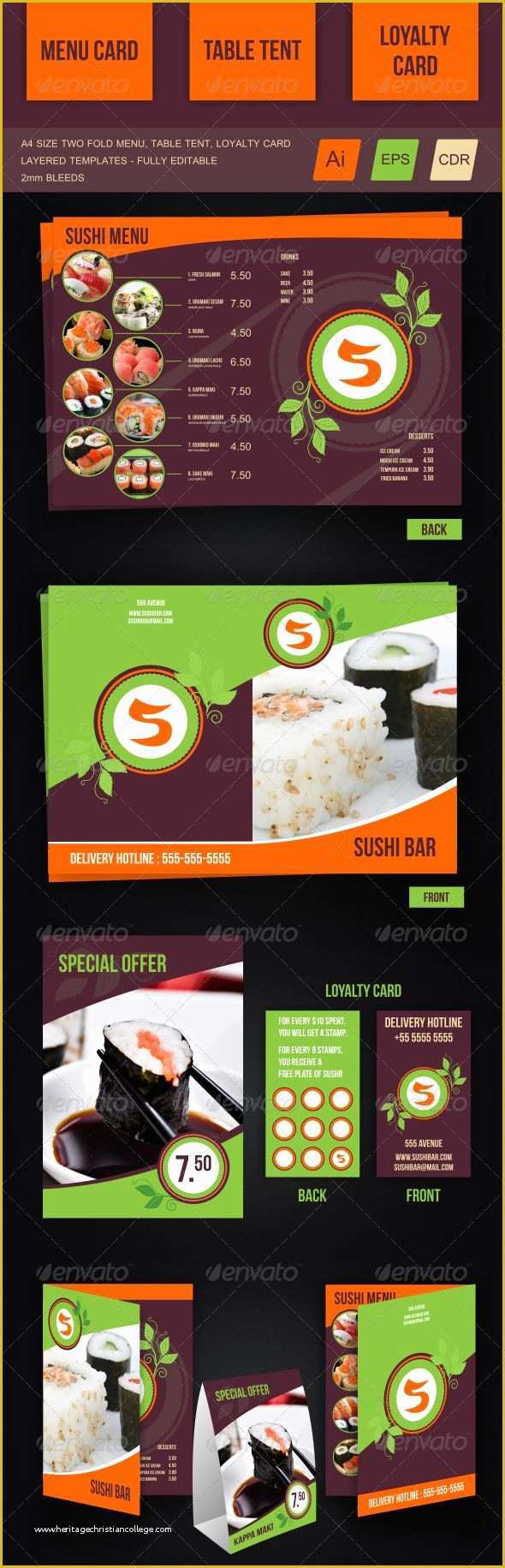
The source file contains multiple sushi and restaurant menu visual references, including designs associated with restaurant brochures, sushi menus, and Japanese food presentation.
Organize Sushi, Ramen, and Other Dishes Clearly
Customers often scan Japanese menus according to what they already know or what they want to try. Someone looking for sushi should not have to search through ramen and rice dishes first. Grouping related items makes ordering faster and creates a more professional customer experience.
For sushi, consider separating nigiri, sashimi, maki rolls, and specialty rolls when your selection is large enough to justify individual categories. For ramen, identify the broth or primary style. For rice bowls, mention the main protein or vegetable ingredient.
Write Short but Useful Descriptions
A good description gives customers enough information without overwhelming them. Mention important ingredients, preparation styles, sauces, or toppings. For example, a sushi roll description might identify the seafood, vegetables, and signature sauce rather than using several sentences of marketing language.
Clear descriptions can also be helpful for customers who are unfamiliar with Japanese dishes. Simple explanations can make the menu feel more welcoming while preserving the character of the cuisine.
Customize the Template for Your Brand
A template should never feel like a generic menu. Personalization is what turns a standard design into a recognizable restaurant brand. Replace placeholder content with your own identity and make sure every section reflects the experience customers receive in your restaurant.
Important elements to customize include:
- Restaurant name and logo
- Brand colors
- Typography
- Dish names and descriptions
- Food photography
- Prices and portion sizes
- Dietary and allergen information
- Phone number and website
- Online ordering or QR code details
Think about your target customer when making these changes. A contemporary sushi bar may benefit from a minimalist design, while a casual ramen restaurant might use brighter graphics and more playful typography.
Tips for Making a Menu Easy to Read
Visual appeal matters, but usability should always come first. Customers should be able to understand the menu quickly, even in a dim restaurant or on a small smartphone screen.
- Use sufficient contrast between text and background.
- Keep dish descriptions concise.
- Maintain consistent spacing between menu items.
- Use clear category headings.
- Keep prices aligned consistently.
- Avoid filling every available space with text or decoration.
- Check the design at its actual printed size before ordering large quantities.
Japanese Restaurant Menu Template for Print and Digital Use
Modern restaurants often need one menu design for several platforms. A Japanese restaurant menu template can be adapted for printed table menus, takeaway brochures, websites, QR code menus, social media graphics, and online ordering pages.
For printed menus, check image resolution, margins, paper size, and color appearance before production. For digital menus, prioritize responsive readability and make sure important information remains visible on smaller screens.
A flexible design can also make future updates easier. If menu prices change regularly or seasonal dishes are introduced, an editable template allows you to update information without redesigning the entire menu.
Practical Tips Before You Publish or Print
Always proofread the completed menu before sending it to customers. Check every dish name, ingredient description, price, spelling, phone number, website address, and ordering instruction.
It is also useful to ask someone who was not involved in the design to review the menu. A fresh reader may notice confusing categories, inconsistent formatting, missing information, or descriptions that are difficult to understand.
Finally, print one test copy or preview the design on several screen sizes. A layout that looks excellent on a large monitor may become difficult to read when printed small or viewed on a phone.
Final Thoughts
A Japanese Restaurant Menu Template can provide a strong foundation for creating a professional, attractive, and customer-friendly menu. Rather than treating a template as a finished product, use it as a flexible framework for presenting your restaurant’s unique dishes, prices, branding, and dining experience.
From sushi and sashimi to ramen, tempura, rice bowls, and specialty dishes, thoughtful organization makes the menu easier to navigate. Combine clear typography, useful descriptions, carefully selected images, consistent pricing, and strong branding to create a menu that looks polished while helping customers make confident choices.