An egg is a small, versatile food that can make a meaningful contribution to a balanced diet. It is naturally rich in high-quality protein and provides several vitamins and minerals in a convenient package. From a quick boiled egg at breakfast to an omelet filled with vegetables, eggs fit into many meals, cooking styles, and budgets.
Whether you are learning how to cook eggs, comparing brown and white shells, or looking for practical nutrition information, understanding this everyday ingredient can help you make confident choices. This guide explains what is inside an egg, its potential health benefits, how to select and store fresh eggs, and simple ways to prepare them safely.
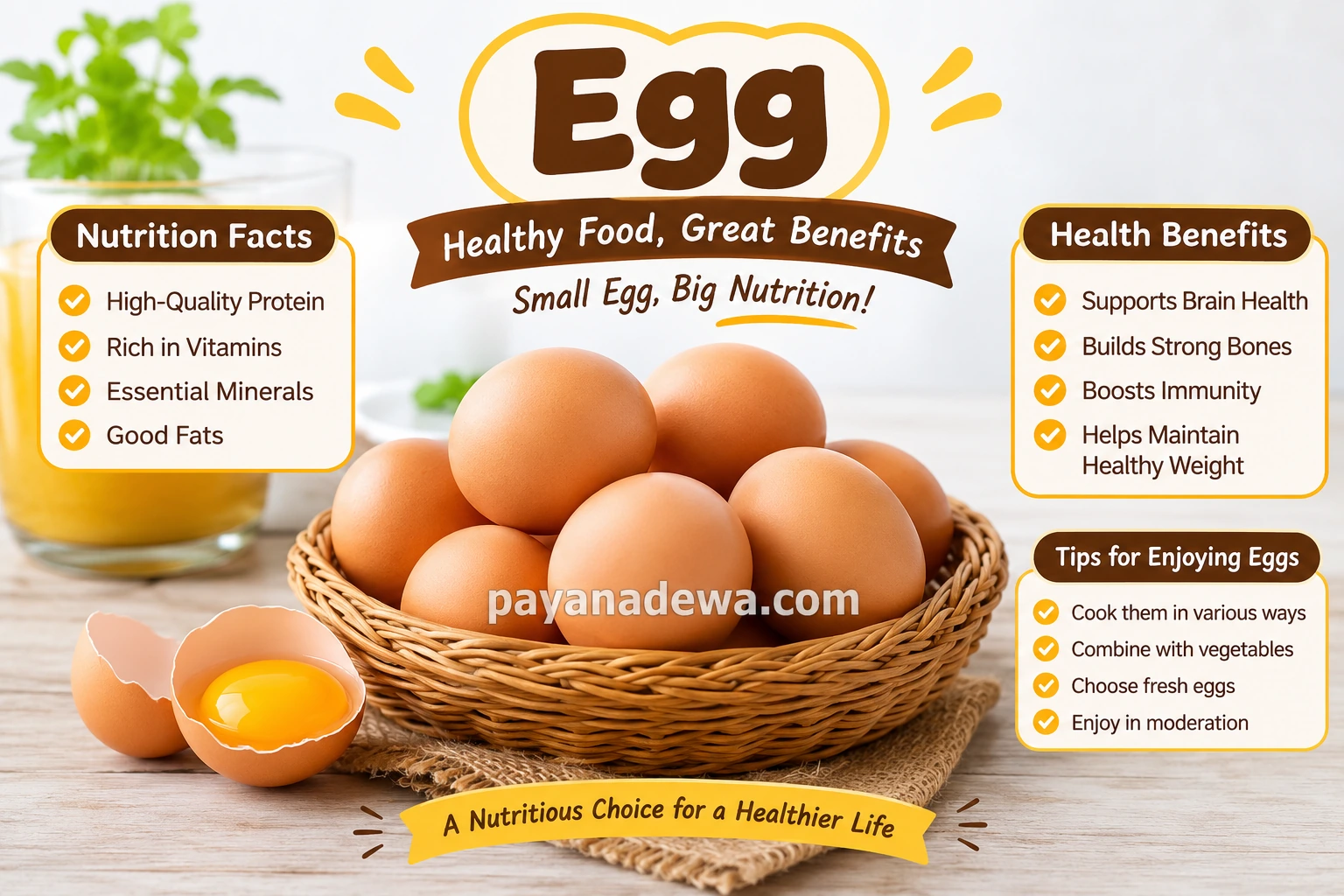
What Is an Egg?
A typical chicken egg has three main parts: the shell, the egg white, and the yolk. Each part has a different structure and purpose. The shell protects the contents, while the white and yolk provide nutrients that support the development of a chick in a fertilized egg. In the kitchen, these parts also perform different jobs, which is why eggs are useful in so many recipes.
- Shell: The hard outer layer is mostly calcium carbonate. It helps protect the egg, although it is porous and should not be treated as a completely sealed barrier.
- Egg white: Also called albumen, the clear white portion is mostly water and protein. It becomes opaque and firms up as it cooks.
- Yolk: The yellow center contains fat, protein, vitamins, minerals, and natural pigments. It gives many dishes richness, color, and a creamy texture.
The size, shell color, and nutritional profile can vary according to the hen’s breed, feed, age, and production conditions. These differences do not automatically make one ordinary shell color healthier than another.
Egg Nutrition: What Does an Egg Contain?
Eggs are best known as a source of complete protein. A large chicken egg typically provides around 6 grams of protein, although exact values vary with size. Complete protein means it supplies all nine essential amino acids that the body must obtain from food.
An egg also contributes nutrients such as vitamin B12, riboflavin, selenium, iodine, and choline. The yolk contains most of the egg’s fat and many of its vitamins, while the white supplies much of its protein. Eggs contain little carbohydrate, making them a flexible ingredient in meals with different nutritional goals.
Key Nutrients in Eggs
- Protein: Helps build and maintain muscles and supports the repair of body tissues.
- Choline: Supports normal brain function, cell membranes, and other important processes in the body.
- Vitamin B12: Helps maintain healthy nerve function and supports the formation of red blood cells.
- Vitamin D: Eggs provide a modest amount, with levels depending partly on the hen’s diet and living conditions.
- Selenium: Plays a role in antioxidant defenses and normal thyroid function.
- Lutein and zeaxanthin: These carotenoids are found in the yolk and are associated with eye health.
Eggs are nutrient-dense, but no single food provides everything the body needs. Pair them with vegetables, fruit, whole grains, beans, or other nutrient-rich foods for a more varied eating pattern.
Potential Health Benefits of Eating Eggs
For many people, eggs can be part of a balanced eating pattern. Their combination of protein and micronutrients makes them a practical option at breakfast, lunch, or dinner. The benefits you experience depend on your overall diet, health needs, and portion sizes.
1. Supports Muscle Maintenance
Egg protein contains all essential amino acids in proportions the body can use. Including eggs in meals can help you meet daily protein needs, particularly when combined with other protein sources throughout the day. People who exercise regularly may find eggs convenient after a workout, although total daily protein and overall food intake matter more than one specific meal.
2. Helps Make Meals Satisfying
Protein can contribute to feelings of fullness. An egg served with whole-grain toast and vegetables may create a more satisfying meal than a breakfast made mostly from refined carbohydrates. Satiety differs from person to person, so pay attention to your own hunger and energy levels.
3. Provides Nutrients for Brain and Nerve Function
Eggs are a useful dietary source of choline, a nutrient involved in normal brain and nervous-system function. They also provide vitamin B12, which is important for healthy nerves. Eating eggs alongside a varied diet can help supply these nutrients, but eggs should not be viewed as a treatment or cure for a medical condition.
4. Supplies Nutrients Associated with Eye Health
The yolk contains lutein and zeaxanthin. These naturally occurring pigments accumulate in the retina, where they help protect the eyes from oxidative stress. Eggs can contribute to dietary intake of these compounds as part of a varied diet that includes leafy greens and other colorful produce.
Brown Eggs vs White Eggs: Is There a Difference?
The main difference between brown and white eggs is usually the breed of hen that lays them. Some breeds produce white shells, while others produce brown shells. Shell color alone is not a reliable guide to freshness, taste, quality, or nutritional value.
Factors such as the hen’s feed, farming system, freshness, and storage can influence characteristics that matter to shoppers. If you are comparing cartons, look at the production information, grade where applicable, sell-by or best-before guidance, and the condition of the eggs rather than choosing by shell color alone.
How to Choose and Store Fresh Eggs
Good handling starts at the store and continues in your kitchen. Choose eggs from a refrigerated display when refrigeration is required in your area, and check that the carton is clean and undamaged. Open it briefly to look for cracked or leaking eggs, then take the eggs home promptly.
Simple Egg Storage Tips
- Keep eggs refrigerated at 4°C (40°F) or colder when the local food-safety guidance calls for refrigeration.
- Store eggs in their original carton to protect them and keep date and product information available.
- Place the carton on an interior refrigerator shelf rather than in the door, where temperatures can fluctuate more.
- Do not use eggs with cracked shells or an unusual appearance.
- Keep raw eggs and their contents away from ready-to-eat foods, and wash hands and utensils after contact with raw egg.
- Follow the date and storage instructions on the carton, and avoid leaving perishable egg dishes at room temperature for extended periods.
Refrigeration slows quality loss, but it does not make eggs safe indefinitely. When in doubt, follow local food-safety advice and discard eggs or egg dishes that have been stored improperly.
Popular Ways to Cook Eggs
Eggs can be prepared with simple equipment and a short cooking time. The best method depends on the texture you enjoy and the dish you are making. For people at higher risk of foodborne illness, including young children, older adults, pregnant people, and those with weakened immune systems, thoroughly cooked eggs and pasteurized egg products are safer choices than raw or lightly cooked eggs.
Boiled Eggs
Place eggs in a saucepan, cover with water, and heat until the water reaches a boil. Adjust the heat and cook until the whites and yolks reach the firmness you prefer. Cool promptly in cold water if you want to stop the cooking and make peeling easier. For food safety, cook until both the white and yolk are firm.
Scrambled Eggs
Beat eggs gently in a bowl. Heat a lightly oiled or buttered pan over medium-low heat, add the eggs, and stir slowly until they are fully set. Avoid high heat, which can make the texture dry and rubbery. Add chopped spinach, tomatoes, mushrooms, or herbs for extra flavor and variety.
Omelets
Pour beaten eggs into a warm nonstick pan. As the edges set, gently move the cooked egg toward the center so uncooked egg can flow underneath. Add cooked vegetables, beans, or a modest amount of cheese, fold, and continue cooking until the center is fully set.
Baked Eggs
Eggs can be baked in a small oven-safe dish with vegetables, herbs, and a little milk or tomato sauce. Bake until the whites and yolks are firm. This hands-off method is useful when preparing several portions at once.
Are Eggs Safe to Eat Every Day?
Whether eating eggs daily is suitable depends on your overall eating pattern, personal health, and medical advice. Eggs contain valuable nutrients, but the yolk also contains dietary cholesterol. Research and nutrition guidance consider the whole diet and individual risk factors rather than treating one food as automatically good or bad for everyone.
If you have been advised to manage blood cholesterol, have diabetes or cardiovascular disease, or follow a medically prescribed diet, ask a qualified healthcare professional or registered dietitian how eggs fit your needs. You can also vary your protein sources with beans, lentils, fish, tofu, nuts, and poultry.
Common Egg Mistakes to Avoid
- Leaving cooked eggs out too long: Refrigerate leftovers promptly and follow local food-safety time limits.
- Using cracked eggs: Cracks can allow bacteria to enter, so discard eggs with damaged shells.
- Relying on shell color: Brown shells do not automatically mean better nutrition or higher quality.
- Eating raw batter: Raw eggs and uncooked flour can both carry harmful germs. Avoid tasting raw batter or dough.
- Overcooking: Excessive heat can make eggs tough. Use moderate heat and remove them when fully cooked.
- Ignoring cross-contamination: Clean hands, counters, bowls, and utensils after handling raw eggs.
Practical Tips for Adding Eggs to Your Meals
Keeping eggs on hand can make everyday meal planning easier. Try these simple ideas to add variety without relying on the same preparation each time:
- Serve a fully cooked egg with whole-grain toast and fresh fruit for a simple breakfast.
- Add sliced boiled egg to a salad with beans, leafy greens, and a flavorful dressing.
- Make a vegetable omelet using leftover cooked vegetables.
- Use beaten egg as a binder in suitable recipes such as vegetable patties, making sure the finished food is cooked thoroughly.
- Prepare egg muffins with chopped vegetables for convenient portions, then refrigerate leftovers promptly.
- Balance egg-based meals with fiber-rich foods such as oats, whole grains, fruit, and vegetables.
Conclusion: Make Eggs Part of a Balanced Diet
An egg is an affordable, adaptable ingredient that provides complete protein, choline, vitamin B12, selenium, and other useful nutrients. Its shell color does not determine its nutritional value, and its versatility makes it easy to include in breakfasts, lunches, dinners, and snacks. Choose eggs carefully, store them as directed, prevent cross-contamination, and cook them thoroughly for safer meals.
Most importantly, think of eggs as one part of a varied eating pattern. Combine them with vegetables, whole grains, fruit, and different protein sources to build meals that are both enjoyable and nourishing. With sensible handling and a little creativity, eggs can be a practical addition to many kitchens.