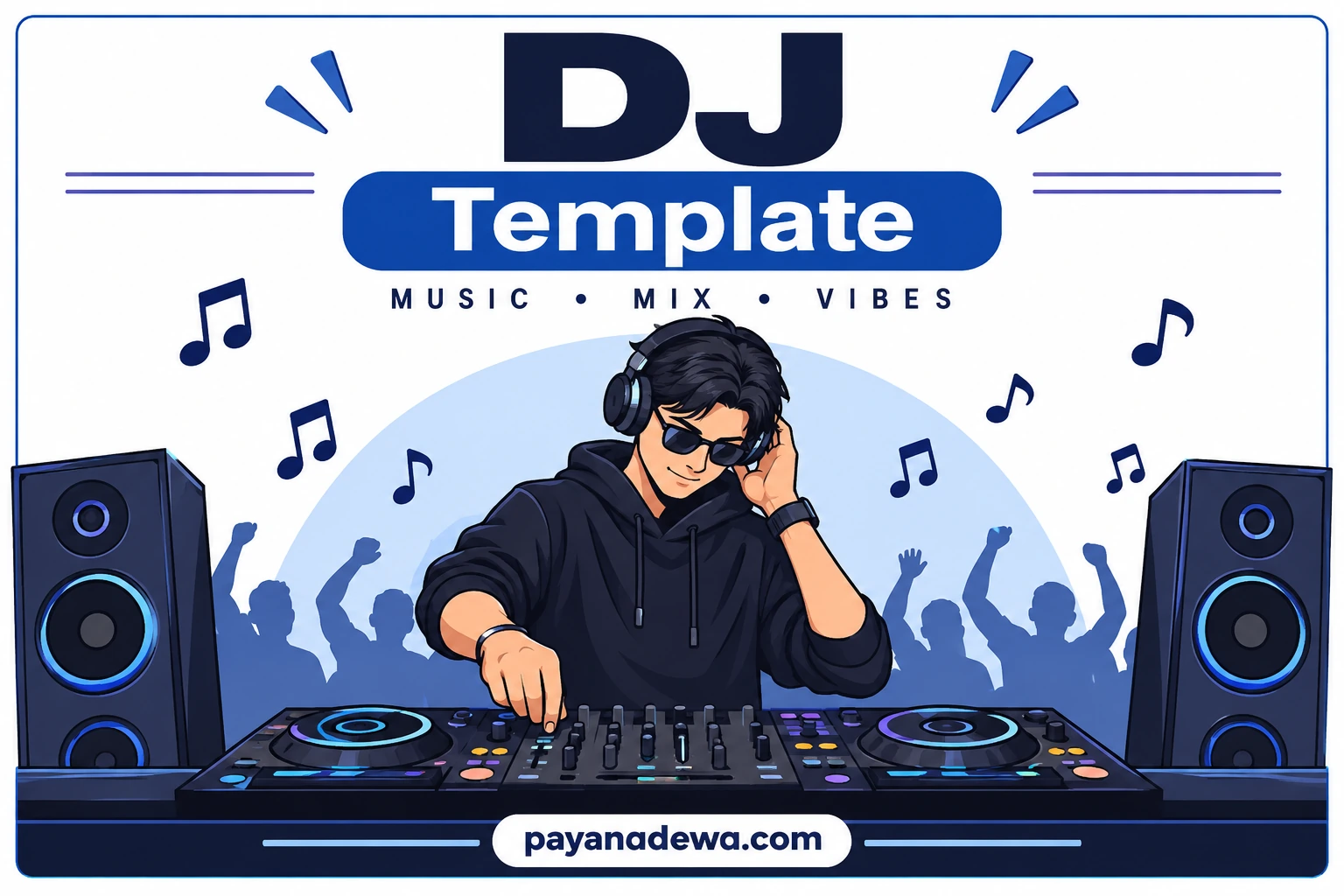
A DJ, short for disc jockey, is a music professional who selects, mixes, and plays songs for an audience. DJs help create memorable experiences at parties, weddings, festivals, nightclubs, radio stations, and other events. Their job involves much more than simply playing music. They understand rhythm, read the crowd, manage sound equipment, and create smooth transitions between tracks.
Today, becoming a DJ is more accessible than ever. Modern software, digital controllers, and online learning resources allow beginners to explore DJing without investing in expensive equipment immediately. Whether you want to become a professional DJ, perform at private events, or mix music as a hobby, learning the fundamentals is a great place to start.
This guide explains what a DJ does, the different types of DJs, essential equipment, important skills, and practical steps to build a successful DJ career.
What Is a DJ?
A DJ is someone who plays recorded music for an audience and often combines different tracks to create a continuous musical experience. The term originally referred to radio presenters who introduced and played records. However, the role has expanded significantly with the development of electronic music and digital technology.
Modern DJs use turntables, DJ controllers, mixers, laptops, and specialized software. These tools help them control music, adjust tempo, blend tracks, and add creative effects.
A good DJ understands that music selection is just as important as technical ability. The right song at the right moment can change the atmosphere of an entire event.
What Does a DJ Do?
A DJ performs several tasks before, during, and after a performance. Responsibilities can vary depending on the event, venue, and musical style.
1. Selects and Organizes Music
Music selection is one of the most important parts of DJing. DJs build playlists based on the audience, event theme, music genre, and atmosphere they want to create.
They also organize their music libraries into categories. For example, a wedding DJ might prepare separate collections for romantic songs, dinner music, party classics, and dance tracks.
2. Mixes Songs Together
Mixing allows DJs to transition smoothly from one song to another. Instead of stopping one track before starting the next, they blend both tracks to maintain musical continuity.
Common mixing techniques include beatmatching, crossfading, EQ adjustment, looping, and using transition effects.
3. Reads the Crowd
Successful DJs pay attention to audience reactions. They observe whether people are dancing, singing, or losing interest. Then, they adjust their music choices to match the energy of the room.
This ability is often called reading the crowd. It separates a skilled DJ from someone who simply plays a prepared playlist.
4. Operates Sound Equipment
DJs must understand how to use audio equipment correctly. They adjust volume levels, monitor sound quality, connect microphones, and troubleshoot technical problems.
Good sound management helps prevent distortion and ensures that music remains clear throughout the performance.
5. Prepares for Events
Preparation is essential for professional performances. DJs check their equipment, organize playlists, communicate with event organizers, and understand the schedule before arriving at a venue.
Being prepared helps prevent unnecessary interruptions and creates a more professional experience.
Different Types of DJs
Not all DJs perform the same role. Some specialize in live entertainment, while others focus on radio broadcasting, music production, or online performances.
Club DJ
Club DJs perform in nightclubs and entertainment venues. Their main responsibility is to keep the dance floor active by selecting and mixing music that suits the audience.
They often specialize in genres such as house, techno, EDM, hip-hop, and electronic dance music.
Wedding DJ
Wedding DJs provide music and entertainment for wedding ceremonies and receptions. They may also act as event hosts, introduce important moments, and coordinate music with the wedding schedule.
Flexibility is especially important because wedding audiences often include guests from different generations and musical backgrounds.
Radio DJ
Radio DJs present music programs on traditional radio stations or online broadcasting platforms. They introduce songs, share information, interview guests, and communicate with listeners.
Strong speaking skills and an engaging personality are important for this type of DJ.
Mobile DJ
Mobile DJs travel to different locations to provide entertainment for private parties, birthdays, corporate functions, and community events.
They usually bring portable sound systems, lighting equipment, microphones, and DJ controllers.
Festival DJ
Festival DJs perform at large music festivals and outdoor events. They often play energetic sets for large audiences and may perform original productions or remixes.
Festival performances require confidence, strong technical skills, and the ability to maintain energy throughout a set.
Bedroom DJ
A bedroom DJ practices and records mixes from home. This is a popular starting point for beginners because it allows them to develop their skills without performing in front of a live audience.
Many professional DJs began by experimenting with music and learning basic mixing techniques at home.
Essential DJ Equipment for Beginners
You do not need a professional studio to start learning how to DJ. A basic setup can provide everything necessary to practice mixing and understand the fundamentals.
DJ Controller
A DJ controller is one of the most popular tools for beginners. It combines two or more music decks with a central mixer, allowing users to control tracks through physical buttons, jog wheels, and faders.
Many controllers connect directly to a computer and work with dedicated DJ software.
DJ Headphones
Headphones help DJs preview the next track before playing it through the speakers. This process is known as cue monitoring.
Choose comfortable headphones with clear sound and good noise isolation, especially if you plan to perform in loud environments.
Laptop or Computer
A computer stores music files and runs DJ software. Make sure your device meets the software requirements and has enough storage for your music library.
Speakers and Sound System
Speakers allow the audience to hear your performance. Beginners can practice with suitable home speakers, while professional events may require larger powered speakers and subwoofers.
DJ Software
DJ software provides digital tools for mixing and organizing music. Popular options include rekordbox, Serato DJ, Traktor Pro, and VirtualDJ.
Each platform has different features, so beginners should compare compatibility, pricing, and ease of use before choosing one.
Additional Accessories
Other useful accessories include:
- USB drives for storing and transferring music.
- Audio cables and adapters for connecting equipment.
- Microphones for announcements and audience interaction.
- Protective equipment cases for transportation.
- Lighting equipment for creating a more engaging atmosphere.
- Power extensions and backup cables for event preparation.
Important Skills Every DJ Should Learn
Becoming a good DJ requires a combination of technical knowledge, creativity, and communication skills. Developing these abilities takes time, but regular practice makes a significant difference.
Beatmatching
Beatmatching means synchronizing the tempo and rhythm of two tracks. This technique helps DJs create smooth transitions without noticeable changes in timing.
Music Knowledge
Understanding different genres, artists, tempos, and musical styles helps DJs build better playlists. A broad music collection also makes it easier to adapt to different audiences.
Timing and Rhythm
Good timing helps DJs identify the right moment to introduce a new track. Learning to recognize beats, bars, and musical phrases makes mixing more natural.
Creativity
Creative DJs develop their own musical identity. They experiment with transitions, effects, remixes, and unexpected song combinations to make performances memorable.
Communication
Professional DJs often communicate with clients, event organizers, venue managers, and audiences. Clear communication helps ensure that everyone understands the event requirements.
How to Become a DJ: A Step-by-Step Guide
If you are interested in becoming a DJ, you can start with a simple learning plan. Focus on building strong foundations before investing in advanced equipment.
Step 1: Choose Your Music Genre
Start by identifying the music you enjoy most. You might prefer electronic dance music, house, techno, hip-hop, pop, disco, or open-format mixing.
Choosing a starting genre helps you understand its rhythm, structure, and common mixing styles.
Step 2: Learn Basic DJ Terminology
Familiarize yourself with important terms such as BPM, beatmatching, cue points, crossfader, looping, EQ, and gain. Understanding these concepts makes tutorials and practical lessons easier to follow.
Step 3: Get Beginner Equipment
Start with an affordable controller, headphones, compatible software, and a computer if you do not already own one. Avoid purchasing expensive professional equipment before understanding your needs.
Step 4: Practice Mixing Regularly
Set aside time to practice several times each week. Begin with simple transitions between songs with similar tempos. Gradually experiment with different genres and more advanced techniques.
Step 5: Record Your DJ Mixes
Recording your practice sessions allows you to evaluate your progress. Listen for timing problems, awkward transitions, sudden volume changes, and music selections that do not work well together.
Step 6: Build a DJ Portfolio
Create several recorded mixes that demonstrate your musical style and technical ability. Share them through suitable music platforms and social media channels.
Step 7: Perform in Front of an Audience
Look for opportunities to perform at small parties, local events, community gatherings, or beginner-friendly venues. Live performances help you develop confidence and learn how to respond to real audiences.
Practical Tips for Improving Your DJ Performance
Consistent improvement comes from preparation, experimentation, and learning from experience. The following tips can help beginners become more confident performers.
- Organize your music library: Use playlists, folders, and clear file names to find tracks quickly.
- Know your tracks: Learn the intro, outro, breakdown, and main drop of songs before using them in a live set.
- Practice transitions: Experiment with different mixing methods to find combinations that sound natural.
- Control your volume: Avoid sudden volume changes and keep audio levels balanced.
- Prepare backup music: Keep additional tracks available in case your original playlist does not suit the audience.
- Test your equipment: Check connections, cables, headphones, and software before every performance.
- Study other DJs: Observe professional performances to learn new techniques and understand audience engagement.
- Develop your own style: Combine musical influences to create a recognizable identity.
How Much Does a DJ Earn?
DJ income varies depending on experience, location, reputation, event type, and performance duration. Beginners may start with small private events or local opportunities, while established DJs can earn higher fees through regular bookings and larger performances.
Common income sources include:
- Wedding and private party bookings.
- Nightclub and bar performances.
- Corporate events and brand activations.
- Music production and remix services.
- Online performances and music-related content.
- DJ lessons, workshops, and private coaching.
It is important to consider business expenses when calculating actual profit. Equipment purchases, transportation, software subscriptions, music licensing, marketing, and maintenance can all affect earnings.
Building a professional reputation, maintaining good client relationships, and delivering consistent performances can help create more opportunities over time.
Common Mistakes New DJs Should Avoid
Every beginner makes mistakes while learning. However, understanding common problems can help you improve faster and avoid unnecessary frustration.
- Buying too much equipment too early: Learn the basics before upgrading your setup.
- Ignoring music structure: Understand phrases and song arrangements to create better transitions.
- Playing only personal favorites: Consider the audience and the purpose of the event.
- Overusing sound effects: Use effects carefully so they support rather than distract from the music.
- Skipping preparation: Always organize playlists and test equipment before performing.
- Giving up too quickly: Mixing takes practice, and technical mistakes are part of the learning process.
The Future of DJing
Technology continues to change the way DJs create and perform music. Digital controllers, streaming integrations, artificial intelligence tools, and advanced music production software provide new creative possibilities.
However, technology does not replace musical understanding. A successful DJ still needs good taste, timing, creativity, and the ability to connect with an audience.
Social media and online music platforms have also created new opportunities for emerging DJs. Artists can share recorded mixes, build communities, promote events, and reach listeners around the world without relying entirely on traditional venues.
As music technology develops, DJs who combine technical knowledge with a unique creative identity will continue to have opportunities in the entertainment industry.
Conclusion
A DJ does much more than play songs. A skilled disc jockey combines music selection, mixing techniques, sound management, creativity, and audience awareness to create an enjoyable musical experience.
Whether you want to become a club DJ, wedding DJ, radio presenter, mobile DJ, or home music enthusiast, the best approach is to start with the basics. Choose your preferred music genre, learn essential equipment, practice regularly, and gradually develop your own style.
With patience, preparation, and consistent effort, anyone with an interest in music can begin exploring the world of DJing. Start small, keep learning, and let your passion for music guide your journey.