When two individuals, businesses, contractors, or organizations agree to work together, putting the arrangement in writing can make expectations much clearer. Agreements Between Two Parties Templates provide a structured starting point for documenting responsibilities, payment terms, timelines, confidentiality, ownership, and other important conditions. Instead of creating every section from an empty page, the parties can work from an organized format and adapt it to their specific situation.
A well-prepared agreement should do more than look professional. It should clearly identify who is involved, explain what each party has agreed to do, define important deadlines and financial obligations, and describe what happens if circumstances change. This guide explains how an agreement between two parties template can be structured, what clauses deserve careful attention, and how to choose a format that works for personal, professional, and business arrangements.
What Are Agreements Between Two Parties Templates?
Agreements Between Two Parties Templates are structured document formats designed to help two parties record their mutual understanding in a consistent manner. The two parties may be individuals, companies, partnerships, clients and service providers, buyers and sellers, landlords and tenants, or other participants in a contractual relationship.
The central purpose is clarity. A written agreement turns general discussions into specific commitments. Rather than relying on emails, conversations, or assumptions, the parties can establish one document that identifies the arrangement and explains how it will operate.
A useful template normally contains placeholders for names, addresses, effective dates, the purpose of the agreement, responsibilities, payment information, confidentiality provisions, termination conditions, dispute procedures, and signatures. Not every agreement needs every possible clause, so customization remains important.
Why a Structured Agreement Matters
Two parties can have a strong working relationship and still misunderstand an important detail. One person may believe payment is due after delivery, while the other expects payment before work begins. A client may expect unlimited revisions, while a service provider assumes revisions are limited. A carefully written agreement reduces these gaps by putting expectations into specific language.
A structured document also creates a reference point when circumstances change. If a deadline must be moved, a payment schedule needs adjustment, or responsibilities expand, the original terms provide a foundation for discussing the change.
- Clarity: Each party can see what has been agreed.
- Accountability: Responsibilities and deadlines can be assigned clearly.
- Consistency: Important terms are kept in one organized document.
- Risk management: Potential misunderstandings can be addressed before work begins.
- Professionalism: A well-structured agreement demonstrates serious preparation.
Key Sections to Include in an Agreement
A strong agreement does not need to be unnecessarily complicated. It needs to contain the information that matters for the particular relationship. The following sections are common starting points for many contractual arrangements.
1. Identification of the Parties
Begin by identifying both parties using their complete legal names and relevant contact information. For a business arrangement, this may include the registered company name, business address, and representative authorized to sign.
Using precise identification avoids uncertainty about who is actually responsible under the agreement. If a person signs on behalf of a company, the document should make that relationship clear.
2. Purpose and Scope
The agreement should explain why it exists. A short purpose statement can establish the overall objective, while a scope section can describe the services, products, collaboration, project, property, or other subject covered by the arrangement.
Specific wording is generally more useful than broad statements. Instead of saying that one party will provide “business assistance,” the document can identify the actual services, expected deliverables, milestones, or areas of responsibility.
3. Duties and Responsibilities
Each party should understand what it must provide and when those obligations must be completed. Responsibilities may include supplying materials, performing services, approving work, providing information, making payments, maintaining equipment, or meeting specified standards.
This section is particularly important when the success of one party depends on timely action by the other. Clear responsibilities help prevent a situation where one side assumes the other will handle a task that was never actually assigned.
Agreements Between Two Parties Templates for Business
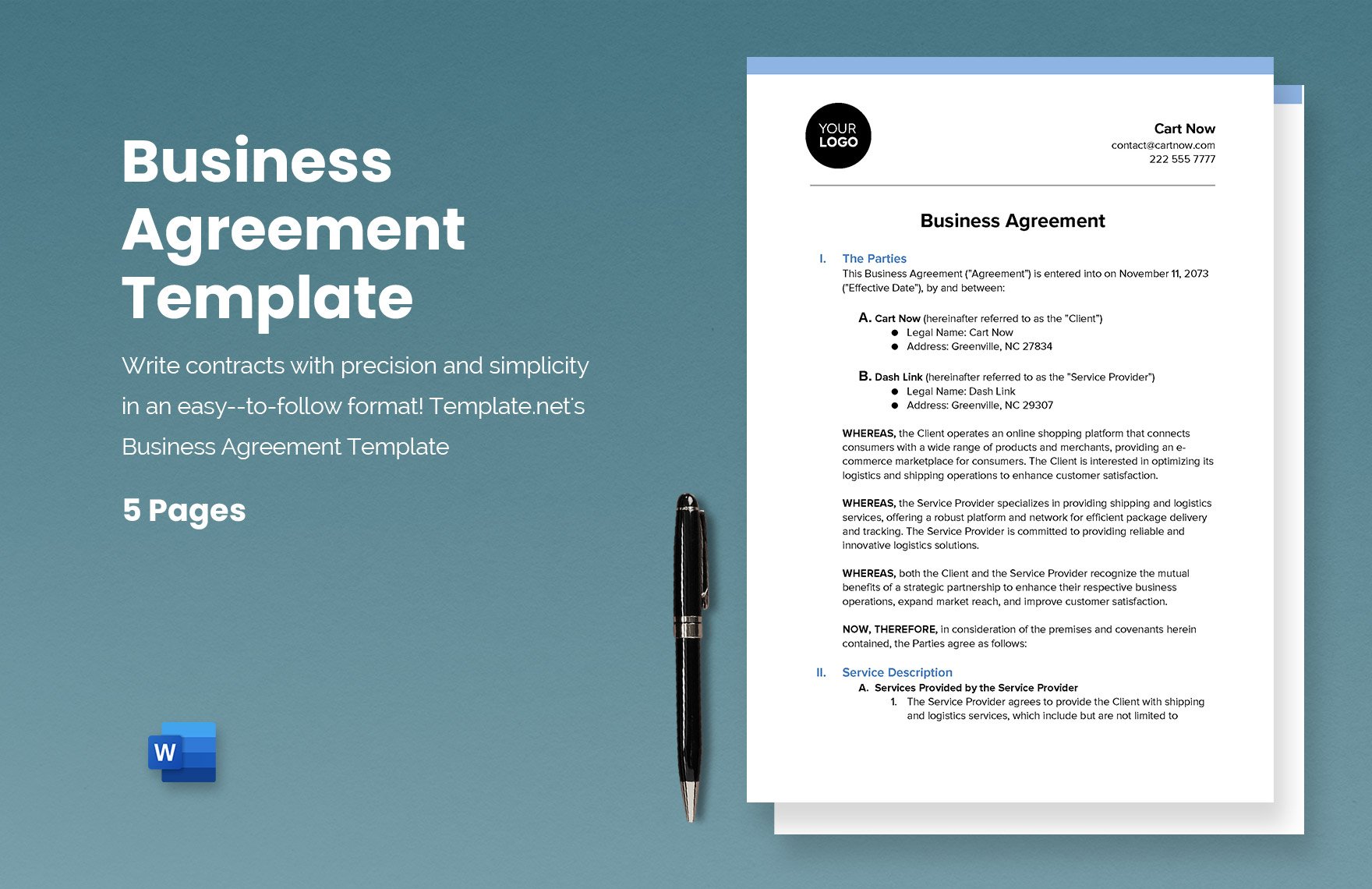
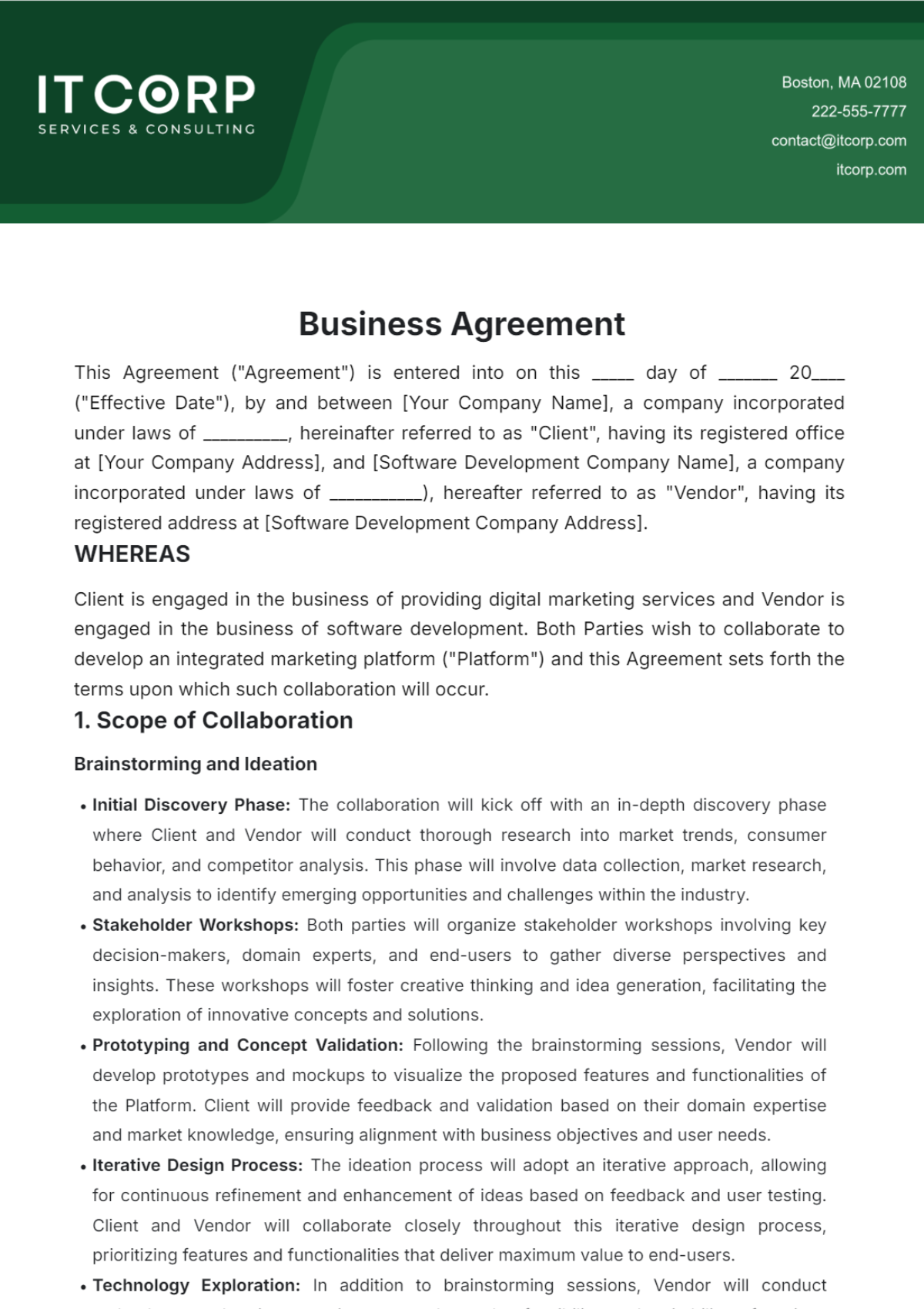
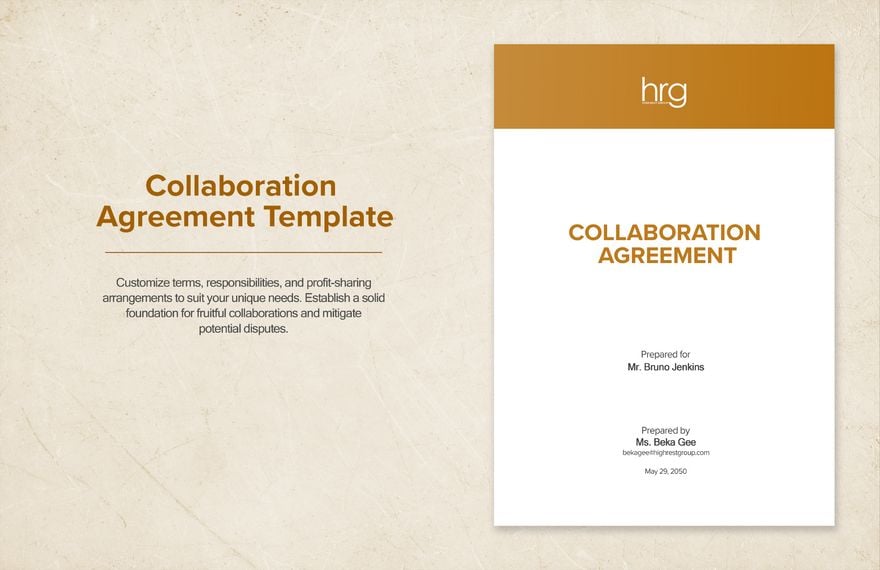
Business relationships often require more detailed terms because they can involve money, intellectual property, confidential information, customer relationships, delivery schedules, and commercial risks. Agreements between two parties templates for business can be adapted for service arrangements, partnerships, sales transactions, consulting projects, vendor relationships, licensing, and collaborative ventures.
For business use, consider whether the agreement clearly addresses pricing, invoices, taxes, delivery, acceptance criteria, ownership of work, confidentiality, liability, warranties, termination, and dispute resolution. The more complex the relationship, the more important it becomes to review the document carefully before signing.

Business Partnership Arrangements
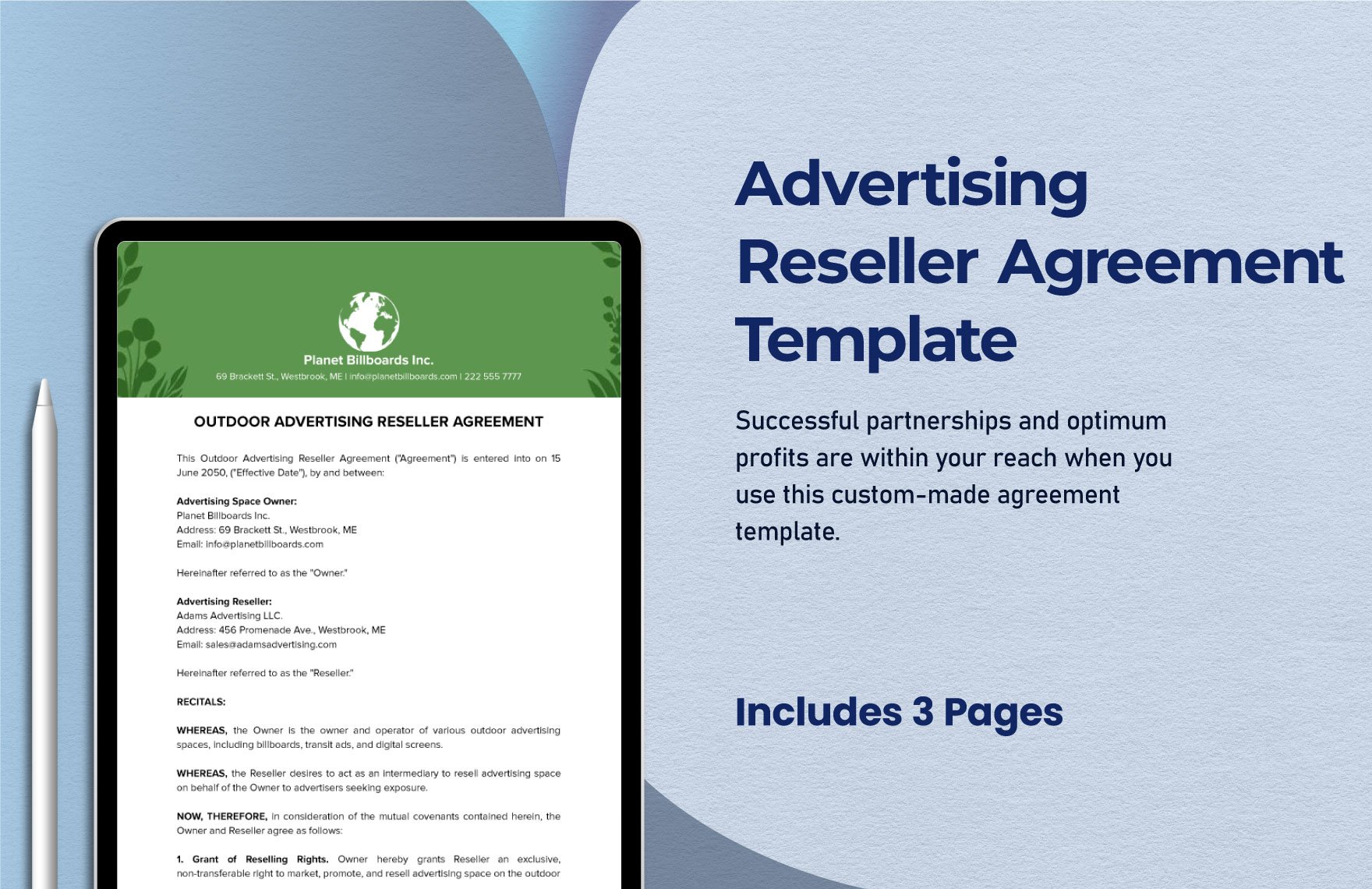
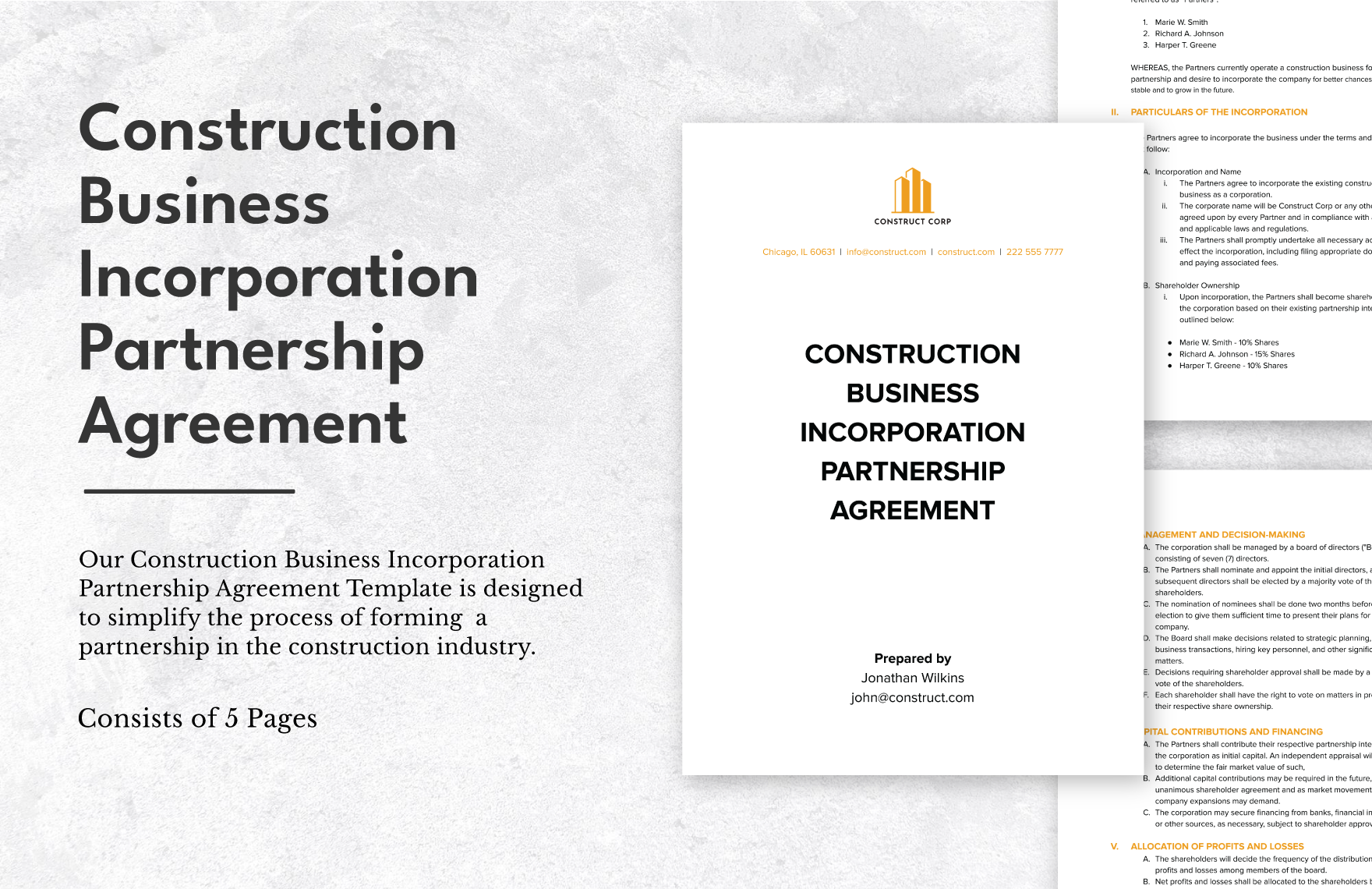
When two businesses or individuals collaborate on a venture, the agreement can define contributions, ownership, decision-making, revenue allocation, expenses, intellectual property, and exit procedures. A partnership arrangement should be especially clear about what happens when one participant wants to leave or the relationship no longer works.
A practical document should also distinguish between ownership rights and operational responsibilities. A person contributing capital does not necessarily have the same daily responsibilities as someone managing the project.

Choosing Between Word and PDF Formats
The document format should match the stage of the agreement. During drafting and negotiation, an editable document is often convenient because both parties may need to revise clauses, update names, adjust figures, or add schedules.
That is why searches for agreements between two parties templates word, agreements between two parties templates word document, and agreement between two parties word are common among people who want an editable starting point.
Once the wording has been finalized, a fixed document format can be useful for preserving the agreed presentation. A request for agreements between two parties templates pdf often reflects the need for a consistent version that is convenient for review, printing, signing, and record keeping.

How to Customize an Agreement Between Two Parties Template
An agreement between two parties template should be treated as a framework rather than a finished document that automatically fits every situation. The first step is to identify the exact relationship and purpose. Next, remove sections that are irrelevant and expand areas that require more detail.
Pay particular attention to placeholders. Names, addresses, dates, payment amounts, deadlines, project descriptions, governing law, and signature information should be reviewed individually. Leaving a placeholder behind can create confusion later.
- Replace every generic party name with the correct legal identity.
- Confirm the effective date and contract duration.
- Describe the scope of work in measurable terms where possible.
- Specify payment amounts, timing, invoicing procedures, and applicable expenses.
- Define ownership of materials, documents, designs, software, or other work products.
- Review termination and renewal conditions.
- Check whether confidentiality obligations are appropriate.
- Provide a clear method for handling disagreements or amendments.
- Confirm that both parties understand the final document before signing.

Examples of Agreements Between Two Parties
There are many situations in which two parties may benefit from a written agreement. The document should always be adapted to the actual relationship rather than selected solely because its title sounds appropriate.
Service agreement: A consultant provides marketing services to a small company. The agreement defines deliverables, project milestones, fees, payment dates, revisions, and termination.
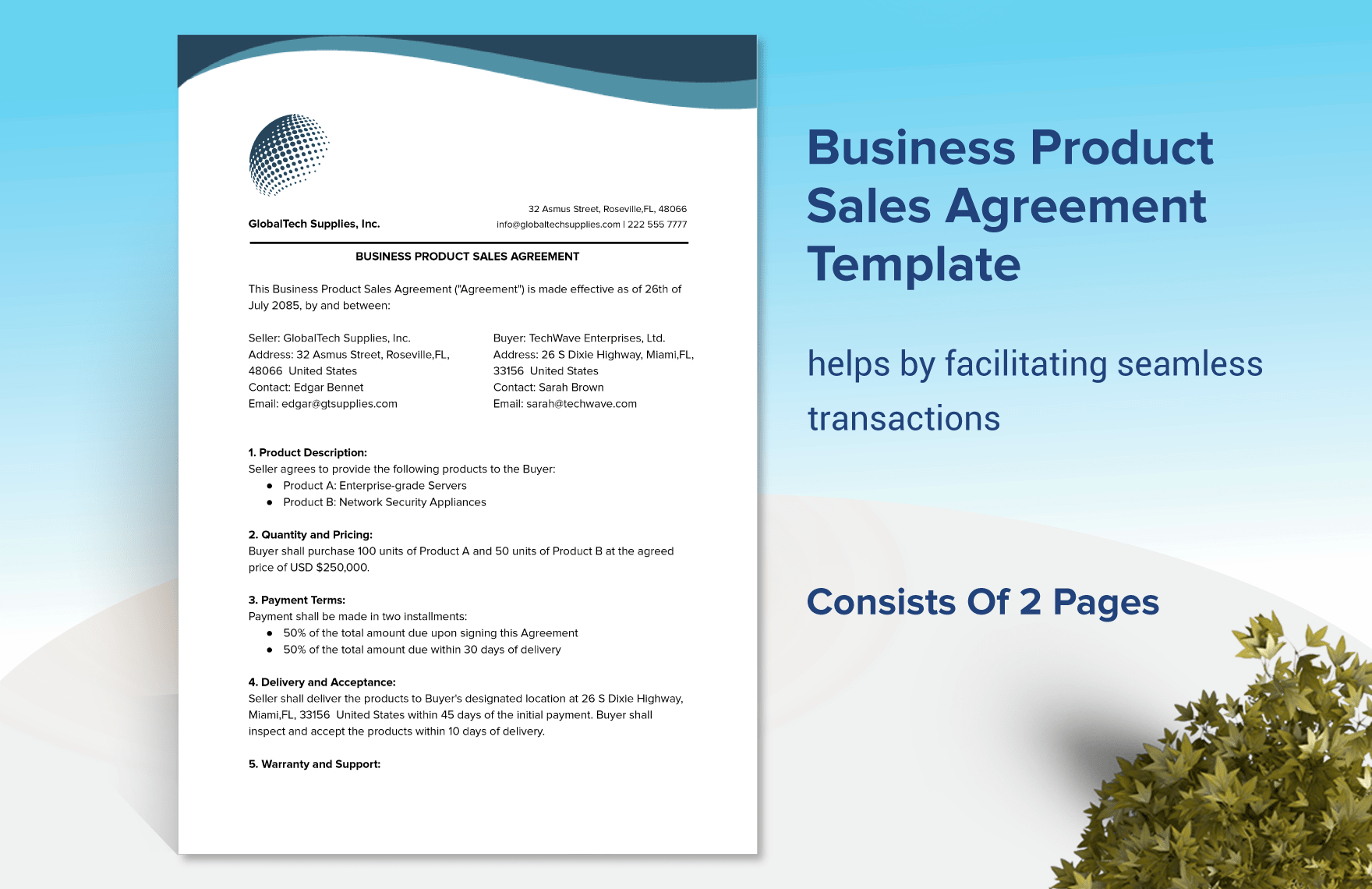
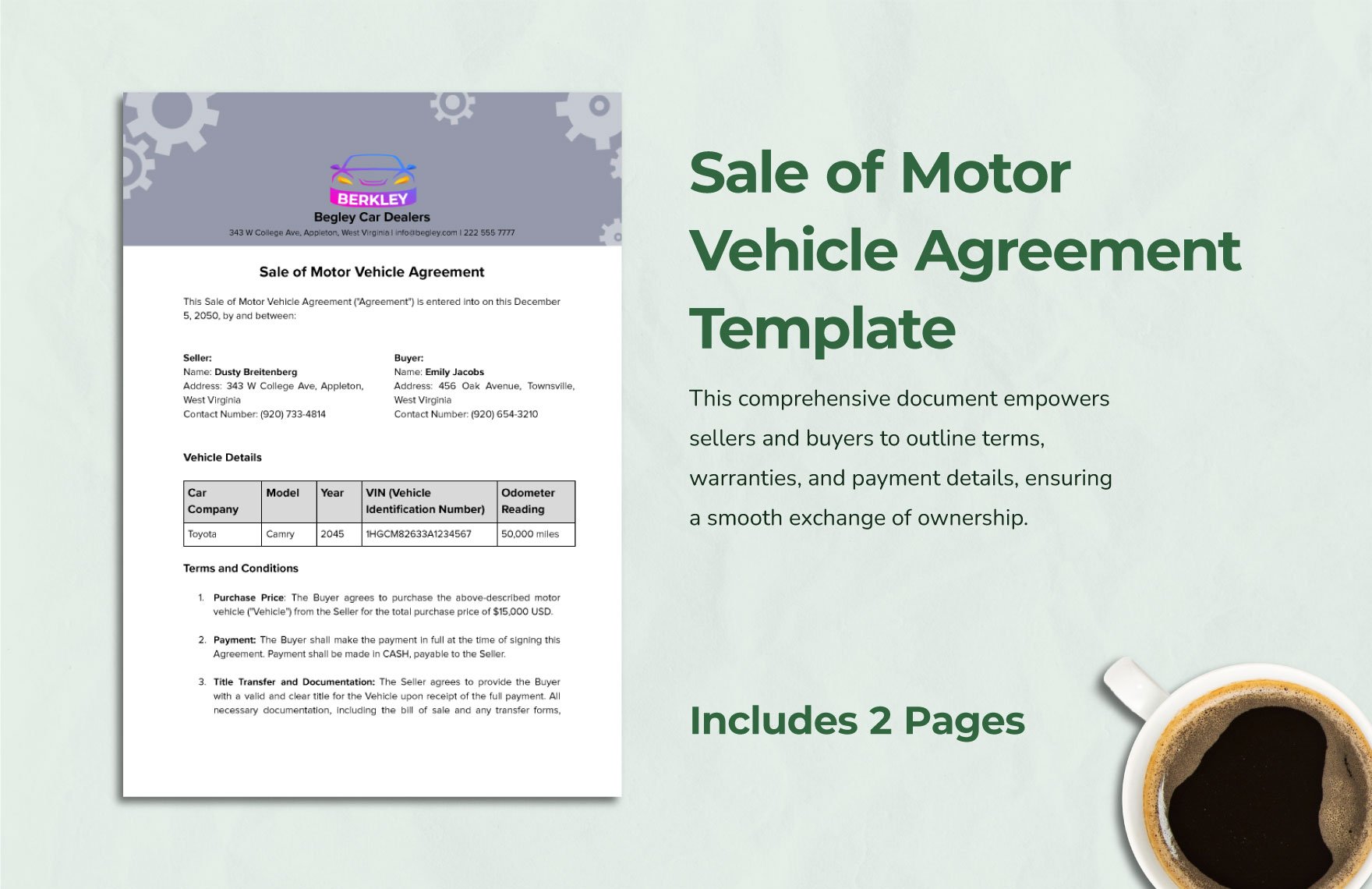
Sales agreement: A seller transfers products or equipment to a buyer. The document identifies the items, quantity, price, delivery conditions, inspection process, warranties, and payment arrangements.
Partnership agreement: Two entrepreneurs establish a venture together. The agreement defines contributions, ownership, management duties, profit allocation, and procedures for withdrawal.
Loan agreement: One party provides money to another. The document can establish the principal amount, interest, repayment schedule, security, late-payment consequences, and maturity date.
Agreement Sample Between Two Parties: A Simple Structure
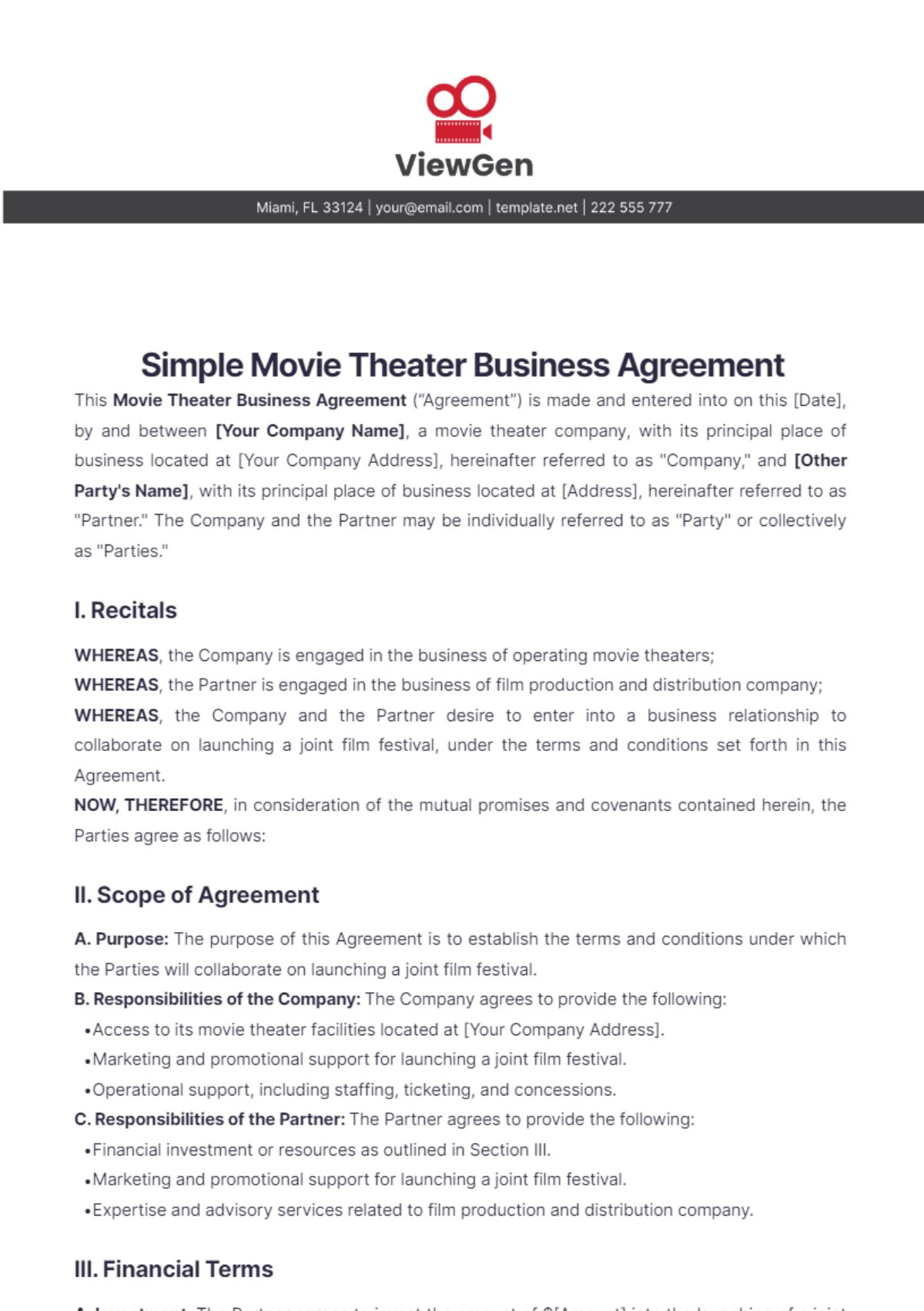
An agreement sample between two parties can follow a straightforward structure when the arrangement is relatively simple. For example, a basic service agreement may begin with the identity of Party A and Party B, followed by the purpose of the relationship, description of services, compensation, timeline, confidentiality, termination, dispute resolution, and signatures.
The exact wording depends on the transaction and applicable law. A simple document should not become complicated merely for appearance. At the same time, important risks should not be omitted simply because the parties want a short contract.
Legal Agreement Sample Between Two Parties: Important Considerations
A legal agreement sample between two parties can help demonstrate how contractual clauses are organized, but a sample should not be assumed to be suitable for every jurisdiction or transaction. Contract rules can vary according to location, subject matter, industry, and the nature of the parties.
Before signing an important agreement, consider whether professional legal advice is appropriate. This is particularly relevant for property transactions, significant financial commitments, employment relationships, intellectual property transfers, regulated industries, complex partnerships, or agreements involving substantial liability.
The parties should also confirm that the individuals signing have authority to enter the arrangement. A polished document cannot correct a fundamental problem with authority, consent, legality, or inaccurate information.
Printable Contract Between Two Parties
A printable contract between two parties should use a clean layout that remains readable when printed. Standard page dimensions, consistent headings, sufficient margins, clear numbering, and dedicated signature areas can make the final document easier to review.
Before printing, check page breaks carefully. A signature block should not be separated awkwardly from the clause it belongs to, and important headings should remain with their related text whenever possible.
It is also useful to create a final review copy before signing. Compare names, dates, amounts, addresses, schedules, and attachments against the negotiated terms. Small transcription errors can create unnecessary complications.
Common Mistakes to Avoid
The most common problems are often caused by missing details rather than complicated legal language. A template may provide the structure, but the parties remain responsible for ensuring that the information reflects their actual arrangement.
- Using vague obligations: Avoid descriptions that make it difficult to determine whether a responsibility has been completed.
- Leaving placeholders: Review every bracketed field before signing.
- Ignoring payment details: State amounts, due dates, accepted methods, and relevant conditions.
- Skipping termination terms: Explain how either party can end the arrangement and what happens afterward.
- Overlooking ownership: Clarify who owns documents, designs, inventions, data, or other work products.
- Using the wrong template: A lease arrangement, partnership, service contract, and product sale can require very different provisions.
- Failing to review amendments: Changes should be documented clearly rather than relying on informal conversations.
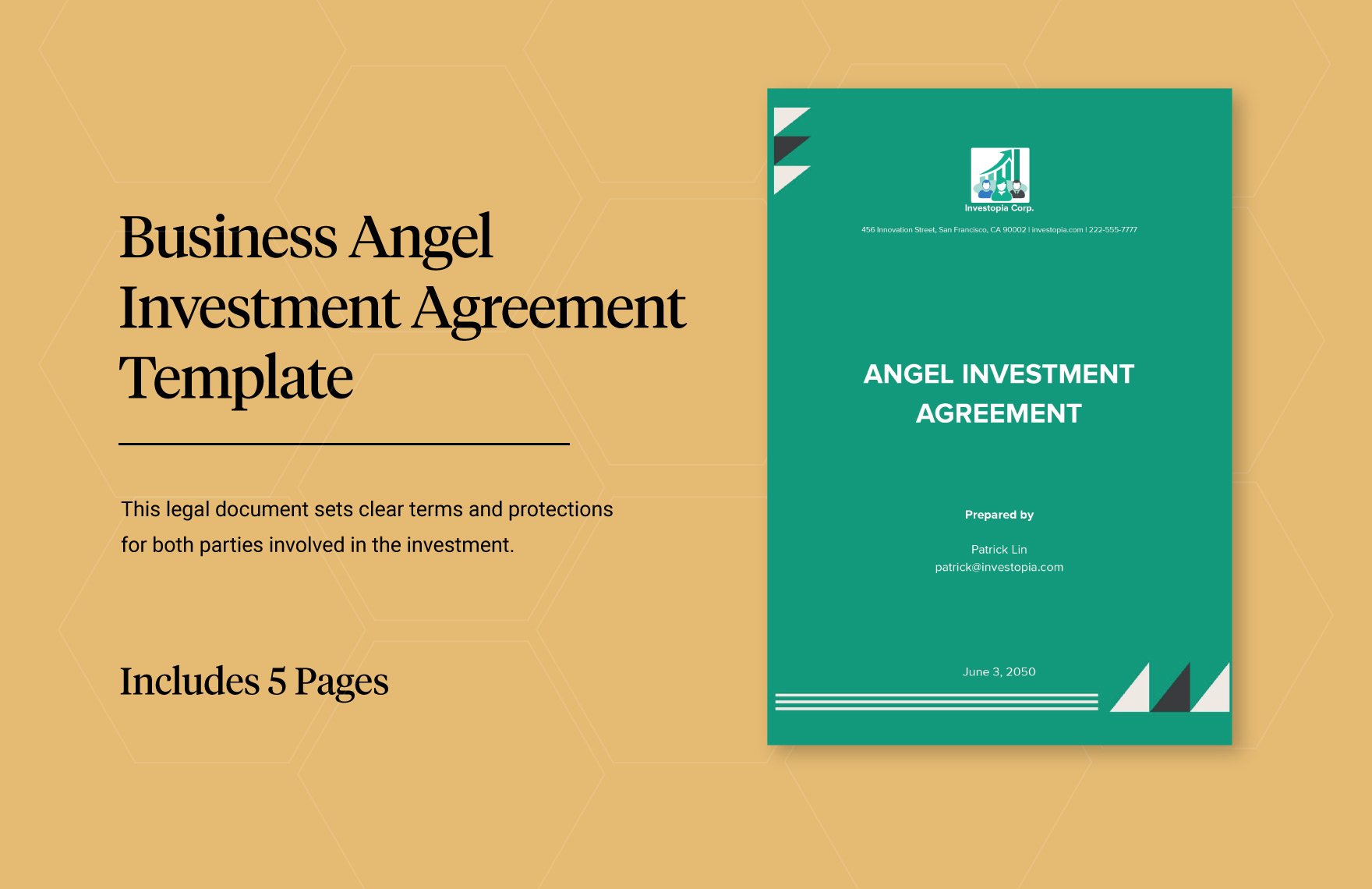
How to Review a Template Before Signing
Start with the business or personal objective. Ask whether the agreement actually describes the arrangement you intend to create. Then review each section from both parties’ perspectives. Consider what each side must provide, what each side receives, and what happens if an obligation is delayed or not performed.
Next, examine the financial provisions. Confirm that figures, payment dates, taxes, reimbursements, deposits, milestones, and other monetary terms are consistent throughout the document. A mismatch between the main agreement and an attachment should be resolved before execution.
Finally, review the ending provisions. Termination, renewal, dispute resolution, governing law, notices, amendments, and signatures often receive less attention than the main commercial terms, yet they can become especially important when a relationship changes.

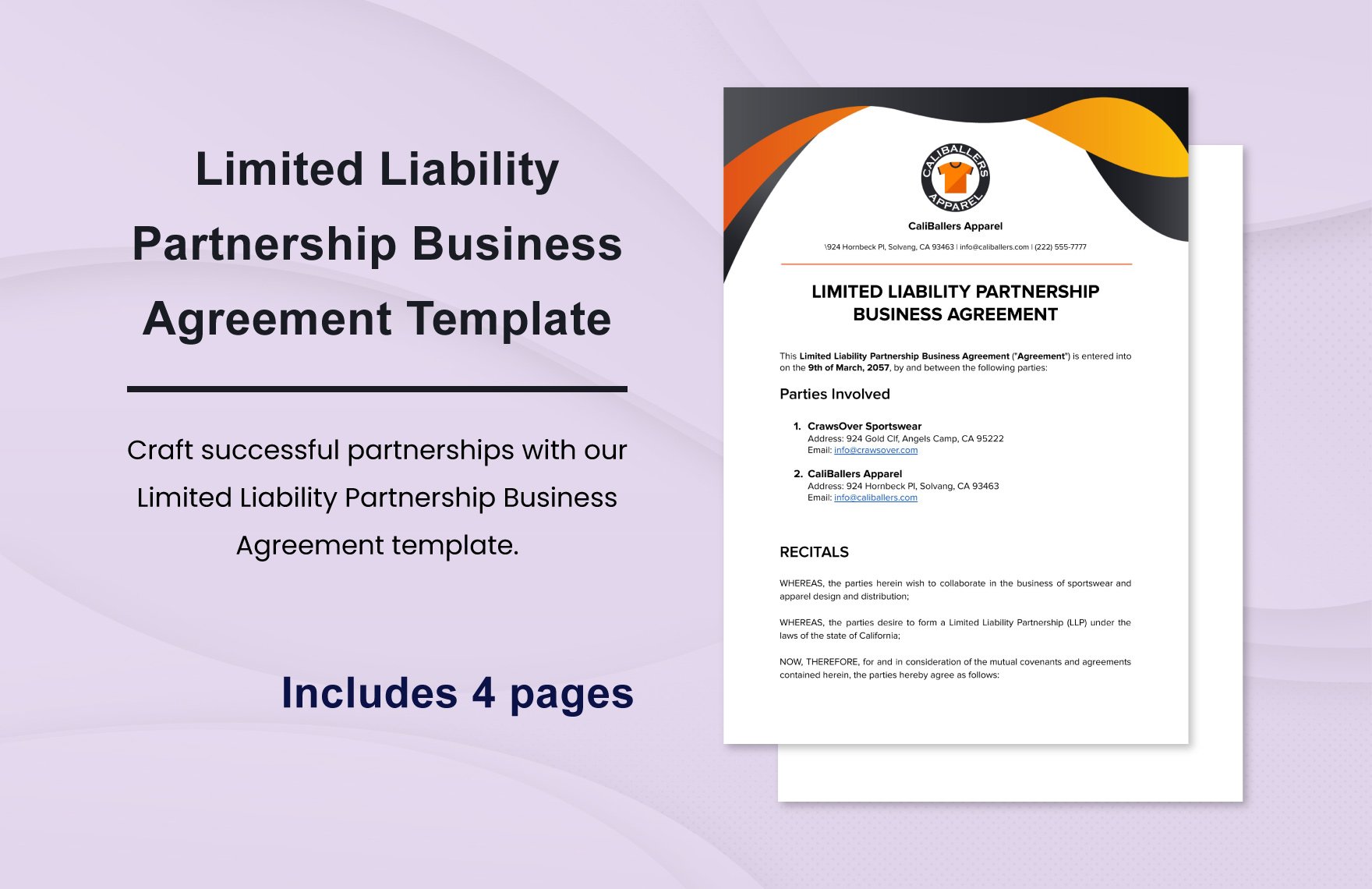
Sample Agreements Between Two Parties for Different Situations
Client and freelancer: Define the project scope, milestones, revisions, fees, intellectual property, confidentiality, and delivery requirements.
Supplier and retailer: Establish product specifications, pricing, ordering procedures, delivery, quality standards, returns, and payment terms.
Two collaborating businesses: Explain each company’s contribution, responsibilities, ownership rights, marketing activities, confidentiality obligations, and termination process.
Property owner and occupant: Address use of the property, payments, maintenance responsibilities, duration, permitted activities, and procedures for ending the arrangement.
These sample agreements between two parties illustrate why there is no single structure that works perfectly for every relationship. The correct document is the one that accurately reflects the transaction and addresses its most meaningful risks.
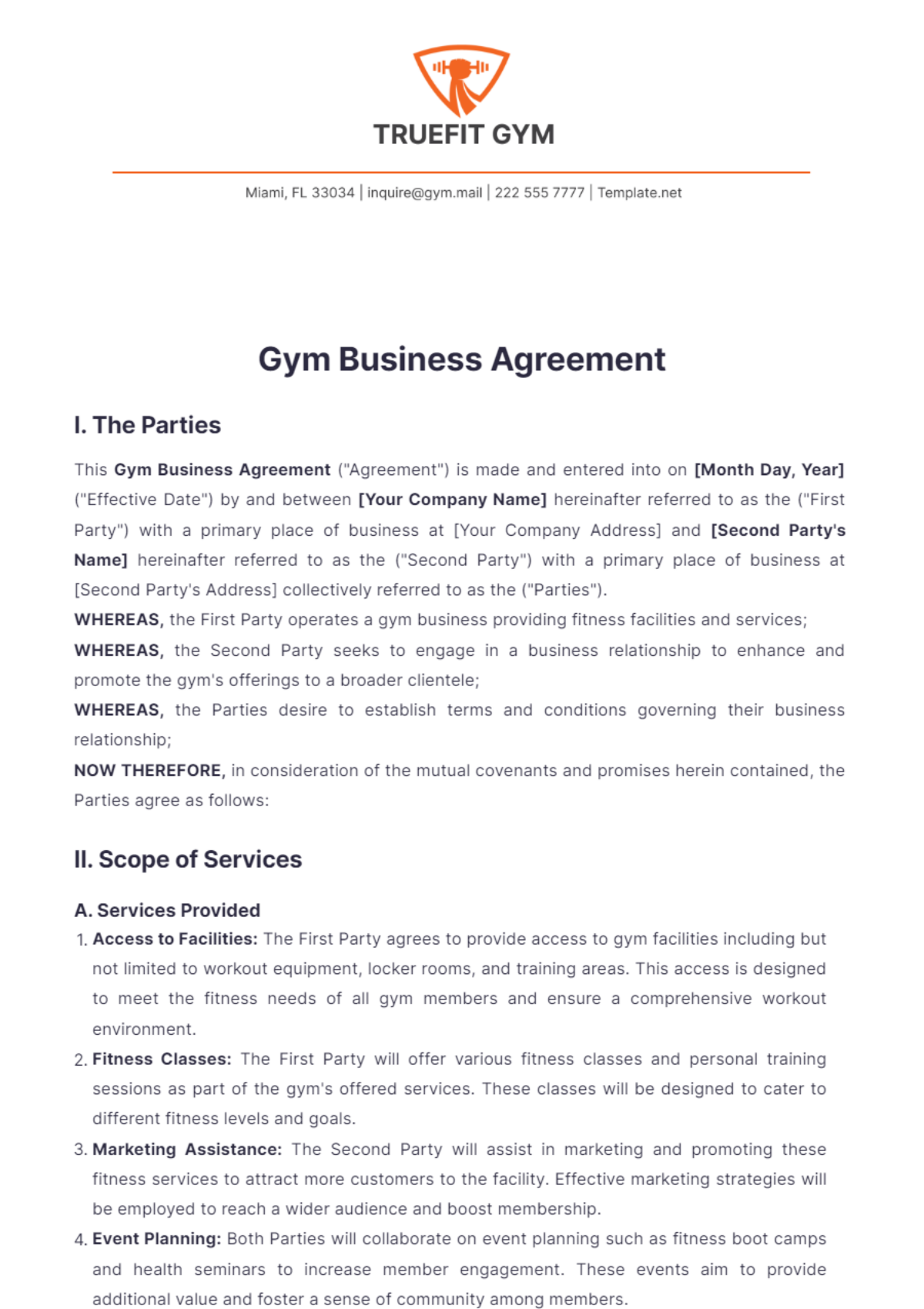
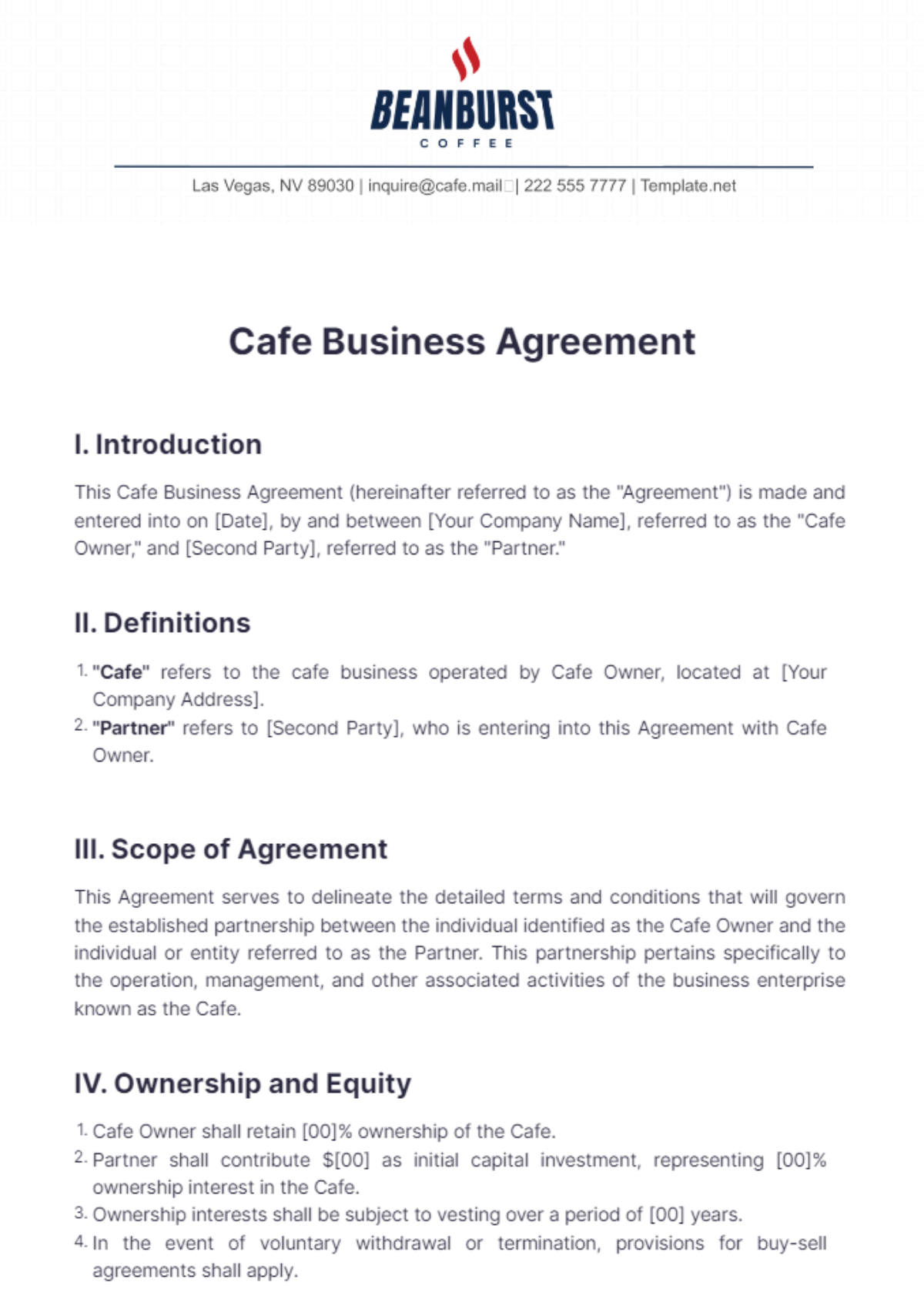
How to Make an Agreement Easier to Understand
Professional agreements do not have to be difficult to read. Use descriptive headings, numbered clauses, consistent terminology, and direct sentences. Define specialized terms once and use the same term throughout the document.
For example, if a company is called “Service Provider” after the introductory section, avoid switching between “Provider,” “Contractor,” and “Company” unless those terms have distinct meanings. Consistent terminology reduces interpretation problems.
Lists can also make complicated obligations easier to follow. When a party has five separate responsibilities, presenting them as individually numbered obligations is usually clearer than placing everything inside one long paragraph.
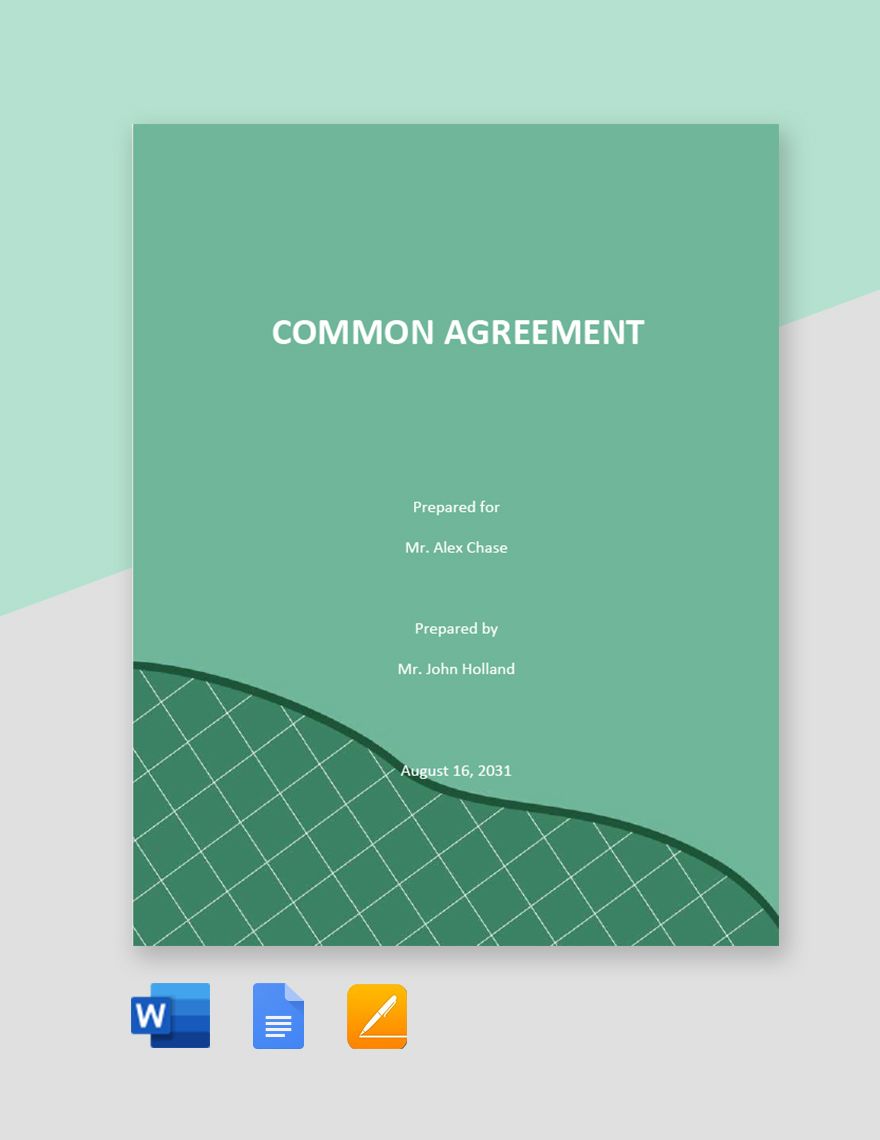
Using Agreements Between Two Parties Templates as a Workflow
A useful approach is to treat the template as part of a broader contract workflow. First, identify the relationship and objectives. Second, select a structure that matches the transaction. Third, customize the clauses. Fourth, review the document with the other party. Fifth, resolve outstanding questions. Finally, execute and store the final version securely.
This process helps separate drafting from negotiation. The first version does not need to contain perfect wording. What matters is that both parties can identify the issues that need discussion and gradually reach a clear final arrangement.
For recurring business relationships, maintaining a standardized internal template can also improve consistency. Teams can establish preferred sections while allowing transaction-specific provisions to be added when necessary.
FAQ About Agreements Between Two Parties Templates
What should an agreement between two parties contain?
It should normally identify both parties, state the purpose, define responsibilities, establish payment or consideration where relevant, specify duration, address termination, and provide signature information. Additional clauses depend on the nature of the arrangement.
Are agreements between two parties templates suitable for business use?
Yes. They can provide a useful framework for business relationships involving services, sales, partnerships, vendors, consulting, licensing, and other arrangements. The template should be customized to the actual transaction and reviewed for applicable legal requirements.
What are examples of agreements between two parties?
Common examples include service agreements, sales agreements, partnership agreements, loan agreements, confidentiality agreements, licensing arrangements, property agreements, and consulting contracts.
Can I edit an agreement between two parties word document?
Yes. An editable Word-based structure is useful when the parties need to revise names, clauses, schedules, payment information, or other terms during negotiation. The final version should be carefully reviewed before signing.
Should a two-party agreement include a termination clause?
In many arrangements, yes. A termination clause can explain when the relationship may end, how much notice is required, what happens to outstanding payments, and how unfinished obligations are handled.
Final Checklist Before Signing
Before both parties sign, conduct one final review. Confirm that the legal names are correct, the purpose is accurate, the responsibilities are complete, and all financial terms match the negotiated arrangement. Check dates, attachments, schedules, ownership provisions, confidentiality requirements, termination procedures, and signature blocks.
- Both parties are correctly identified.
- The purpose and scope are specific.
- Responsibilities are assigned clearly.
- Payment and financial conditions are accurate.
- Important deadlines are stated.
- Ownership and confidentiality provisions are appropriate.
- Termination and dispute procedures are understandable.
- All attachments referenced by the agreement are included.
- Authorized representatives will sign for organizations.
- Each party retains a complete copy of the executed agreement.
Conclusion: Selecting the Right Agreement Structure
Agreements Between Two Parties Templates can simplify the process of organizing a professional contract while helping both sides focus on the terms that actually matter. The strongest result comes from choosing a structure that matches the relationship, replacing generic placeholders with precise information, defining responsibilities clearly, and reviewing the final document from both parties’ perspectives. Whether you need a business arrangement, service contract, sales document, partnership structure, or another type of two-party agreement, a carefully customized template can provide a practical foundation for clearer expectations and more organized contractual relationships.