Bid tabulation is an essential part of an effective procurement process. When multiple suppliers submit proposals for the same products, services, or project, comparing every offer manually can quickly become confusing. Prices may differ, delivery schedules may vary, and suppliers may offer different payment terms or levels of quality. A well-organized bid tabulation process helps businesses compare these details clearly and make more informed purchasing decisions.
Whether you work in construction, purchasing, manufacturing, government procurement, or general business operations, a bid comparison sheet can improve consistency and transparency. Instead of choosing a supplier based only on the lowest price, procurement teams can evaluate the complete value of each proposal. This article explains what bid tabulation is, how it works, what information to include, and how to use a bid tabulation process effectively.
What Is Bid Tabulation?
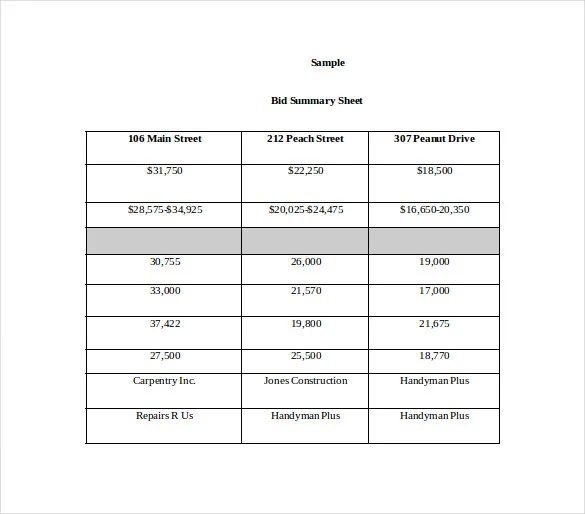
Bid tabulation is the process of organizing and comparing bids submitted by multiple vendors or contractors. The information is usually presented in a structured table, spreadsheet, or procurement comparison form. Each supplier is evaluated against the same criteria, making it easier to identify the offer that provides the best overall value.
A typical bid tabulation sheet may compare price, product specifications, quality requirements, delivery times, payment terms, warranties, and other purchasing factors. The goal is not always to select the cheapest bid. Instead, the objective is to identify the most advantageous proposal based on the needs and priorities of the organization.
Why Bid Tabulation Is Important in Procurement
Purchasing decisions can have a significant effect on budgets, project schedules, and business performance. Without a structured comparison process, important differences between vendor proposals can be overlooked. A bid tabulation system creates a clearer record of how each supplier was evaluated.
It can also improve accountability. When decision-makers can review the same information in a standardized format, it becomes easier to explain why one supplier was selected over another. This is especially valuable when purchases involve large budgets, multiple stakeholders, or formal procurement requirements.
- Improves consistency: Every bid can be evaluated using the same criteria.
- Saves time: Important information is organized in one location.
- Supports better decisions: Buyers can compare total value rather than price alone.
- Increases transparency: The supplier selection process is easier to document.
- Reduces errors: A structured bid comparison helps identify missing or inconsistent information.
- Creates useful records: Procurement teams can refer to previous bid evaluations when planning future purchases.
Key Information to Include in a Bid Tabulation Sheet
The most useful bid tabulation format depends on the type of purchase. However, a comprehensive supplier comparison should generally include the information necessary to evaluate each proposal fairly.
Vendor and Bid Identification
Start by recording basic information about the procurement request and each supplier. This may include the vendor name, contact details, quotation number, bid date, and expiration date. Clear identification helps prevent confusion when several proposals are being reviewed.

Pricing and Cost Details
Price is usually one of the most important factors, but it should be recorded carefully. A bid comparison table can include unit prices, quantities, subtotal amounts, taxes, shipping costs, installation charges, discounts, and the total proposed cost.
Comparing the total cost rather than only the initial quoted price can prevent unexpected expenses. For example, a supplier with a lower product price may charge significantly more for delivery or require additional fees that make the final purchase more expensive.
Technical Specifications and Quality
A bid should also be evaluated against the required specifications. A low-cost proposal may not provide the exact materials, features, capacity, or performance required for the project.
Consider adding columns for compliance status, product specifications, quality ratings, certifications, warranty coverage, and other technical requirements. This allows procurement teams to quickly identify which vendors fully meet the purchasing criteria.

How to Create an Effective Bid Tabulation Process
An effective bid tabulation process begins before the bids arrive. Procurement teams should establish evaluation criteria in advance. This helps ensure that suppliers are compared fairly and reduces the risk of changing the requirements simply to favor a particular proposal.
Step 1: Define Your Procurement Requirements
Clearly describe what the organization needs to purchase. Include quantities, specifications, delivery requirements, quality standards, and other essential conditions. The clearer the requirements are, the easier it will be to compare supplier responses.
Step 2: Collect and Review All Bids
Before comparing prices, review each proposal for completeness. Check whether suppliers have provided all requested information and whether the quotation is still valid. Missing information should be identified before the final evaluation begins.
Step 3: Enter Information Into the Bid Comparison Table
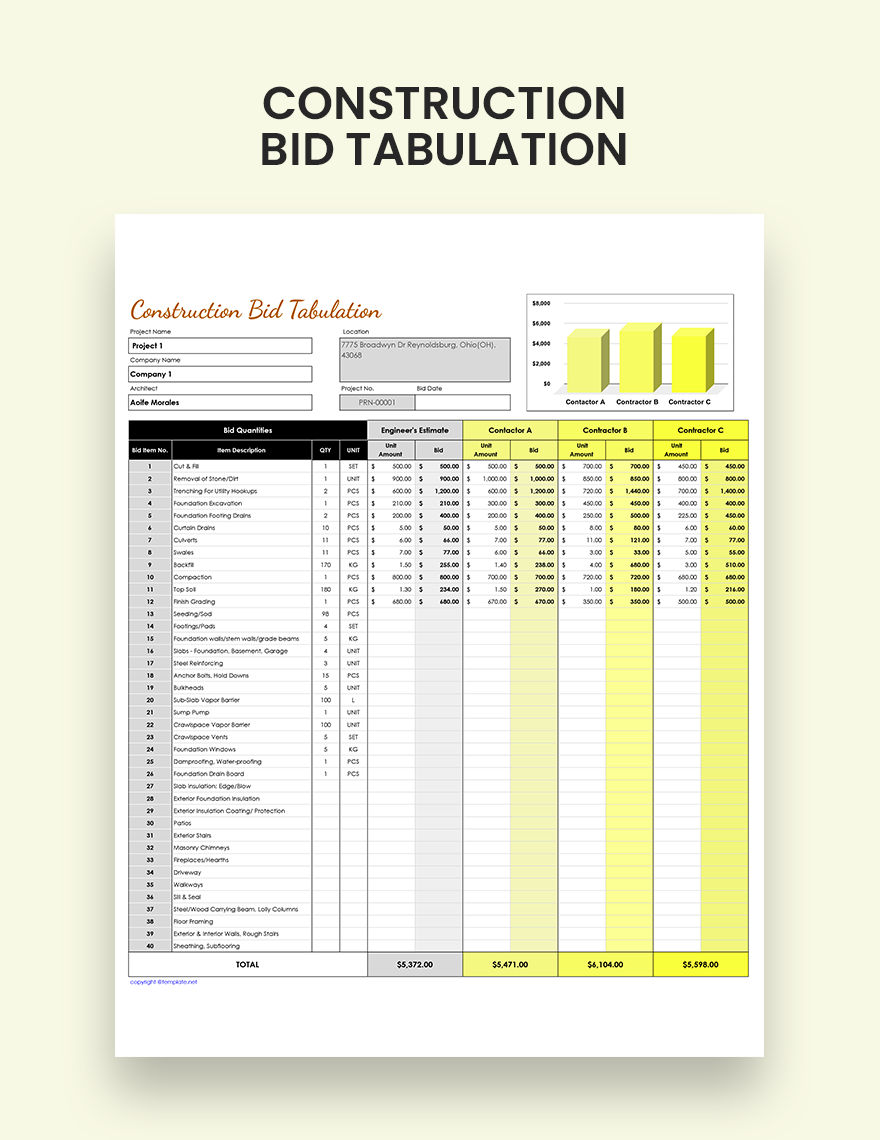
Create a consistent structure with the evaluation criteria listed in rows and supplier information organized in columns. This side-by-side approach makes differences between proposals easier to identify.
Step 4: Score Important Criteria
For more complex purchases, assigning scores or weighted values can improve the evaluation process. For example, price might represent 40 percent of the total score, while quality, delivery time, technical compliance, and supplier experience represent the remaining percentage.
- Price and total cost
- Product or service quality
- Technical compliance
- Delivery schedule
- Payment terms
- Warranty or after-sales support
- Supplier reputation and experience
Common Mistakes to Avoid When Comparing Bids
One common mistake is selecting the lowest bidder without considering other factors. The lowest quotation is not necessarily the best value if the supplier cannot meet quality standards, delivery deadlines, or technical requirements.
Another problem is comparing incomplete information. If one vendor includes shipping costs while another does not, the comparison may be misleading. Procurement professionals should normalize the information as much as possible before making a decision.
Avoid these common bid evaluation mistakes:
- Comparing price without reviewing total ownership or delivery costs.
- Using different evaluation criteria for different suppliers.
- Ignoring technical specifications and compliance requirements.
- Failing to verify unusual pricing or missing information.
- Choosing a vendor before completing the full comparison.
- Neglecting to document the final selection decision.
Practical Tips for Improving Your Bid Tabulation
A good procurement comparison document should be easy to understand. Avoid overcrowding the sheet with unnecessary information. Focus on the criteria that genuinely affect the purchasing decision.
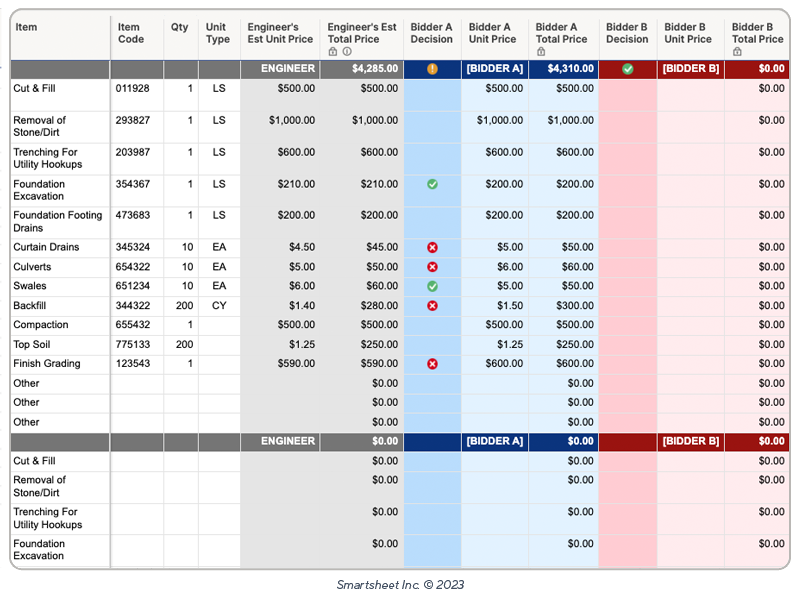
Using formulas in a spreadsheet can also improve accuracy. Automatic calculations can total costs, calculate price differences, and generate weighted scores. However, formulas should be checked carefully before relying on the final results.
It is also helpful to maintain a clear approval process. The person preparing the bid tabulation may not be the same person authorized to approve the purchase. Including review and approval steps can improve internal control and create a stronger procurement record.
When Should You Use Bid Tabulation?
Bid tabulation is useful whenever multiple suppliers are competing to provide similar products or services. It can be particularly valuable for large purchases, construction projects, equipment procurement, service contracts, and recurring supplier agreements.
Small businesses can benefit from a simple bid comparison spreadsheet, while larger organizations may use formal procurement software or detailed vendor evaluation templates. The complexity of the document should match the importance and risk of the purchase.
For routine purchases, a simple comparison of price, quantity, and delivery time may be sufficient. For high-value contracts, the evaluation may include detailed scoring, technical reviews, supplier qualifications, financial considerations, and approval documentation.
Conclusion
Bid tabulation is a practical and valuable method for comparing supplier proposals in a clear, organized, and consistent way. By evaluating pricing alongside quality, specifications, delivery schedules, payment terms, and other important criteria, businesses can make purchasing decisions based on overall value rather than price alone.
A well-designed bid tabulation sheet also improves transparency, reduces comparison errors, and creates a useful record of the procurement decision. When organizations define their requirements clearly, evaluate every supplier using consistent criteria, and document the results carefully, the procurement process becomes more efficient and easier to manage. Ultimately, an effective bid tabulation process can help businesses select reliable suppliers, control costs, and achieve better results from every purchasing decision.