A well-organized Medical Billing Order helps healthcare providers manage billing tasks in a clear and efficient way. Medical billing involves several connected steps. These steps usually include patient registration, insurance verification, medical documentation, coding, claim submission, payment posting, and follow-up.
When each step follows the correct order, healthcare organizations can reduce errors and avoid unnecessary delays. In addition, a structured billing process can improve communication between providers, billing staff, insurance companies, and patients.
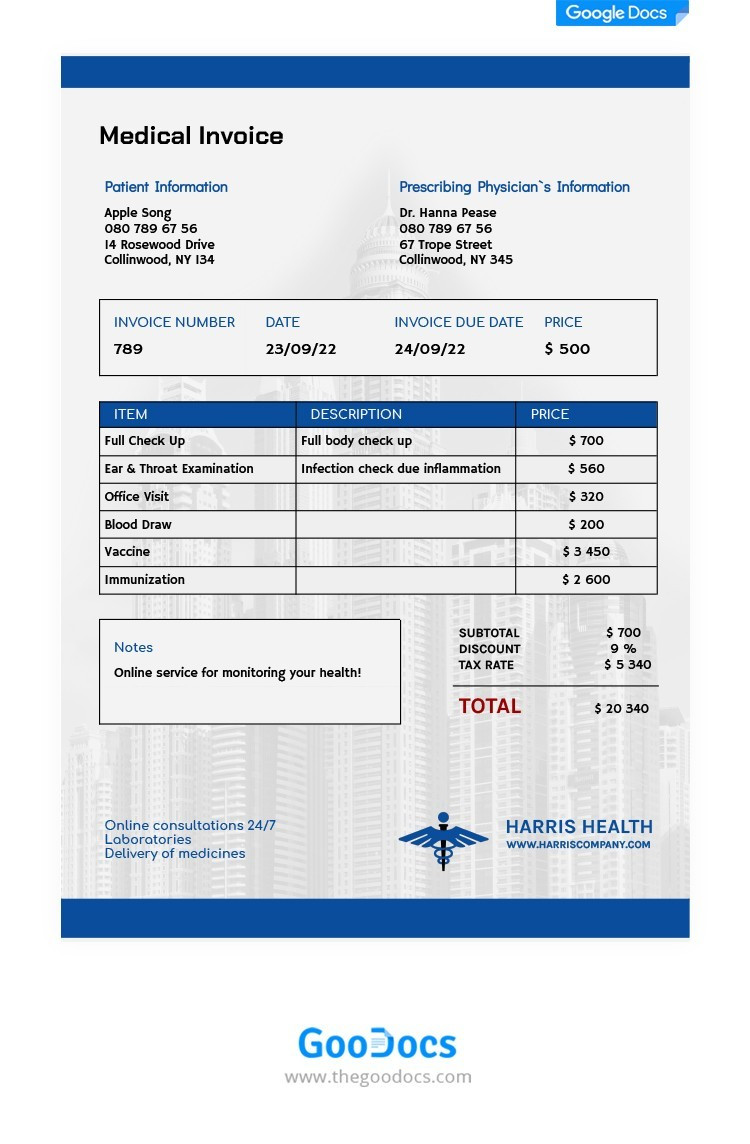
For this reason, understanding the Medical Billing Order is important for medical offices, clinics, hospitals, billing specialists, and healthcare administrators. A consistent workflow makes daily billing activities easier to manage. It can also support a stronger healthcare revenue cycle.
What Is a Medical Billing Order?
A Medical Billing Order is the sequence of steps used to process healthcare services for billing and reimbursement. The process usually starts when a patient provides registration information. It continues through service documentation, coding, charge entry, claim submission, payment processing, and account follow-up.
Each step affects the next stage of the billing workflow. Therefore, accurate information is important from the beginning. For example, incorrect patient information can cause insurance problems. Likewise, incomplete medical documentation can create coding or claim issues.
A clear medical billing workflow helps employees follow the same process for every account. As a result, healthcare organizations can improve consistency and reduce confusion.
Why an Organized Medical Billing Process Matters
Medical billing often involves several departments and systems. For example, front desk staff collect patient information, healthcare providers document services, coders assign medical codes, and billing teams submit claims. Because these tasks are connected, an organized process is essential.
- Improves accuracy: Staff can review important information before moving to the next step.
- Reduces billing errors: A structured workflow helps identify mistakes earlier.
- Supports faster claim processing: Complete claims may require fewer corrections.
- Improves communication: Teams can work from consistent patient and billing information.
- Supports revenue cycle management: Organizations can monitor payments and outstanding balances.
- Creates better workflows: Standard procedures make training and quality control easier.
Step 1: Patient Registration
The Medical Billing Order usually begins with patient registration. During this stage, staff collect important demographic and administrative information. Accurate registration is essential because billing records depend on correct patient details.
Important Information to Collect
Patient registration may include the patient’s name, date of birth, address, telephone number, and other required contact information. Staff may also collect insurance details and information needed for account administration.
It is important to review this information carefully. Even a small error can create problems later in the billing process. Therefore, staff should confirm that the information is current before moving forward.
Step 2: Insurance Verification
The next step often involves insurance verification. This process helps confirm relevant coverage information before or during billing. Verification procedures may vary depending on the healthcare service, payer, and organizational requirements.
During this stage, billing or administrative staff may review eligibility, coverage information, deductibles, copayments, coinsurance, referrals, or authorization requirements when applicable.
Why Insurance Verification Is Important
Early verification can help identify administrative issues before a claim is submitted. As a result, healthcare organizations may have more time to correct inaccurate information or address missing details.
Insurance verification should be part of a consistent billing workflow. When the process is handled differently for every patient, mistakes can become more difficult to track.
Step 3: Documenting Healthcare Services
Accurate medical documentation is an important part of the billing process. Healthcare providers record the services performed and other relevant clinical information in the patient’s record.
This documentation provides the foundation for coding and billing. Therefore, billing information should be supported by the available medical documentation. Clear and complete records can also reduce unnecessary questions between clinical and billing teams.
Step 4: Medical Coding
Medical coding converts documented healthcare information into standardized codes used for billing and administrative purposes. Depending on the healthcare system and service provided, coding may involve diagnosis codes, procedure codes, supply codes, or applicable modifiers.
The Importance of Accurate Coding
Coding accuracy is important because billing and claim processing depend on the information submitted. Coding staff should follow applicable coding standards and organizational procedures.
In addition, internal quality checks can help identify missing information or inconsistencies before the billing process continues. This step can reduce the need for later corrections.
Step 5: Charge Entry
After the necessary information has been documented and coded, billing details are entered into the appropriate billing or practice management system. This process is often called charge entry.
Charge entry may include several important details:
- Patient account information
- Date of service
- Relevant diagnosis information
- Procedure or service codes
- Applicable modifiers
- Provider information
- Charges connected to documented services
Before moving forward, staff should review the entered information. This simple review can help identify missing data, duplicate charges, or obvious errors.
Step 6: Claim Preparation and Submission
Once billing information has been reviewed, a claim may be prepared for submission to the appropriate payer. Many healthcare organizations use electronic billing systems to support this process.
A strong claim submission process focuses on accuracy and completeness. In other words, the goal is to submit correct information before the claim enters the payer’s processing system.
Useful Claim Review Checks
- Confirm patient identification details.
- Review insurance information.
- Check required claim fields.
- Verify dates of service.
- Review coding information.
- Confirm charge details.
- Check for missing supporting information when required.
Step 7: Payment Posting
After claim processing, payment information or another response may be received. Billing staff then update the patient’s account with relevant payments, adjustments, or other account activity.
Accurate payment posting is important because it provides an updated view of the patient’s financial account. It also helps staff identify remaining balances and accounts that require further attention.
Step 8: Managing Denials and Rejections
Some claims may require additional attention. A claim can be rejected because of missing or incorrect information. In other cases, a payer decision may require the billing team to review the account and follow the appropriate process.
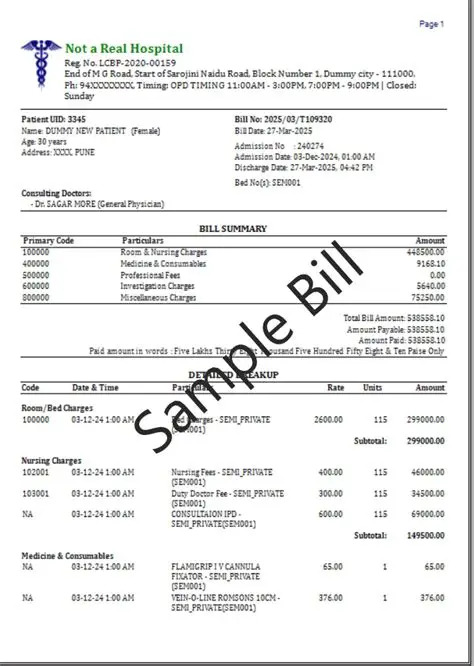
An organized follow-up process can help billing teams identify the reason for the issue and review the available information. Tracking recurring problems can also help healthcare organizations improve their overall billing workflow.
For example, repeated errors involving patient registration may show that additional training or stronger verification procedures are needed.
Step 9: Patient Billing and Account Follow-Up
After relevant account processing is completed, remaining patient balances may need to be communicated through the organization’s billing procedures. Clear statements can help patients understand the information related to their accounts.
Consistent account follow-up is also important. Healthcare organizations may establish procedures for reminders, payment arrangements, account reviews, and other financial communication.
Best Practices for an Efficient Medical Billing Order
A successful medical billing workflow should be reviewed regularly. Processes may need to change as technology, internal procedures, and administrative requirements evolve.
- Standardize each step: Use clear procedures for registration, coding, billing, and follow-up.
- Verify information early: Correct errors before they create larger problems.
- Maintain accurate documentation: Clear records support consistent billing.
- Review claim issues: Identify common reasons for delays or corrections.
- Train employees regularly: Staff should understand current procedures.
- Protect sensitive information: Use appropriate privacy and security practices.
Common Medical Billing Mistakes to Avoid
Many billing problems begin with small mistakes. However, these errors can create additional administrative work and delay account processing.
- Using outdated patient information
- Entering incorrect insurance details
- Submitting incomplete billing information
- Missing important documentation
- Entering duplicate charges
- Ignoring recurring claim problems
- Delaying account follow-up
Fortunately, many of these issues can be reduced with a consistent review process. A simple checklist can help employees confirm important information before moving to the next stage.
How Technology Supports Medical Billing Workflows
Modern healthcare technology can help organizations manage billing information more efficiently. Practice management systems, billing platforms, and other administrative tools can reduce repetitive tasks and improve account visibility.
However, technology works best when employees follow clear procedures. Automated systems can process information quickly, but inaccurate data can still create problems. Therefore, data accuracy should remain a priority throughout the Medical Billing Order.
Conclusion
A well-organized Medical Billing Order provides a clear structure for managing healthcare billing tasks. The process begins with accurate patient information and continues through insurance verification, documentation, coding, charge entry, claim submission, payment posting, and account follow-up.
By using shorter and more consistent workflows, healthcare organizations can reduce avoidable errors and improve billing efficiency. Most importantly, accurate information should be reviewed at every stage. A strong medical billing process supports better record management, smoother administrative operations, and a more organized healthcare revenue cycle.