Whether you are planning a renovation, looking for professional woodworking services, or considering a career in carpentry, understanding what a carpenter does can help you make informed decisions. This guide explains the different types of carpenters, their essential skills, the tools they use, and how to find the right professional for your project.
What Is a Carpenter?
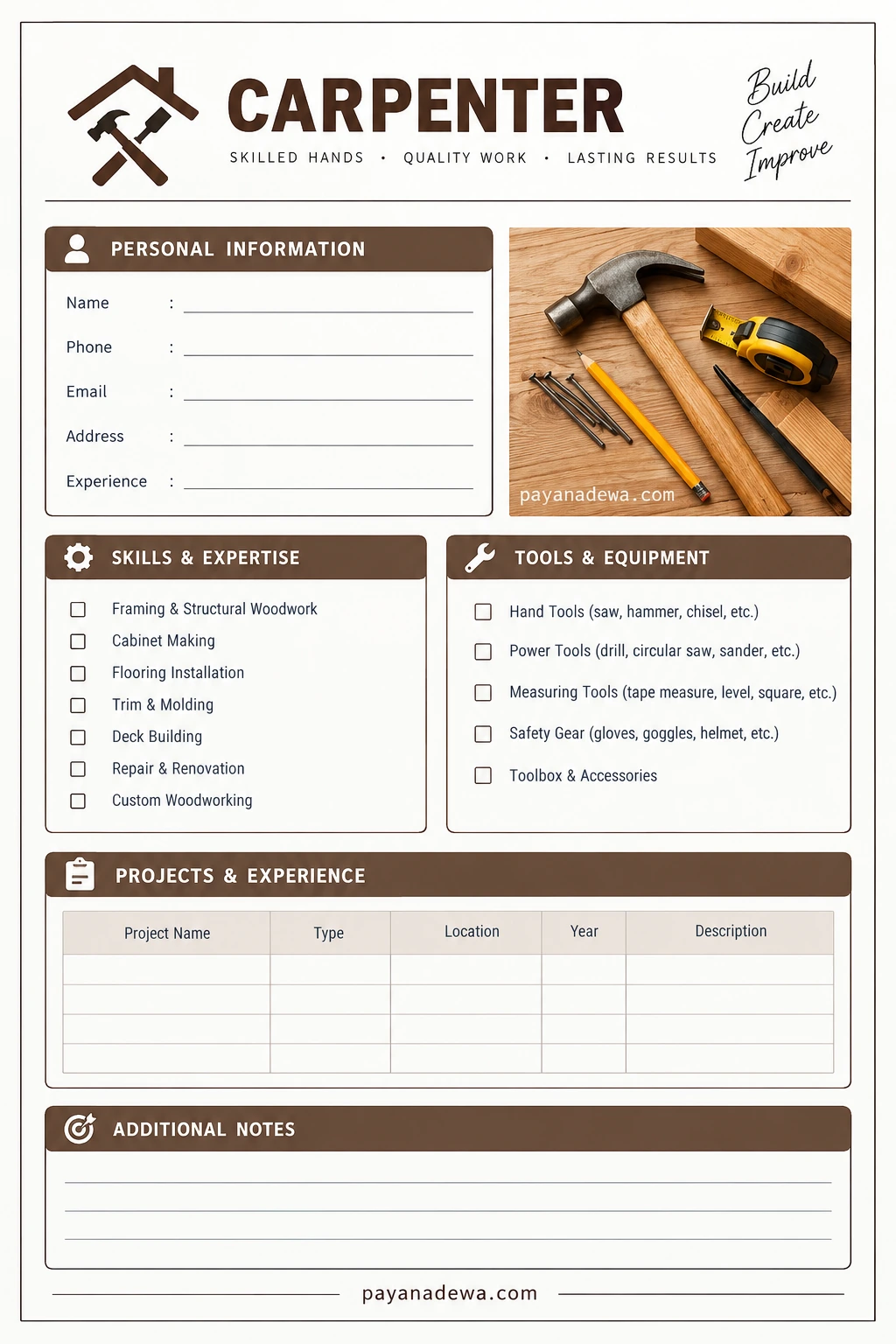
A carpenter is a construction and woodworking professional who measures, cuts, shapes, assembles, and installs materials to create functional and attractive structures. Although wood is the traditional material used in carpentry, modern carpenters may also work with engineered wood, composite materials, and other building products.
Carpentry requires a combination of practical experience, technical knowledge, attention to detail, and problem-solving skills. A successful carpenter must understand measurements, construction drawings, material properties, and safe working practices.
Depending on their specialization, carpenters may work on new buildings, remodeling projects, furniture, doors, windows, cabinets, decks, and decorative woodwork. Some work independently, while others are employed by construction companies, contractors, or woodworking businesses.
What Does a Carpenter Do?
The responsibilities of a carpenter vary depending on the project, workplace, and area of expertise. However, most carpentry jobs involve several common tasks.
Measuring and Cutting Materials
Accurate measurements are essential for successful carpentry. Carpenters measure work areas, mark cutting lines, and cut materials to the required dimensions. Even small measurement errors can affect the fit, strength, and appearance of a finished project.
Building and Installing Structures
Carpenters construct and install a wide range of building components. These may include wall frames, roof structures, staircases, doors, window frames, cabinets, and wooden flooring. They must ensure that each component fits correctly and meets the project’s specifications.
Repairing and Maintaining Woodwork
Carpenters also repair damaged wooden structures, replace worn components, adjust doors, fix loose fittings, and restore existing woodwork. Proper repairs can improve functionality, extend the useful life of materials, and reduce the need for expensive replacements.
Reading Construction Plans
Many carpentry projects require the ability to interpret blueprints, technical drawings, measurements, and installation instructions. This skill helps carpenters understand the design, determine material requirements, and coordinate their work with other construction professionals.
Different Types of Carpenters
Carpentry includes several specializations. Choosing the right type of carpenter helps ensure that your project receives the appropriate expertise.
1. Rough Carpenter
A rough carpenter focuses on the structural framework of buildings. Typical responsibilities include constructing wall frames, roof structures, floor systems, and other components that support a building. Accuracy and knowledge of structural requirements are especially important in this role.
2. Finish Carpenter
A finish carpenter works on the visible details of a building. Common tasks include installing baseboards, door casings, window trim, decorative moldings, and interior woodwork. Precision is essential because small imperfections can be noticeable in finished spaces.
3. Cabinetmaker
A cabinetmaker designs, builds, and installs cabinets, shelves, storage systems, and other fitted wooden components. Cabinetmaking often involves detailed measurements, joinery techniques, material selection, and careful finishing.
4. Residential Carpenter
A residential carpenter works on houses, apartments, and other living spaces. Projects may include home extensions, kitchen renovations, flooring installation, door replacement, deck construction, and general woodwork repairs.
5. Commercial Carpenter
Commercial carpenters work on offices, retail stores, restaurants, schools, and other commercial properties. Their responsibilities may include partitions, doors, fixtures, interior installations, and specialized construction components.
6. Restoration Carpenter
A restoration carpenter repairs and preserves existing woodwork, including features in older homes and historic buildings. The work may require traditional woodworking methods, careful material matching, and an understanding of how older structures were constructed.
Essential Carpenter Skills
Professional carpentry requires more than knowing how to use a saw or hammer. The following skills help carpenters produce reliable, safe, and high-quality results.
- Measurement and mathematics: Accurate measurements, fractions, angles, and calculations help ensure that components fit properly.
- Technical drawing: Understanding plans and diagrams helps translate designs into practical results.
- Attention to detail: Precise cuts, aligned joints, and smooth finishes improve the quality of the final product.
- Problem-solving: Carpenters must adapt to uneven surfaces, unexpected obstacles, and changes in project requirements.
- Physical coordination: Handling materials and operating tools safely requires coordination, balance, and controlled movements.
- Communication: Clear communication helps carpenters coordinate with clients, builders, designers, and other tradespeople.
- Safety awareness: Understanding tool operation, protective equipment, and job-site procedures reduces the risk of injury.
Common Tools Used by Carpenters
Carpenters rely on a variety of hand tools and power tools to complete projects efficiently. The specific equipment depends on the type of work, material, and level of precision required.
Hand Tools
- Hammer: Used for driving nails and performing general assembly tasks.
- Hand saw: Used to cut wood when manual cutting is appropriate.
- Chisel: Helps shape wood and create detailed joints.
- Tape measure: Provides accurate measurements for cutting and installation.
- Spirit level: Checks whether surfaces and components are level or plumb.
- Carpenter’s square: Helps mark right angles and check alignment.
- Clamps: Hold materials securely during assembly, gluing, and finishing.
Power Tools
- Circular saw: Makes straight cuts in suitable sheet materials and lumber.
- Drill and driver: Creates holes and drives screws into materials.
- Jigsaw: Cuts curves and irregular shapes when the material and blade are suitable.
- Power sander: Smooths wooden surfaces before finishing.
- Router: Creates grooves, edges, and decorative profiles.
Tool safety should always be a priority. Carpenters should inspect equipment before use, follow manufacturer instructions, secure workpieces, and wear appropriate protective equipment. Eye and hearing protection, suitable footwear, and respiratory protection may be necessary depending on the task.
How to Choose the Right Carpenter for Your Project
Hiring the right carpenter can improve the quality of your renovation, reduce costly mistakes, and make the construction process easier to manage. Before choosing a professional, consider the following factors.
Review Experience and Specialization
Look for a carpenter whose experience matches your project. A cabinetmaker may be ideal for custom kitchen storage, while a finish carpenter may be better suited to decorative trim and detailed interior work. Structural projects require professionals with the appropriate qualifications and experience.
Check References and Previous Work
Ask to see photographs of completed projects, customer reviews, or references from previous clients. A portfolio can help you evaluate workmanship, finishing quality, and whether the carpenter has handled similar jobs.
Request a Detailed Estimate
Ask for a written estimate that explains the expected labor costs, materials, project timeline, and any additional charges. Comparing detailed estimates is more useful than choosing a contractor based on the lowest price alone.
Discuss the Project Timeline
Agree on a realistic start date, expected completion date, and arrangements for handling delays. Material availability, project complexity, weather, and unexpected repairs can affect the schedule.
Verify Relevant Credentials
Depending on your location and the type of work, certain projects may require permits, licenses, insurance, or specialized qualifications. Confirm the applicable requirements before work begins, especially for structural alterations or projects involving regulated building systems.
How Much Does a Carpenter Cost?
The cost of hiring a carpenter depends on several factors, including location, experience, project complexity, material selection, and the amount of labor required. Small repairs may be charged at an hourly rate or as a minimum service fee, while larger installations are often priced as a complete project.
For example, installing a simple shelf generally requires less time and material than building custom kitchen cabinets or constructing an outdoor deck. Projects involving complex designs, difficult access, specialized finishes, or structural changes may cost more.
To manage your budget effectively, consider these practical steps:
- Define the project scope before requesting estimates.
- Ask which materials are included in the quoted price.
- Compare labor costs, material quality, and warranty terms.
- Confirm whether removal, cleanup, and disposal are included.
- Set aside a contingency budget for unexpected repairs or material changes.
Always request a written agreement for substantial projects. It should describe the work, payment schedule, materials, deadlines, and procedures for approving changes.
Carpenter Career: Training and Opportunities
Carpentry can be a rewarding career for people who enjoy practical work, construction, and creating useful objects. Many carpenters develop their skills through vocational education, apprenticeships, on-the-job training, or a combination of these routes.
Learn the Fundamentals
Begin by learning measurement, basic woodworking, material identification, tool handling, and construction safety. A vocational course or supervised workshop can provide a structured introduction to these skills.
Gain Practical Experience
Working alongside an experienced carpenter helps beginners develop sound techniques, understand job-site expectations, and learn how to solve real construction problems. Start with manageable tasks and increase complexity as your skills improve.
Build a Portfolio
Photograph completed projects and document the materials, methods, and skills involved. A clear portfolio can demonstrate your abilities to potential employers, contractors, and customers.
Develop Specialized Skills
Experienced carpenters may expand into cabinetmaking, custom furniture, finish carpentry, restoration, or project supervision. Specialization can help distinguish your services and attract customers looking for particular expertise.
Career opportunities vary by region, experience, and construction demand. Continuous learning, dependable service, and strong workmanship can help support long-term professional development.
Practical Tips for Successful Carpentry Projects
Whether you are a homeowner planning repairs or an aspiring woodworking professional, a few basic practices can make carpentry projects more successful.
- Measure twice and cut once. Verify dimensions and cutting marks before making irreversible cuts.
- Choose suitable materials. Consider moisture exposure, load requirements, appearance, and the intended use of each component.
- Prepare the work area. Keep the workspace organized, well lit, and free from unnecessary obstructions.
- Check alignment frequently. Use appropriate measuring tools and levels throughout assembly and installation.
- Follow a clear plan. Confirm dimensions, material quantities, and installation steps before starting.
- Protect finished surfaces. Use suitable sanding, sealing, painting, or other finishing methods for the material and environment.
- Prioritize safety. Use the correct tool for each task and never bypass guards or other safety features.
For complex structural work, electrical or plumbing coordination, or tasks requiring specialized expertise, consult qualified professionals rather than relying on guesswork.
Conclusion
A carpenter helps turn construction plans and design ideas into durable, functional, and attractive results. From structural framing and home repairs to custom cabinets and detailed woodwork, carpenters contribute valuable skills to residential and commercial projects.
Understanding carpentry specializations, essential tools, professional skills, and project costs makes it easier to choose the right service provider or begin developing your own woodworking abilities. Before hiring a carpenter, review previous work, compare written estimates, confirm relevant credentials, and agree on the project scope.
With careful planning, suitable materials, safe working practices, and attention to detail, a well-executed carpentry project can improve a space and provide lasting value.