Brazil Republic Day is an important national occasion that commemorates the transformation of Brazil from an empire into a republic. Celebrated every year on November 15, the day is closely connected with Brazil’s political history, national identity, and the development of its modern government. For Brazilians, it is an opportunity to remember a major turning point in the country’s past while appreciating the values associated with citizenship, national unity, and public life.
Known in Portuguese as Proclamação da República, Brazil Republic Day marks the proclamation of the republic in 1889. The event ended the Brazilian Empire and established a new republican political system. Although the transition happened more than a century ago, its historical importance remains visible in Brazilian institutions, public ceremonies, educational activities, and national traditions.
Understanding Brazil Republic Day provides more than a simple explanation of a national holiday. It offers insight into how Brazil developed its political identity and how historical events can continue to influence a country’s culture. The celebration also provides an opportunity for people to learn about Brazilian symbols, historical figures, civic values, and the country’s journey toward its present form of government.
Whether you are studying Brazilian history, preparing a classroom activity, creating a holiday project, or simply learning about international observances, Brazil Republic Day is an interesting subject. Its history connects political change with national identity, making November 15 a meaningful date on the Brazilian calendar.
In this article, you will learn about the history of Brazil Republic Day, why November 15 is significant, how the republic was proclaimed, and how the occasion can be recognized through educational and cultural activities.
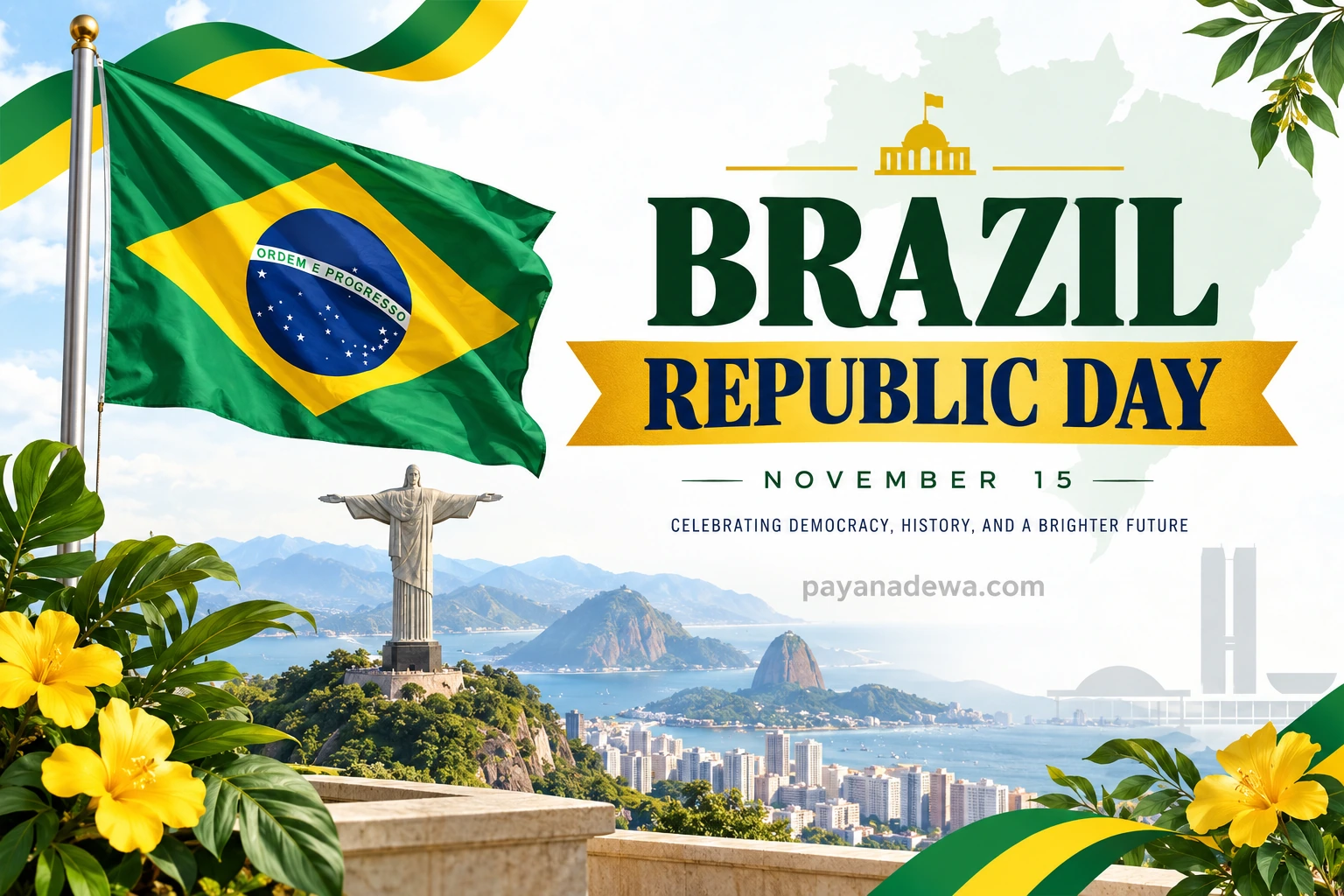
What Is Brazil Republic Day?
The Meaning Behind November 15
Brazil Republic Day is observed annually on November 15 to commemorate the proclamation of the Brazilian Republic in 1889. Before the republic was established, Brazil was governed as an empire under Emperor Pedro II. The political transition changed the country’s system of government and began a new period in Brazilian history.
The date is therefore more than a public holiday. It represents a major constitutional and political transformation. The proclamation introduced the idea of a republic in which political authority would no longer be centered on a hereditary emperor. Over time, Brazil developed institutions and democratic traditions that became important parts of its national identity.
For modern Brazilians, the occasion can also serve as a reminder of the importance of civic participation and knowledge of national history. Schools, families, museums, and cultural organizations can use the day to introduce younger generations to the events that shaped the country.
The History of Brazil Republic Day
From Empire to Republic
The roots of Brazil Republic Day can be traced to the final years of the Brazilian Empire. Emperor Pedro II had ruled Brazil for decades, but the country was experiencing political and social changes. Republican ideas were becoming increasingly influential among parts of the military, political class, intellectual community, and wider society.
Several issues contributed to growing dissatisfaction with the imperial system. Political debates, military concerns, disputes involving the monarchy, and changes in Brazilian society created an environment in which the existing political structure faced increasing pressure.
On November 15, 1889, Marshal Deodoro da Fonseca led a military movement in Rio de Janeiro. The movement resulted in the overthrow of the imperial government. Pedro II was removed from power, and Brazil was proclaimed a republic.
The emperor and his family subsequently left Brazil. The change marked the end of the Brazilian Empire and the beginning of the First Brazilian Republic. Deodoro da Fonseca became the country’s first president, establishing a new chapter in Brazilian political history.
Why Is Brazil Republic Day Important?
A Turning Point in Brazilian History
Brazil Republic Day is important because it commemorates one of the most significant political transitions in the country’s history. The proclamation changed the structure of government and created a new political framework that would continue to evolve over the following decades.
The establishment of the republic also influenced Brazil’s national symbols and public institutions. The country gradually developed new political traditions, constitutional arrangements, and ideas about citizenship. These developments helped shape the Brazil that exists today.
For students and history enthusiasts, November 15 is an opportunity to examine how political systems change. It also encourages discussion about the relationship between government, citizens, institutions, and national identity.
The occasion is especially useful for understanding that modern nations are shaped by a series of historical developments rather than by a single event. The proclamation of the republic was a major milestone, but Brazil’s political evolution continued long after 1889.
Brazil Republic Day Symbols and National Identity
The Brazilian Flag
The Brazilian flag is one of the most recognizable symbols associated with Brazil. Its green field, yellow diamond, blue globe, and stars represent important elements of Brazilian national identity. The phrase Ordem e Progresso, meaning “Order and Progress,” appears across the central band of the flag.
During national occasions, the Brazilian flag can be displayed in public spaces, schools, government buildings, and homes. Its presence reinforces the connection between national celebrations and civic identity.
National Colors and Cultural Symbols
Green, yellow, blue, and white are strongly associated with Brazil and can be incorporated into Republic Day decorations, classroom projects, posters, invitations, and printable templates. These colors provide an easy way to create visual materials that reflect the country’s national identity.
Brazil’s landmarks can also help communicate the meaning of the occasion. Images of Brasília, Rio de Janeiro, the Brazilian flag, and other national symbols can make educational materials more engaging while connecting historical information with recognizable elements of Brazilian culture.
How Brazil Republic Day Is Observed
Public and Educational Activities
Brazil Republic Day is a national holiday in Brazil, and many public institutions and businesses observe the date according to the national holiday calendar. The day can also be marked through ceremonies, historical discussions, cultural programs, and educational activities.
Schools can use the occasion to teach students about the Brazilian Empire, the proclamation of the republic, and the country’s political development. Teachers may create timelines, classroom presentations, reading assignments, or group projects focused on November 15.
Families can also recognize the day by learning about Brazilian history together. Watching educational programs, reading historical material, discussing Brazilian landmarks, or exploring national symbols can turn the holiday into a meaningful learning experience.
Brazil Republic Day Activities and Ideas
Simple Ideas for Schools and Communities
There are many simple ways to create an informative Brazil Republic Day activity. The best activities combine historical information with creativity so that participants can understand the significance of the occasion while staying engaged.
- Create a timeline showing important events leading to the proclamation of the republic.
- Design a classroom poster featuring November 15 and key historical facts.
- Study the meaning and history of the Brazilian flag.
- Prepare a short presentation about Marshal Deodoro da Fonseca.
- Discuss the differences between a monarchy and a republic.
- Create printable Brazil Republic Day worksheets for students.
- Organize a cultural display featuring Brazilian landmarks and national symbols.
Printable templates can be especially useful for teachers, students, community organizations, and content creators. A well-designed Brazil Republic Day template can provide a structured space for dates, historical facts, illustrations, and educational messages.
How to Create a Brazil Republic Day Poster
Design Tips for an Effective Template
A Brazil Republic Day poster should communicate the main message quickly. Start with a clear title such as “Brazil Republic Day” and include the date, November 15. Use the Brazilian national colors to establish an immediate visual connection with the occasion.
Historical information should remain short and easy to read. Instead of filling the poster with long paragraphs, use concise facts about the proclamation of the republic, the end of the Brazilian Empire, and the significance of 1889.
Images can also strengthen the design. A Brazilian flag, map, national landmark, or historical symbol can provide visual context. When creating an original printable template, make sure the artwork is clearly designed for the intended educational or decorative purpose.
Typography is another important consideration. Use a prominent heading for the main message and smaller text for supporting information. Good spacing and a clean layout make the template easier to print, display, and share.
Brazil Republic Day and Brazilian History
Understanding the Broader Historical Context
Brazil Republic Day should be viewed as part of a much larger historical story. Brazil experienced significant changes during the nineteenth and twentieth centuries, including political transformations, social developments, economic changes, and constitutional reforms.
The proclamation in 1889 did not immediately create the modern political system that Brazil has today. Instead, it began a long process of institutional development. Different governments, constitutions, political movements, and social changes influenced the country’s direction over time.
Studying November 15 therefore provides an excellent starting point for learning about Brazilian history. Students can explore what Brazil was like under the empire, why republican ideas gained support, and how the country changed after the proclamation.
Interesting Facts About Brazil Republic Day
Quick Facts to Remember
- Brazil Republic Day is celebrated on November 15.
- The holiday commemorates the proclamation of the Brazilian Republic in 1889.
- The proclamation ended the Brazilian Empire.
- Marshal Deodoro da Fonseca became Brazil’s first president.
- The event took place in Rio de Janeiro, which was then Brazil’s capital.
- The date is known in Portuguese as Proclamação da República.
- November 15 is a national holiday in Brazil.
These facts can be useful for educational worksheets, history quizzes, classroom discussions, social media posts, and Brazil Republic Day printable materials. They also provide a simple introduction for anyone who is unfamiliar with the significance of November 15.
Why Brazil Republic Day Still Matters Today
Connecting History With Civic Awareness
Historical holidays remain relevant because they help societies remember how institutions and national identities developed. Brazil Republic Day encourages people to look back at an important political transition while considering the meaning of citizenship and government in contemporary Brazil.
For younger generations, learning about the proclamation of the republic can make history more understandable. Rather than treating history as a collection of dates, students can explore the people, political debates, and social conditions behind major events.
The day can also encourage appreciation for Brazil’s diverse cultural identity. Brazilian history includes many different communities, regions, traditions, and experiences. Republic Day provides one opportunity to connect that diversity with a shared national history.
Conclusion
Remembering November 15
Brazil Republic Day, celebrated on November 15, commemorates the proclamation of the Brazilian Republic in 1889 and the end of the Brazilian Empire. It represents a major turning point that changed the country’s political structure and began a new stage of national development.
Today, the occasion offers an opportunity to learn about Brazilian history, national symbols, civic institutions, and the evolution of the country’s political identity. Whether celebrated through an educational project, a classroom poster, a cultural activity, or a simple history lesson, November 15 remains an important date to remember.
Creating an original Brazil Republic Day template can also make the subject more accessible and visually engaging. With clear information, recognizable national symbols, and a clean printable design, educational materials can help readers understand why this historic day continues to have meaning in Brazil.
Ultimately, Brazil Republic Day is not only about remembering a political event from 1889. It is also an invitation to understand Brazil’s journey, appreciate its history, and recognize how important historical moments can influence a nation’s identity for generations.