But what exactly is climate change? What causes it, how does it affect our daily lives, and what can we do to slow it down? Understanding these questions is the first step toward creating a healthier and more sustainable future.
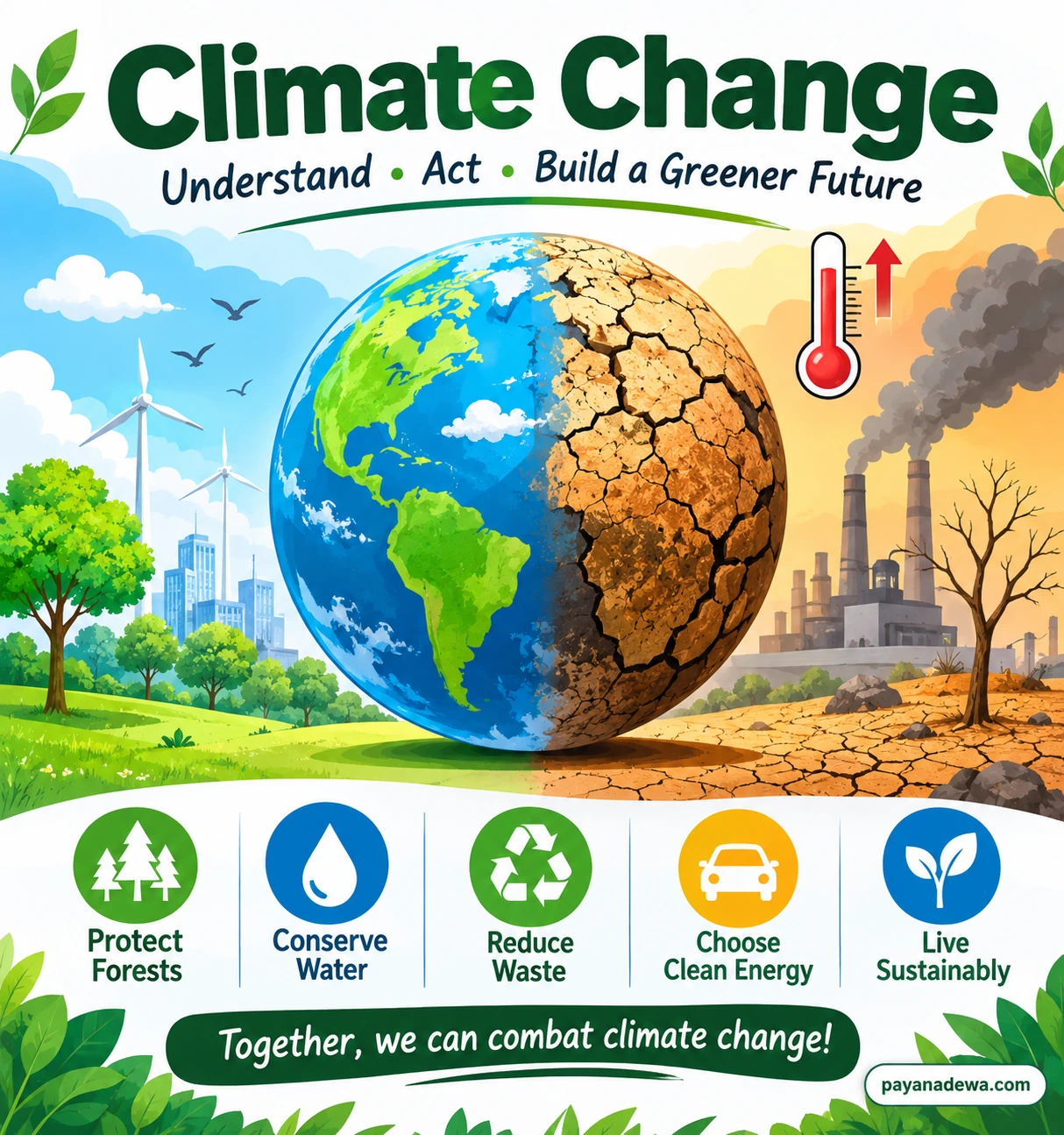
In this guide, you will discover the main causes of climate change, its environmental and social impacts, and practical solutions that individuals, businesses, and governments can adopt.
What Is Climate Change?
Climate change refers to long-term changes in Earth’s average temperatures and weather patterns. These changes can happen naturally over thousands or millions of years. However, human activities have significantly accelerated global warming since the Industrial Revolution.
One of the main drivers is the increasing concentration of greenhouse gases in the atmosphere. These gases trap heat and create a natural greenhouse effect. While this process is essential for keeping Earth warm enough to support life, excessive greenhouse gas emissions cause additional warming.
It is important to understand the difference between climate and weather. Weather describes short-term atmospheric conditions, such as rain, sunshine, or storms. Climate describes average weather patterns over much longer periods.
Main Causes of Climate Change
Climate change has several causes, but human activities are currently the main reason for the rapid increase in global temperatures. The following factors contribute significantly to the problem.
1. Burning Fossil Fuels
Burning fossil fuels is one of the largest sources of greenhouse gas emissions. Coal, oil, and natural gas are commonly used to generate electricity, power vehicles, and operate industrial facilities.
When these fuels burn, they release carbon dioxide into the atmosphere. As a result, more heat becomes trapped within Earth’s climate system.
Reducing dependence on fossil fuels and switching to cleaner energy sources can help address this problem.
2. Deforestation and Land Use Changes
Forests play an important role in regulating Earth’s climate. Trees absorb carbon dioxide during photosynthesis and store carbon in their trunks, roots, and surrounding soil.
However, deforestation removes these natural carbon storage systems. Cutting down forests for agriculture, construction, and commercial activities also releases stored carbon into the atmosphere.
Protecting existing forests, restoring damaged ecosystems, and planting native trees are important ways to reduce these impacts.
3. Agriculture and Livestock Production
Agriculture contributes to climate change through several activities. Livestock, particularly cattle, produce methane during digestion. Methane is a powerful greenhouse gas.
In addition, fertilizers can release nitrous oxide, while clearing land for agricultural production can reduce natural carbon storage.
More sustainable farming methods can reduce emissions while protecting soil quality and biodiversity.
4. Industrial Activities and Waste
Factories and manufacturing industries consume large amounts of energy. Some industrial processes also release greenhouse gases directly.
Waste management is another important factor. Organic waste in landfills can produce methane as it decomposes without sufficient oxygen.
Recycling, reducing unnecessary consumption, improving energy efficiency, and adopting cleaner manufacturing technologies can help limit these emissions.
Major Effects of Climate Change on the Planet
The effects of climate change extend beyond rising temperatures. They influence oceans, forests, wildlife, agriculture, and human communities. Understanding these consequences helps explain why climate action is so important.
Rising Global Temperatures
One of the most noticeable effects is the increase in average global temperatures. Hotter conditions can cause more frequent and intense heatwaves in many regions.
Extreme heat can affect human health, reduce agricultural productivity, and increase electricity demand for cooling systems.
Melting Glaciers and Rising Sea Levels
Higher temperatures contribute to the melting of glaciers and ice sheets. At the same time, warmer ocean water expands. Both processes contribute to rising sea levels.
Coastal communities may face increased flooding, erosion, saltwater intrusion, and damage to infrastructure.
More Extreme Weather Events
Climate change can influence the frequency and intensity of certain extreme weather events. These include heatwaves, heavy rainfall, droughts, and conditions that contribute to wildfire risk.
However, climate change does not affect every region in the same way. Local geography, natural climate patterns, and community preparedness also influence the impact of extreme weather.
Threats to Wildlife and Biodiversity
Many plants and animals depend on specific environmental conditions to survive. As temperatures and rainfall patterns change, their natural habitats may become unsuitable.
Some species must migrate to cooler areas, while others struggle to adapt quickly enough. Coral reefs, forests, wetlands, and polar ecosystems are particularly vulnerable to changing environmental conditions.
Food and Water Security Challenges
Changing rainfall patterns and extreme temperatures can affect crop production. Droughts may reduce water availability, while floods can destroy farmland and damage food supply chains.
These challenges can increase food insecurity, particularly in communities that depend heavily on agriculture and natural resources.
How Climate Change Affects Everyday Life
Climate change is not only an environmental issue. It also affects public health, household expenses, employment, and economic development.
For example, prolonged heat can increase the risk of heat-related illnesses. Flooding can damage homes and businesses. Meanwhile, agricultural disruptions may increase food prices and affect the livelihoods of farmers.
People with limited financial resources are often more vulnerable because they may have fewer options to prepare for or recover from environmental disasters.
Therefore, addressing climate change also means protecting public health, supporting vulnerable communities, and building stronger infrastructure.
Practical Ways to Reduce Climate Change
Although climate change is a global challenge, individual actions can contribute to meaningful progress. Small lifestyle improvements become more powerful when adopted by communities and supported by effective policies.
1. Save Electricity at Home
Reducing electricity consumption can lower emissions, especially when electricity comes from fossil fuels.
- Turn off lights when leaving a room.
- Unplug electronic devices when they are not being used.
- Choose energy-efficient appliances.
- Use natural lighting whenever possible.
- Set air conditioners to reasonable temperatures.
2. Choose Sustainable Transportation
Transportation produces greenhouse gas emissions, particularly when vehicles use gasoline or diesel. Choosing cleaner transportation options can help reduce your personal carbon footprint.
- Walk or cycle for short journeys.
- Use public transportation when available.
- Share car journeys with friends or coworkers.
- Consider electric or fuel-efficient vehicles.
- Combine several errands into one trip.
3. Reduce, Reuse, and Recycle
Waste reduction helps conserve natural resources and lowers the environmental impact of manufacturing and disposal.
- Bring reusable shopping bags.
- Avoid unnecessary single-use plastics.
- Repair items instead of replacing them immediately.
- Separate recyclable materials correctly.
- Compost suitable food scraps.
4. Protect Trees and Natural Ecosystems
Trees absorb carbon dioxide and provide habitats for wildlife. They also help regulate local temperatures and protect soil from erosion.
You can support environmental protection by planting native trees, joining local conservation programs, and avoiding products associated with irresponsible deforestation.
5. Make More Sustainable Food Choices
Food production has an environmental footprint. The way food is grown, transported, packaged, and consumed can influence greenhouse gas emissions.
Try these simple habits:
- Reduce food waste by planning meals.
- Choose locally produced food when practical.
- Eat a variety of plant-based foods.
- Store food properly to prevent spoilage.
- Support farmers who use sustainable practices.
6. Support Renewable Energy
Renewable energy sources offer alternatives to fossil fuels. Solar, wind, hydropower, and geothermal energy can generate electricity with much lower operational greenhouse gas emissions than conventional fossil fuel power plants.
Where available, consider renewable electricity plans or rooftop solar systems. You can also support community initiatives and policies that encourage clean energy development.
The Role of Governments and Businesses
Individual lifestyle changes are valuable, but they cannot solve climate change alone. Large-scale action from governments, industries, and international organizations is essential.
Governments can help by introducing effective climate policies, investing in public transportation, protecting forests, and supporting renewable energy infrastructure.
Businesses also have an important responsibility. They can reduce emissions by improving production efficiency, using cleaner energy, reducing packaging waste, and developing sustainable products.
In addition, international cooperation is necessary because greenhouse gas emissions affect the global climate regardless of where they originate.
Climate Change and the Future of Younger Generations
Climate change is especially important for younger generations because environmental decisions made today will influence the conditions in which they live in the future.
Education can help children and young adults understand environmental challenges and become responsible decision-makers. Schools, families, and communities can encourage sustainable habits through practical activities.
Young people can participate in environmental clubs, community cleanups, tree-planting programs, and educational campaigns. They can also encourage friends and family members to adopt environmentally responsible habits.
By combining education, innovation, and collective action, younger generations can help create a more sustainable society.
How to Start Living a More Climate-Friendly Lifestyle
Changing your lifestyle does not have to happen overnight. A realistic approach is to begin with manageable habits and improve them over time.
Here is a simple weekly action plan:
- Monday: Check your household electricity consumption and switch off unnecessary devices.
- Tuesday: Use public transportation, walk, or cycle instead of driving alone.
- Wednesday: Avoid disposable plastic products and carry reusable alternatives.
- Thursday: Plan meals carefully to prevent food waste.
- Friday: Learn about renewable energy and sustainable living.
- Saturday: Participate in a community cleanup or environmental activity.
- Sunday: Review your progress and choose one new sustainable habit for the following week.
The goal is not perfection. Instead, focus on making consistent improvements that can become part of your everyday routine.
Conclusion: Taking Action Against Climate Change
Climate change is a serious global challenge driven primarily by human activities that increase greenhouse gas emissions. Its consequences include rising temperatures, melting glaciers, changing weather patterns, biodiversity loss, and growing risks to food and water security.
However, solutions are available. Renewable energy, forest conservation, sustainable agriculture, responsible consumption, and effective environmental policies can all contribute to a healthier planet.
Every individual has a role to play. By saving energy, reducing waste, choosing sustainable transportation, and supporting environmental protection, we can help create positive change.
The future of our planet depends on the choices we make today. Start with one small action, encourage others to participate, and help build a cleaner and more sustainable world for future generations.